














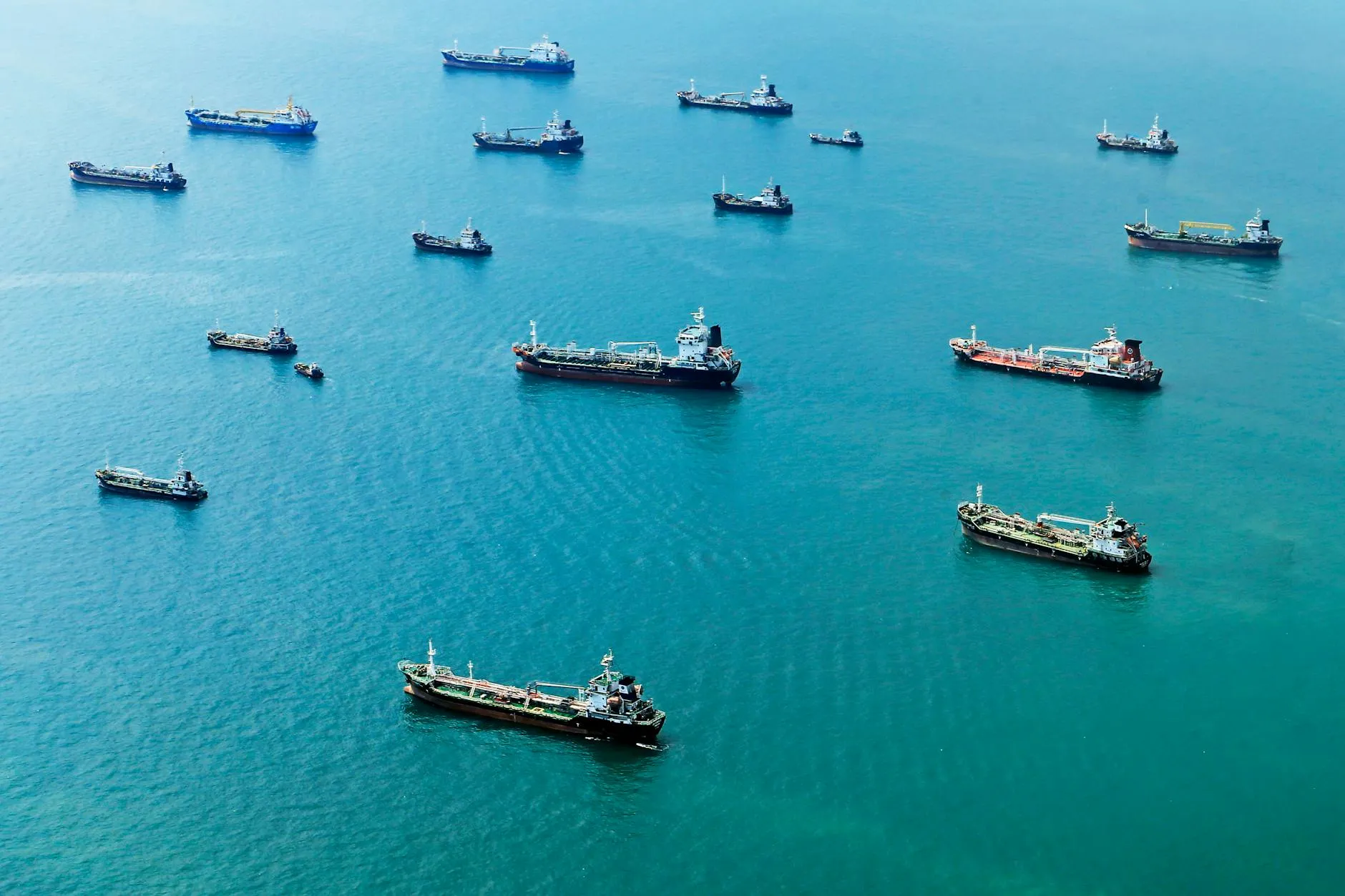

Expanding into international markets is a dream come true for many businesses. The world becomes your oyster—new customers, bigger markets, and untapped potential. But, as with any new venture, it comes with a new set of risks that could leave your business vulnerable. Non-payment by foreign customers, political instability, and currency fluctuations are just the tip of the iceberg. But don’t worry—there’s a safety net that could save your business: export credit insurance.
In this post, we’ll break down the top risks businesses face in international trade and show you how export credit insurance can provide the protection you need to safely navigate global markets. Let’s get started.
What Are the Top Risks in International Trade?
When you start selling to customers overseas, you’re essentially entering a whole new world—one with its own set of rules, uncertainties, and risks. Let’s take a closer look at the most common and impactful risks that businesses face when trading internationally.
1. Non-Payment by Customers
One of the biggest fears when entering foreign markets is that your international buyers won’t pay their bills. Whether it’s due to financial hardship, insolvency, or simply unwillingness to pay, non-payment is a significant risk. In fact, according to a report by Atradius, 40% of businesses with foreign clients experienced payment delays.
When you’re dealing with international customers, it can be harder to pursue overdue payments. Different legal systems, cultural differences, and the sheer distance between you and the debtor make it more challenging to collect the money you’re owed. And this can severely impact your cash flow, especially if you’ve been relying on those funds to keep your business running.
2. Political Risks
Imagine this: You’ve secured a major deal with a customer in a foreign country. But before the payment is made, political turmoil hits. Governments change, trade policies shift, or even worse—war breaks out. These types of political risks can leave you unable to recover the money you’re owed, or in extreme cases, your goods could be seized or your business partners could become non-functional.
Political risks are especially high in countries with unstable governments or where there’s a high level of corruption. Even if a customer is willing to pay, changes in the political landscape could make it impossible for them to do so.
3. Currency Fluctuations
Selling internationally means dealing with foreign currencies, which can be a double-edged sword. Currency exchange rates can fluctuate wildly, especially in unstable markets. If your payment is due in a foreign currency, a sudden drop in the value of that currency could result in you receiving less money than you anticipated.
For example, if you’ve agreed to sell $100,000 worth of goods in a country where the exchange rate fluctuates frequently, a sudden shift in the value of the currency could leave you with a lot less money when you convert it back into your local currency.
4. Economic Instability
Even without political upheaval, economic instability in foreign markets can create significant risks for exporters. Recession, inflation, or changes in interest rates can reduce your customers’ ability to pay for your products or services. If the economy in your target market starts to contract, your customers may experience cash flow problems, leading to delayed payments or defaults.
If you’re selling to a country that’s heavily impacted by economic downturns, you may find it difficult to predict how your customer will perform financially. If the economy becomes weak, your customer may struggle to pay, causing a ripple effect that could hurt your business.
5. Legal and Regulatory Risks
Each country has its own legal system, and the rules around business transactions and payments can differ greatly. A contract that’s enforceable in your country may not be enforceable in another country, which makes international trade more risky. Furthermore, some countries have different rules for how payments can be collected, and there may be limitations on your ability to pursue legal action if a customer doesn’t pay.
Adding to the complexity is the fact that different countries have different tax laws, export restrictions, and tariffs that could affect the cost of doing business. Navigating these legal and regulatory issues can be overwhelming, and any misstep could result in costly mistakes.
How Can Export Credit Insurance Protect You?
Now that we’ve covered the top risks, let’s talk about how export credit insurance can provide a much-needed layer of protection for your business. Export credit insurance is designed to cover the financial losses you may face from non-payment by international customers, as well as certain political and economic risks. Let’s break down the key benefits of export credit insurance:
1. Coverage Against Non-Payment
The primary benefit of export credit insurance is protection against non-payment. If one of your foreign customers defaults on payment due to insolvency, bankruptcy, or other financial issues, your insurance policy will reimburse you for a large portion of the outstanding debt—often up to 90%.
This means you won’t be left scrambling to cover unpaid invoices, which can help keep your cash flow healthy and allow you to focus on growing your international business.
2. Political Risk Protection
Political instability is one of the most unpredictable risks in international trade, but with export credit insurance, you can protect your business against these types of losses. If a political event—such as a war, expropriation, or currency inconvertibility—prevents your customer from paying, export credit insurance will cover your losses.
In some cases, the insurance may even offer protection if your customer faces trade restrictions that prevent them from making payment.
3. Mitigating Currency Risk
Currency fluctuations can be a nightmare when you’re dealing with international payments, but export credit insurance can help mitigate this risk. Some export credit insurance policies allow you to set fixed currency exchange rates, ensuring that you won’t be caught off guard by unfavorable shifts in currency value.
This means you’ll have more predictability when it comes to payments and budgeting, allowing you to focus on your core business without worrying about exchange rate volatility.
4. Improved Access to Financing
Lenders typically view businesses with export credit insurance as lower-risk investments. This can improve your access to financing, whether you’re looking for a loan, line of credit, or other forms of funding. Banks are more willing to lend to businesses with insurance because it provides a safety net against non-payment, reducing their own risk.
If you need working capital to fund your international trade, export credit insurance can open up new financing opportunities.
5. Debt Collection Services
Most export credit insurance policies come with additional services, such as debt collection assistance. If a customer’s payment is overdue, the insurer will often help you recover the debt by sending reminders or even taking legal action on your behalf. This saves you time and effort while improving your chances of recovering the outstanding debt.
Some insurers even provide access to a network of local agents in foreign markets who can help you collect payments more efficiently.
Is Export Credit Insurance Right for Your Business?
Export credit insurance isn’t just for large corporations or multinational companies. Small and medium-sized businesses that are expanding internationally can benefit just as much. If you’re selling goods or services in foreign markets, export credit insurance can provide the security you need to protect your cash flow, mitigate risks, and grow your business without fear of financial loss.
Before purchasing export credit insurance, it’s important to assess your business’s international trade needs, evaluate the risks you face in foreign markets, and work with an experienced insurer who can tailor a policy to your unique requirements.
Conclusion: Protect Your Business and Grow Globally with Confidence
Expanding your business into international markets is an exciting opportunity, but it’s not without its risks. Political instability, non-payment, and currency fluctuations are just a few of the challenges that can arise when trading globally.
However, with the protection of export credit insurance, you can navigate these risks with confidence, knowing that you’re covered in case things go wrong. This insurance offers peace of mind, enabling you to grow your business, explore new markets, and secure valuable international customers—all while protecting your cash flow and minimizing potential losses.
Don’t let the hidden dangers of global trade hold you back. Explore your options for export credit insurance today and take the next step in your global expansion journey with confidence!
Like our Facebook Page here at NasiLemakTech.com for more news and in-depth reviews! Also, join our Facebook Group for insightful information and memes!
Subscribe to our YouTube channel too!