













Introduction
Smartphones face steady dangers from drops, scratches, and daily use. Modern cases offer more than protection, supporting MagSafe chargers, wallets, stands, and mounts. Different customers need exclusive features, from rugged sturdiness to slim designs. Understanding materials, functionality, and lifestyle wishes makes deciding on the proper smartphone case less difficult.
What Makes a Great Phone Case?
A quality case should solve a real problem without creating unnecessary ones. Extra safety isn’t mainly useful if the case will become so cumbersome that the cellphone is uncomfortable to hold.
Several traits deserve attention before shopping.
Protection
Look for raised edges around the screen and camera area, strengthened corners, and materials designed to absorb or distribute impact.
Fit
A case has to fit the exact cellphone model. Camera placement, button locations, dimensions, and port openings can vary among generations.
Grip
A smooth case can seem attractive but may slide easily from a hand or floor. Textured materials and well-designed edges can make daily use simpler.
Functionality
Features including MagSafe compatibility, kickstands, digital camera covers, cooling systems, and card storage can make a case more useful.
Materials
Different substances produce one-of-a-kind experiences, which is something to consider when exploring the best phone case brands. TPU can offer flexibility and shock absorption, polycarbonate can provide a firm shell, and aramid fiber can deliver a lightweight, premium feel.
Appearance
A smartphone case is likewise an accessory. Some customers prefer understated hues, even as others want ambitious patterns or commercial-stimulated designs.
Understanding Phone Case Protection Levels
Not every smartphone needs the same level of protection.
Slim Cases
Slim cases are designed to hold the smartphone’s authentic dimensions as much as feasible. They’re appropriate for users who want protection against scratches, minor bumps, and everyday wear and tear.
The trade-off is easy: much less bulk typically means less impact protection.
Everyday Protective Cases
These cases add more structure around corners and edges. They’re often a practical middle ground for people who occasionally drop their phones but don’t need a highly rugged enclosure.
Rugged Cases
Rugged designs normally use bolstered corners, thicker materials, layered construction, or shock-absorbing materials. They’re beneficial for outdoor workers, tourists, parents, athletes, and anyone whose phone regularly faces harsh environments.
The downside can be increased weight and bulk.
How to Match Protection to Your Routine
Before selecting a case, reflect onconsideration on where your telephone surely spends its time.
| Usage Pattern | Case Characteristics to Consider |
| Office and home | Slim profile, comfortable grip |
| Frequent commuting | Raised edges, MagSafe compatibility |
| Outdoor activities | Reinforced corners and stronger impact protection. |
| Gaming | Grip, cooling design, stable buttons |
| Travel | Protection, magnetic accessories, durability |
| Minimalist carry | Thin materials and lightweight construction |
The goal isn’t maximum protection at any cost. It’s appropriate protection for your lifestyle.
Popular Phone Case Materials Explained
Material selection can dramatically alter how a case feels.
TPU
Thermoplastic polyurethane is bendy and usually utilized in protective cases. It can help create a grippy surface while allowing manufacturers to build shock-absorbing systems.
Polycarbonate
Polycarbonate is an inflexible plastic often used for hard shells and protective cases. It can offer structural strength while maintaining an especially slim profile.
Aramid Fiber
Aramid fiber is valued for its energy-to-weight characteristics. It’s particularly popular in skinny, top-rated phone cases because it can provide a one-of-a-kind woven texture without requiring a thick shell.
Vegan Leather
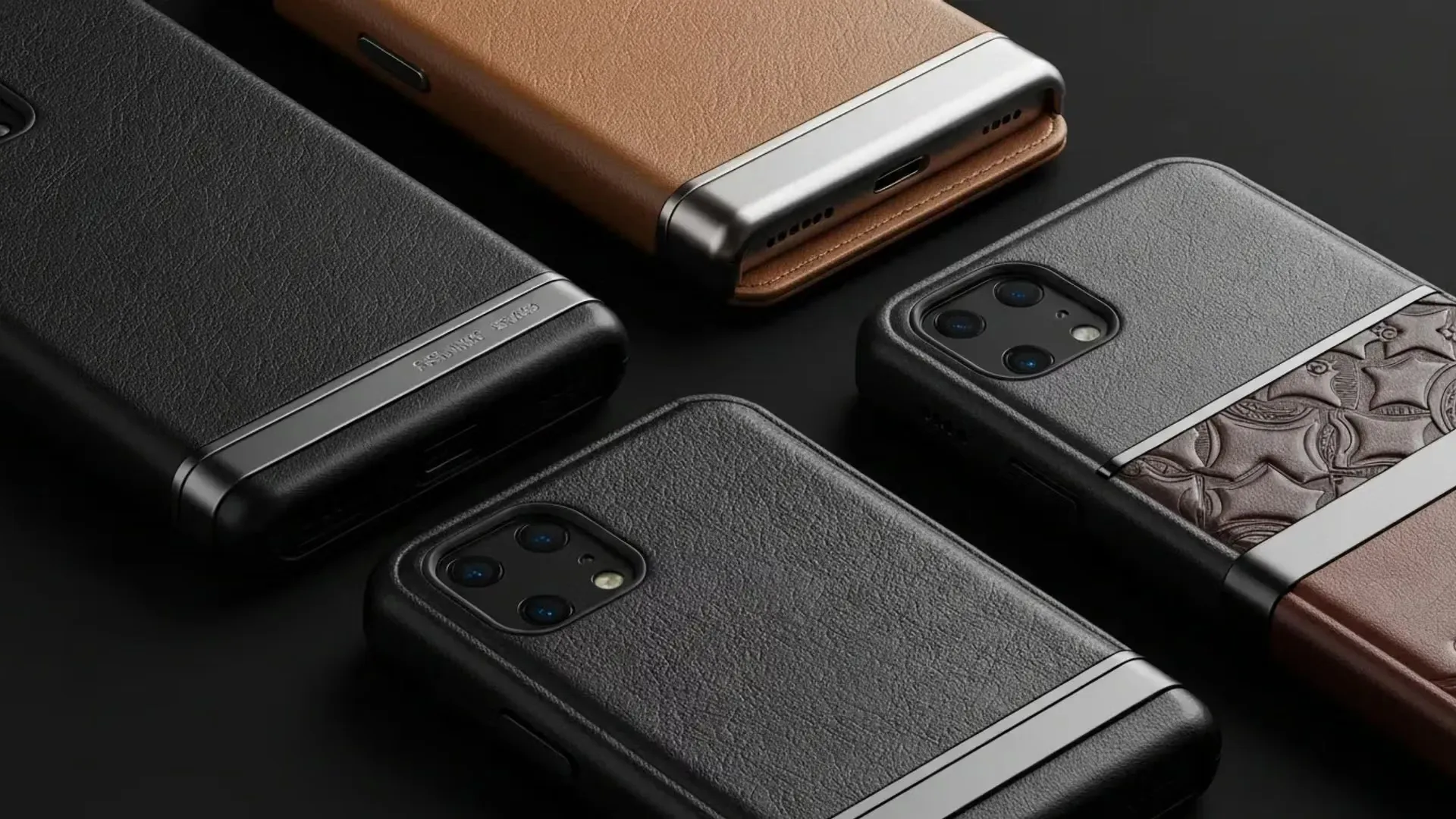
Vegan leather-based cases can create a softer, more delicate experience. It’s often chosen by users who need their phone case to resemble a premium accessory instead of a rugged piece of equipment.
Multi-Material Construction
Some modern cases combine several materials. For example, an inflexible outer layer can be paired with flexible TPU edges or bolstered corners.
This method allows producers to balance appearance, protection, weight, and grip.
5 Best Phone Case Brands to Explore in 2026
The following brands approach phone cases from different perspectives. Rather than treating one design as universally suitable, consider what each manufacturer emphasizes.
1. Aulumu: Futuristic Design Meets Function
Aulumu has constructed its identity around industrial-inspired phone cases that integrate different aesthetics with practical capabilities.
Its cutting-edge case lineup consists of numerous materials and production styles, which include 1500D and 600D aramid fiber, TPU, vegan leather, and polycarbonate. Its A18 range, for example, includes slim aramid fiber designs, reinforced cases, rugged outdoor models, vegan leather options, and transparent cases.
Aulumu also focuses heavily on the wider magnetic accessory ecosystem. Its product range includes phone stands, magnetic wallets, charging products, and other mobile accessories.
The brand is mainly exciting for users who do not need a standard, protective shell.
Its designs often use technical shapes, exposed structural details, textured surfaces, and practical elements to create a more futuristic appearance.
Best for: users who want a different business layout, MagSafe functionality, and more than one fabric pick.
Explore Aulumu’s phone cases.
2. OtterBox: Heavy-Duty Protection
OtterBox is strongly associated with rugged phone safety.
Its protective cases typically emphasize drop resistance, bolstered construction, raised edges, and sturdiness. This makes the brand relevant to folks who often expose their phones to drops and demanding environments.
The key appeal is simple: protection comes first.
3. CASETiFY: Personalization and Creative Style
CASETiFY takes a different approach by making visual customization a major part of the phone-case experience.
Its cases are available in a broad range of artwork, colors, patterns, collaborations, and personalization options. This makes the phone case feel more like a fashion accessory.
4. Mous: Premium Materials and Protection
Mous combines protective construction with premium-looking materials.
Its product designs have covered materials consisting of aramid fiber, leather, and wood, giving customers alternatives to standard plastic cases.
This kind of case can attract someone who wishes for more robust protection without the visual appearance of a conventional rugged case.
5. ZAGG: Focus on Impact Protection
ZAGG has a strong emphasis on impact protection and materials technology.
Its protective cellphone cases are designed for those who want extra cushioning against phone and everyday impacts.
For customers who frequently bring a phone in active environments, shock-absorbing materials can be particularly beneficial.
However, shoppers still need to check the exact specifications of phone cases because safety ranges can vary throughout product strains.
How to Choose a Phone Case for Your Lifestyle
The simplest way to slim your picks is to begin with your recurring in preference to the emblem call.
For Frequent Travelers
Look for a case with strong side protection, dependable grip, and MagSafe compatibility.
Magnetic add-ons may be specifically beneficial even as journeying due to the fact a unmarried smartphone case can work with chargers, stands, mounts, and wallets.
For Gamers
Heat control, grip, and button response can matter more than excessive thickness.
A case that feels cushty during a long gaming session may be more practical than one designed totally around maximum drop protection.
For Minimalists
Consider aramid fiber, thin polycarbonate, or other lightweight materials.
The goal is to guard the device without making it substantially larger.
For Outdoor Users
Look for bolstered corners, raised edges, shock-absorbing materials, and more potent drop protection.
A rugged case may be really worth the extra weight if the phone frequently faces difficult environments.
For Style-Conscious Users
Material and appearance can become equally important.
Consider leather-based options, obvious designs, textured surfaces, styles, or commercial-stimulated production relying on your non-public flavor.
Conclusion
Phone cases now combine protection, style, materials, and MagSafe functionality. Brands such as Aulumu provide specific designs for extraordinary wishes. Before buying, recall your day-to-day habits, desired features, accent compati3580bility, safety level, and preferred case thickness to find the right fit.
FAQ’s
What should I search for in a telephone case?
Focus on protection, fit, grip, fabric, weight, layout, digicam insurance, and compatibility with charging or magnetic accessories. Your day-to-day needs should determine which capabilities matter most.
Are MagSafe phone cases really worth shopping for?
They may be useful in case you frequently use well-suited magnetic chargers, wallets, stands, mounts, or battery accessories. A MagSafe-compatible case can keep those accessories usable without removing the case.
Is a skinny phone case protecting enough?
A skinny case can offer useful protection against scratches, minor impacts, and regular use. However, users who regularly drop their phones may also want an extra-bolstered design.
Like our Facebook Page here at NasiLemakTech.com for more news and in-depth reviews! Also, join our Facebook Group for insightful information and memes!
Subscribe to our YouTube channel too!