









Digital art used to be seen in Malaysia as a new trend that would even fade away, but not anymore. Somehow, it slowly became part of how people live. Today, digital art is changing how Malaysians work, learn, shop, do business, play games on dk88 Casino, and earn money across the country. It’s also not limited to creatives anymore. Students use it for projects, businesses use it for ads, freelancers use it for branding, and lots more. Even those who never thought of themselves as “artists” are creating things online.
NFTs Show a New Direction
NFTs changed how many local artists see their work. Before, selling art meant waiting for exhibitions or hoping a gallery would pick them. Things are much simpler now. They only have to create, upload, and sell. Easy peasy.
A lot of Malaysian artists started taking this seriously after 2021, especially when Crypto Art Week brought attention to digital ownership and online collectors. The independence was what attracted them the most:
- they don’t need galleries anymore;
- they can sell to buyers from any country;
- they decide the price themselves;
- platforms like Pentas.io handle the technical side.
For many artists, this was the first time art proved to them that beyond passion, they could also earn good money from it.
Government Support Makes a Difference
The government also saw where things were going. Through programs like the MyDIGITAL Blueprint, more focus has been placed on digital skills and creative work.
Likewise, tourism and culture departments now use VR and AR to show the country’s heritage. Museums, festivals, and even historical sites are becoming more interactive than they used to be.
Digital Art Tells Malaysian Stories
Malaysian digital art is not generic, as many creators combine old ideas with new tools. Batik patterns, folklore, local humour, and street culture all show up now in digital form.
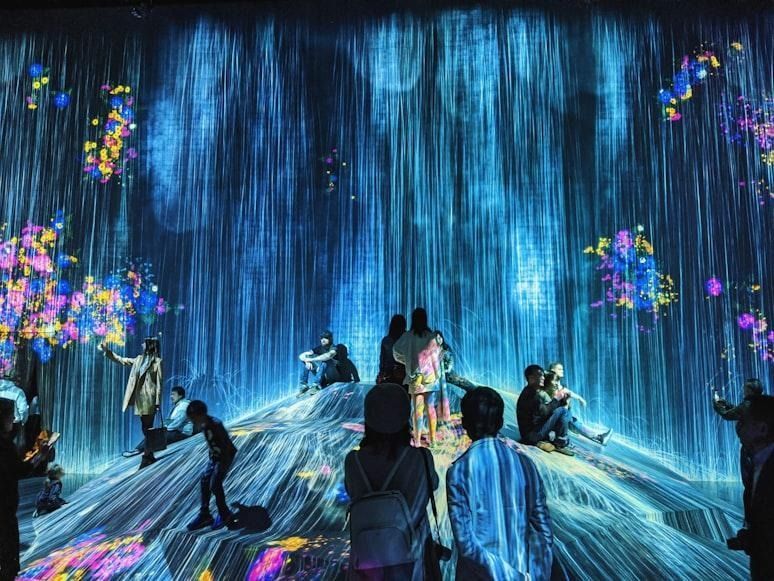
At events like the George Town Festival, digital projections turn buildings into storytelling walls. People don’t need to walk into galleries anymore. The city itself becomes the canvas.
Final Thoughts
Digital art in Malaysia isn’t trying to replace traditional art, as the two can co-exist. It only found a gap and filled it effortlessly.
Most artists moved online during COVID because they had no choice, and after realizing that it worked, they stayed. With this realization, it’s only normal that more people keep creating art digitally for years to come.
Like our Facebook Page here at NasiLemakTech.com for more news and in-depth reviews! Also, join our Facebook Group for insightful information and memes!
Subscribe to our YouTube channel too!