















Medical device production has never been more demanding. Manufacturers face escalating regulatory requirements, shrinking development timelines, and growing pressure to deliver innovative products that meet exacting safety standards. These challenges compound when organizations attempt to manage every aspect of production internally, stretching resources thin and slowing time-to-market. Medical device contract manufacturing has emerged as a strategic pathway for companies seeking to overcome these obstacles while maintaining a competitive edge. By partnering with specialized manufacturers, organizations gain access to advanced capabilities in precision components, engineering plastics, custom solutions, and 3D printing—technologies that are reshaping how devices move from concept to patient. This article explores how manufacturers can leverage these elements to transform their production processes, achieve greater flexibility, and deliver superior medical devices that meet both regulatory demands and clinical needs.
The Essentials of Medical Device Contract Manufacturing
Medical device contract manufacturing is the practice of outsourcing some or all production processes to specialized third-party manufacturers who possess the expertise, equipment, and regulatory knowledge required for medical-grade production. Rather than building and maintaining every capability in-house, device companies partner with contract manufacturers to access world-class facilities and deep domain experience without the associated capital investment.
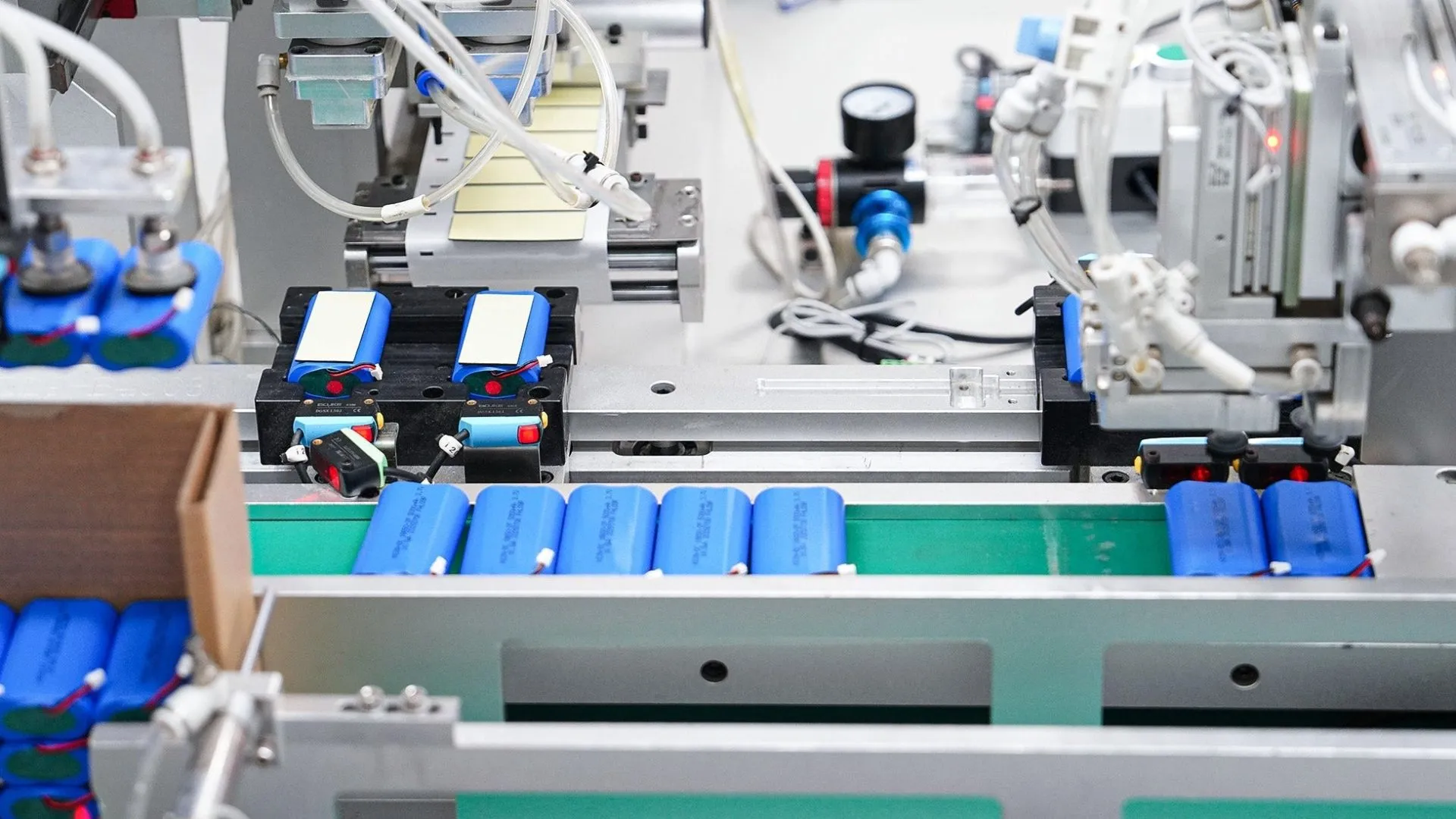
The core benefits extend well beyond simple cost reduction. Contract manufacturers bring scalability that allows production volumes to flex with market demand, eliminating the risk of overcapacity or bottlenecks during product launches. Their specialized teams maintain current knowledge of FDA regulations, ISO 13485 requirements, and international standards, ensuring compliance is built into every process rather than retrofitted after production begins. This expertise accelerates innovation cycles because engineers can focus on device design and clinical outcomes while manufacturing partners solve production challenges. Perhaps most critically, modern contract manufacturers integrate advanced technologies—including precision machining, specialized material processing, and additive manufacturing—into cohesive production systems. This integration means manufacturers gain access to capabilities like micro-molding of engineering plastics or metal 3D printing for complex geometries without investing in equipment or training, creating a foundation for truly transformative device production.
Precision Components and Engineering Plastics for Superior Devices
Every medical device ultimately depends on the reliability of its individual components. Whether it’s a surgical instrument requiring tolerances measured in microns or an implantable device that must perform flawlessly for decades inside the human body, precision components form the foundation of patient safety and clinical effectiveness. Manufacturers who prioritize component quality reduce failure rates, minimize recalls, and build lasting trust with healthcare providers. Alongside precision machining advances, engineering plastics have opened entirely new possibilities for device design—offering combinations of strength, biocompatibility, and weight reduction that traditional metals simply cannot match. Together, these elements enable manufacturers to create devices that perform better, last longer, and meet the stringent demands of modern healthcare environments.
Ensuring Reliability with High-Precision Parts
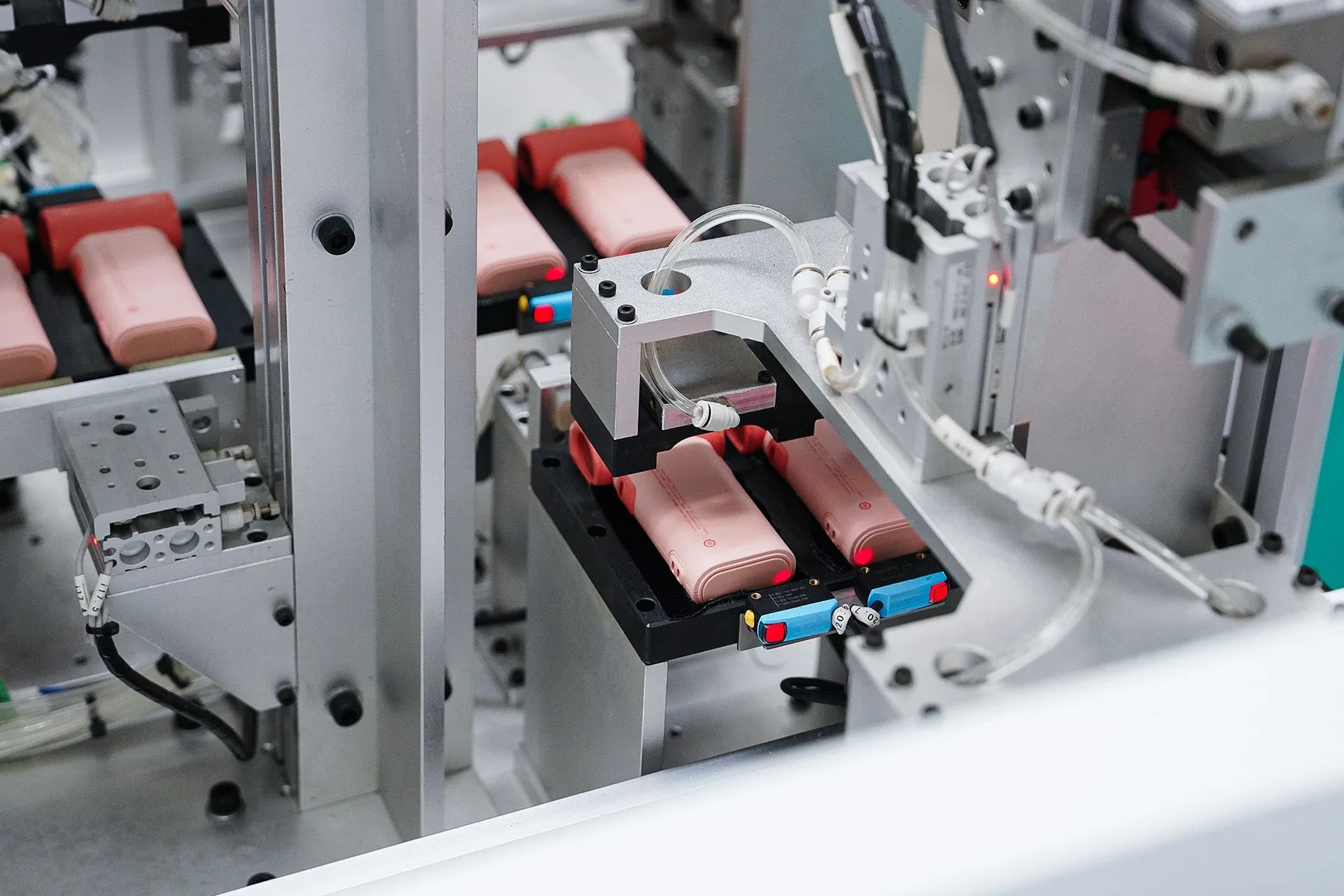
Achieving consistent precision in medical components requires a convergence of advanced CNC machining, electrical discharge machining, and laser cutting technologies operated within tightly controlled environments. Contract manufacturers specializing in medical devices maintain equipment calibrated to produce parts with tolerances as tight as ±0.001mm, which proves essential for components like valve assemblies, catheter tips, and orthopedic fixation hardware. Quality control extends beyond dimensional accuracy to encompass surface finish verification, material traceability, and functional testing under simulated physiological conditions. Statistical process control monitors production in real time, catching deviations before they propagate through a batch. These manufacturers maintain validated processes aligned with ISO 13485 and FDA 21 CFR Part 820, meaning every component carries documented evidence of compliance. For device companies, partnering with a contract manufacturer who has already invested in this infrastructure eliminates years of qualification work and capital expenditure while delivering components that meet or exceed internal production quality.
Advantages of Engineering Plastics in Medical Applications
Engineering plastics such as PEEK (polyether ether ketone), polycarbonate, PPSU (polyphenylsulfone), and ultra-high-molecular-weight polyethylene have transformed what’s possible in medical device design. PEEK stands out for spinal implants and trauma fixation because its elastic modulus closely mimics cortical bone, reducing stress shielding while offering radiolucency that allows clear post-operative imaging. Polycarbonate delivers optical clarity combined with impact resistance, making it ideal for surgical instrument housings, fluid management components, and diagnostic device enclosures that require repeated sterilization. PPSU withstands over a thousand autoclave cycles without degradation, serving reusable surgical trays and instrument handles reliably across their service life. These materials offer inherent chemical resistance to bodily fluids and common disinfectants, reducing the risk of material degradation during use. Contract manufacturers with expertise in engineering plastics understand the nuances of processing each material—from precise melt temperatures during injection molding to annealing protocols that relieve internal stresses—ensuring finished components deliver their full performance potential in clinical settings. Companies like WEILAN MFG, with deep experience in molding manufacturing, exemplify how specialized process knowledge translates into consistent, high-quality medical-grade plastic components.
Custom Solutions: Enabling Production Flexibility and Innovation
The medical device market rarely stands still. Regulatory landscapes shift, clinical needs evolve, and patient populations demand increasingly personalized treatments. Manufacturers who rely on rigid production systems find themselves unable to respond quickly enough—missing market windows or incurring prohibitive retooling costs when design changes arise. Custom solutions in contract manufacturing address this challenge by providing tailored production capabilities that adapt to specific device requirements rather than forcing designs into standardized manufacturing constraints. These solutions encompass everything from collaborative design-for-manufacturability support and rapid prototyping services to flexible production lines capable of switching between product variants with minimal downtime. When a cardiac device company needs a housing redesigned to accommodate a new sensor array, or an orthopedic manufacturer must scale from clinical trial quantities to full commercial production, custom solutions provide the infrastructure to execute these transitions smoothly. Contract manufacturers offering true customization invest in understanding each client’s clinical objectives, regulatory pathway, and commercial strategy—then engineer production workflows that serve those specific goals rather than applying generic approaches.
Tailoring Production for Agile Manufacturing
Agile manufacturing in the medical device space requires deliberate strategies that balance flexibility with the rigorous documentation and validation requirements unique to the industry. Modular production design represents one of the most effective approaches—contract manufacturers configure work cells that can be recombined for different product families, allowing rapid changeover without complete line revalidation. A modular injection molding cell, for instance, might use a common base platform with interchangeable mold inserts, enabling shifts between catheter connector variants within hours rather than weeks. Rapid iteration cycles compress development timelines by integrating prototyping directly into the production environment. Rather than treating prototype fabrication and volume manufacturing as separate activities, agile contract manufacturers use the same equipment and processes for both, ensuring that lessons learned during prototyping translate directly into production-ready parameters. This eliminates the costly “transfer gap” where designs that worked in a prototype shop fail during scale-up. Digital thread connectivity further enhances agility by linking design files, process parameters, and quality data across the entire production lifecycle. When a design revision occurs, updated specifications propagate automatically through programming, inspection routines, and documentation systems. Manufacturers implementing these strategies find they can introduce new device variants in half the time of traditional approaches while maintaining full traceability and regulatory compliance throughout every iteration.
Integrating 3D Printing into Your Manufacturing Strategy
Additive manufacturing has moved beyond its reputation as a prototyping novelty to become a legitimate production technology for medical devices. In contract manufacturing environments, 3D printing serves multiple strategic functions that complement traditional machining and molding processes. Rapid prototyping remains a primary application—engineers can produce functional test parts in biocompatible materials within days rather than waiting weeks for tooling, enabling faster design validation and accelerated regulatory submissions with physical evidence of device performance. Beyond prototyping, 3D printing excels at producing patient-specific implants such as cranial plates, spinal cages, and acetabular cups with porous lattice structures that promote osseointegration in ways solid manufactured parts cannot achieve. These complex geometries—internal channels, variable density regions, and organic shapes optimized through computational design—are simply impossible to produce through subtractive methods. For small-batch and bridge production, additive manufacturing eliminates tooling costs entirely, making low-volume specialty devices economically viable. Metal printing in titanium and cobalt-chrome alloys delivers implant-grade components, while polymer systems handle surgical guides, drill templates, and instrument prototypes. Contract manufacturers integrating 3D printing alongside conventional processes offer their clients a complete production ecosystem where each technology is deployed where it delivers the greatest advantage—additive for complexity and customization, traditional methods for high-volume precision parts—creating manufacturing strategies that are both technically superior and commercially sound.
How to Implement Custom Solutions: A Practical Framework
Transitioning from traditional production methods to a custom-driven contract manufacturing model requires a structured approach that minimizes risk while maximizing the benefits of precision components, engineering plastics, and additive manufacturing. The following framework provides manufacturers with a clear pathway from initial assessment through full-scale production, ensuring each phase builds upon the last to create a cohesive and validated manufacturing system.
Step 1: Assessing Your Production Needs and Goals
Begin by conducting an honest evaluation of your current manufacturing capabilities and their limitations. Identify where quality issues, capacity constraints, or technology gaps are impacting your ability to compete. Map each product line against its specific requirements—which devices demand micro-precision machining, which benefit from lightweight engineering plastics, and which geometries could only be achieved through additive methods. Define measurable objectives: target cycle time reductions, quality improvement metrics, volume flexibility ranges, and regulatory milestones. This assessment should also account for your five-year product roadmap, ensuring the manufacturing partnership you establish can support future device generations, not just current production needs.
Step 2: Selecting the Right Contract Manufacturing Partner
Evaluate potential partners against criteria that extend beyond basic capability checklists. Confirm ISO 13485 certification and FDA registration, then dig deeper into their experience with your specific device category and regulatory pathway. Assess their material expertise—a partner claiming proficiency in engineering plastics should demonstrate validated processes for PEEK, polycarbonate, and PPSU with documented mechanical property data from production runs. Review their 3D printing capabilities for material range, build volume, and post-processing validation. Examine their quality systems through audit, paying attention to CAPA effectiveness, supplier management rigor, and how they handle design changes within validated processes. Cultural alignment matters equally: the best technical partner delivers poor results if communication styles and project management approaches clash.
Step 3: Collaborative Development and Implementation
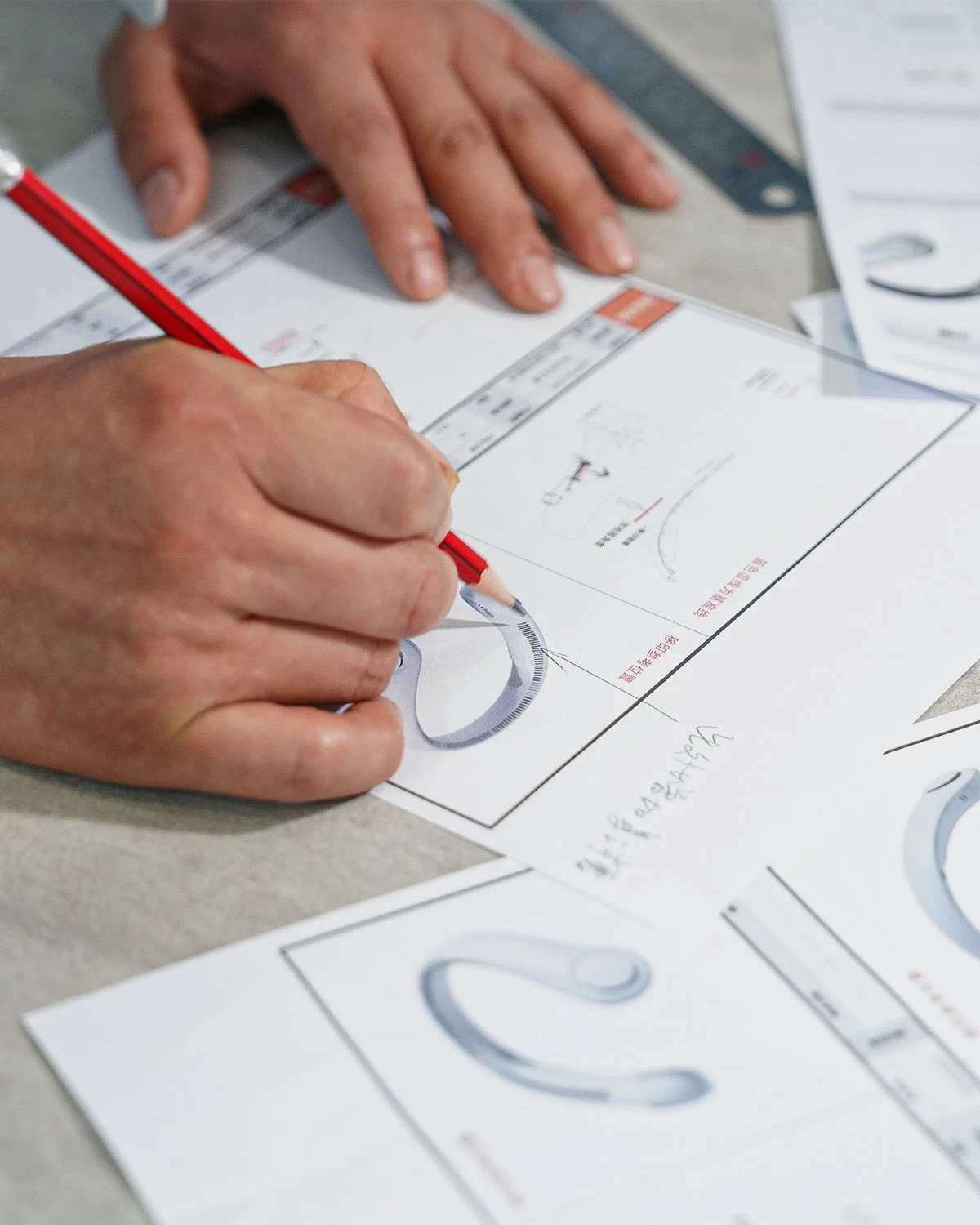
Once a partner is selected, establish a joint development team that integrates your design engineers with their manufacturing specialists from the earliest stages. Begin with design-for-manufacturability reviews that identify opportunities to optimize geometries for chosen production methods—whether that means adjusting wall thicknesses for injection molding, adding draft angles, or redesigning assemblies to leverage 3D-printed consolidation. Move into rapid prototyping using production-intent materials and processes, validating form, fit, and function before committing to tooling investments. Implement iterative feedback loops where prototype testing results directly inform process parameter adjustments. As designs mature, scale through pilot production runs that serve as process validation activities, generating the statistical evidence required for regulatory submissions. Throughout implementation, maintain a shared digital platform where design revisions, test results, and quality records remain accessible to both teams in real time, ensuring alignment and traceability from first concept through commercial launch.
Building a Competitive Edge Through Strategic Manufacturing Partnerships
Medical device contract manufacturing represents far more than a cost-saving measure—it is a strategic lever that fundamentally transforms how organizations develop, produce, and deliver devices to market. Through precision components manufactured to micron-level tolerances, manufacturers ensure the reliability and safety that patients and clinicians depend upon. Engineering plastics like PEEK, polycarbonate, and PPSU unlock design possibilities that surpass traditional materials in biocompatibility, durability, and functional performance. Custom solutions provide the agility to respond to evolving clinical needs and regulatory shifts without the constraints of rigid production infrastructure. And 3D printing bridges the gap between design ambition and manufacturing reality, enabling complex geometries, patient-specific devices, and rapid iteration cycles that compress development timelines dramatically. Together, these capabilities create a manufacturing ecosystem where innovation thrives and quality remains uncompromised. Manufacturers who embrace this integrated approach position themselves to respond faster, produce smarter, and compete more effectively in a healthcare landscape that rewards both precision and adaptability. The opportunity to transform your production is available now—begin by assessing your current capabilities, identifying the right contract manufacturing partner, and building a collaborative pathway toward devices that set new standards for clinical excellence.
Like our Facebook Page here at NasiLemakTech.com for more news and in-depth reviews! Also, join our Facebook Group for insightful information and memes!
Subscribe to our YouTube channel too!