






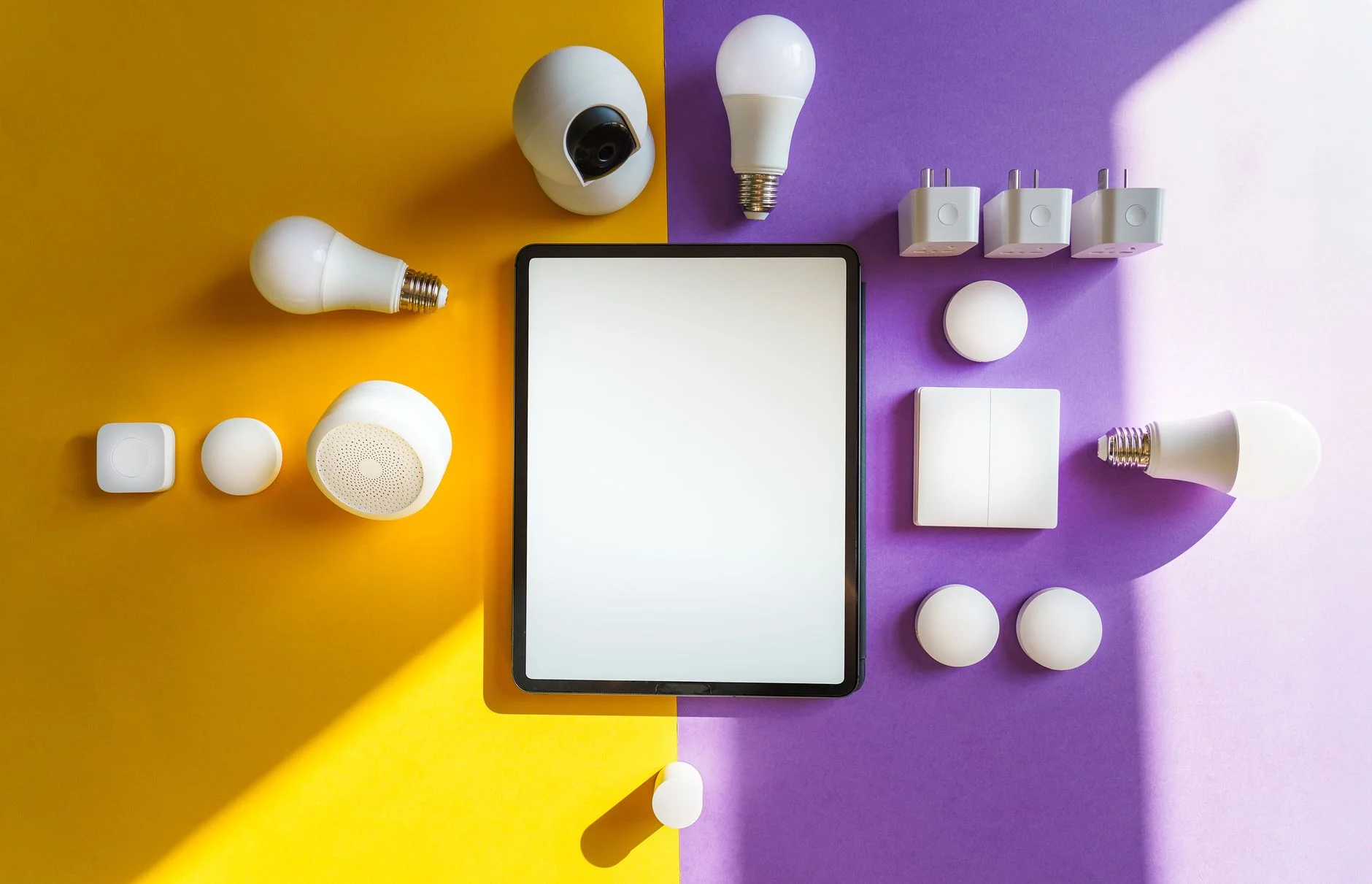

A single gadget on the nightstand used to define sleep tech — a tracker here, a white noise machine there, each device working alone.
Then CES 2026 changed the picture. Samsung introduced Care Companion, where wearables talk directly to air conditioners and purifiers without human input. LG revealed Bird.zzz, merging EEG earbuds with a charging lamp on the bedside table. Google continues improving Nest Hub’s radar-based sleep tracking.
The bedroom no longer collects random devices. It now hosts quiet, coordinated systems that do their job without asking for attention.
How a Connected Bedroom Actually Works
Data flows from wearable devices into the smart home ecosystem, and the home responds automatically. Galaxy Watch or Galaxy Ring detects sleep stages. The Bespoke AI air conditioner adjusts temperature without being asked. The Infinite AI purifier changes airflow. No apps to open, no schedules to set. The system learns patterns over time and anticipates needs before the user even wakes up.
3 Ecosystems Leading the Charge
Not every smart sleep system follows the same blueprint. Some rely on wearable sensors that track physiology directly. Others use radar technology that never touches the body. A few combine both approaches with charging cradles and ambient lighting.
Samsung Care Companion
This concept launched as a complete vision at CES 2026. The framework ties health tracking to home automation under one AI umbrella. A user falls asleep wearing Galaxy Ring. The house responds by cooling the room during deep sleep phases and warming it before morning. Samsung calls this shift from reactive to proactive care “Intelligent Care”.
LG Bird.zzz
Developed with Jiyoun Kim Studio, this system pairs wireless earbuds with a dome-shaped bedside cradle. The earbuds contain EEG sensors to track brain activity during sleep. The cradle works as a lamp using LG’s knock-on technology — one tap turns a warm indirect light on or off. S-shaped ear tips maintain skin contact for accurate readings without the pressure that makes most in-ear devices unbearable for long periods.
Google Nest Hub (2nd Gen)
Soli radar technology powers this device’s sleep tracking without any cameras. The sensor detects breathing and movement during sleep while capturing no visual images. Sleep Sensing provides detailed insights into patterns and offers practical suggestions for improvement. The feature requires a subscription after the first year.
The Casino Connection — Personalisation Done Right
Modern online casinos have mastered something that sleep tech is still learning: smooth personalisation. A platform like online casino in australia does not make users search endlessly for what they want. Everything is placed where it feels natural. Casino online operators analyse player behaviour to recommend games, adjust interfaces, and time bonus offers based on each user’s history.
Top online casino game libraries adapt to player preferences over time. The casino learns which slots a user plays most often and instantly suggests similar titles. An Australian online casino for Australian players can also tailor payment methods, customer support hours, and promotional offers to local habits. Nothing requires extra effort or deep technical knowledge.
Online casinos figured this out years ago — keep the interface clean, the recommendations relevant, and the friction low.
Privacy Questions No One Has Answered Yet
All this data collection raises uncomfortable questions. Who owns the brainwave patterns recorded by Bird.zzz earbuds? Where do Samsung’s sleep metrics go after the air conditioner adjusts itself? Can Google use Nest Hub’s Soli radar data for advertising?
Current terms of service offer vague answers at best:
- Samsung says Care Companion anticipates needs, but does not specify how long sleep data is stored or who else might access it.
- LG positions Bird.zzz as a calm bedroom companion. Yet the EEG data collected could reveal far more than simple sleep stages — including neurological conditions that users may not want shared.
- Google at least offers a subscription model for Sleep Sensing, which suggests the company treats the data as a premium feature rather than free advertising fuel. But the broader industry lacks clear standards.
A user today has no way to know if their snoring patterns or deep sleep duration are being packaged and sold.
The bedroom was once the most private room in the house. Smart technology has turned it into another data source. Until regulations catch up or companies commit to radical transparency, anyone filling their nightstand with connected sleep gadgets should read the fine print very carefully.
Like our Facebook Page here at NasiLemakTech.com for more news and in-depth reviews! Also, join our Facebook Group for insightful information and memes!
Subscribe to our YouTube channel too!