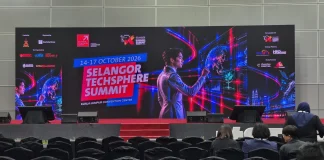










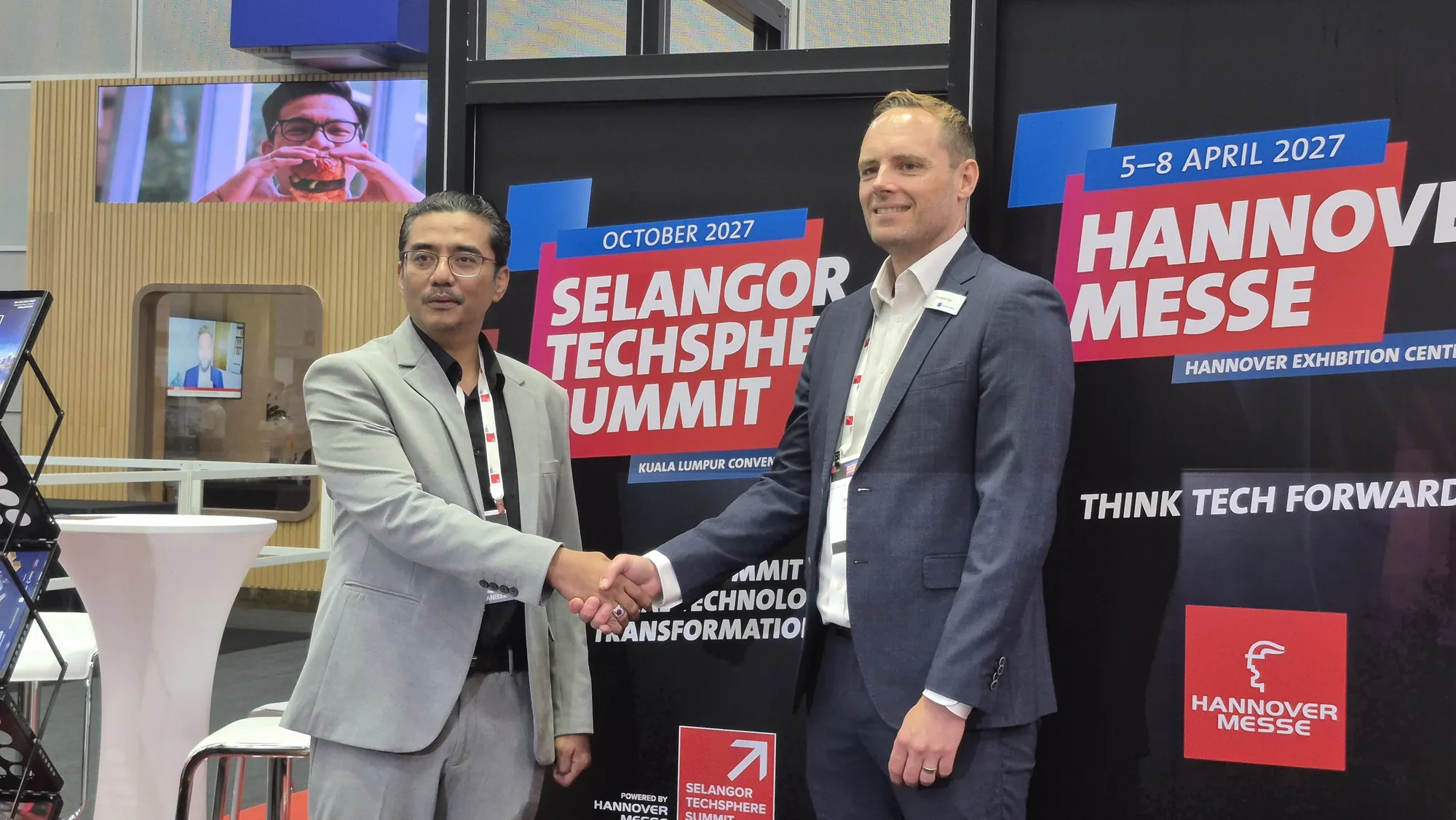

The Selangor Techsphere Summit (STS) 2026 is officially live, where government, international guests, and local technical talents all come together for the next phase of transformation with AI, green tech, and more.
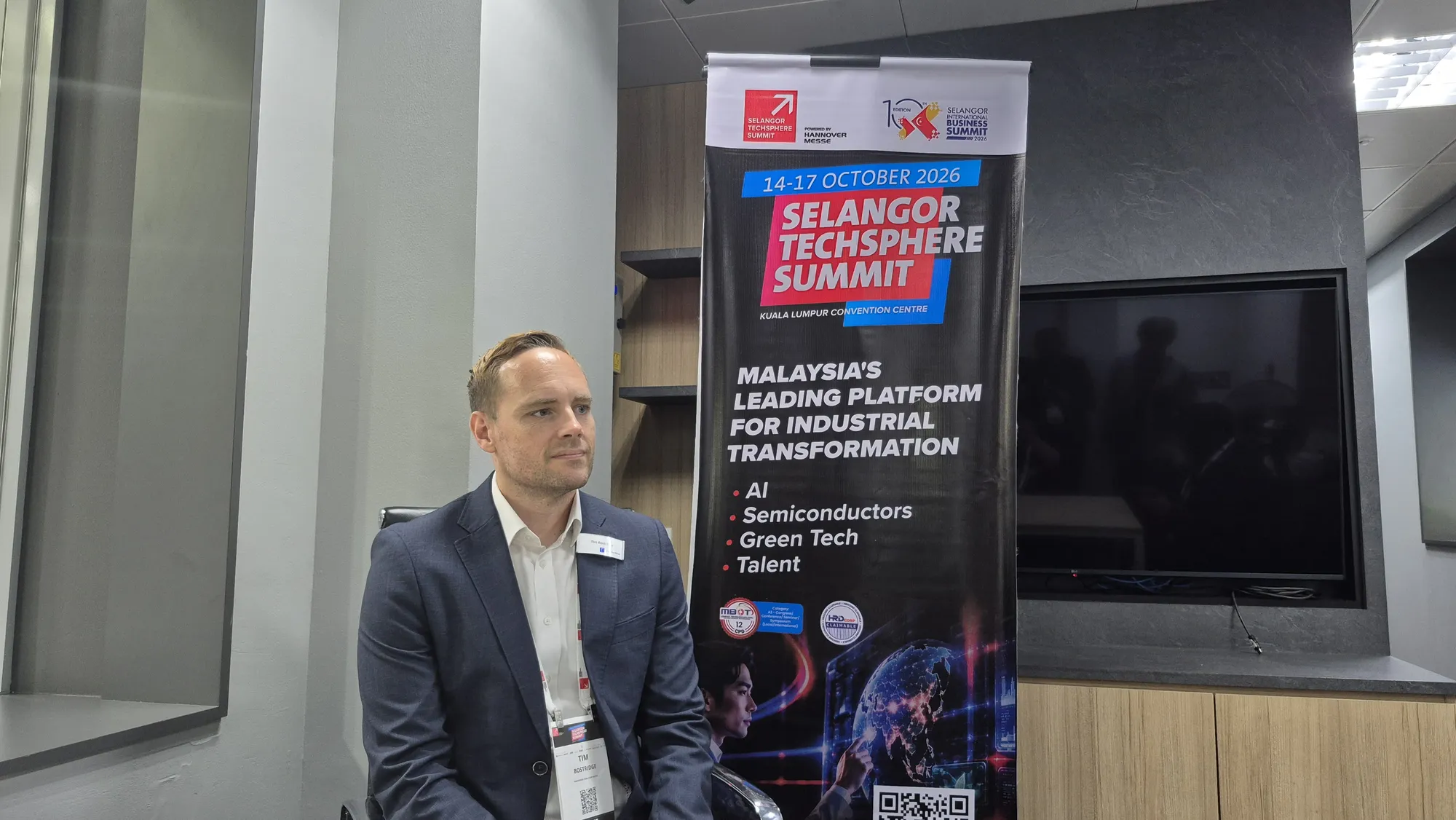
In this special coverage, we had a chance to talk with Tim Bostridge, Managing Director of Hannover Fairs Asia Pacific, who expressed his ideas and opinions regarding the event from his perspective and on behalf of the organization:
Q: What are the highlights that distinguish this year’s event from previous editions?
A: This year, we’re delighted to be part of the wider Selangor International Business Summit for the first time. The programme has also expanded to four days, compared with two days last year. Each day now focuses on a specific theme, including industrial AI, green technology and human capital. We’re really deep-diving into core topics that are important to the future growth of industry in Malaysia and Selangor.
Q: How has the collaboration with STDCx progressed compared with the previous edition?
A: It’s a fantastic partnership and a great collaboration. We work very closely with the team to create the programme, curate the display area and bring the event to life. It’s really two different partners working as one team to realise the event, and the collaboration has been very strong.
Q: For those who may not be familiar with Deutsche Messe, how has the company grown as an international event organiser, particularly in bringing global exhibitions to local markets
A: Deutsche Messe is a global event organiser, and we run a number of events around the world. I guess the biggest brand that we have is Hannover Messe, the major industrial trade fair that takes place every year in Hannover. We run events in strategic locations where industry is really being transformed. At the moment, I think Malaysia and Selangor are key components of that change.
It’s really about taking the themes and topics coming from a leading trade fair like Hannover Messe in Germany, bringing them here and looking at them in a local context. We want to understand how these developments apply to local businesses and what local businesses can do to improve their productivity.
Q: Since this expo is currently held in Selangor, do you see potential for similar themed expos to be brought to other states in Malaysia, such as Penang or Johor?
A: We certainly welcome people from those states to Selangor for this event. We also run another programme in Singapore, which is obviously very close to Johor. I don’t necessarily see this event moving around. I think we’re very focused here in Kuala Lumpur and Selangor. However, there are a lot of other programmes that are relevant to other states, and we want companies from other regions to be here as well.
We try to make it as all-encompassing as possible, both nationally, regionally and internationally. But I think this particular event will remain here in Selangor for the foreseeable future.
Q: What are international investors looking for when choosing where to invest in technology, and what areas still need improvement?
A: I don’t want to comment on specific areas where particular markets need to work on things. I think all countries around the world are currently looking at ways they can improve their policy settings and infrastructure to welcome businesses and investment into their regions.
The world is changing in many ways that we haven’t seen in the past decade. I think Malaysia is on a great path in terms of being a viable and interesting destination for a number of international businesses, while also doing a great job of growing its own domestic businesses.
Malaysia needs to continue on that path because domestic capability, as well as having a good standing internationally, is going to be critical going forward.
Q: How do you see AI expanding or disrupting the semiconductor industry compared with previous editions of the event? How do you see the industry developing?
A: It’s a huge growth industry, obviously, around the world, but also here in Malaysia. I think AI is going to play a central role in all processes moving forward, whether it’s fairly basic automation or genuine artificial intelligence, which is where everything is moving towards.
The scale and economies of scale that will be needed are significant. We don’t necessarily have the human capital to achieve all of that, and I think technology gives us the opportunity to get where we need to go faster. So I think AI will absolutely play a big role going forward.
Q: In recent years, we’ve seen the rising cost of DRAM and other memory components. What are your thoughts on the increasing cost of electronic components driven by AI growth, and how can businesses deal with these rising costs?
A: Again, I don’t want to comment too deeply on each individual industry issue, but inflation and rising costs, particularly in that area, are going to be a real challenge. Demand is only going to increase. I think those companies are obviously working on improving their supply and increasing their supply chains to manage those impacts.
However, the impact is very real across every type of electronic device, and prices are being pushed upwards as a result.
The market has a way of finding the balance between supply and demand. As costs go up, perhaps we have to slow down a little bit, or companies may find new ways to create the technology they need to move forward.
It’s hard to say exactly what the specifics will be, but it’s definitely going to be a factor.
Q: What do you think could be the next big thing – something that people initially didn’t think they needed or wanted, but eventually became essential, similar to how the iPhone changed the market? We saw a similar impact with the launch of ChatGPT. What products or services do you think could emerge in the near future?
A: That’s a big question. From the context of Hannover Messe, some of the newer areas it is focusing on are not necessarily completely new areas, but green technology and creating the energy we need to power this future are becoming increasingly important. We’re also looking at data centre infrastructure and creating the capacity we’re going to need to power this future.
Another new area that we’re starting to focus on in 2027 is space technology and the technology that will be used in that industry in the future. I think that’s a very interesting area where we perhaps don’t fully understand the potential just yet. Products will be emerging over the next few years that I think we’re not even imagining at the moment.
Q: When it comes to lower-power AI chips that are designed to process very specific types of data, how would you categorise these technologies for the next edition of the event? Would they fall under AI or another technology category?
A: It’s really up to the businesses themselves to present how they have developed their products. I’m not a technical person, so I don’t want to speak too much about things where I’m not an authority. Certainly, anyone within the exhibition focusing on those areas will be showcasing those technologies and can have people talk you through them in much more detail than I’ll be able to.
Like our Facebook Page here at NasiLemakTech.com for more news and in-depth reviews! Also, join our Facebook Group for insightful information and memes!
Subscribe to our YouTube channel too!