















Another day, another smartphone review. Today we take a look at the Xiaomi Redmi 6 – the “elder” version of the Redmi 6A that we reviewed here. In many ways, the Redmi 6 is identical to the 6A – so let’s take a look at both of them here.
Thanks to Xiaomi Malaysia for provisioning us a unit of the Redmi 6.
Unboxing
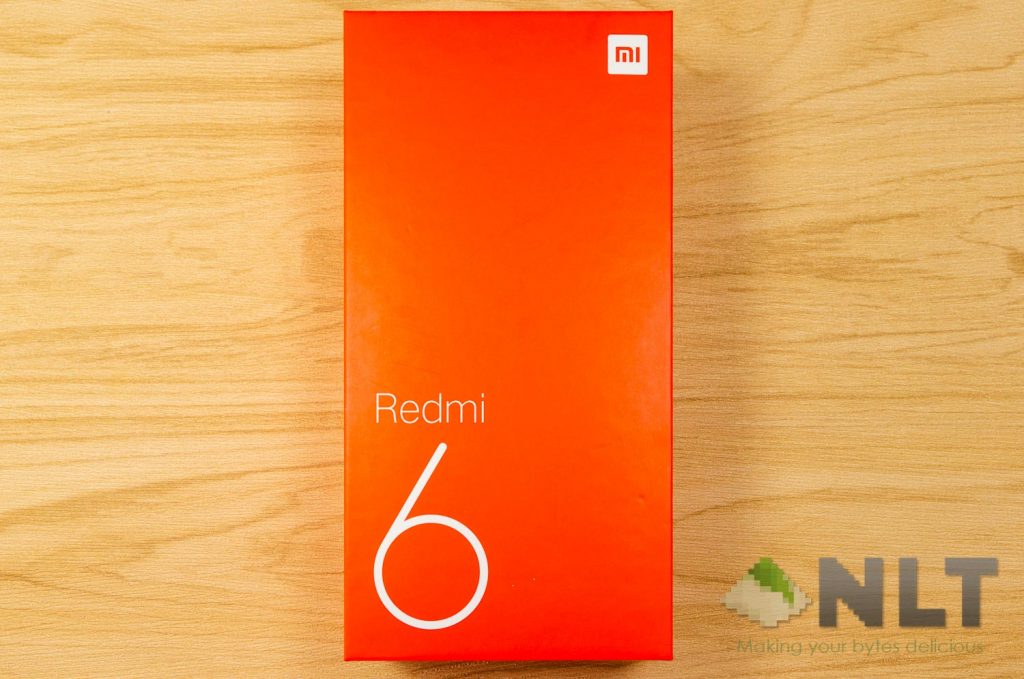
The packaging design is the same for both the Redmi 6 and 6A. Same red box at the front with the big “Redmi 6” branding printed at the bottom left corner.
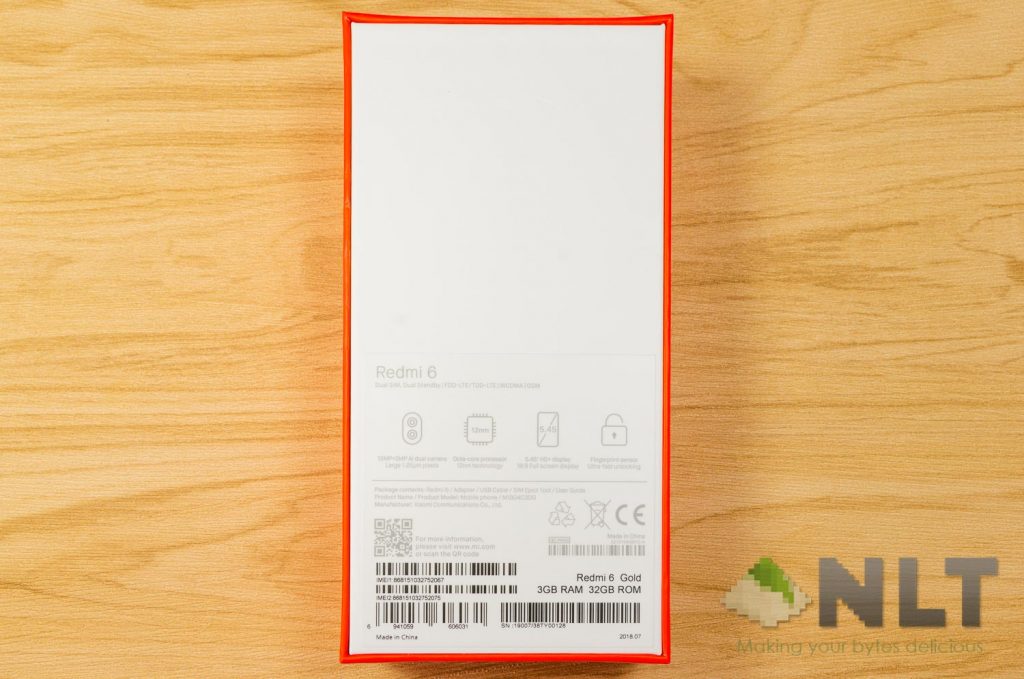
At the back, it once again has a list of specs. Nothing particularly crazy or out of the ordinary.
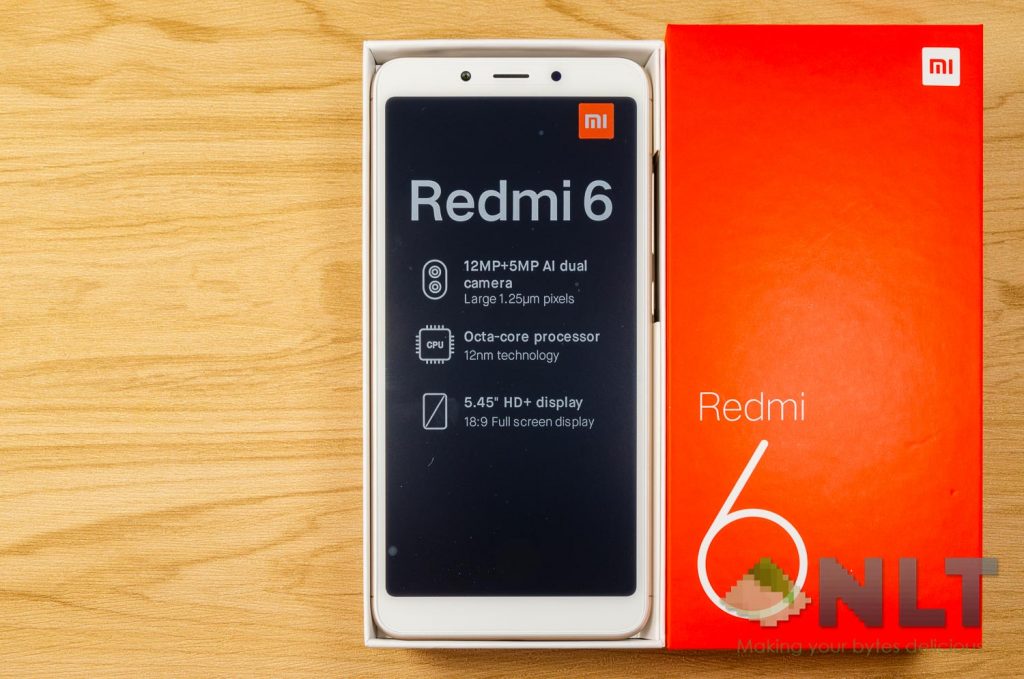
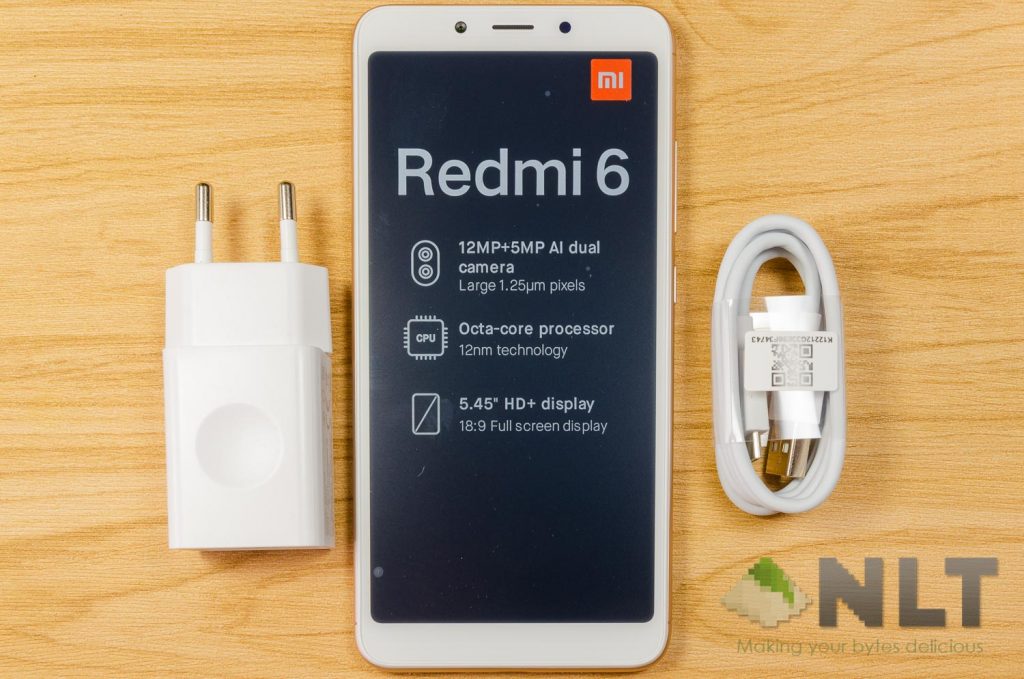
Opening up the box reveals the same packaging style again – and the cardboard cutouts to hold the accessories in place are nearly identical. The one big difference here is the charger itself. We’ll talk more about it later.
Design
The Redmi 6 has the same design as the Redmi 6A – sleek body that we’ve come to expect from an everyday phone.
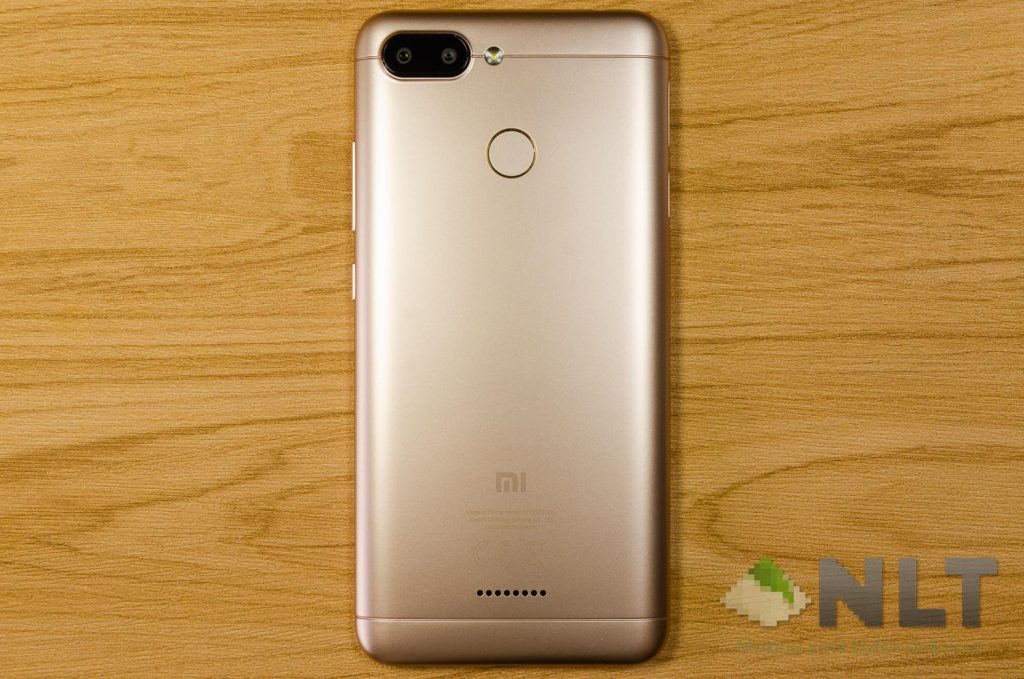
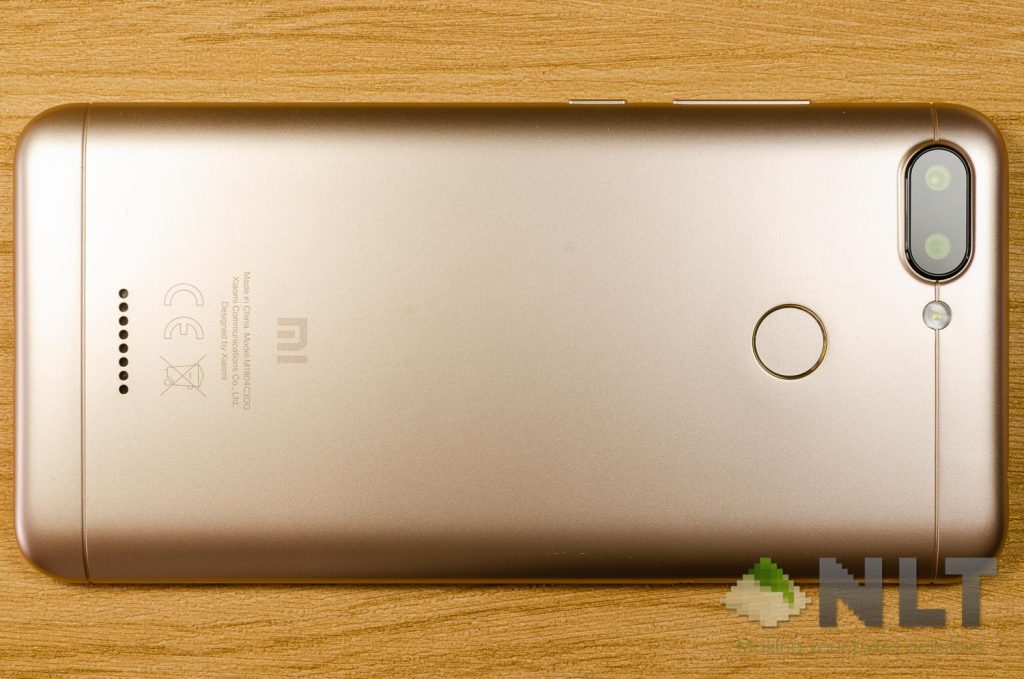
The one we have here is again in gold color – and putting it side by side with the Redmi 6A, we can see a few functional aesthetic difference which we will get into later.
Connectivity and ports
The Redmi 6 and the Redmi 6A is once again pretty identical with its ports. At the left side is where we can find the dedicated Nano SIM 1 + microSD card slot and another tray with a Nano SIM 2 slot.
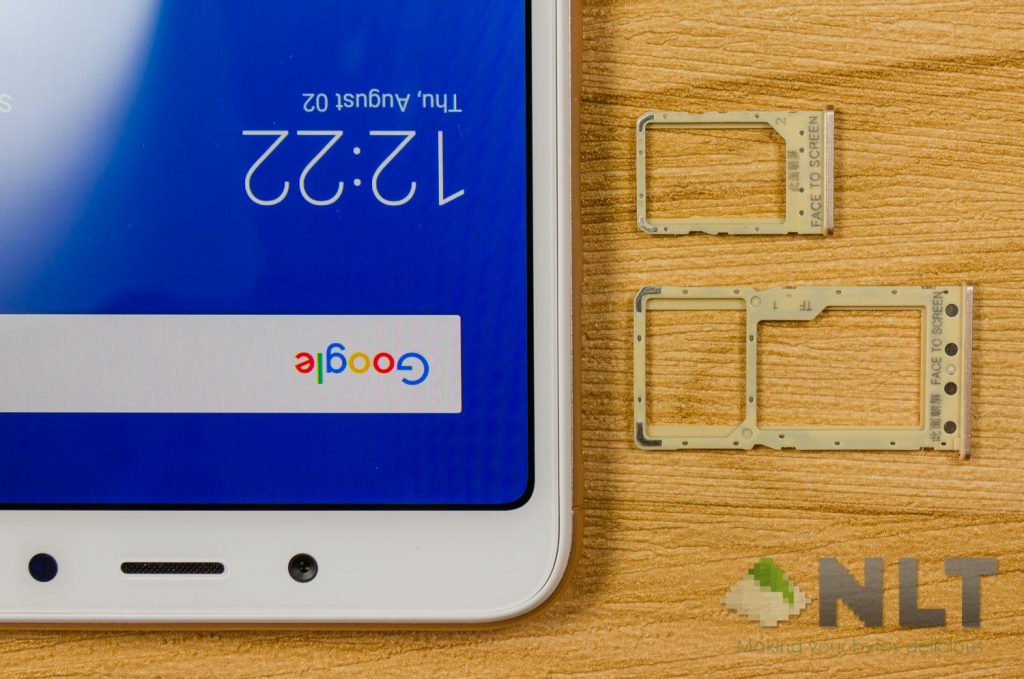
The connectivity is the same as well – 802.11n WiFi at 2.4GHz is the best standard the Redmi 6 is compatible with. It doesn’t have NFC or wireless charging.
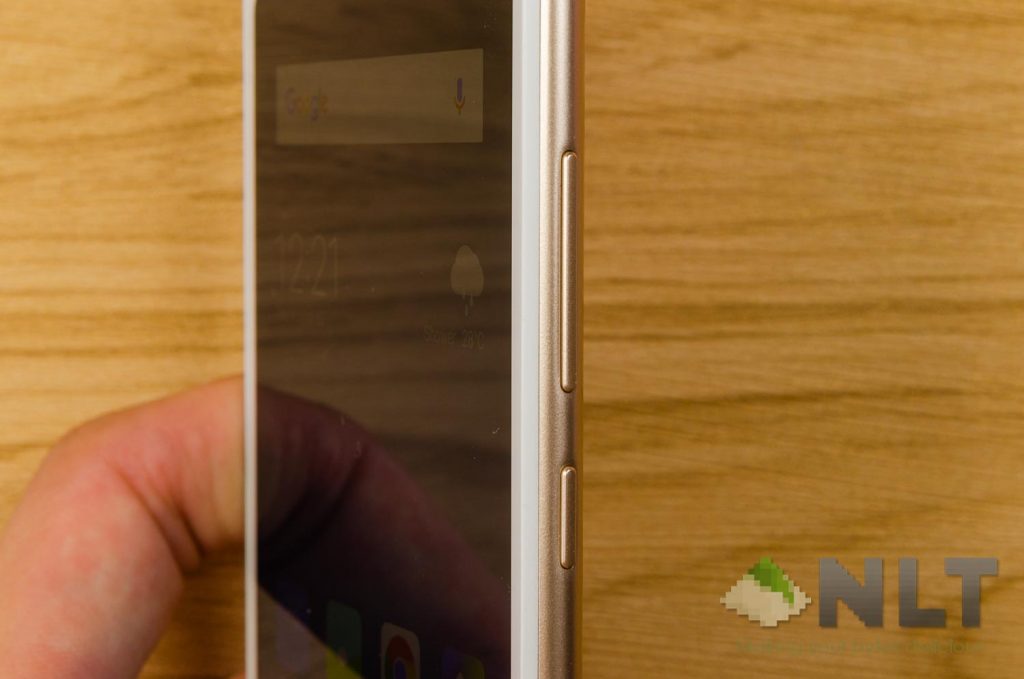
Like the Redmi 6A, the buttons are on the right side as well.

Even the micro USB port and the 3.5mm audio jack placements are the same.
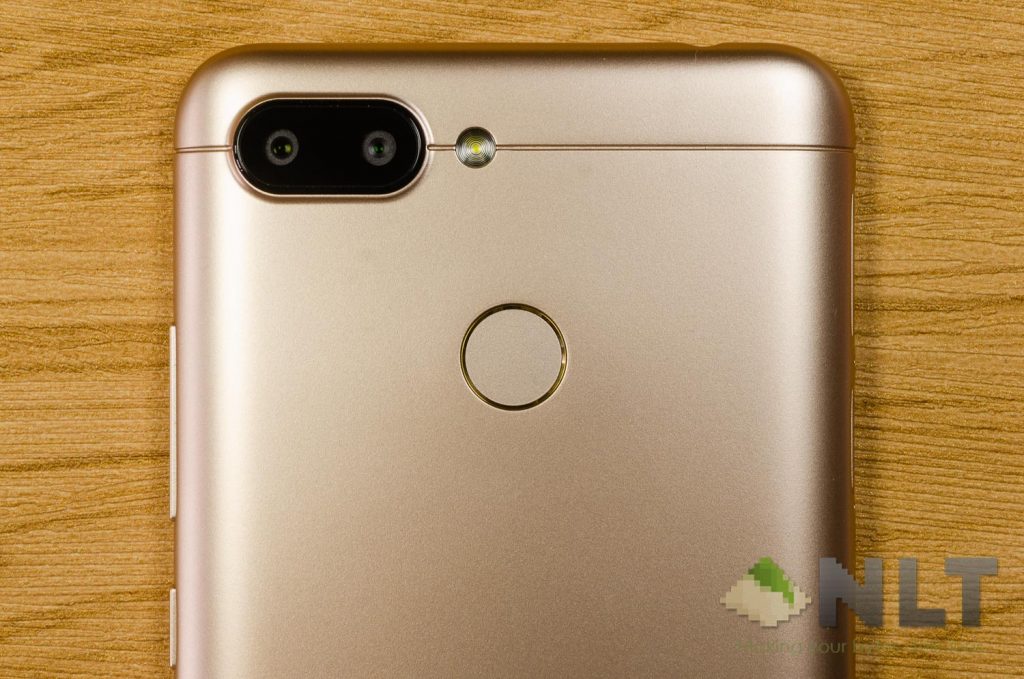
The first big aesthetic difference is the fingerprint scanner at the back. Yes – the Redmi 6 does come with a fingerprint scanner at the back. With many users relying on fingerprint to speedily unlock their phones, the inclusion of a fingerprint scanner is great here.
Display
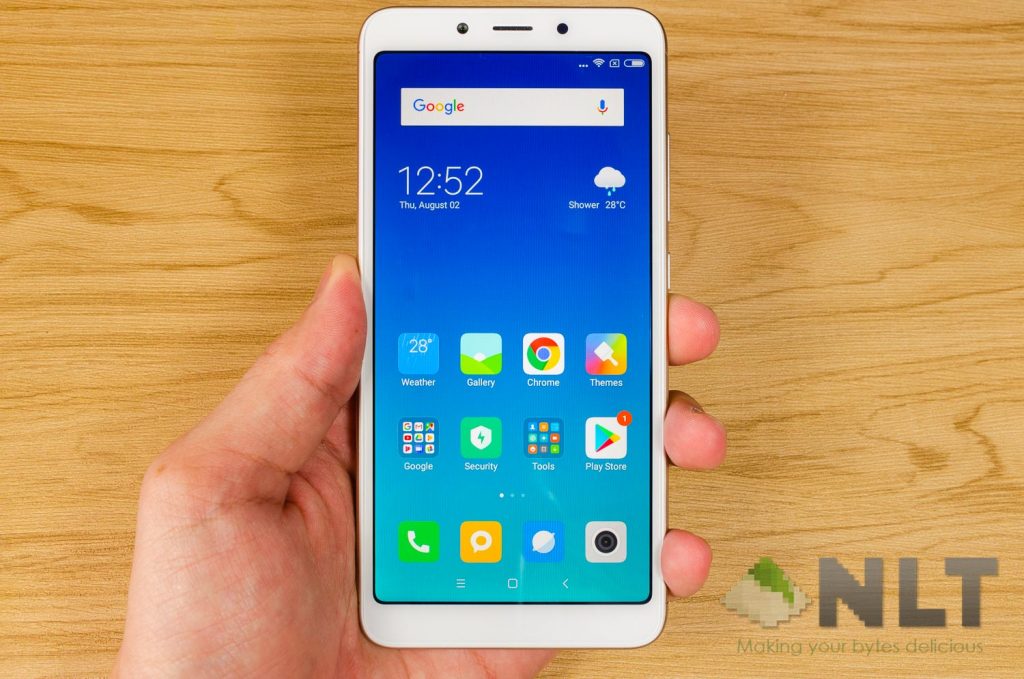
Once again Xiaomi opted for the same display on the Redmi 6. It sports a 5.45-inch IPS LCD display with 18:9 aspect ratio and a resolution of 1440×720 pixels. Not the crispest screen out there in the market, but it’ll do. It does have pretty good colors and contrast, by the way.
Camera
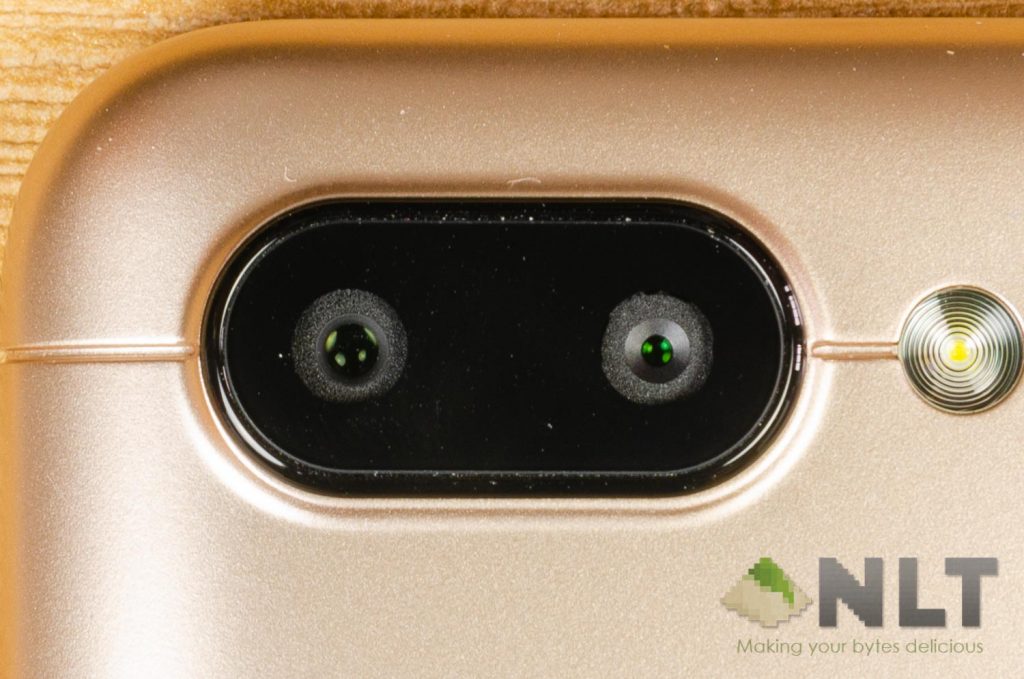
Here’s the second major difference between the Redmi 6 and Redmi 6A. The Redmi 6 comes with a dual rear-facing camera whereby the second camera functions as a depth sensor. Here’s the specs list for the cameras of the Redmi 6.
- Dual rear-facing cameras
- 12MP f/2.2 with PDAF
- 5MP f/2.2 depth sensor
- Selfie camera
- 5MP f/2.2
Without further ado, let’s take a look at some of the pictures I’ve taken with the Redmi 6. The full gallery of pictures can be browsed over at our Flickr album here.
Rear-facing cameras
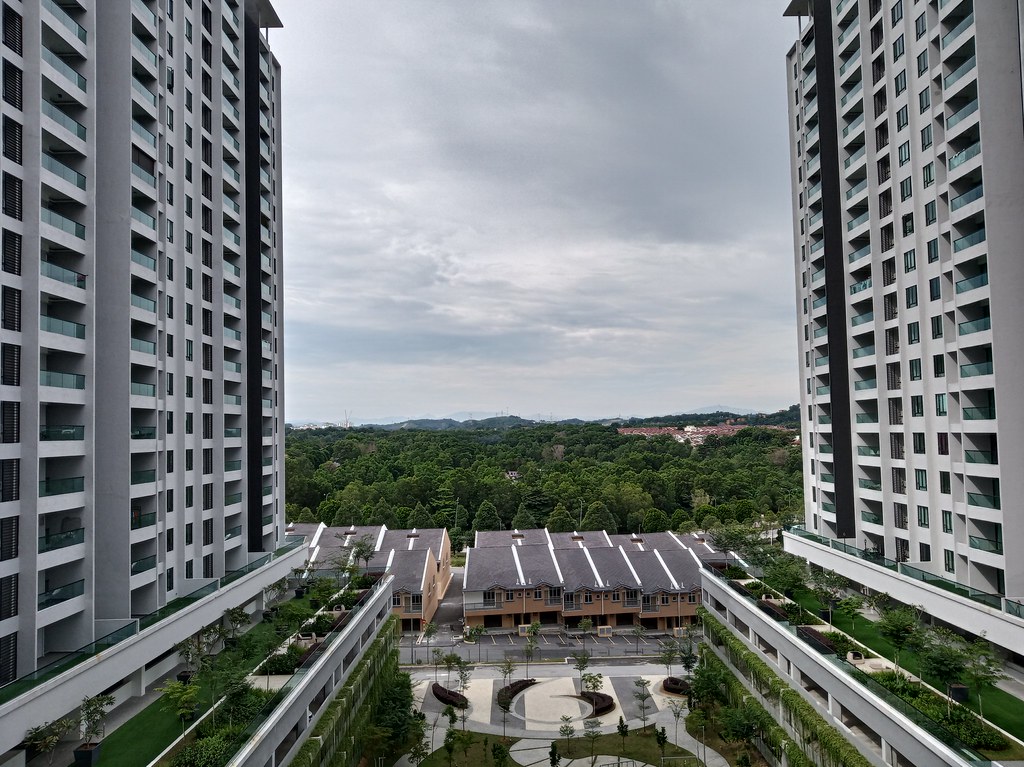
This time around, the Redmi 6 does focus a little faster with the assistance of the depth sensor. In terms of image quality, daylight shots look great – and the HDR mode is somewhat better. The colors are as good as the Redmi 6A here.
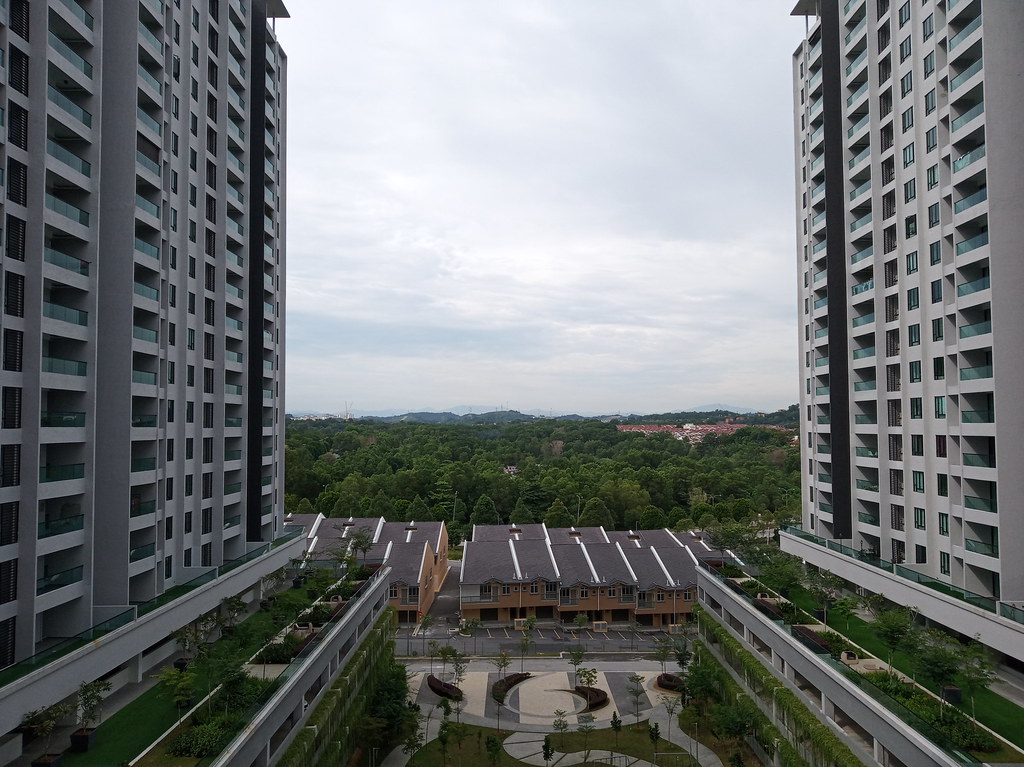
HDR in broad daylight looks great as well – just that the patch of sky looks awfully unnaturally dark and gives an overall gloomy look.
White balance is also a little better as the patch of grass is green even at first shot.

When it comes to night shots, once again don’t expect anything fantastic here. It’s barely usable for social media with the insane amount of noise. Turning on HDR for night shots made things even worse, actually.

And let’s not forget – the 5MP depth sensor enables faster and more accurate bokeh shots – which is true.

Selfie camera
Despite having the same selfie camera as the Redmi 6A, for some reason the selfie image picture on the Redmi 6 looks better.

Camera UI
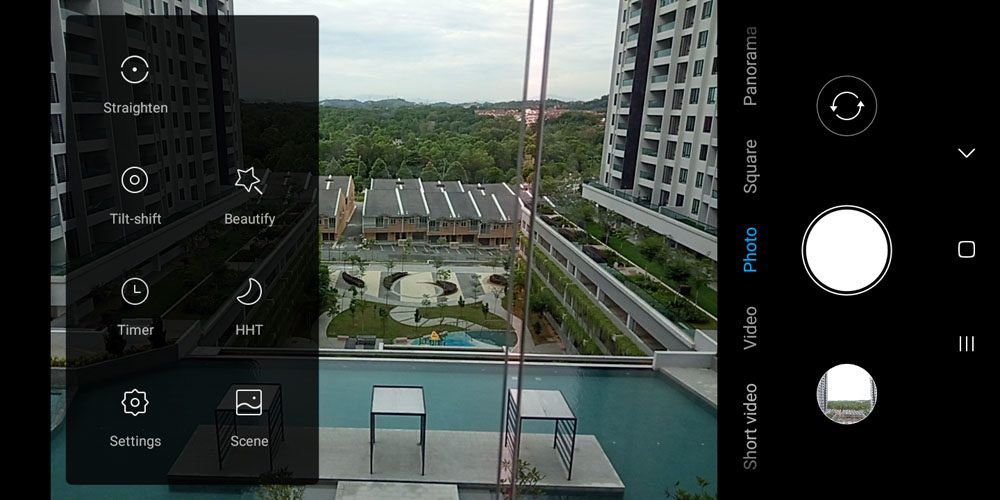
Still using the same UI as the Redmi 6A and the Mi A2 that we reviewed here. It’s an okay UI but does still need some fix to make it easier to navigate.
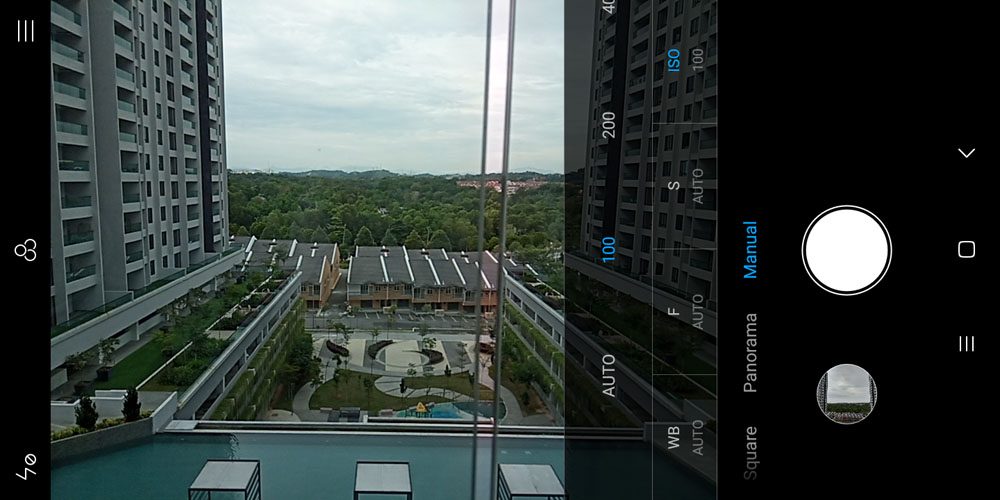
Comes with manual mode as well as the “straighten” mode that I came to love.
Software
Using Android 8.1.0 with MIUI 9.6.4.0 on top, it is also similar to the Redmi 6A. A few additions to the software here is the fingerprint scanner as an unlock option – obviously.
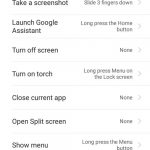
Unfortunately, there is no fingerprint gesture here. Quite a bummer since I’m already used to swiping the fingerprint scanner to show and hide notifications.
Check out our review of the Redmi 6A here for the software part. They’re pretty much identical.
Performance
In contrast with the Redmi 6A, the Redmi 6 has slightly better specs overall.
- 5.45-inch IPS LCD display with 18:9 aspect ratio and 1440×720 pixels
- MediaTek Helio P22 chipset fabricated with 12nm process technology (learn more here)
- Octa-core processor with 4x Cortex-A53 @ 2.0GHz
- PowerVR GE8320 graphics
- 3GB RAM
- 32GB storage
- 3,000mAh battery
- Android 8.1.0 with MIUI 9.6.4.0
Obviously, the Redmi 6 is more powerful than the Redmi 6A – but by how much? Take a look at these benchmarks.
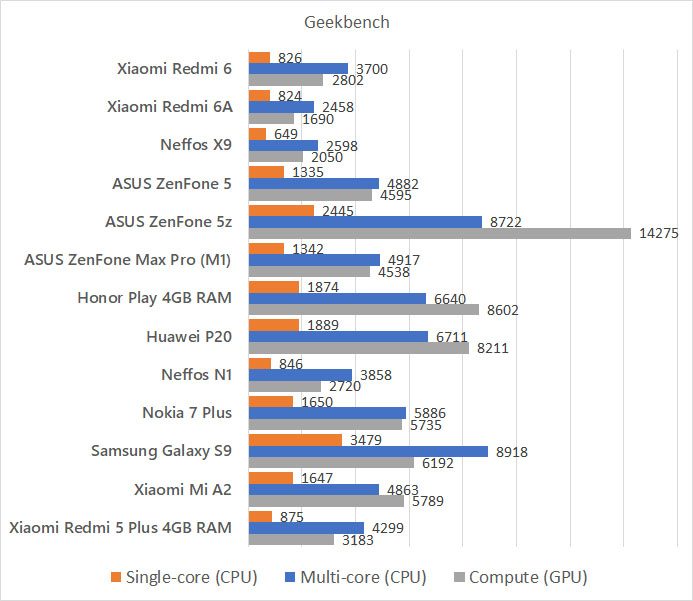
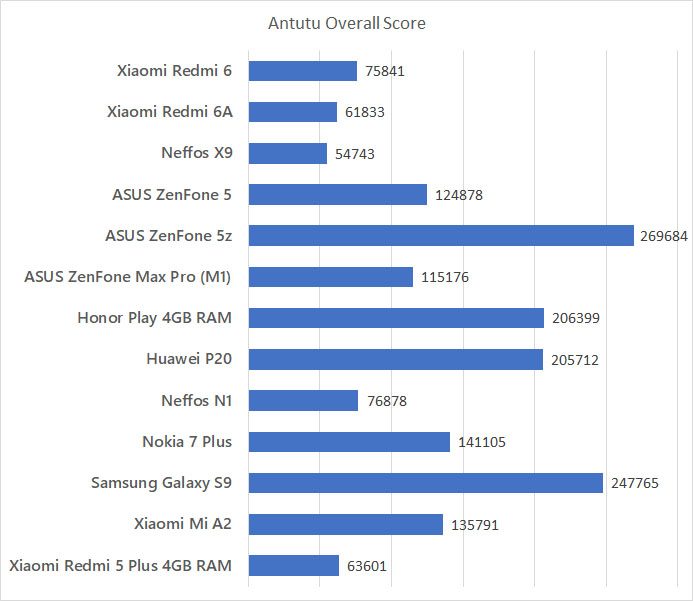
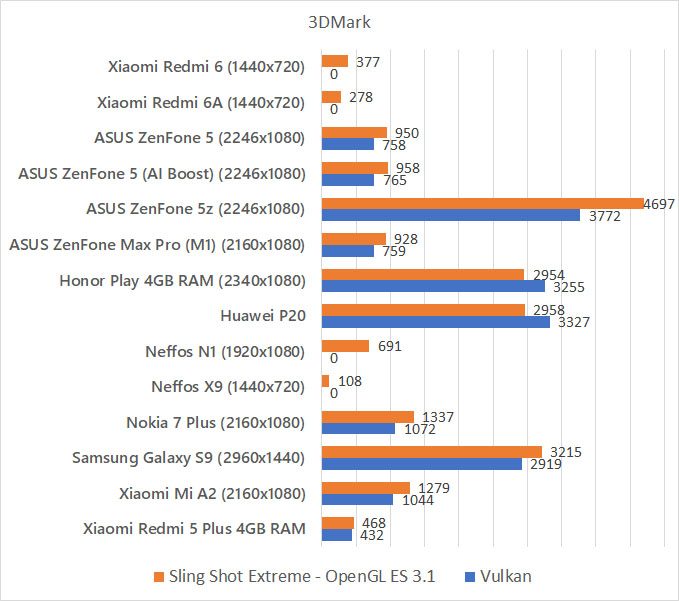
But does the difference in performance really matter? In everyday usage, yes – the Redmi 6 is a lot smoother and snappier than the Redmi 6A.
Battery and charger
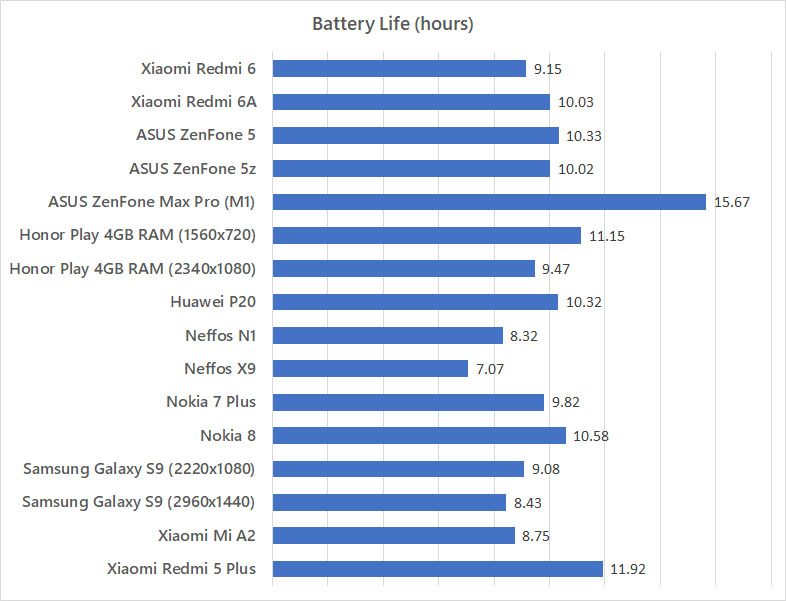
Despite being more powerful than the Redmi 6A, the Redmi 6 still has the same 3,000mAh battery. One would expect Xiaomi to bump up the battery a little – but I guess Xiaomi wants to cut cost down and just use the same battery.
How much of an impact does the hardware upgrade cost in terms of battery? Quite a lot. The battery life shortened by nearly an hour in our test.
Charger
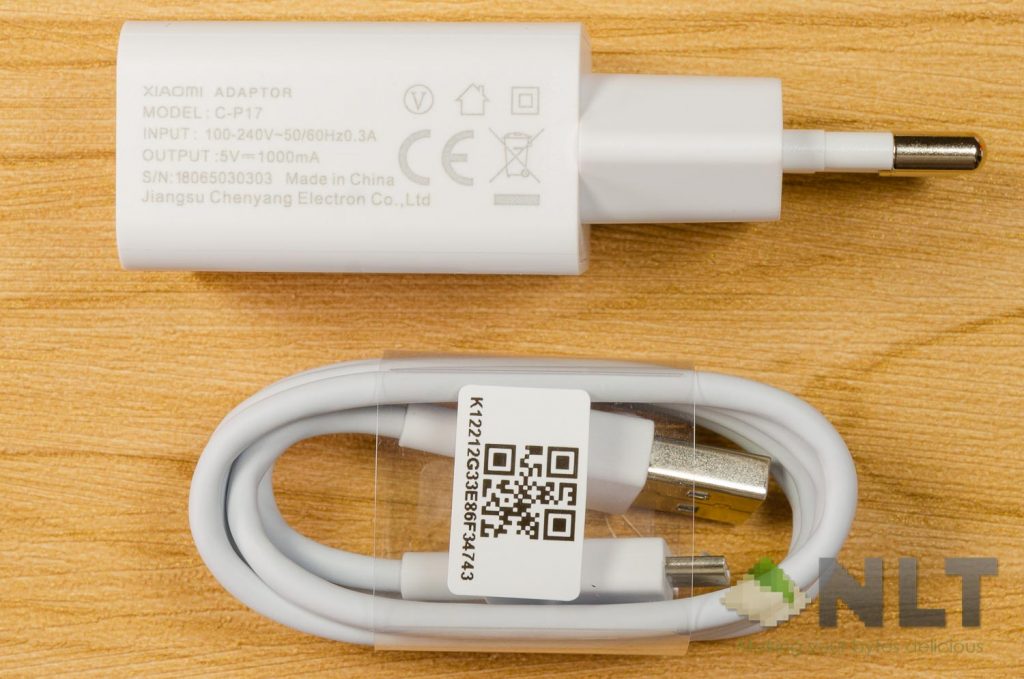
What about the charger? Well, the Redmi 6 comes with a completely different charger compared to the Redmi 6A. But does it matter? We took it for a spin.
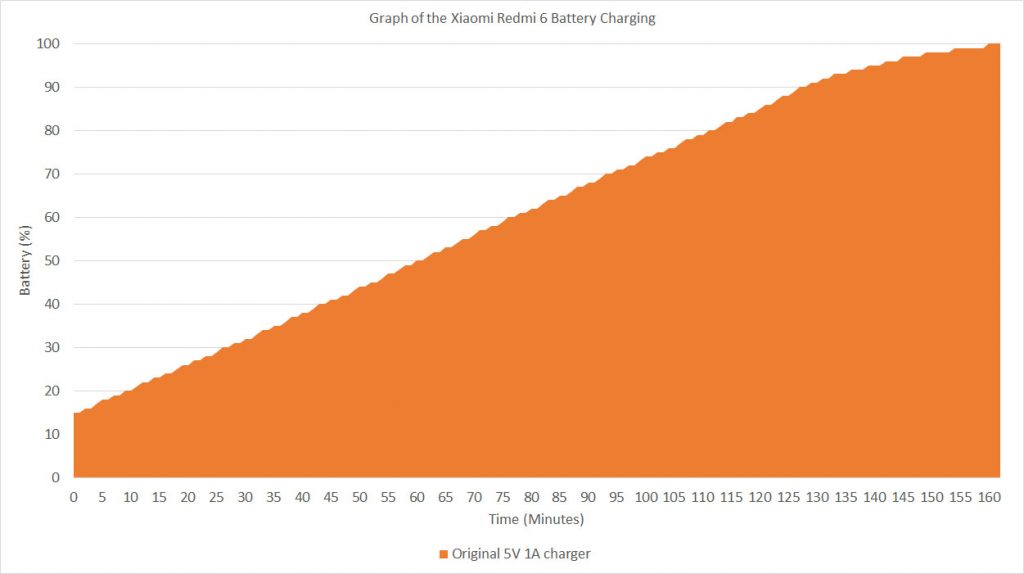
It takes 60 minutes to reach 50% battery, and takes a total of 102 minutes to reach 75%. To charge it completely, you’ll need 160 minutes. Wait a minute – isn’t this the same time taken to charge the Redmi 6?
That raised my suspicion – and I redid the charging test again with the Redmi 6A’s charger – and surprise, surprise. It takes the same amount of time to charge.
What does this tell us? Simple – the Xiaomi Redmi 6 and 6A only supports 5V 1A chargers.
Wrapping up the Xiaomi Redmi 6 review
The Xiaomi Redmi 6 is obviously a compelling offer – but when placed beside the Redmi 6A, one might wonder what are the differences.
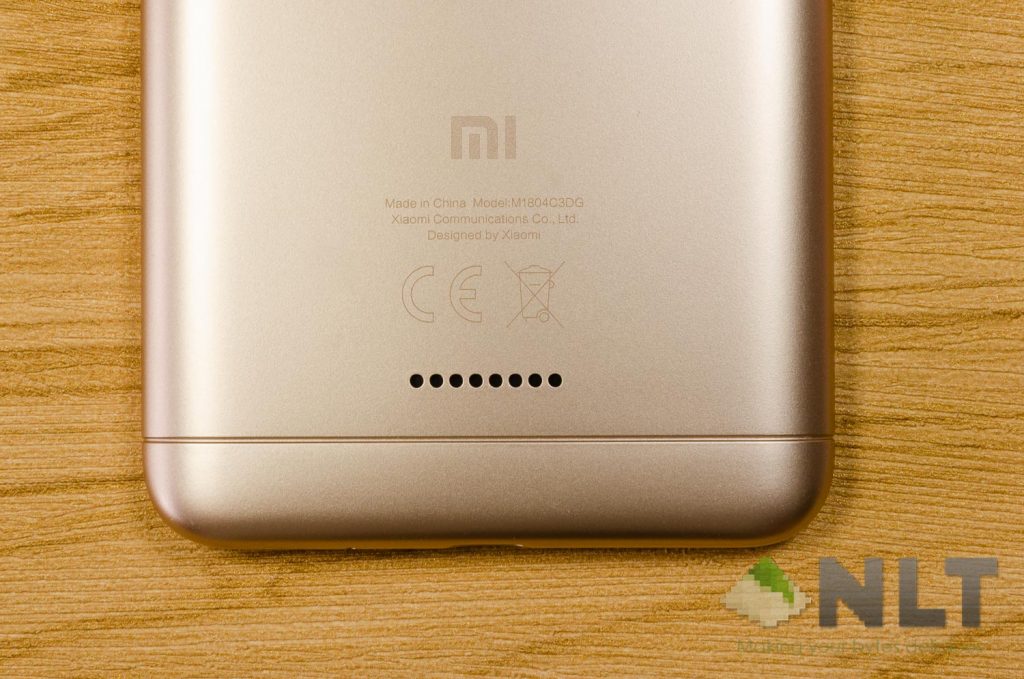
To sum it up, the Redmi 6 has better performance, a secondary depth sensor camera, and a fingerprint scanner – but has a poorer battery life. Everything else remained pretty much the same.
For RM499, it’s quite quite a good buy – but that’s nearing the territory of the ASUS ZenFone Max Pro (M1)‘s promotional price.

Where to buy?
At Xiaomi Malaysia’s official LazMall store here.
Like our Facebook Page here at NasiLemakTech.com for more news and in-depth reviews! Also, join our Facebook Group for insightful information and memes!
Subscribe to our YouTube channel too!