

















This is the ZenPower Pro. Honestly, it’s just a power bank, but it has way too many appealing features. Ever wanted to find a tiny, portable power bank with great features? Then take a look at this review.
On the package itself, it can be seen that the ZenPower Pro has the about the same packaging compared to the original ZenPower. Its packaging design propagates from the inside out actually. Very minimalist design all over.
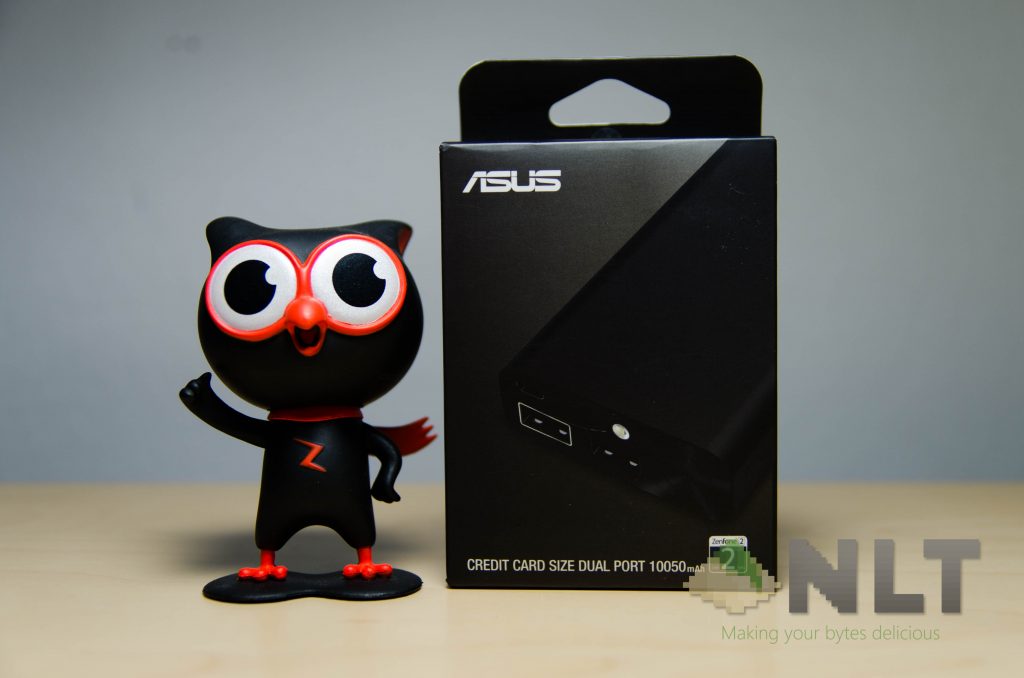
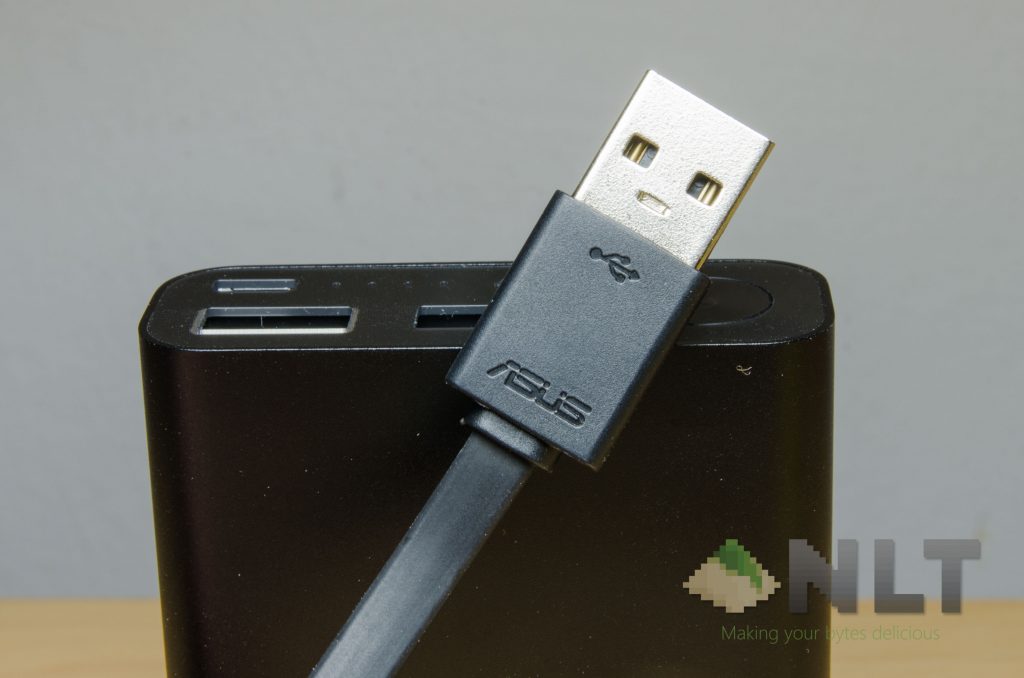
Its contents are pretty much the same either – some documentations, the ZenPower Pro itself, and a 10cm micro USB cable. That said, let’s get right into the ZenPower Pro itself.

The ZenPower Pro is globally certified too by these 9 testing organizations to ensure safety, EMI, and charging performance.
- Underwriters Laboratories Inc.
- Federal Communications Commission
- Product Safety of Electrical Appliance & Materials
- Thai Industrial Standards Institute
- Bureau of Standards, Metrology and inspection
- Qualcomm Quick Charge 2.0
- Conformité Européenne
- EurAsian Conformity
- Bureau of Indian Standards
Let’s take the ZenPower Pro for a test – I’m very excited!
[nextpage title=”Design”]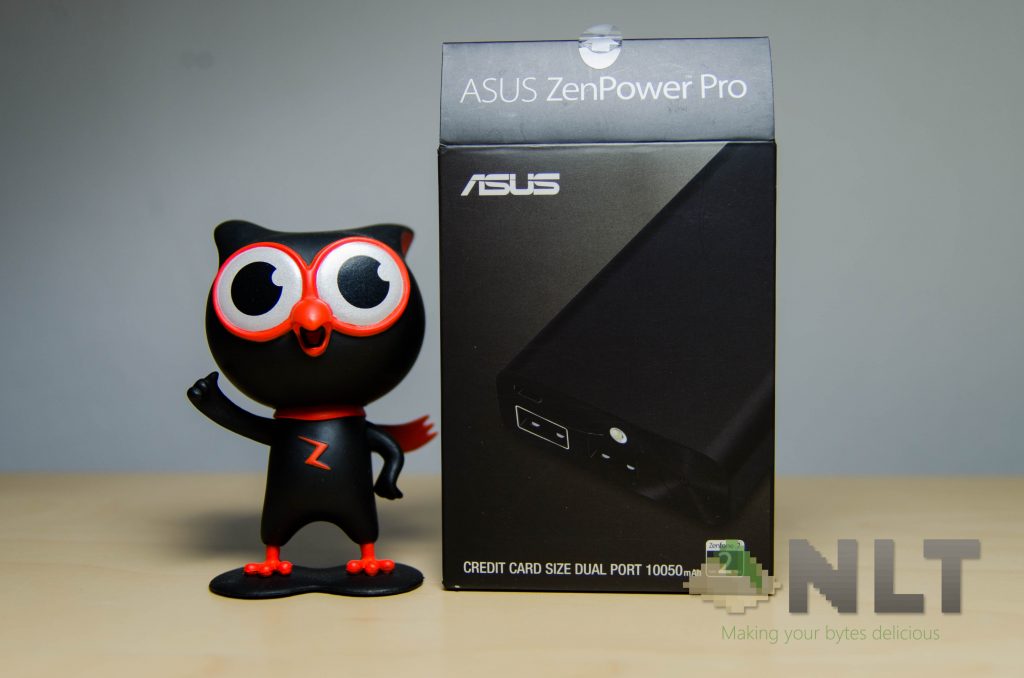
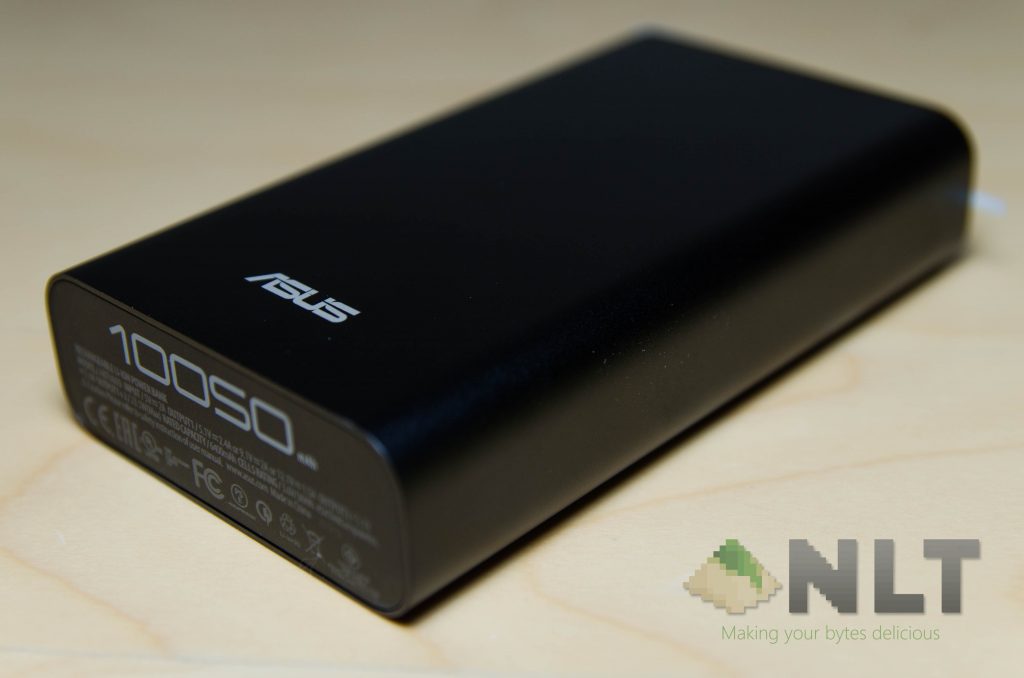
For tech’s sake – it’s a power bank. The design can’t really change that much, and we all know it. The ZenPower Pro still has the same look as the ZenPower, together with a rectangular shape with rounded longitudinal edges.
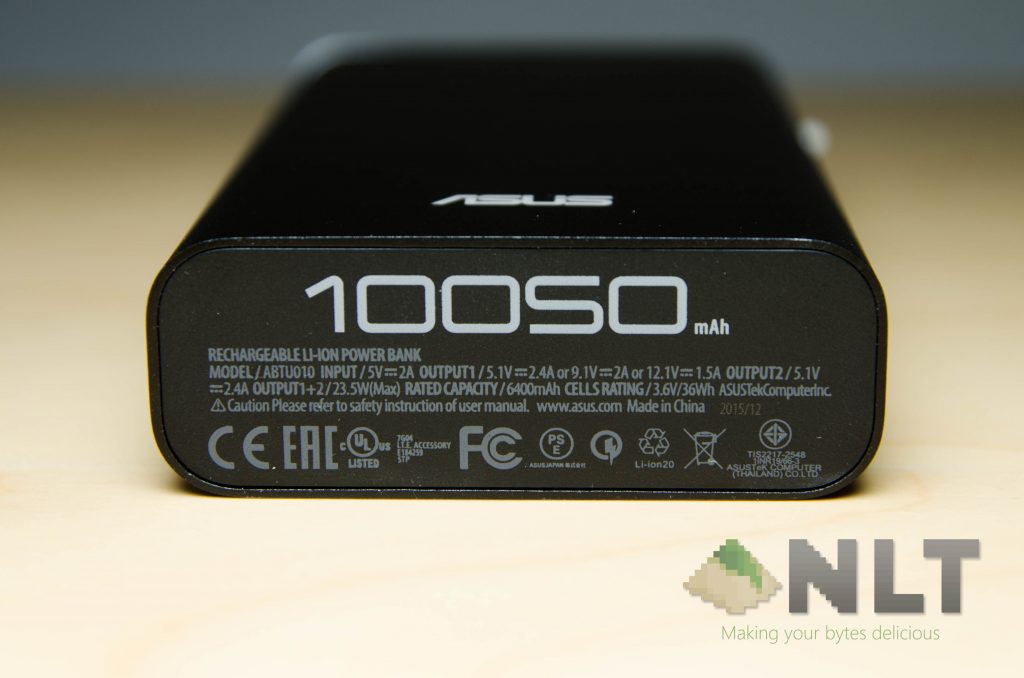
At the bottom, it has some specifications and its electrical input and output listed out. Nothing much to see actually, unless you’re into all of its technical details.
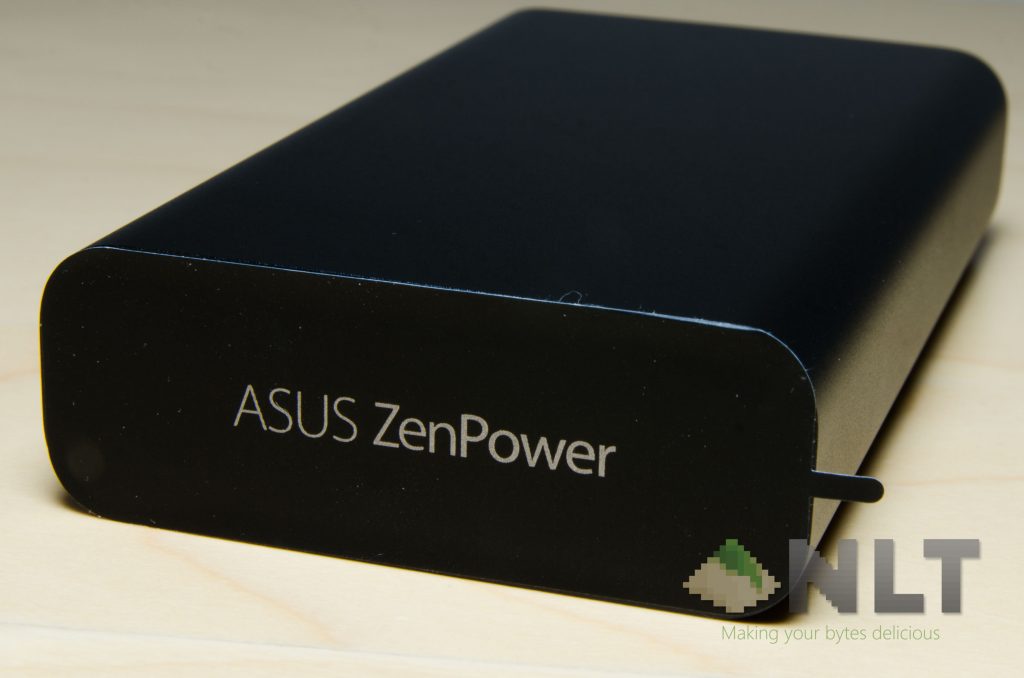
At the top, there’s the piece of sticker that protects all of the ports. Peel it off, and it reveals all the magic that the ZenPower Pro has to offer.
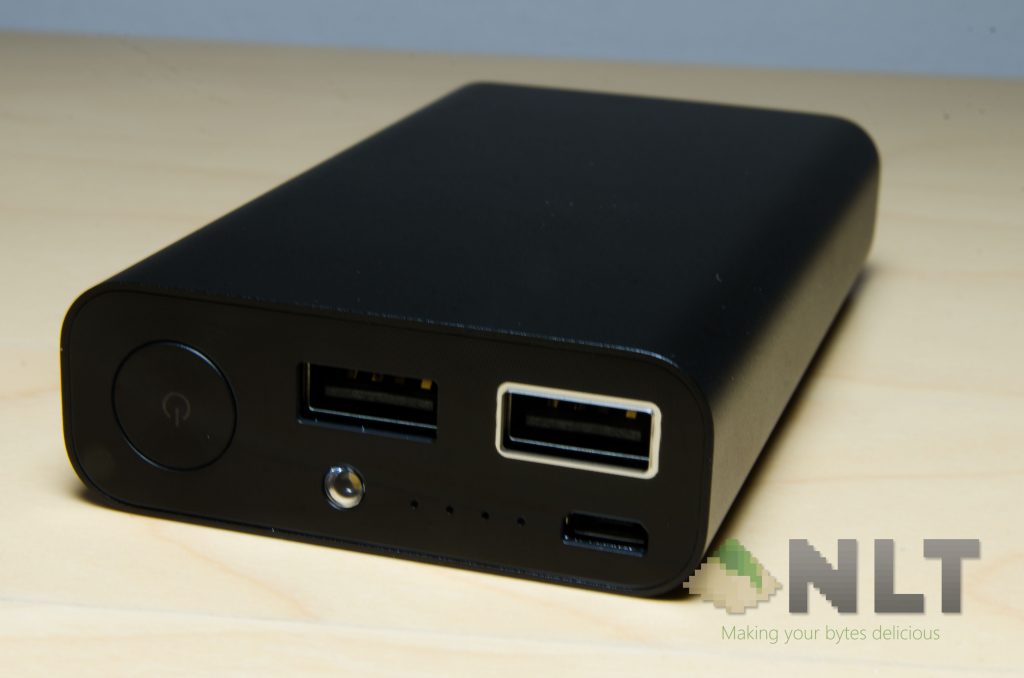
I was impressed that ASUS packed two separate output ports beneath that sticker. You get two USB output ports – one without anything special, and another silver lining one with Quick Charge 2.0. Then, there’s an LED flash, a charging port, a charge indicator, and a power button.
But damn, I wish the Quick Charge 2.0 output port would have a different look instead of a silver lining. Of course, the silver lining in this case is surely their choice of using a silver lining instead of something strikingly different.
That said, I do hope that the Quick Charge 2.0 output port wouldn’t have a silver lining, but to have a different USB tongue colour instead. We have basic black or white coloured tongues for USB 2.0, while blue tongues are for USB 3.0. ASUS could and most definitely should opt for a different coloured USB tongue instead of having a silver lining. Let’s say a green USB tongue? That seems nice.
The ZenPower Pro touts the same features that the original ZenPower has, but more. That said, the more here comes with a cost – ASUS traded its small sized power bank for Quick Charge 2.0. One for one, right? But how much does the size differ?
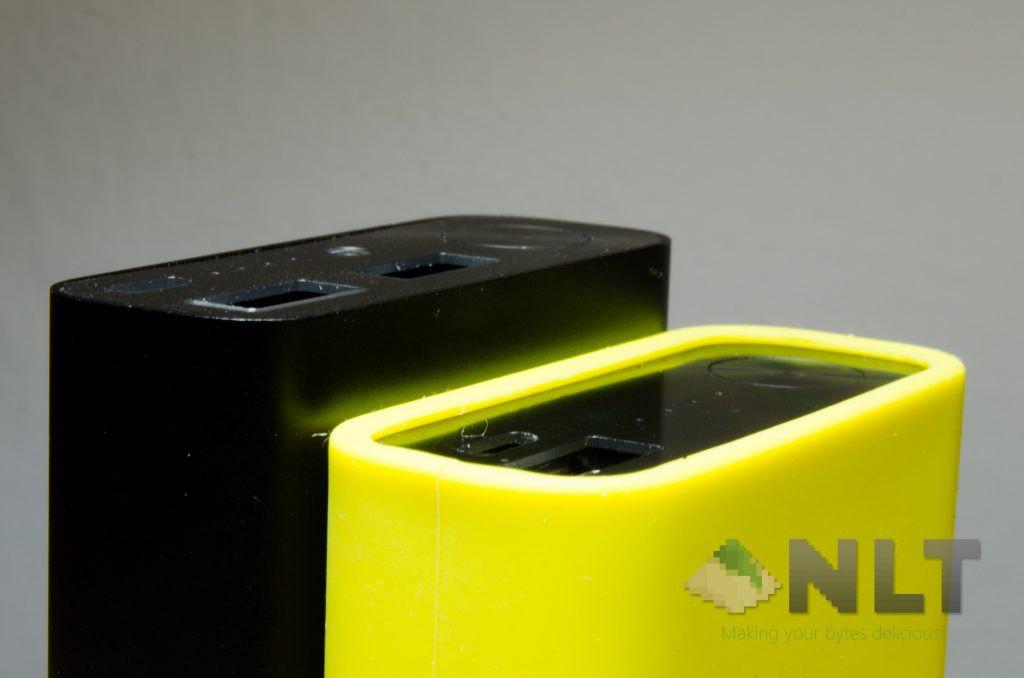
Pretty much. By the printings on its box, it’s no longer credit card-sized to begin with. The original ZenPower was definitely larger than credit card-sized to begin with. That said, the ZenPower Pro is 10.5mm longer than the original ZenPower. So… the extra ZenPower silicon case that I bought can’t fit in at all.
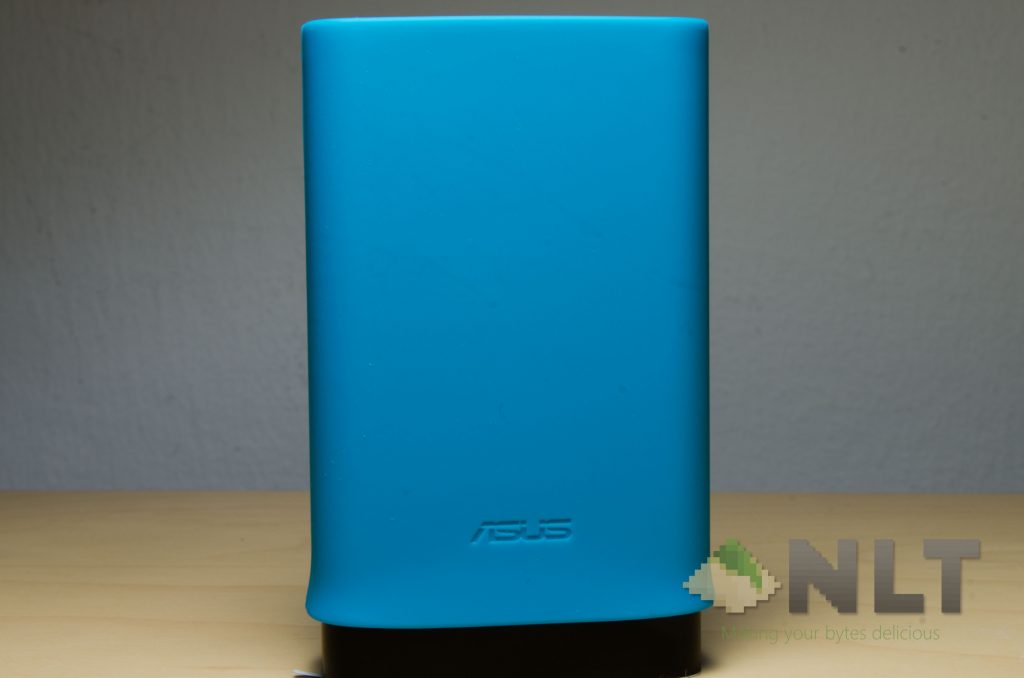
Yeah… this is awkward.
[nextpage title=”Using the ZenPower Pro”]In terms of how it charges, the ZenPower Pro delivers what it is advertised to do. Here, I compare the ZenPower Pro with the original ZenPower, and the famous Xiaomi 10,400mAh power bank. To be completely honest, the ZenPower Pro isn’t the smallest out of the three. It’s somewhere in between in terms of both height and width, but offers the most features. That said, the weight is still in between – weighing in at 230 grams.
Since my phone with a CM13 custom ROM does show what’s the charging rate on the lock screen, I used that to determine if it’s on fast charging or not. I first used all 3 power banks and surely enough, they bring more or less a charge of 1,100mA/h each. That’s the usual output for 5V with 1A chargers.
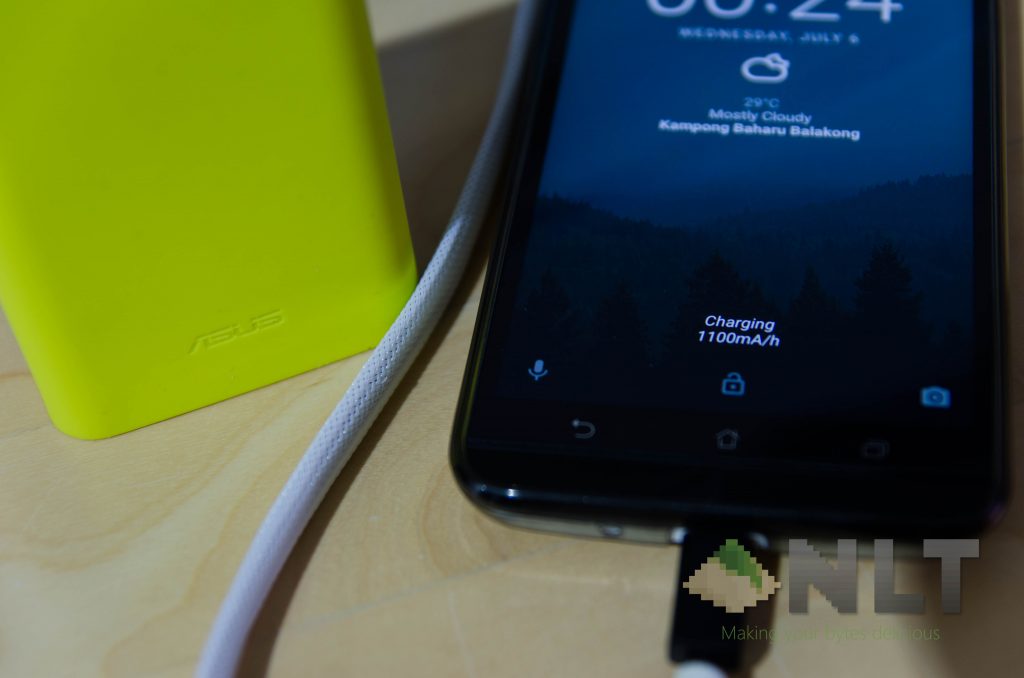
Oh yeah, I got a yellow case for my ZenPower.
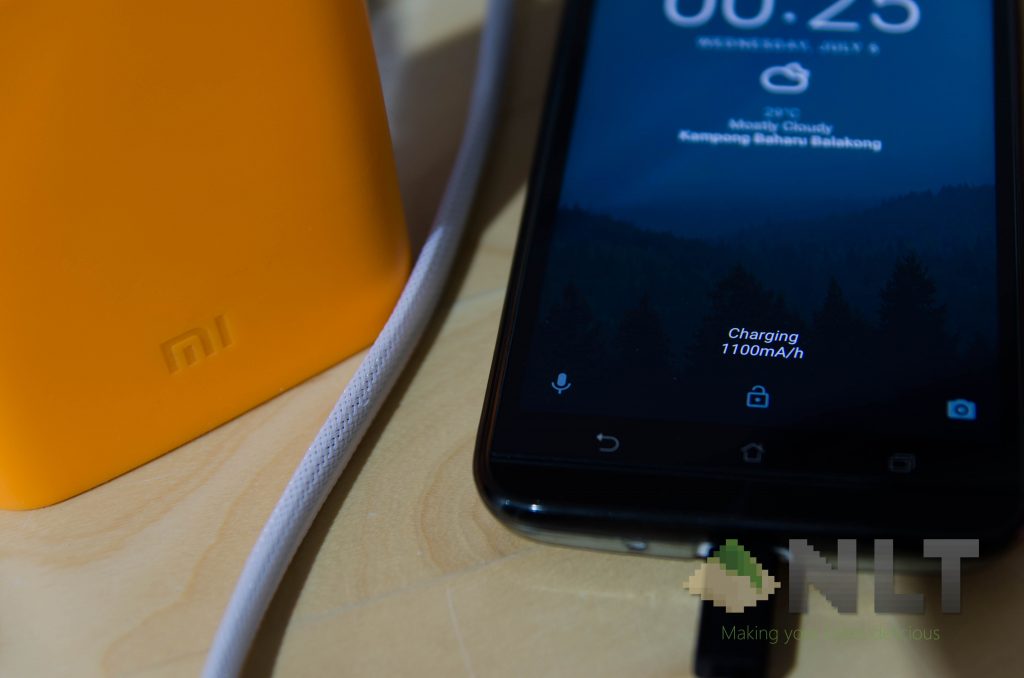
Even on the ZenPower Pro’s basic port, it says 1,100mA/h on my phone. Just as expected.
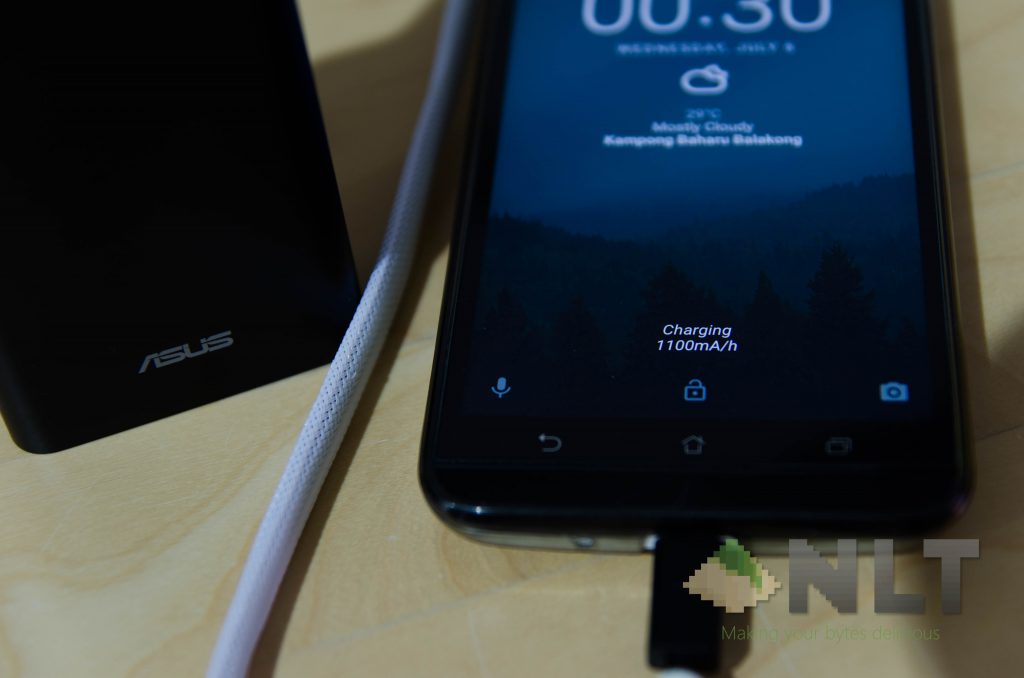
Then comes the port with silver lining on the ZenPower Pro. Once I plugged it in, it shows 2,800mA/h. Damn, that’s fast charging alright! It does charge just like the any other fast chargers as expected. Real great!
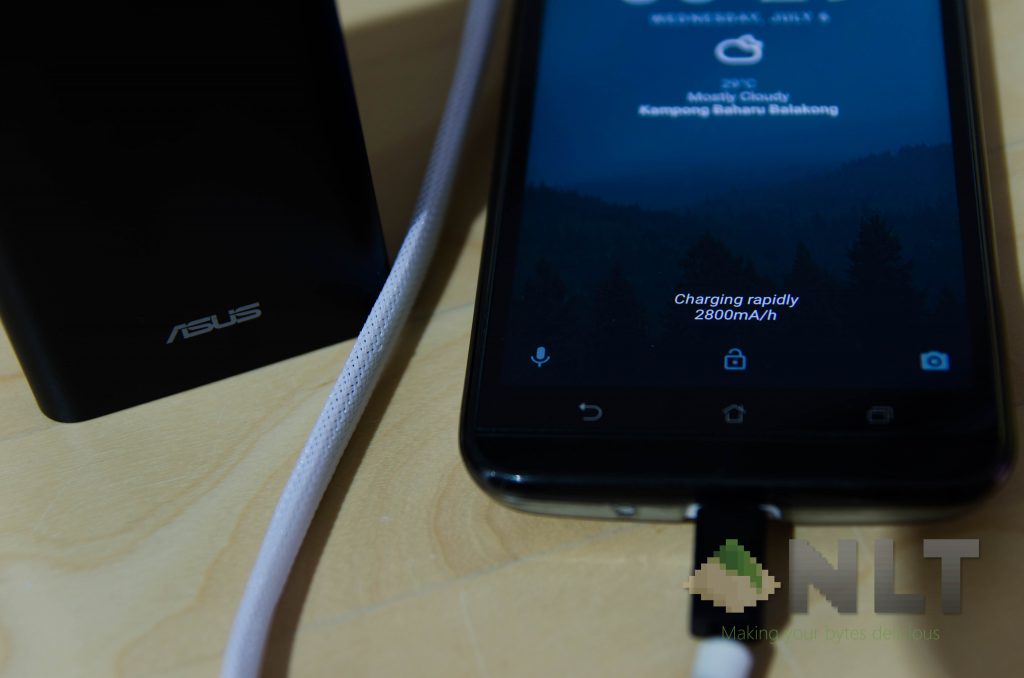
That said, my phone heats up like the original wall-attached fast chargers I’ve used for my phone. In this case, I think the most important point is that the ZenPower Pro doesn’t heat up like my phone does. It stays relatively cold to the touch too – and I really appreciate ASUS for doing this. Even my Huawei or Xiaomi power banks heat up quite a bit while charging at 5V with 1A.
To make this possible, ASUS included numerous protections just for you. Here’s the list of what they are:
- Temperature protection
- Short circuit protection
- Reset protection
- Input over-voltage protection
- Output over-voltage protection
- Input reverse direction protection
- Over-charge/over-discharge protection
- Output over-current protection
- Cell PTC protection
- Adapter protection
- JEITA protection
On the side note, the LED light can be turned on by holding the power button for 2 seconds. The LED is actually much brighter than I expected it to be – but can be turned a little dimmer by double-tapping the power button. ASUS claims that the ZenPower Pro’s LED light can have 4 days’ worth of charge for the LED flashlight too.
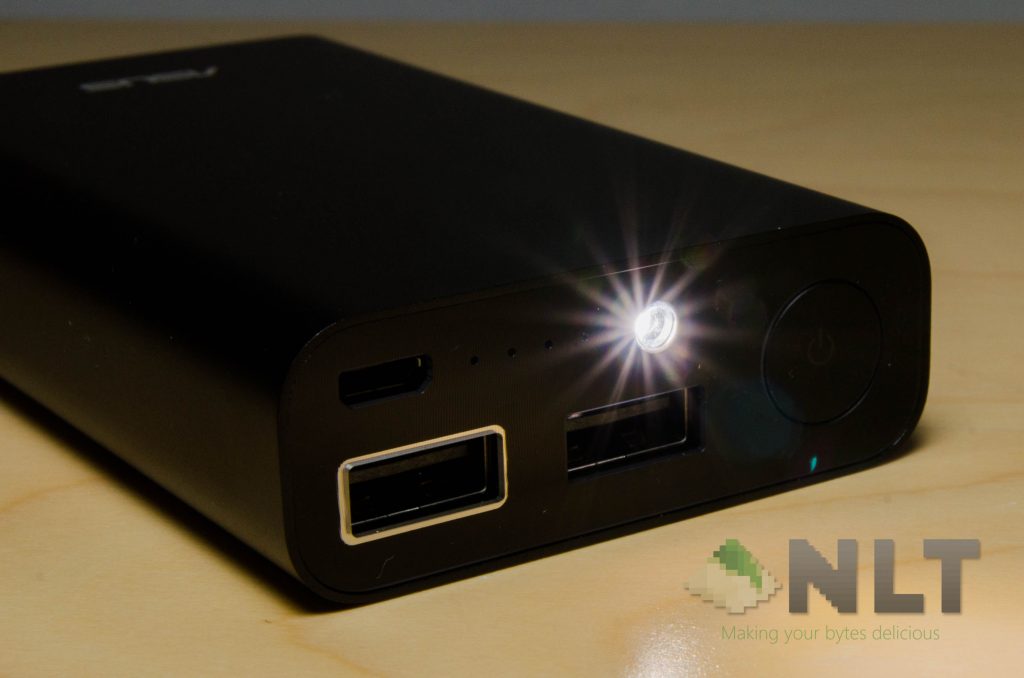
Oh yeah – the ZenPower Pro does support pass-through charging. You can charge your phone while charging the ZenPower Pro. All you got to do is plug the ZenPower Pro to your wall charger, and plug your phone to the ZenPower Pro. The downside to this is your ZenPower Pro will get drained faster than it can be charged if you plug your phone into the fast charging port. Remember, the ZenPower Pro can only be take in 10 watts, but discharge to your phone at 18 watts. In my test, it can quickly charge my ZenFone 2 + Nexus 4 at the same time!
[nextpage title=”Wrap up”]It’s really, really convenient to have a power bank that has quick charging. I never once liked the idea of strapping my phone to life support at all. With smartphones these days, the battery levels can’t last a day with a slightly more intensive usage. That’s where power banks come in, but they charge really slow – literally hours to complete a charge. The ZenPower Pro can charge for nearly 3 times faster than those power banks. Compared to many power banks out there, the ZenPower Pro is still relatively small in size.
For the price of RM129, the ZenPower Pro is a power bank that will not disappoint. It’ll be available at the end of July too. It’s a great investment and you can still charge two different devices at the same time.
Like our Facebook Page here at NasiLemakTech.com for more news and in-depth reviews! Also, join our Facebook Group for insightful information and memes!
Subscribe to our YouTube channel too!