














I really love Android Open Source Project – or AOSP for short. It’s not really a project, it’s a name given to what is referred to as the pure Android experience. It is rumoured that the any Nexus device will have the least bugs and glitches yet receiving the quickest updates, and I have to say that’s true – and it’s coming from an owner of both the Galaxy Nexus and Nexus 4.
Google has foresee this 6 years ago, this is the reason why Google created the Nexus series. The Nexus series is a popular range of smartphone among tech enthusiasts and Android fans. Started as a developer smartphone in the early days of Android, the Nexus series has now evolved to consumer-centric smartphones since the introduction of the first Nexus device.
Nexus One – January 2010
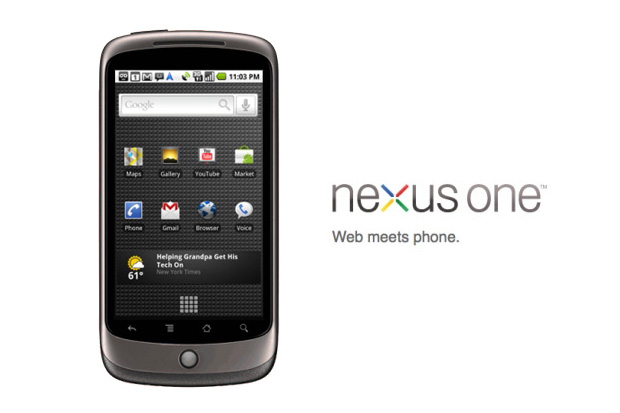
HTC was the first smartphone company that was chosen by Google to made the first Nexus smartphone, which is called Nexus One.
It was launched in 2010, where the device is running Android 2.1 Eclair OS out of the box which is powered by a single-core processor, 512 MB of RAM and 5 megapixels main camera. It was offered with Google Voice and Google Maps. Its design was very similar to the HTC Desire and was encased in a uni-body enclosure consisting of an aluminum frame and polycarbonate back, it is consider one of the finest smartphone during that era.
I have to say though, the Nexus One was one of the phones that made headlines after headlines during that time. And I love that trackball too. Also has a notification LED underneath it. Neat!
Nexus S – December 2010
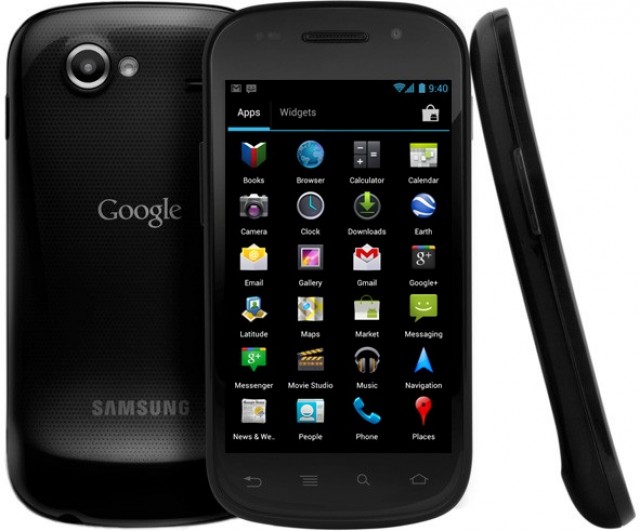
The second generation Nexus smartphone was manufactured under Samsung, also Samsung’s first ever Nexus phone. It was introduced as Nexus S which is running Android 2.3 Gingerbread that time. The Nexus S created history to be the first Android phone to fully support NFC. It featured organic curves and a plastic housing, along with a 4-inch screen, 5 megapixels camera, 512 MB of RAM.
Dang, I really loved the curved display when it came out.
Galaxy Nexus – December 2011
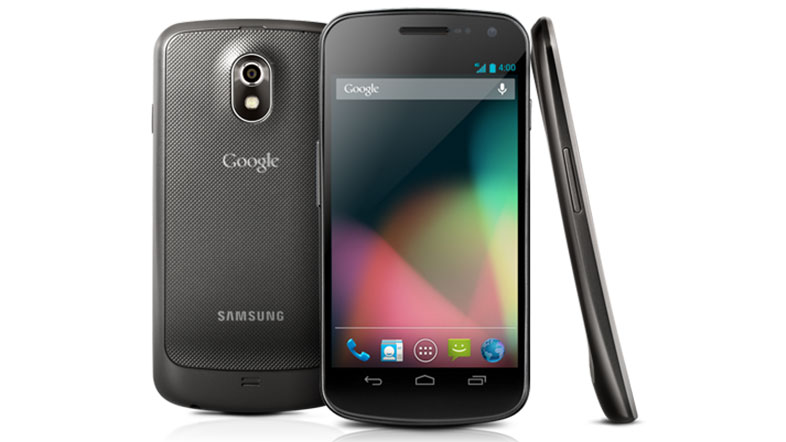
Google continued its partnership with Samsung and launched their new Galaxy Nexus in 2011. This time, the user interface of the operating system went for a facelift with the introduction of the new Android 4.0 Ice Cream Sandwich which offers a darker theme compared to the previous OS. The Galaxy Nexus’s exterior design is slightly curved and it uses matte polycarbonate housing with a small glimmer to it, the Galaxy Nexus was one of the most eye catching phone with great specifications such as HD Super AMOLED screen, 2GB of RAM, dual core processor etc.
I remember that DiGi actually brought this phone to Malaysia and sold it under one of their special packages. I signed up for it as it was the cheapest high-end smartphone at that time, going for about RM1,800 if I’m not mistaken. This piece of magic right here was one of my favourite phone – especially the back cover material.
Hey – I still keep my Galaxy Nexus with me till today too. And it works fine!
Nexus 4 – November 2012
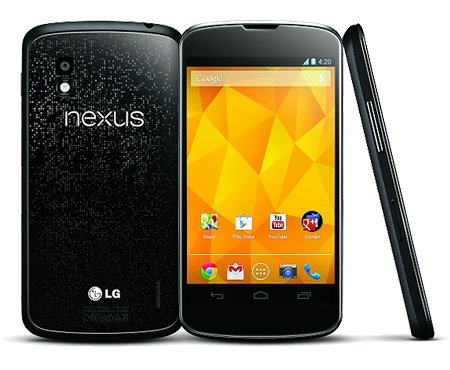
2012, Google shifted its partnership to LG. The LG Nexus 4 stunned the mobile world with its classy looking glass back panel. Google has established a very strong connection with LG, their partnership later also seen released Nexus 5 and the latest Nexus 5X this year.
The LG Nexus 4 uses the LG Optimus G’s design language with soft-touch rubberized edge and a glass back that had a glitter effect to make it look extremely classy. Running on the Snapdragon S4 Pro together with Android 4.2 Jelly Bean with attractive retail price makes it one of the most sought after Google Nexus phone of all time!
With that said – although the price is really low, it was never officially available in Malaysia. However, I remembered the time where my uncle bought this phone but he doesn’t wanna use it, and sold it to me for a really cheap price. I love this phone to bits, and I still do. The first ever quad-core powered Nexus device – and it’s still sitting on my desk right now.
Nexus 5 – October 2013
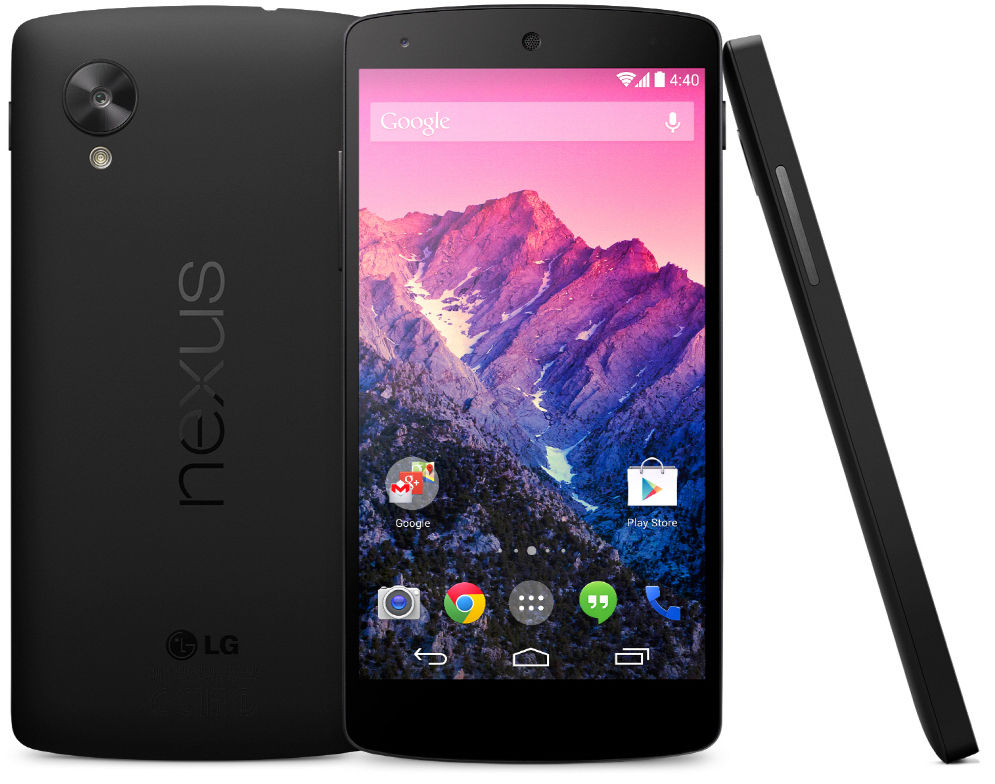
The LG’s second Nexus smartphone, Nexus 5 was announced in late 2013 and featured a more simplified look which resulted in a device that was both simple and pragmatically elegant.
The Nexus 5 is largely known to be offering a high end specs smartphone for a knocked down price. Its 4.95-inch Full HD display and 2.26GHz quad-core processor are just a few highlights on it.
Nexus 5 is also the pioneer in using the transparent navigation and notification bar that is now standard in the latest versions of Android.
Also, I played with a Nexus 5 for an extended amount of time. I really love this phone a lot. The problem with the Nexus 5 is that I didn’t buy it, thinking that the Nexus 6 would be even better for the same price point. I really regret not buying the Nexus 5.
Nexus 6 – November 2014
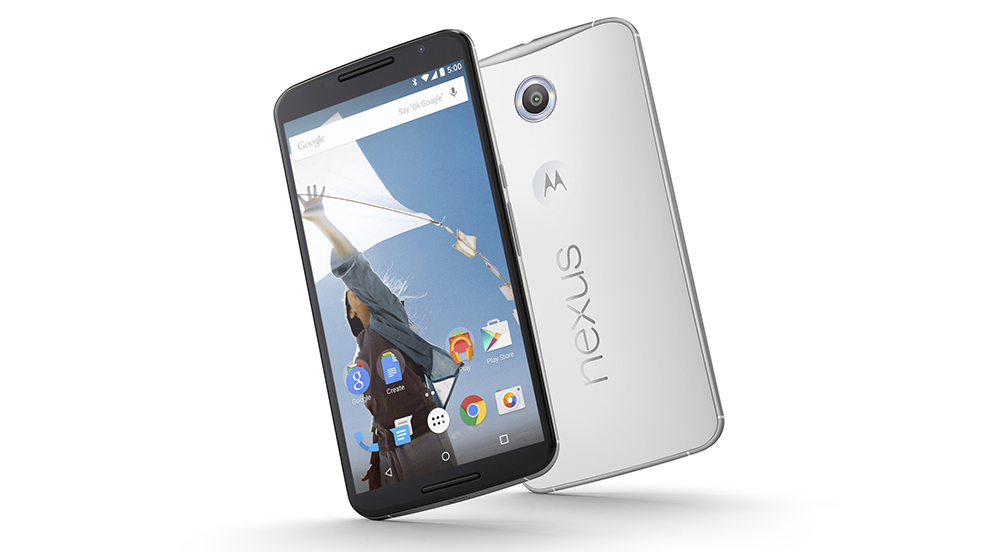
Motorola’s Nexus 6 is the first in the Nexus line to offer a big 6” Quad HD AMOLED screen, Snapdragon 805 and a 13MP OIS camera. The Nexus 6 also features water-resistant and pre-installed with Android 5.0 Lollipop out of the box.
The only controversy that sparked out on the Nexus 6 was obviously its size. 6-inch phones are a little over the top, but magically, Google and Motorola managed to pull this off and sold quite a number of Nexus 6 in the market.
Nexus 5X – September 2015
The Nexus 5X, again from LG was announced on September this year. This time, LG added a fingerprint sensor on the back and it offers an all-round camera in a Nexus device.
Preloaded with Android 6.0 Marshmallow, the Doze feature will be a life saver for heavy users.
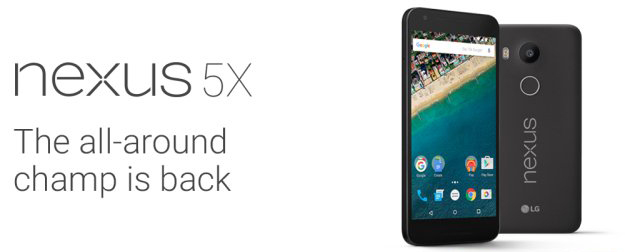
What I really hope – LG, please bring the Nexus 5X in the market with a price point at about RM1,100. I’ll throw my money at you. Please just make it happen!
Nexus 6P – September 2015
We have counted down to the final Nexus smartphone that was released alongside LG Nexus 5X, and this unit called Nexus 6P was made by China’s tech giant-Huawei which marks Google’s first partnership with Huawei in Nexus manufacturing.
The reason behind Google choosing Huawei as their latest partner is due to the Huawei’s recent sales success and good reception to the Honor 7 and Huawei Mate S.
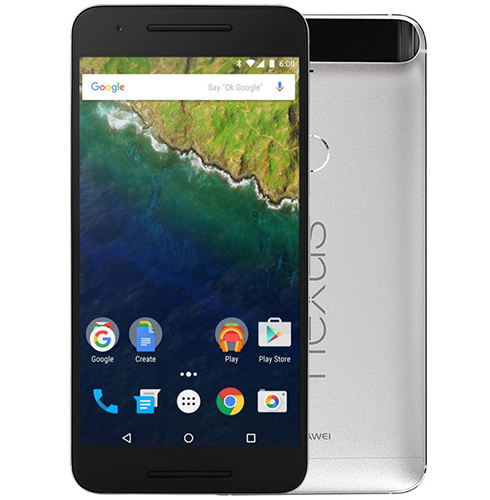
Being the flagship Nexus smartphone of this year, the Huawei Nexus 6P’s specifications are top notch in every aspect.
Starting from the display, the Nexus 6P features a 5.7 inch WQHD AMOLED screen that comes with Corning Gorllia Glass 4 protection. Under the hood, the device is powered by a Snapdragon 810 v2.1 chipset with an octa-core processor paired with 3GB of RAM and 3,450 mAh size battery.
Its rear camera is a 12.3 megapixels unit with an F-stop rating of 2.0 and 1.55 μM pixels sensor which is designed to capture more light than a conventional sensor. The front shooter is a 8 megapixel 1.4 μM pixels sensor unit.
It also features dual front-ported speakers and USB Type-C port with Quick Charge technology support.
A fingerprint reader is implemented in the device which Google named it as Nexus imprint which is believed to be the fastest in the market today.
The Nexus 6P also runs Android 6.0 Marshmallow operating system on top which is also seen on the LG Nexus 5X.
Undoubtedly the Nexus 6P is the best Google has to offer for its Nexus lineup this year. With Google on the driving seat, they can assure that the Nexus 6P to receive the fastest and most stable Operating System with the least modification of its Android OS.
The partnership between Google and Huawei bring along a halo effect that boosts the prominence of the brands that build them, in a growing smart phone and Android market across the world.
Huawei’s world-renowned hardware expertise in the mobile device market to create a product that perfectly meets the needs and desires of today’s loyal Nexus users.
By looking at Huawei’s performance in the last few years which saw a steady growth in the market. Available in over 170 countries globally, Huawei is already known to be the best Chinese smartphone company in China and the third largest smartphone manufacturer worldwide.
The Huawei brand is well received among smartphone users, the flagship Huawei Mate 7 was sold over 7 million units, has proven the expertise and innovation DNA of the company.
Tapping into Huawei’s expertise allows Google to produce an ideal software-hardware integration. Huawei’s knowledge of design and technical prowess also comes to Google’s advantage.
We firmly believed that Google will carry forward this partnership with Huawei to release more Nexus smartphones and tablets in the future.
Like our Facebook Page here at NasiLemakTech.com for more news and in-depth reviews! Also, join our Facebook Group for insightful information and memes!
Subscribe to our YouTube channel too!