















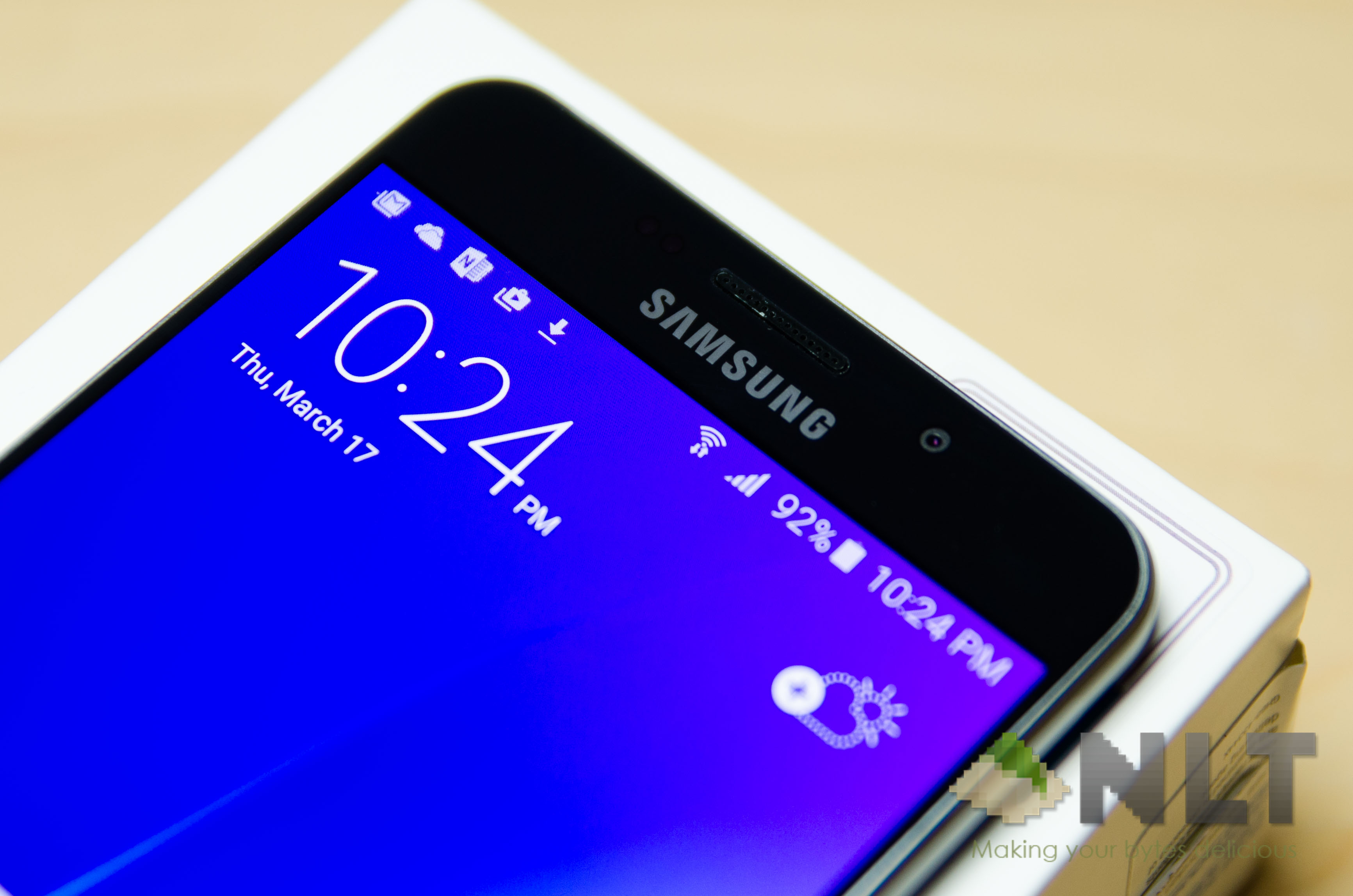

Samsung has been redefining its smartphone for years. I have to say that since the days of ditching their ill-known plastic body phones and onward with the metal then-now glass body phones, Samsung is finally placing an affordable price tag on a more affordable smartphone. Welcome to the review of the Samsung Galaxy A7 2016 version.
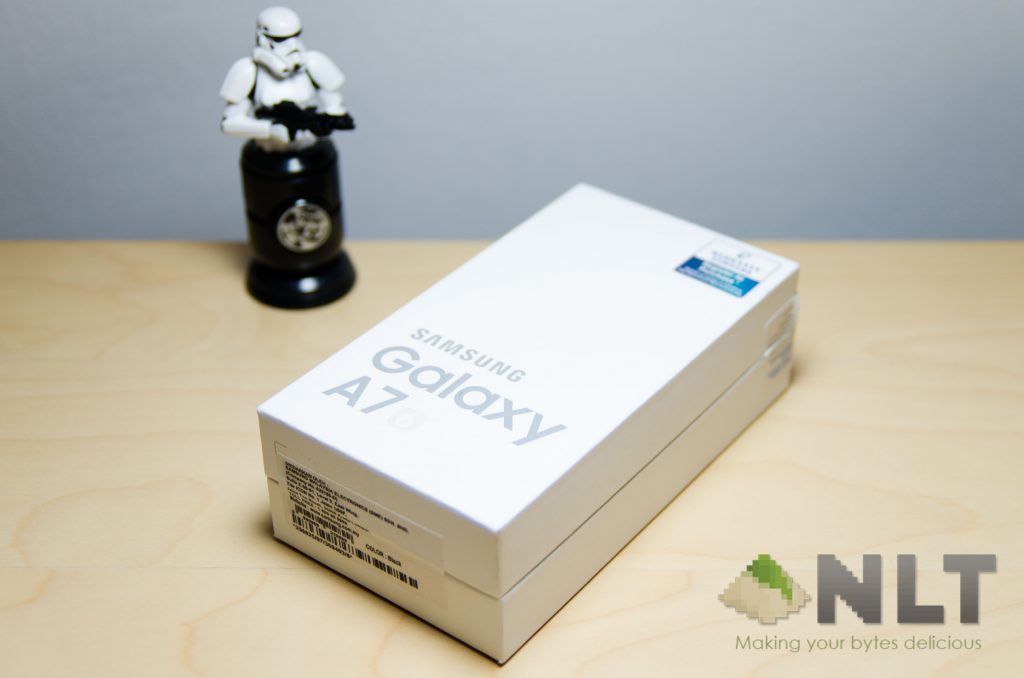
The usual Samsung packaging of course – comes with a cardboard box with the design language of the latest Galaxy S7 Edge, albeit with a different colour. Opening up the box shows the Galaxy A7 itself.
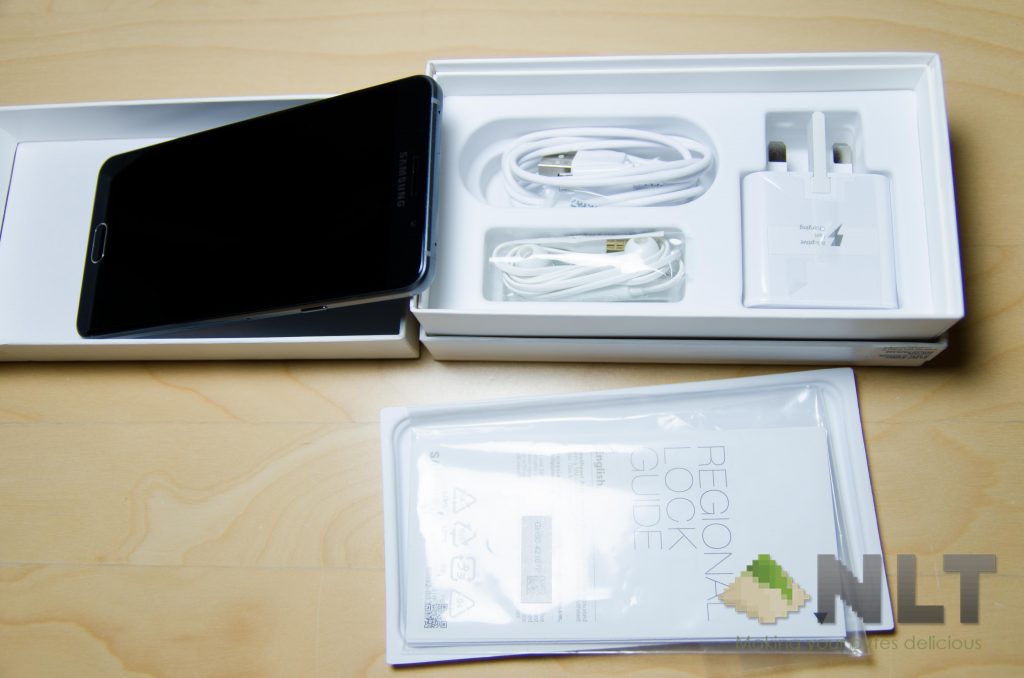
Digging further into the contents of the box is where the usual things are located – the earphones, charger, and a bunch of paperwork.
To my surprise, Samsung actually included their signature earphones together with the Galaxy A7. Really nice!
[nextpage title=”Design and ports”]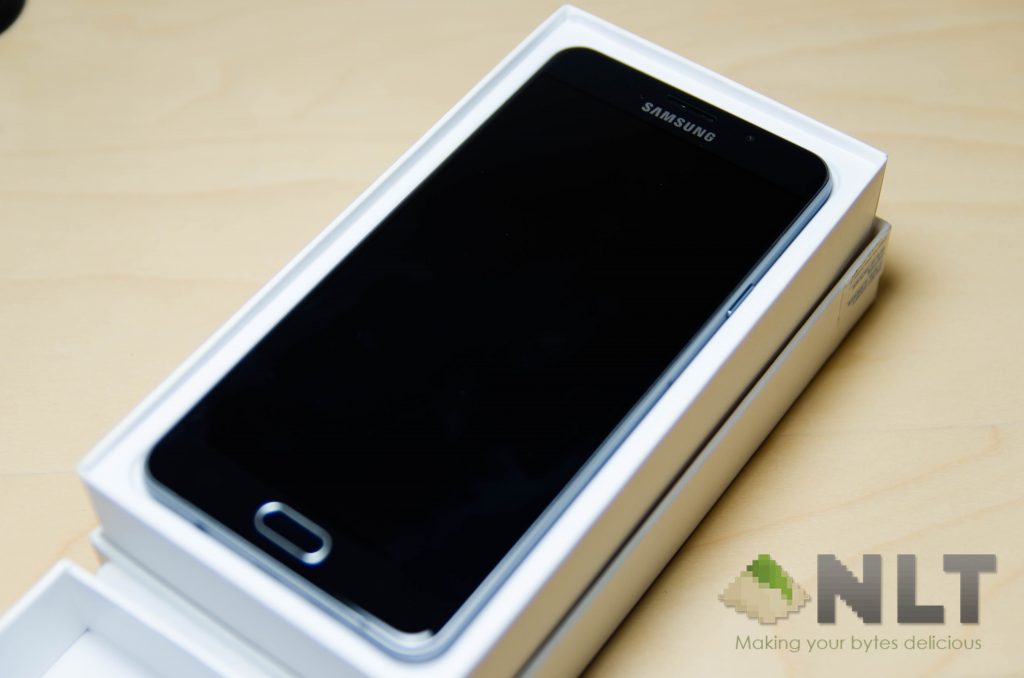
The Galaxy A7 doesn’t come with much frills, as it really looks like the Galaxy S6, and even has most – if not all features that are found on the Galaxy S6 too. NFC is included too actually, which is a definitely plus. Fast Charging however is not included on the Galaxy A7. Bummer, but Samsung did have a redeeming point. More on that later.
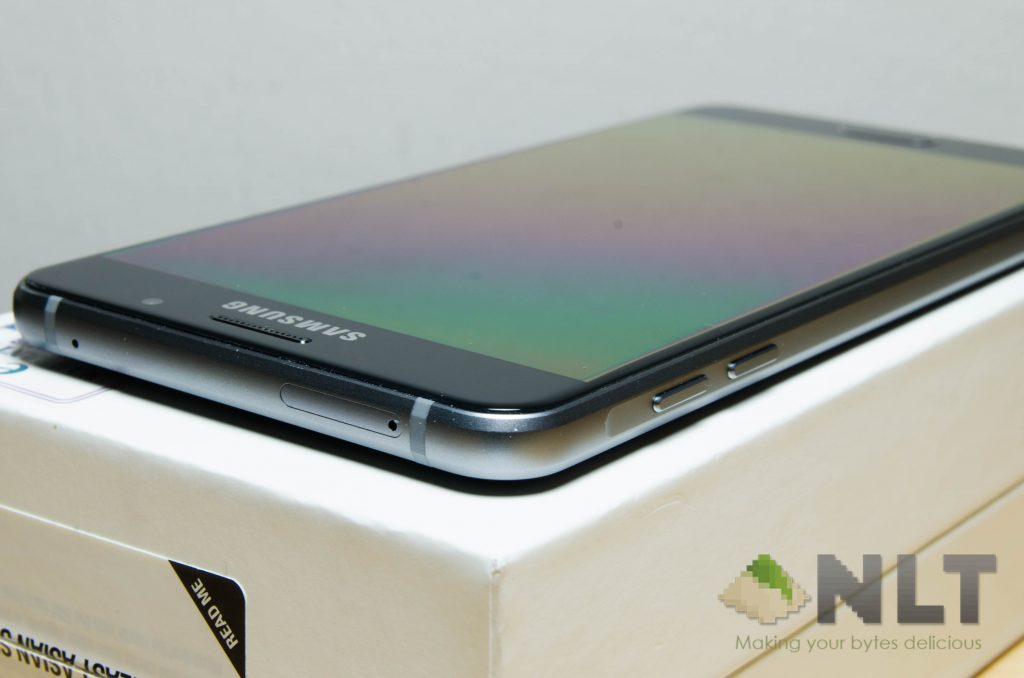
The Samsung Galaxy A7 looks very similar to the Samsung Galaxy S6, if not identical. There is a front piece of 2.5D glass for the screen for that beautiful curve and ends right at the edge of phone itself, and there is another piece of 2.5D glass at the back. The latter is a little less curvy at the edges but still is curved, and definitely really nice to hold.
The ports on this phone has a slight variation from the usual smartphone design language, as the volume rockers at the left side of the phone and the power button on the right side. Here’s the twist – the audio jack is placed at the bottom of the phone right beside the mono speaker and the micro USB port.
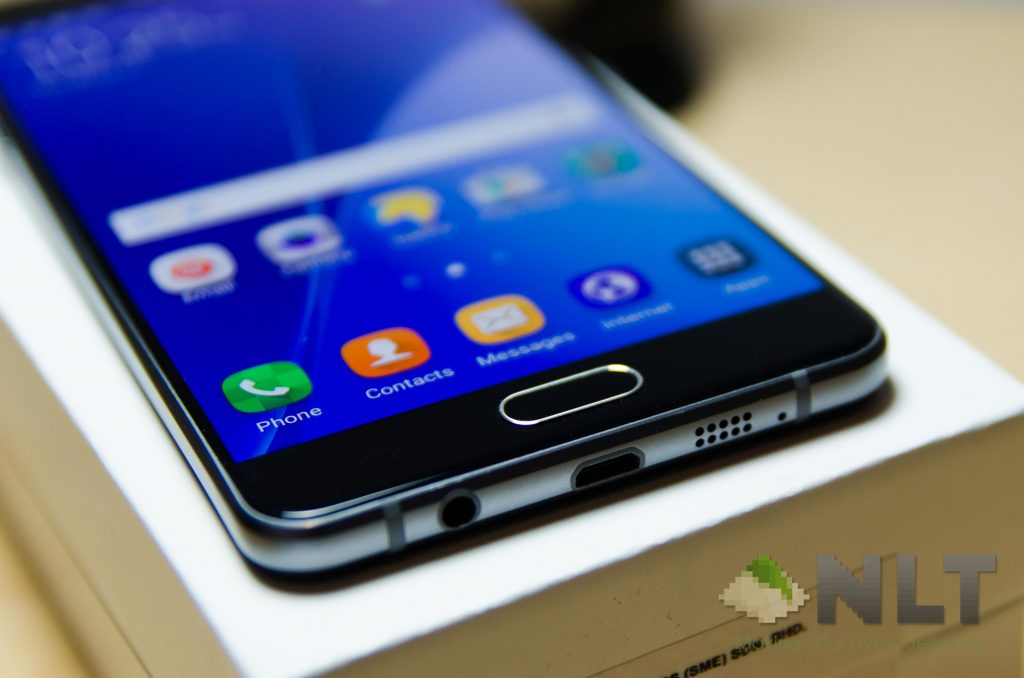
Absolutely fantastic – I like my audio jacks at the bottom, just like how it was back in the days of Galaxy Nexus, since I place my phones upside down in my pocket.
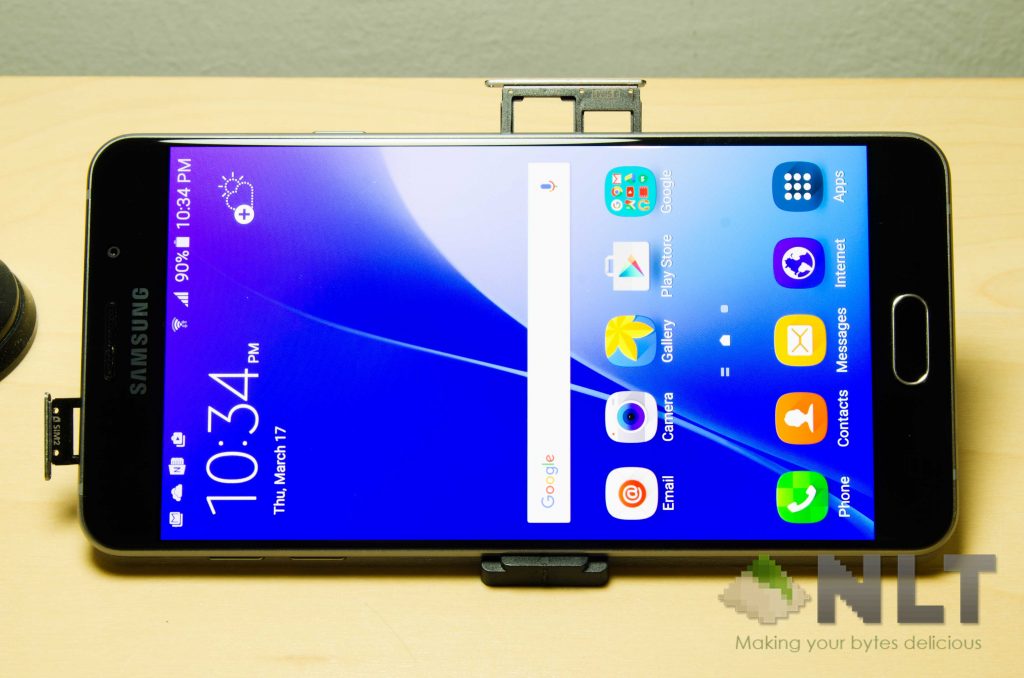
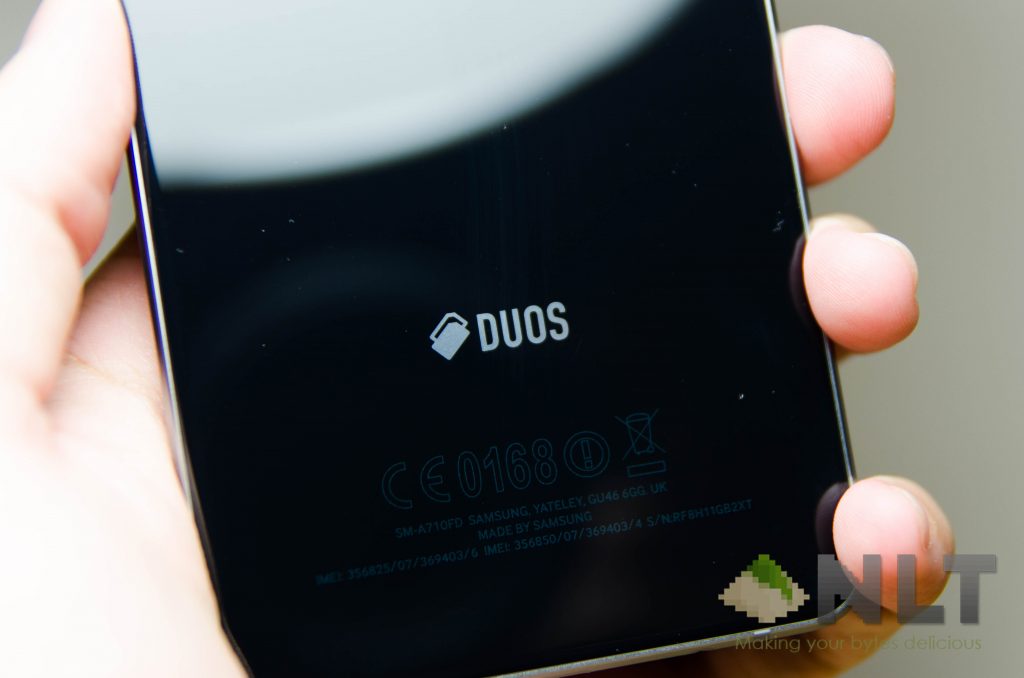
That said, the Galaxy A7 features two trays that can be ejected with an ejector tool – revealing one tray with the first SIM card and a micro SD card slot, and the other reveals a single second SIM card slot.
Samsung’s engineering choices here makes me feel happy since they didn’t opt for the hybrid slot, sacrificing the second SIM card slot for a micro SD card instead. This however is really the best choice for a dual-SIM smartphone.
Let’s not forget about the fingerprint sensor that’s found on the Galaxy A7 too – since it is sort of like a replica of the Galaxy S6 in some ways. The fingerprint scanner works just like the Galaxy S6 – place a fingerprint on the home button, press that button and boop scanned!
[nextpage title=”Screen”]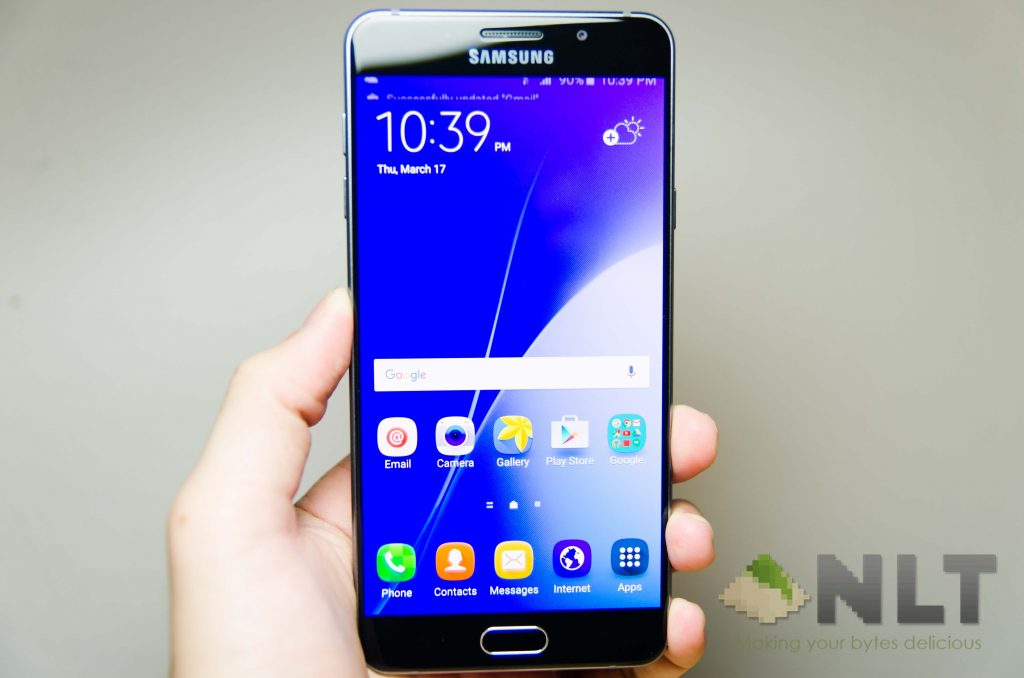
This beautiful screen can make any of your bad days to be beautiful in an instant. The colours are sharp and bright with the Super AMOLED display found on the Galaxy A7, and let’s not forget about its super smooth surface.
The screen is very nice to touch and I don’t know how to describe its smoothness – feels like my finger is gliding on top of the screen no matter what my fingertip’s conditions are.
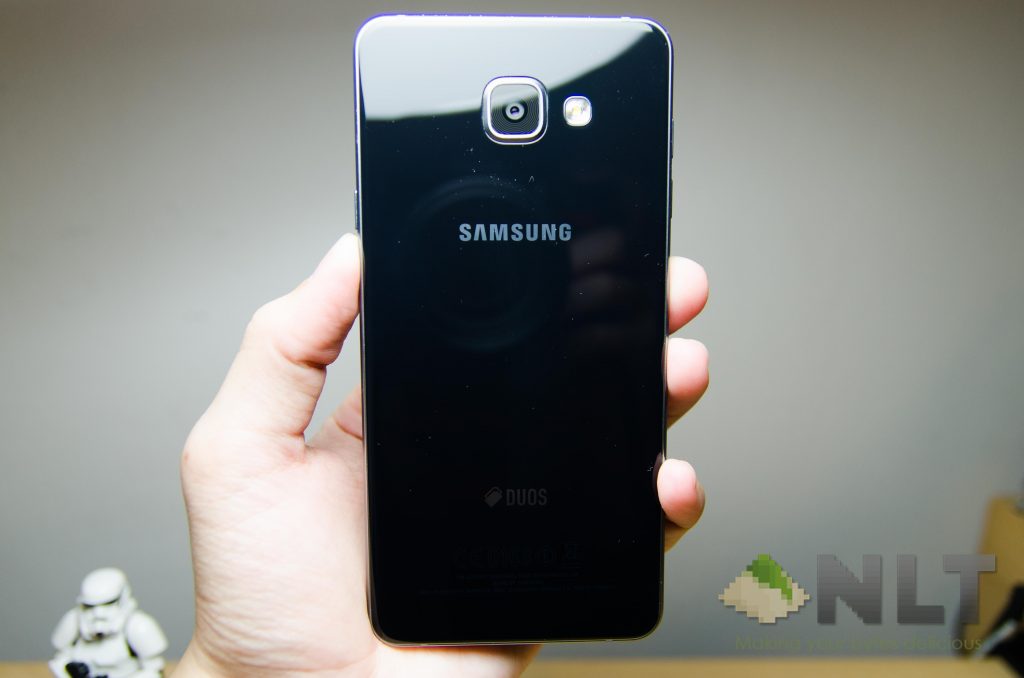
On a side note though, the smoothness found on the screen is the same as the glass on the back, and I’m not sure if it’s a good thing though, as it becomes very slippery if held with one hand.
[nextpage title=”Camera”]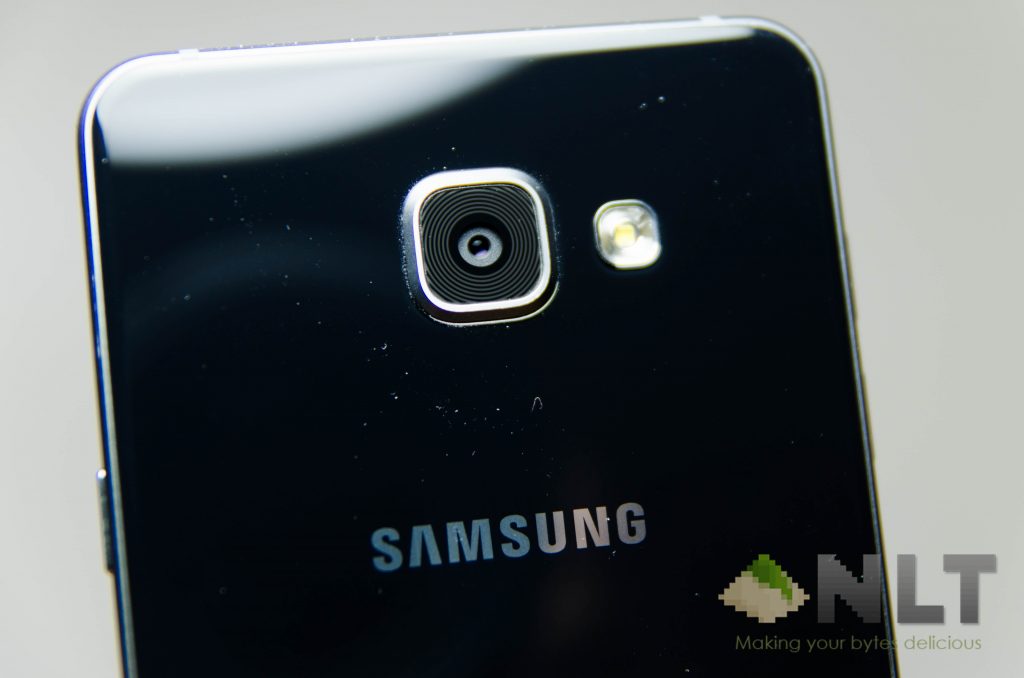
Before going into the picture samples, I’d like to point out the fact that since the Galaxy A7 does look a lot like the previous flagship device, even the camera protrusion is identical. I really don’t like the camera protrusion at all, but after taking a shot with the Galaxy A7’s camera, I’m in awe. I forgive Samsung for the camera protrusion.
Let’s not forget one very important feature that’s also featured on the Galaxy A7 – optical image stabilization. I didn’t expect that the Galaxy A7 has this feature, but looking at its spec sheet, I was stunned to find that the camera on the Galaxy A7 has a 13MP sensor with an aperture of f/1.9 and has OIS!
Quick shots revealed that the Galaxy A7 can perform decently across the entire board – with really sharp colour reproduction and able to capture very fine details.
Again I didn’t know that the Galaxy A7 has OIS to begin with, so I just took it out and take some shots. I was already impressed at first, and knowing that it does have OIS makes me appreciate the Galaxy A7’s camera even more.

Thanks to Samsung’s very own ISOCELL technology, the Galaxy A7’s camera actually does pretty well in low-light conditions (a.k.a. my room) with low counts of noise.
Focusing speeds however is something that I wish Samsung would take seriously on the Galaxy A7. In low-light conditions, there is a big delay between my tap to tell it to focus on the subject and the motion when the camera actually starts focusing on the subject itself. Also, the focusing is always off, taking about 3 seconds to just refocus and take a picture. It does sound like a software issue, and I really hope Samsung would fix this ASAP.
[nextpage title=”Performance”]The South East Asian version of the Galaxy A7 is codenamed the A710FD – which is powered Samsung’s very own Exynos 7580 Octa chipset with all eight cores clocked at 1.6GHz, paired with Mali-T720MP2 graphics.
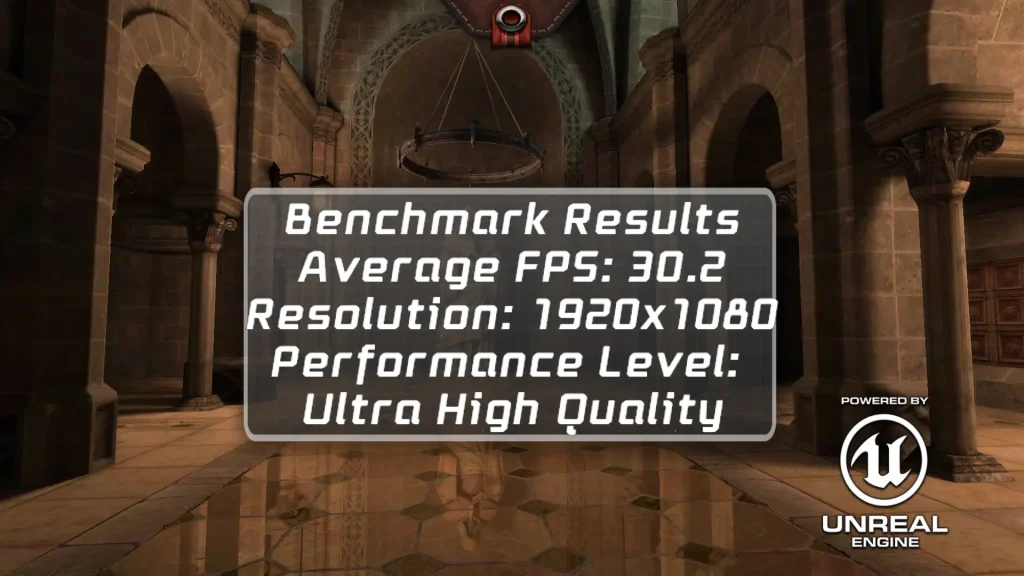
Running the usual suite of tests showed that the Galaxy A7 is actually quite a decent performer, as it scores at a decent 30FPS on Epic Citadel throughout all repetitions. It’s not the best performer out there but then again, not many smartphones can score 30FPS on Epic Citadel to begin with.
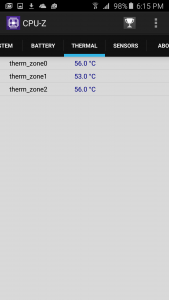
After running Epic Citadel, it’s of course time to see the temperatures over at CPU-Z. It is strange though as CPU-Z only registers only shows 3 thermal sensors on the Galaxy A7, and labelled as zone 0, zone 1, and zone 2. No idea where those zones are, but the numbers shown here are about 56ºC-ish. Not too bad actually, considering the fact that the phone itself doesn’t feel warm at all.
The scores benchmarked by Vellamo is actually pretty standard for a Snapdragon 615-ish smartphone, with its scores floating about near the LG Nexus 5. To be honest though, I personally didn’t feel any stutter while browsing through Facebook and Chrome with some tabs or navigating through the phone – actually a lot smoother than the ASUS ZenFone Selfie for that matter.
[nextpage title=”Battery”]Here’s the tricky part – the Galaxy A7’s battery isn’t bad at all – it can survive pretty well throughout the working hours time range and can last pretty long throughout the day. The idle time is okay, although it could be better.
Having a 3,300mAh battery doesn’t sound too big of a different, since I am coming from a ASUS ZenFone 2 user that has a 3,000mAh. However the hardware that makes the biggest difference here is of course the chipset. I’m really impressed by how well-optimized the Samsung Exynos chipset is compared to the Intel ones.
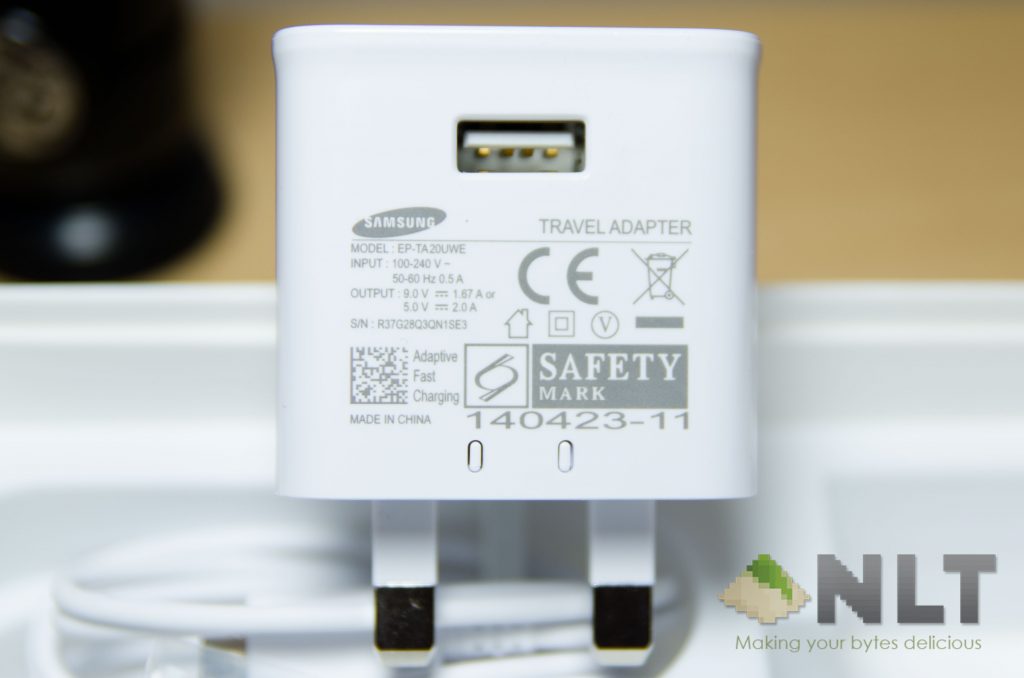
Here’s another thing that Samsung didn’t cheap out on the Galaxy A7 – fast charging. The included travel adapter can output both 5V 2A for basic charging across all devices, and also another 9V 1.57A for Fast Charging. Definitely a big plus!
[nextpage title=”Wrap up”]I think that the Galaxy A7 is a pretty awesome smartphone. The camera is stunning, performance is decent, and the phone looks and feels great too. These are only on the tip of the iceberg however, as there are many more little great things packed in the Galaxy A7, such as the super smooth vibration motor. Heck, even placing the audio jack at the bottom is a big plus for me!
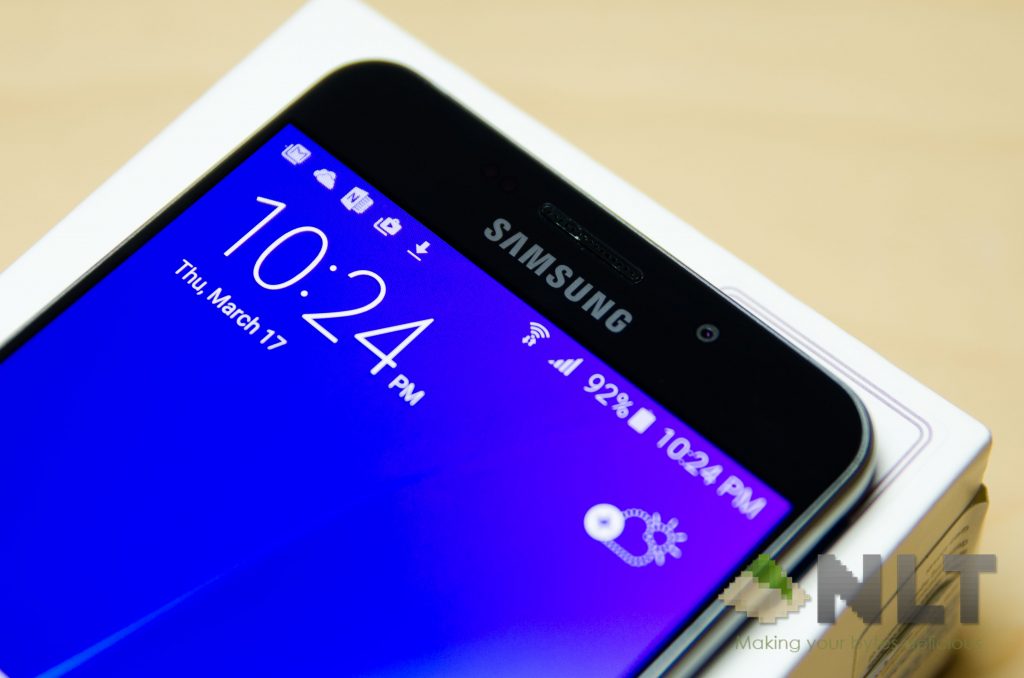
Of course, it runs on TouchWiz, but I think they got a lot better compared to the last time I’ve seen them. It’s a lot snappier, and the fingerprint scanner improved a lot compared to the Galaxy Note 4 era. It’s even prettier too, focusing on bright and sharp colours but still maintaining the classy harmony between hardware and software. Good job, Samsung!
Check out the Samsung Galaxy A7 for yourself today at the nearest Samsung store near you! If you plan to get one yourself, the price of the Galaxy A7 is floating somewhere near the RM1,600 range too!
Like our Facebook Page here at NasiLemakTech.com for more news and in-depth reviews! Also, join our Facebook Group for insightful information and memes!
Subscribe to our YouTube channel too!