













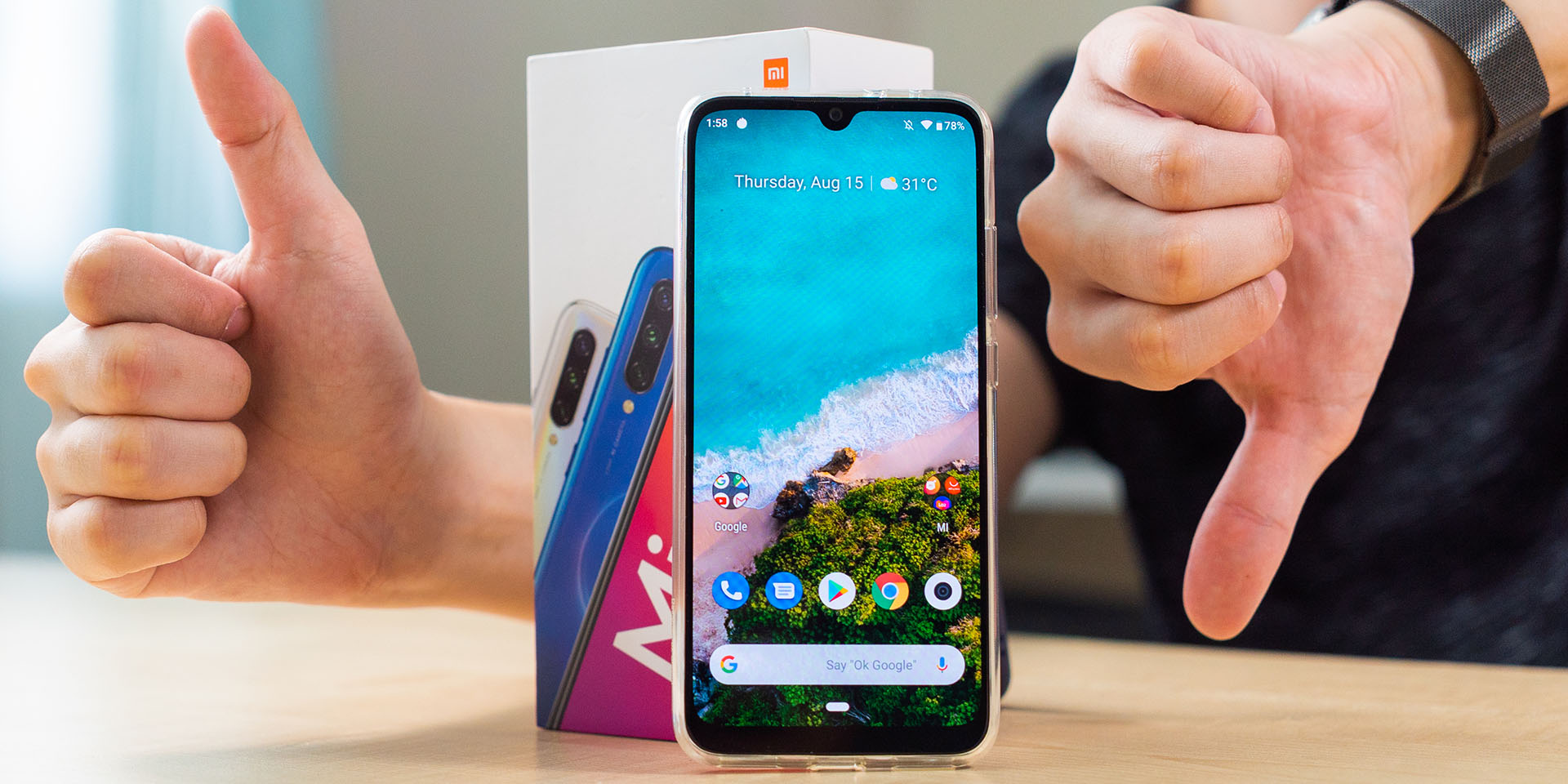

For Xiaomi’s third iteration of their Android One smartphone, the Mi A3 is an interesting one to boot. Right from the specs itself, it was pretty divisive, to say the least. We have a unit of the Mi A3 here for review, and we took it for a spin. We do have a lot to say about the Mi A3.
In this review, we took the Mi A3 and compared it with the Mi A2 (review), since we have the phone at hand.
Unboxing
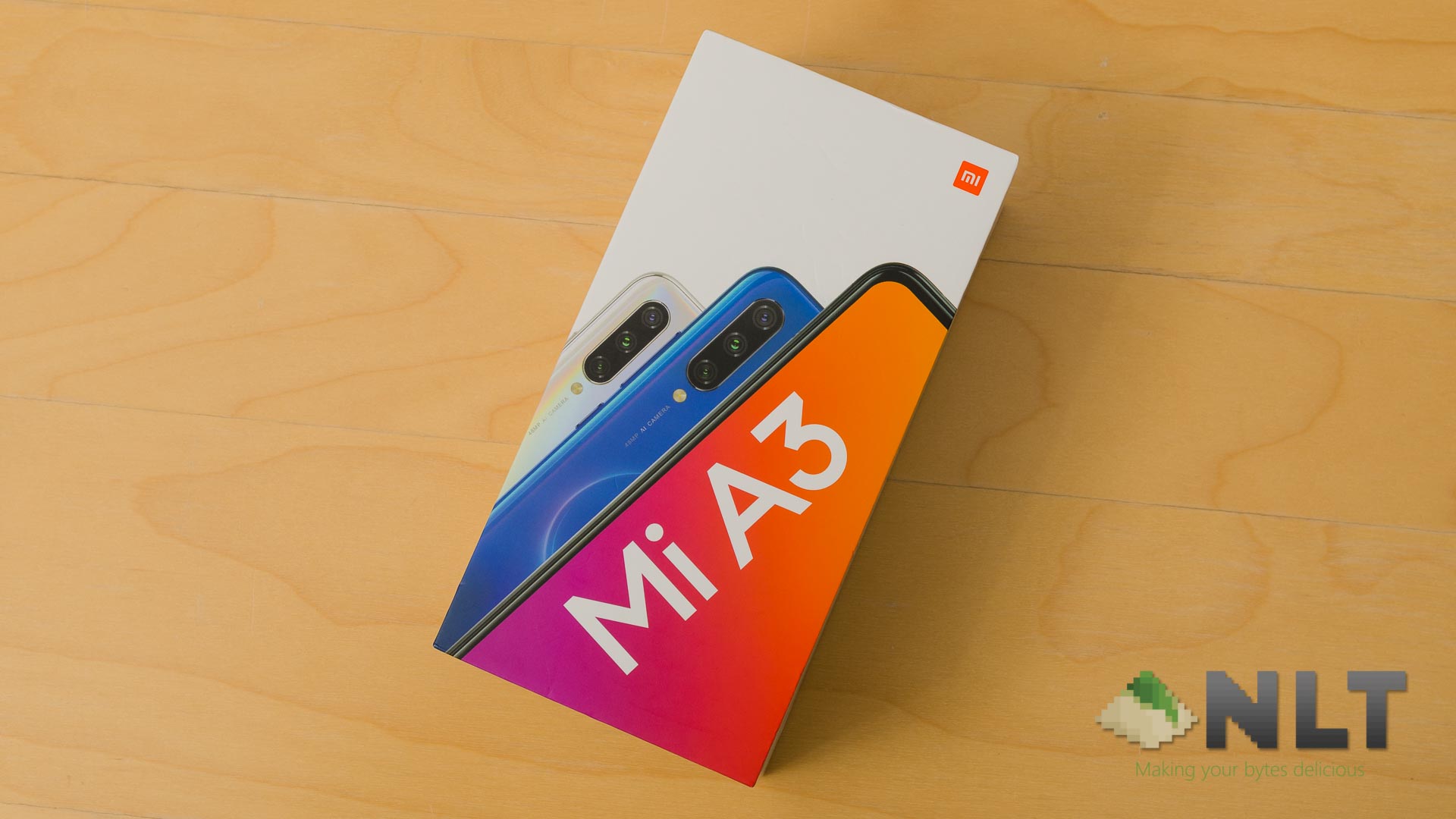
The overall box design is pretty fancy this time around. It shows both the white and blue color schemes and also part of the screen on the box itself. A bold move considering that the Mi A3’s screen has the most controversy this time around.
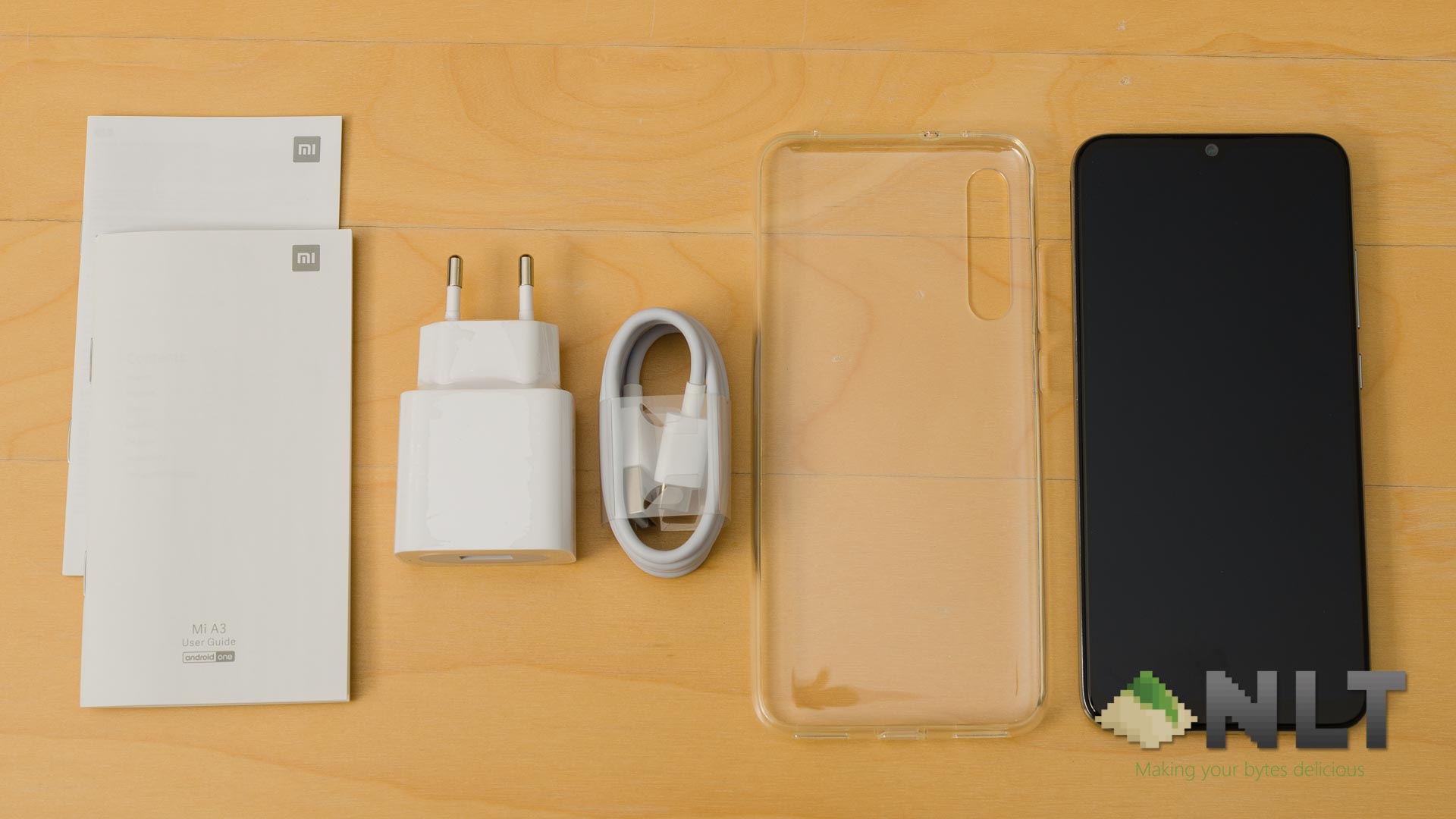
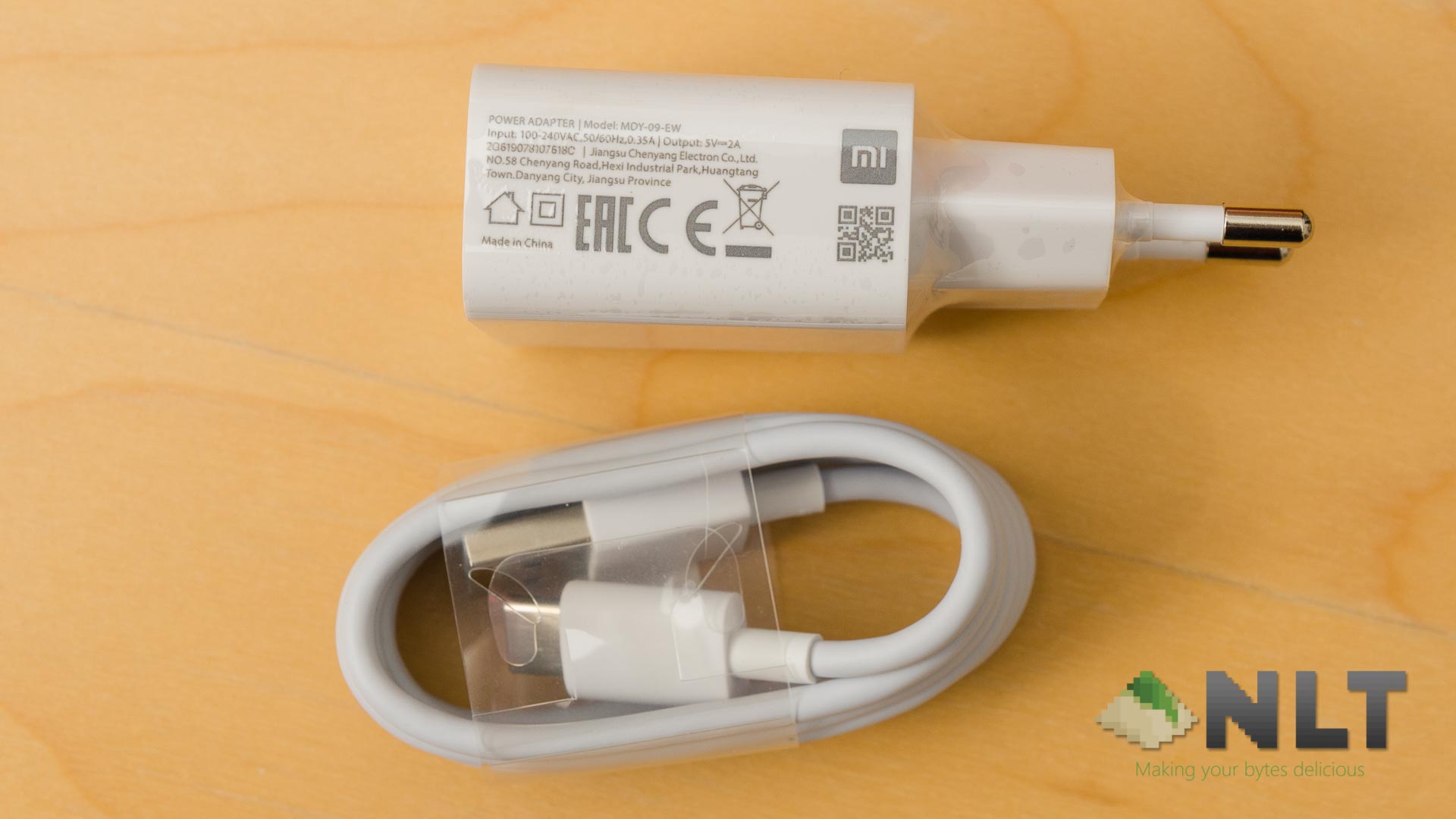
Digging out everything from within the box itself you get the usual documentation, a standard 5V 2A charger, a USB-C cable, a TPU case, and the Mi A3 itself.
Design
I have to say, Xiaomi somehow overdid themselves this time as the Mi A3 is available in three different and distinct color options – all of them with the Pixel’s play on words. The colors are “Not just Blue”, “Kind of Grey”, and the one that we have here for review is in the “More than White” color option.

We’ve seen the other two colors before here, and I personally prefer the “Not just Blue” the most. The “More than White” here is literally more than white because of its shimmer diffractions on its curved edges, giving it a rainbow color gradient around its sides.
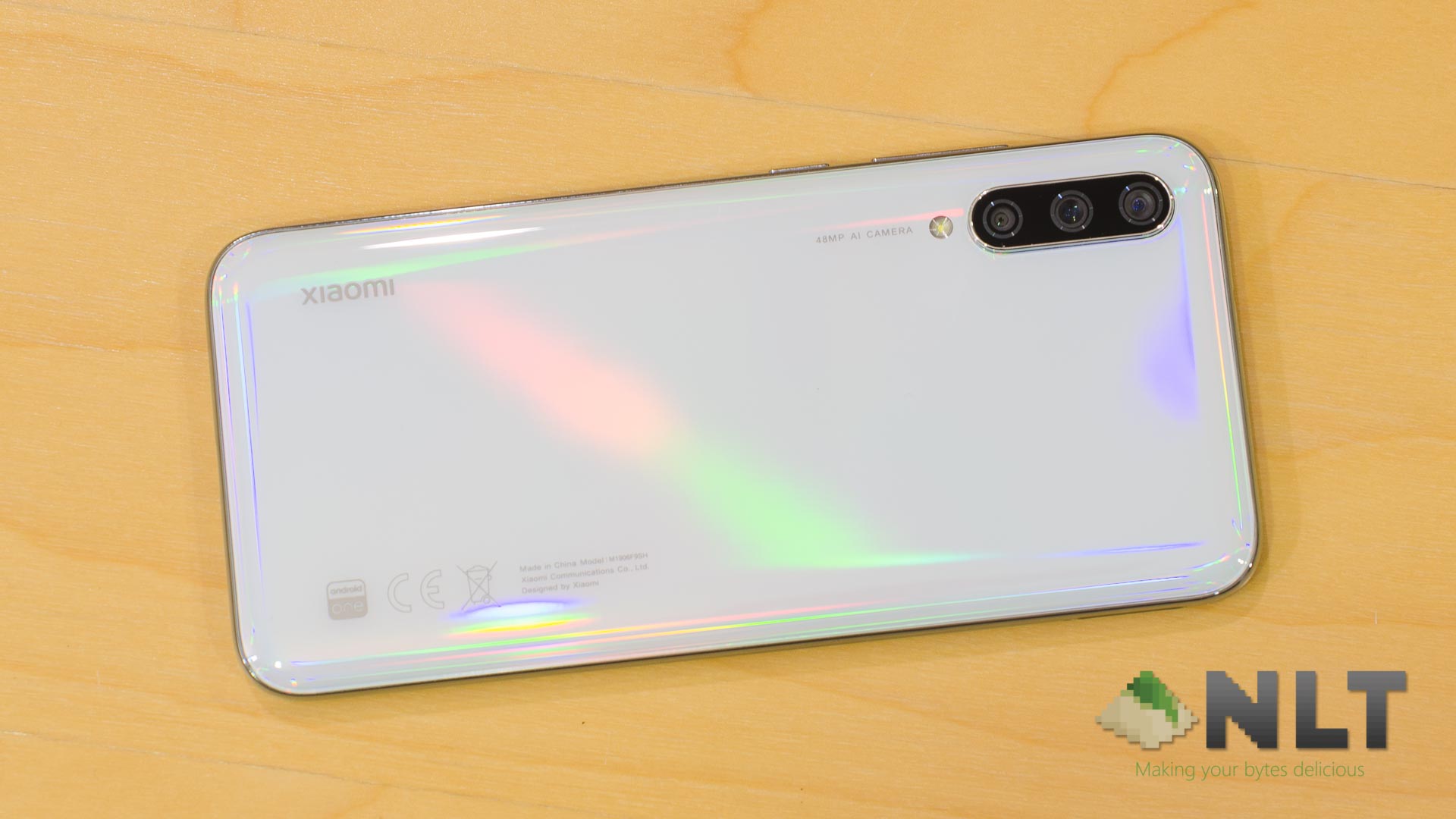
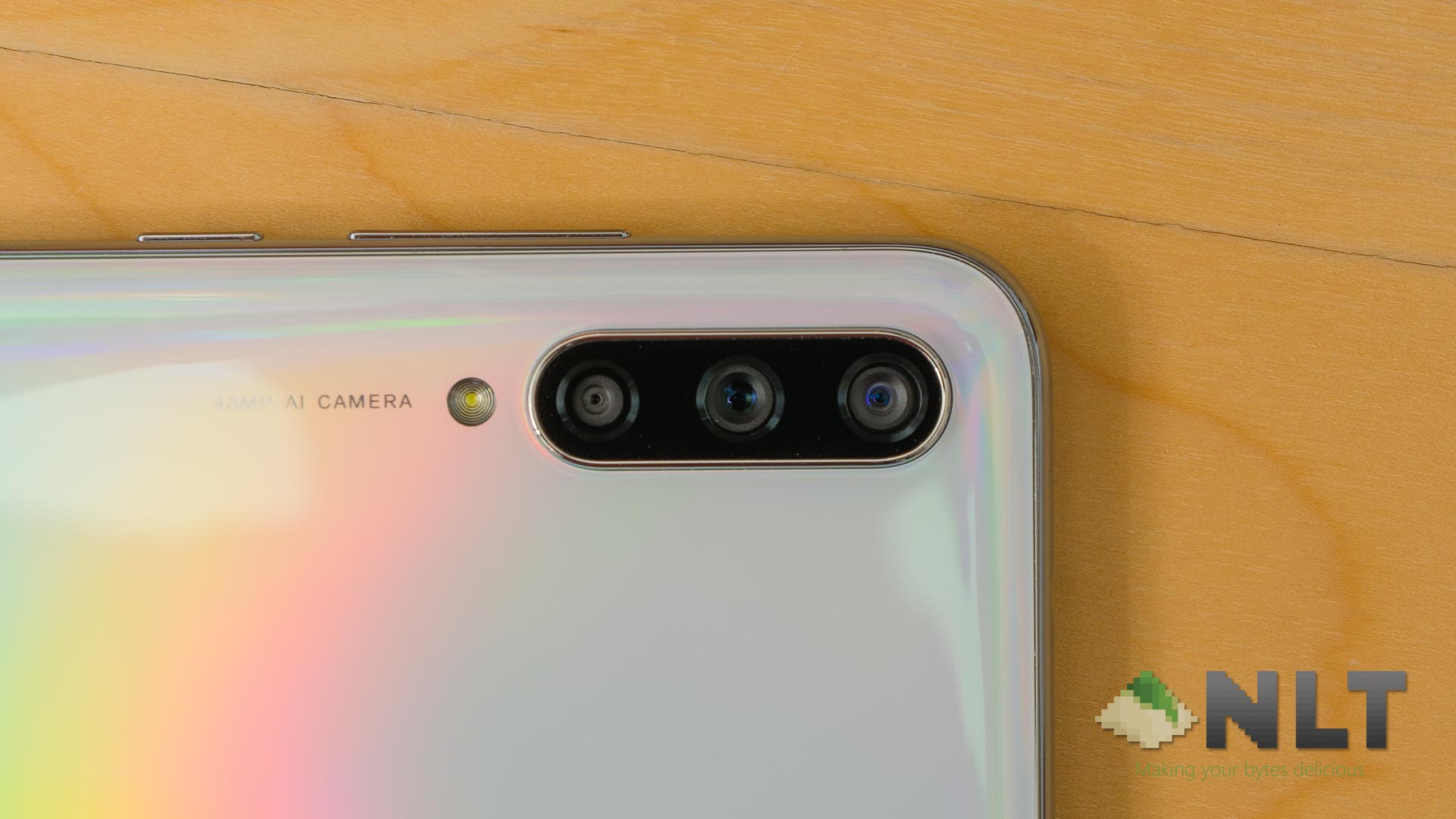
I also realized that the phone is overall thicker than the Mi A2 from last year, but is also nice to hold thanks to its curves. With a thicker body, the Mi A3 also has a smaller camera bump on the rear.
As for the included TPU case, I have no idea why there is an integrated dust plug. Look, the Mi A3 doesn’t support wireless charging and this integrated dust plug gets in the way, making it difficult to plug in the USB cable for charging. This would make better sense if the Mi A3 has wireless charging.
Connectivity & Ports
The Mi A3 did a bold move this time around. Xiaomi heard the numerous complaints on the Mi A2 for not having the 3.5mm audio jack, so they brought it back. If removing the headphone jack is an act of courage, then reinstating the headphone jack after its removal is an act of bravery – and I commend Xiaomi for doing that.
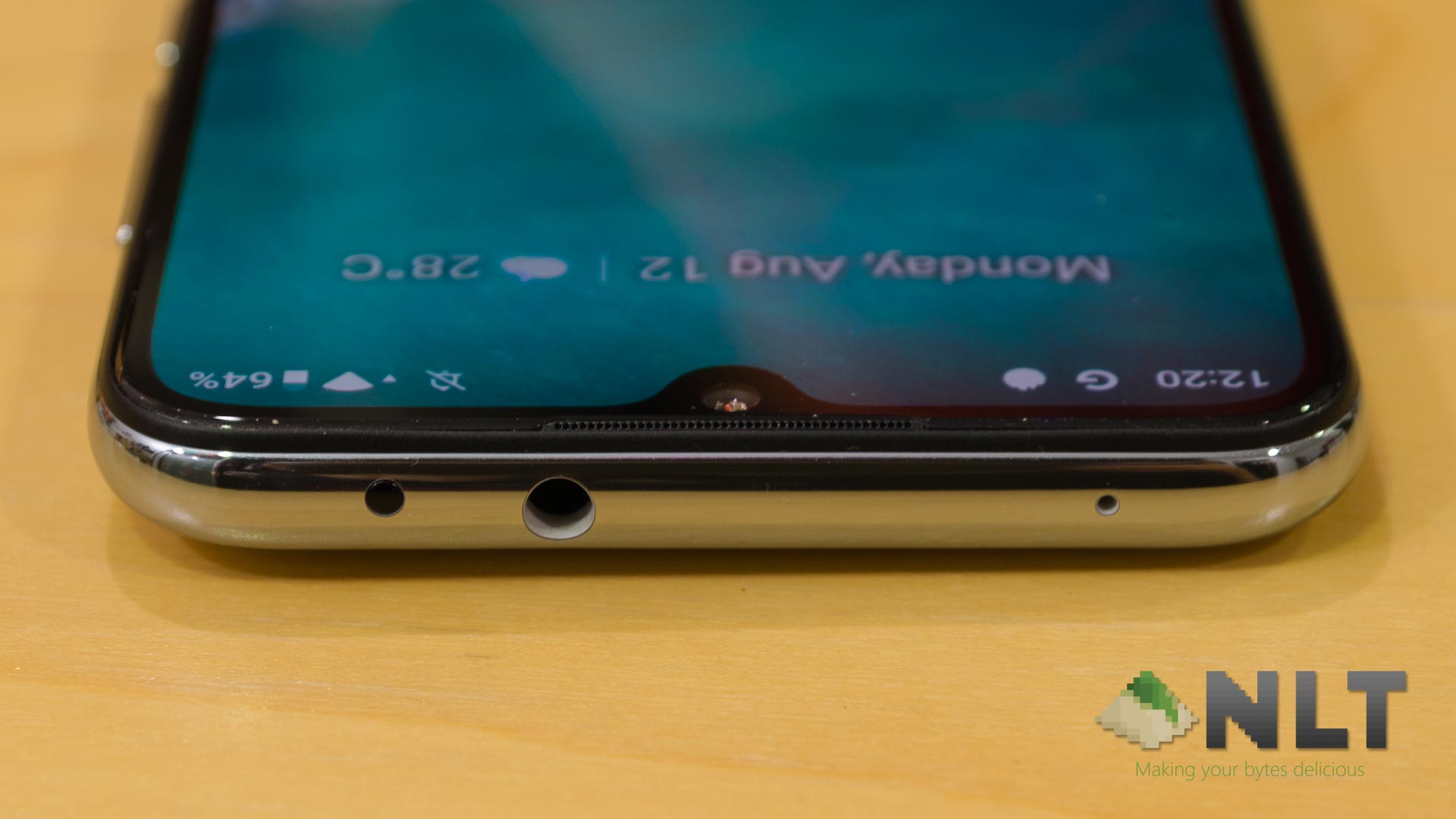
Other than that, it’s a pretty standard affair with 5GHz AC-WiFi support and whatnot. One more feature that made a return to the Mi A3 is the microSD card slot – which is fantastic as being locked down to only the internal storage can be annoying sometimes.
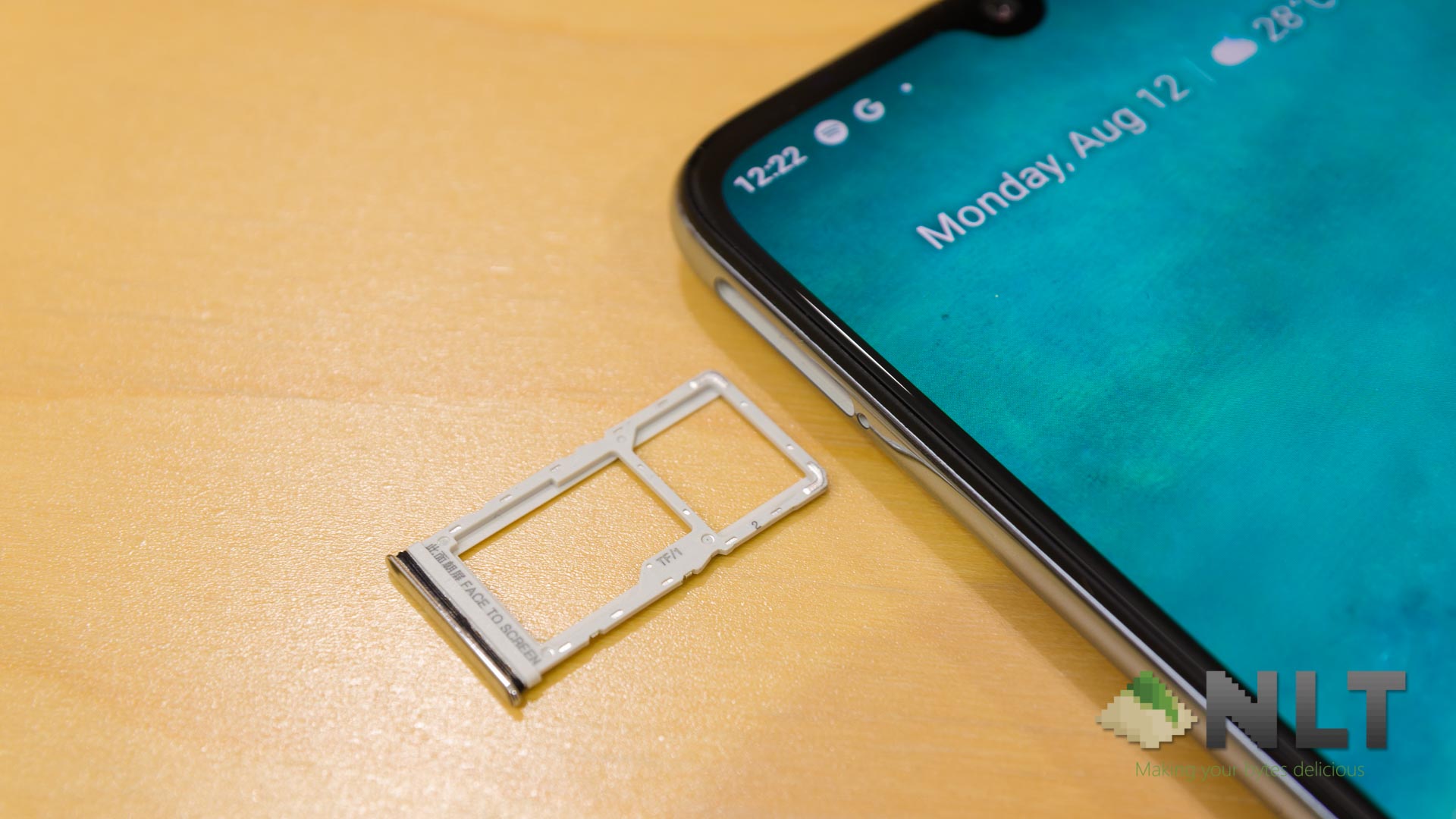
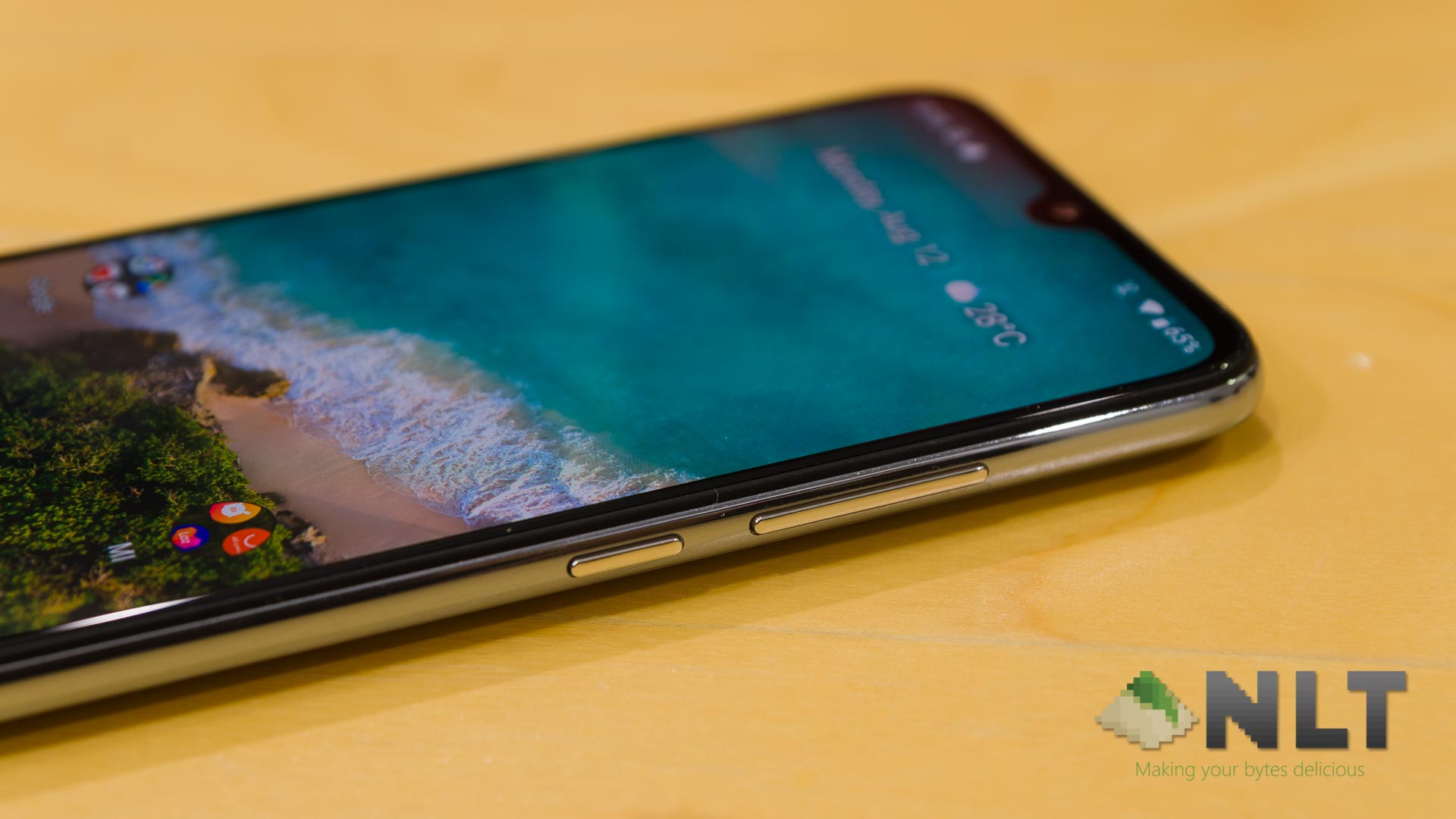
You have all the buttons on the right side of the phone this time around which – depending on your personal preference – it’s okay.
Display
By far the most controversial point of the Mi A3 is, of course, the display. While the Mi A2 has a 1080p IPS LCD display with a rather big notch, the brand new Mi A3 now comes with 720p Super AMOLED display. As per mentioned – the Super AMOLED display is indeed better than IPS LCD screens – but the resolution here is the biggest problem.
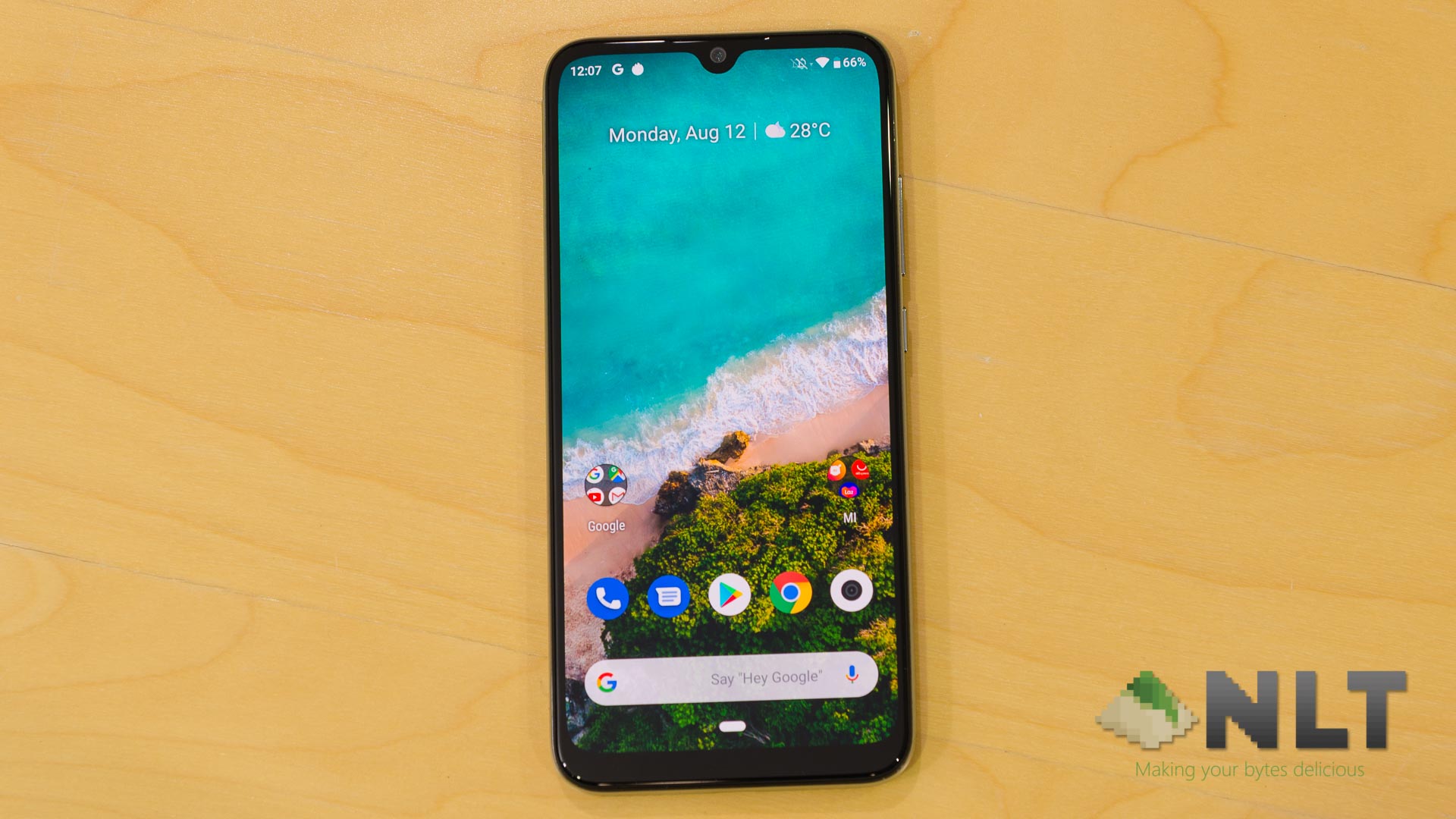
Xiaomi not only increased the screen size (albeit just a little) but has cut the resolution by more than half! There’s only about 41% of the number of pixels remain on the Mi A3 when compared to the Mi A2. I would normally argue that 720p pixels don’t really matter – like on the Nintendo Switch – but that is a gaming console with texts that are far and few in between.
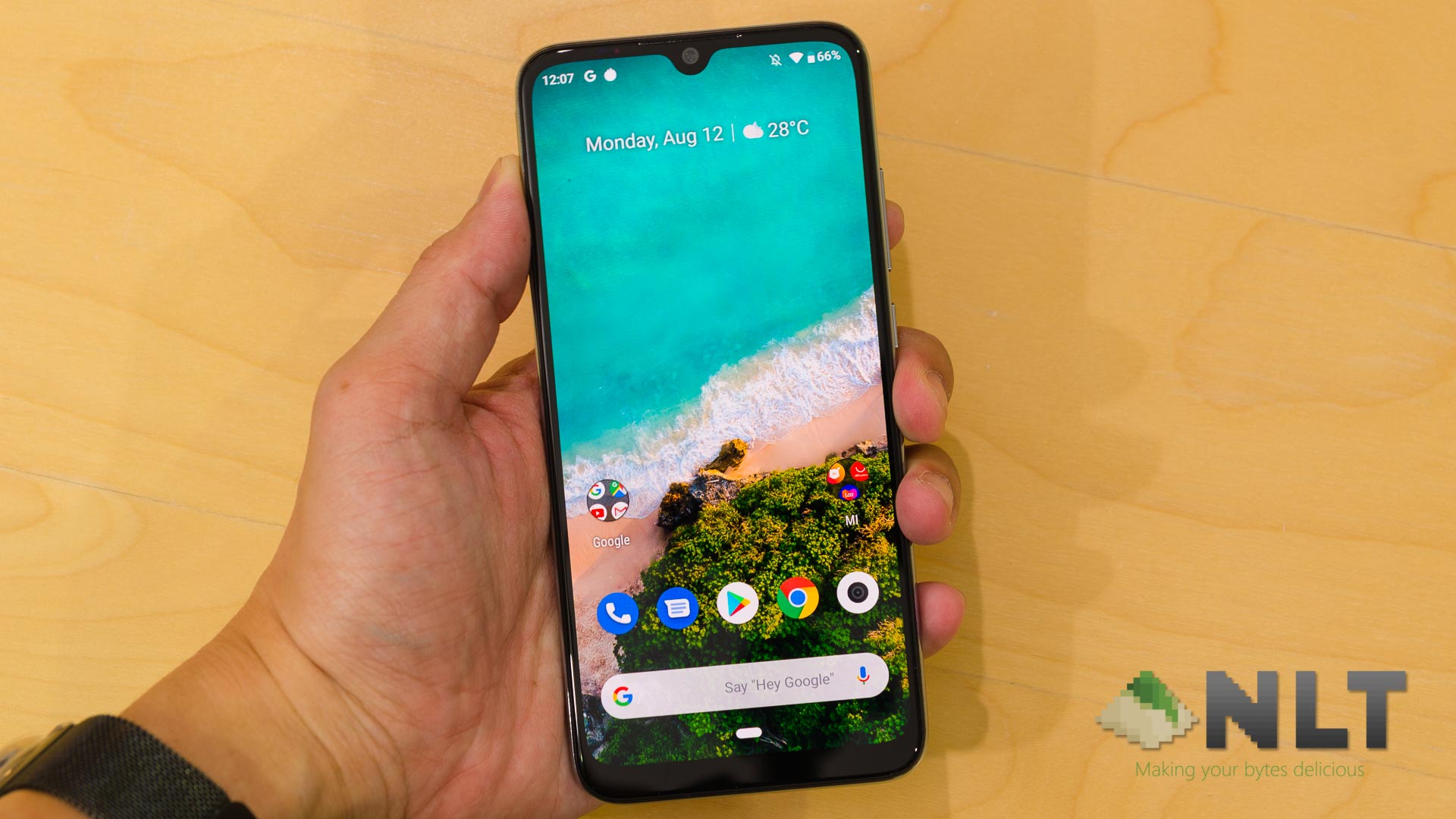
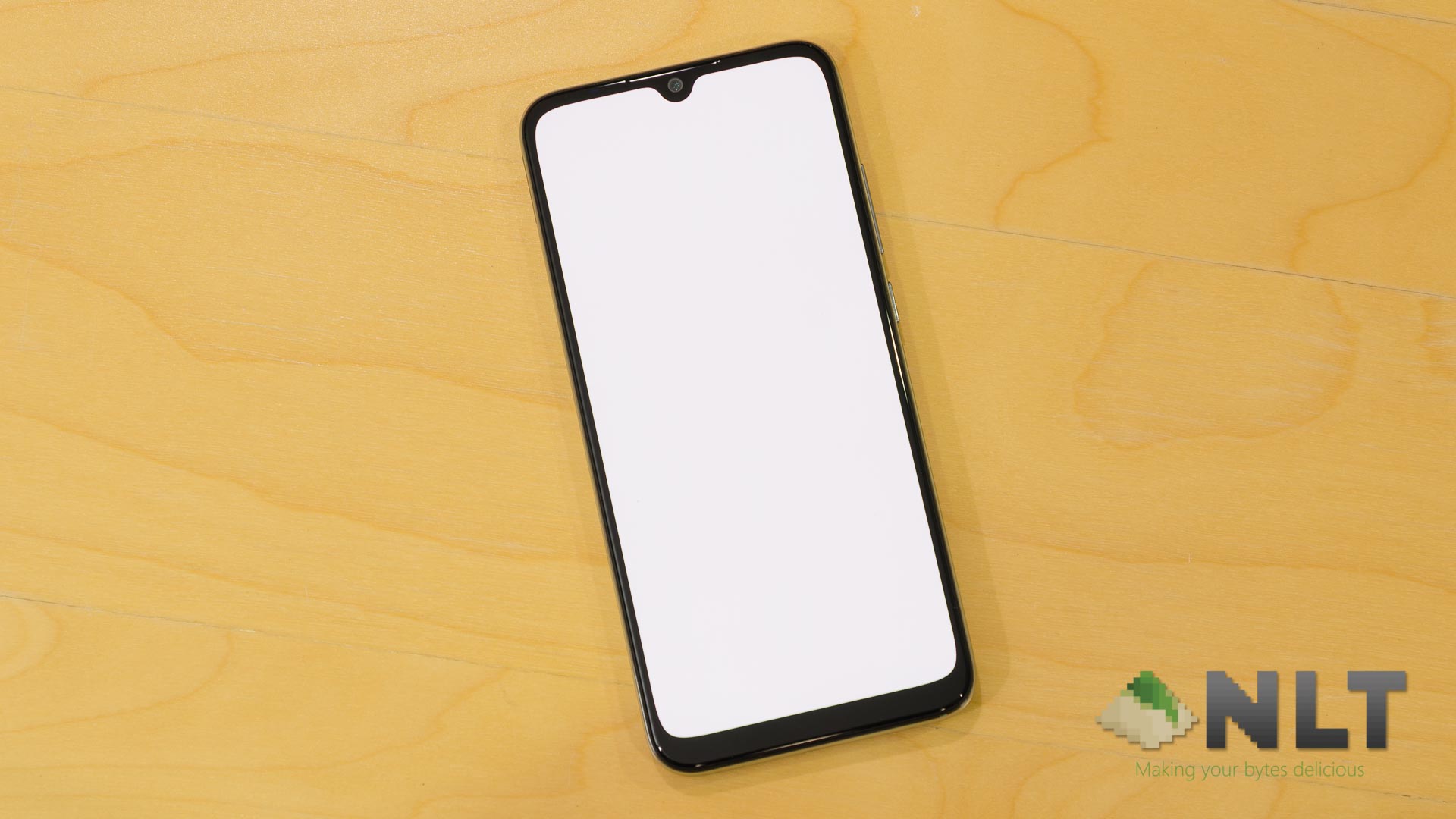
From our usage experience, the rounded corners around the corners of the screen are also a little too much, cropping out elements of apps. I also realized because of the low resolution of the screen, I can see jagged edges on the curvatures – which is jarring as the first time I saw this was when I booted up the phone for the first time.
Cameras
Alright – the cameras. On paper, it got beefier compared to last year. This time around, you get two usable cameras in addition to the depth sensor:
- Main: 48MP f/1.8 autofocusing
- Ultrawide angle: 8MP f/2.2 fixed focus
- Depth sensor
The selfie camera here is 32MP f/2.0 with fixed focus, make it rather potent. The picture quality of the camera isn’t that bad as well.
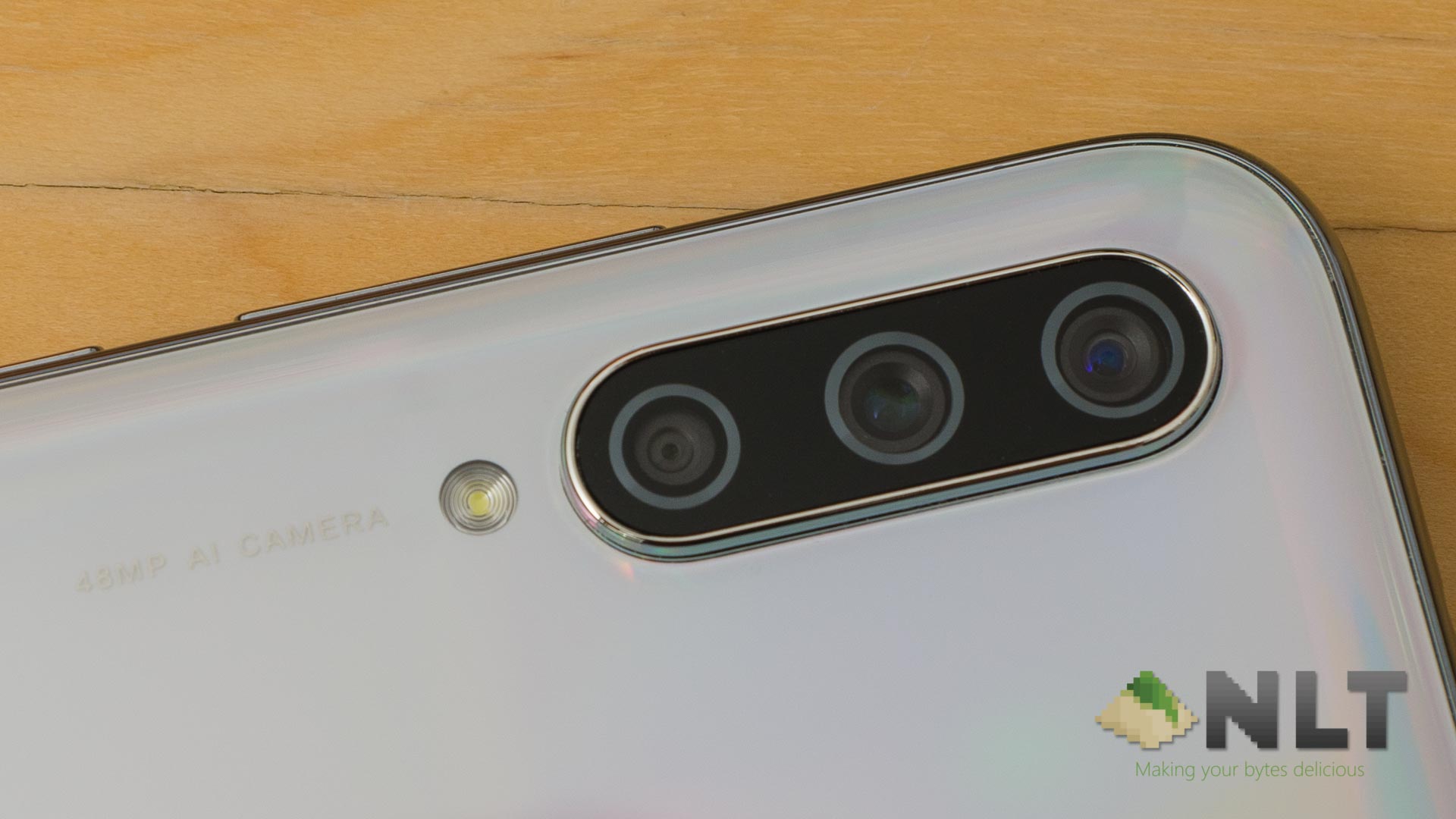
The overall white balance of the pictures are good, but any pictures taken with the main 48MP camera is a little dull. Switching over to the ultrawide angle camera, the colors are a little more vibrant. You can have a look at our full album of all the pictures taken with the Mi A3 at our Shutterfly album.


Night shots are decent too, as usual.


But my biggest complaint here is not the about the picture quality – but the usage of the camera itself. For some reason, it felt as if Xiaomi did not optimize the camera API and there is a very long delay between pressing the shutter and the phone actually taking the picture. This shutter delay reminds me of what happened back in the days of the Nexus 4 – which was back in 2012.
I suggest you watch the video review at the top of this post to get an idea of what I mean.
Software – Pure Android 9.0 Pie
Being a part of Android One means getting software updates from Google themselves in a timely manner. By starting the phone, I already got a firmware update.
The other highlight here is the lack of any skins of bloatware. This is all the apps that you have when you start the phone for the first time.
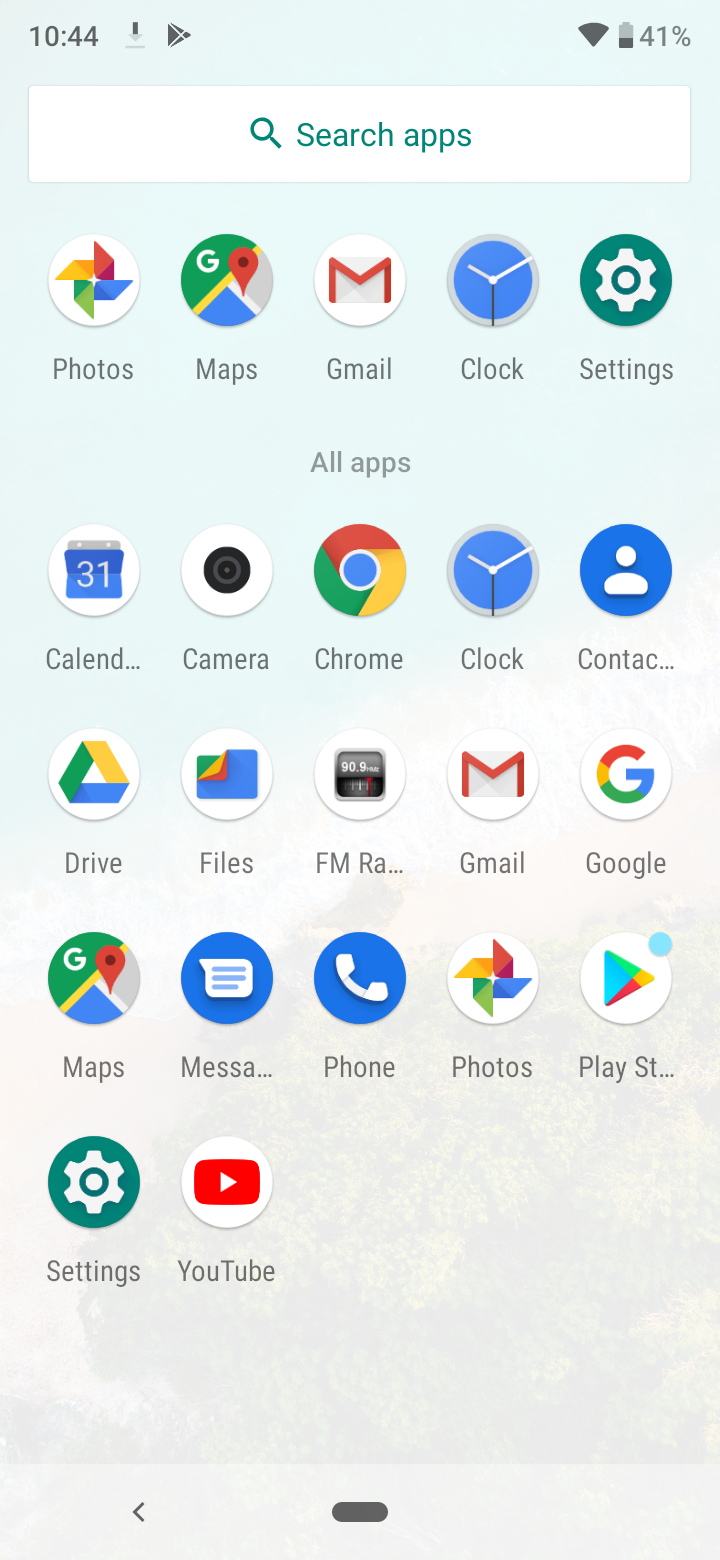
While Android One is highly sought-after for some people, I think it’s a little too bare. Your mileage may vary.
Performance & Gaming
Let us first summarize the specs of the Mi A3. For the unit that we have for review, it comes with:
- 6.088-inch Super AMOLED display with 1560×720 pixels in resolution
- Qualcomm Snapdragon 655
- 4GB RAM
- 64GB storage (expandable with microSD card)
- 4,030mAh battery with Qualcomm QuickCharge 3.0 support
- Only comes bundled with 5V 2A charger
Let’s not beat around the bush here. I state what I said in the video again – this is a great example of how having a higher number in product naming schemes doesn’t necessarily mean a better product. Compared to the Snapdragon 660 on the Mi A2, the Snapdragon 665 that comes in the Mi A3 is underperforming in both single-core and GPU in benchmarks, and in gaming as well. The Snapdragon 655 only manages to win in multi-core benchmarks.
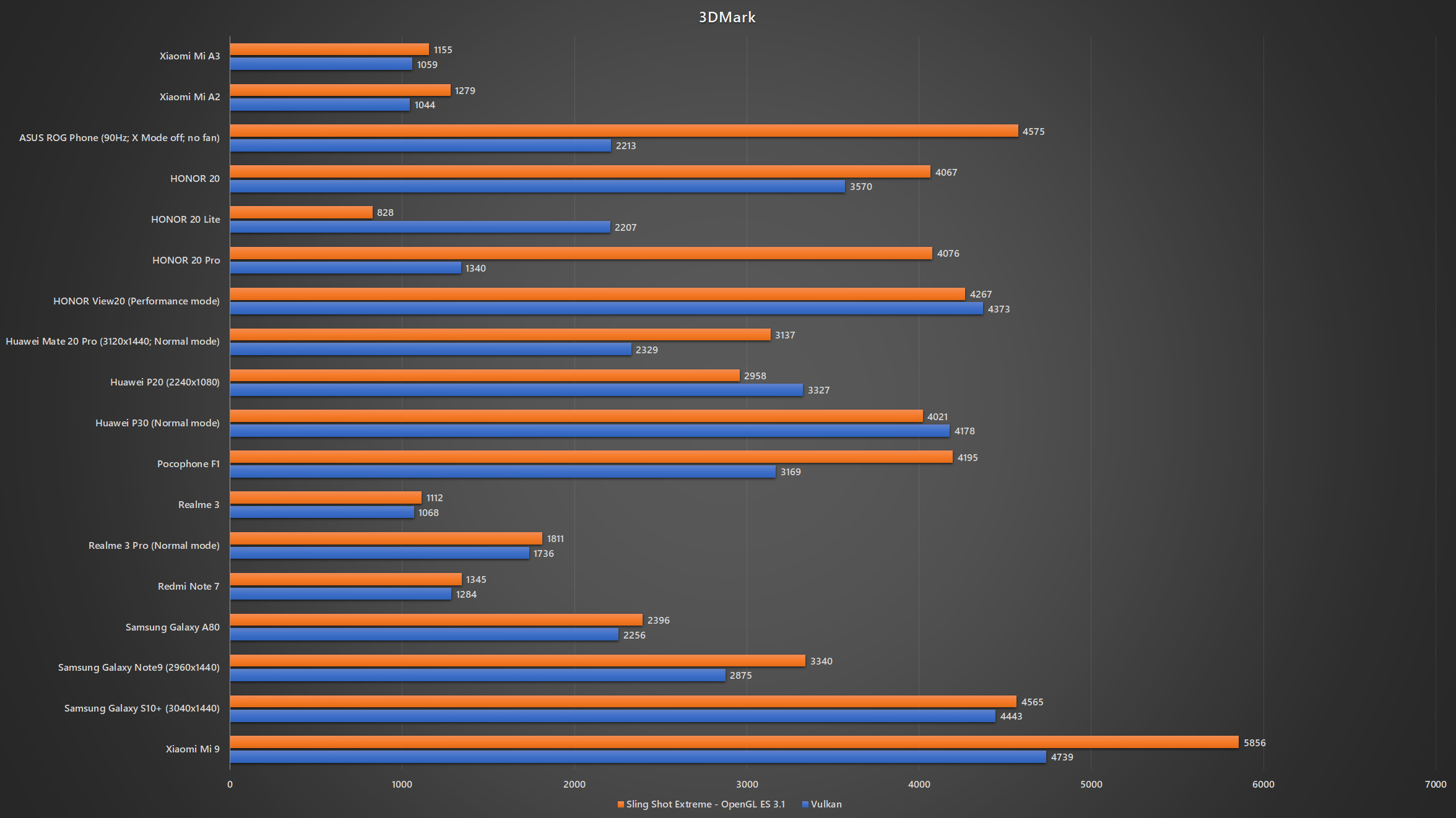
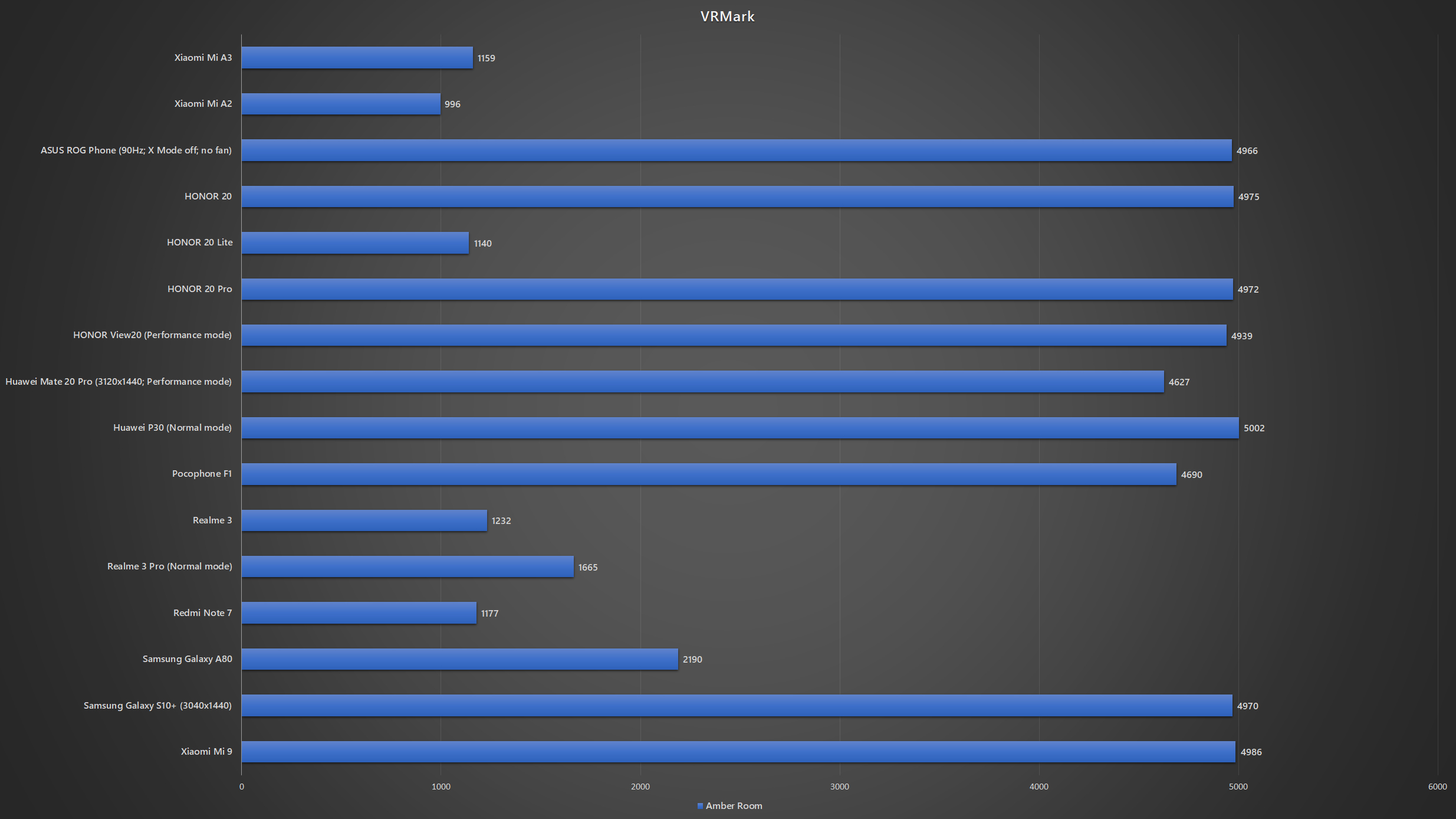
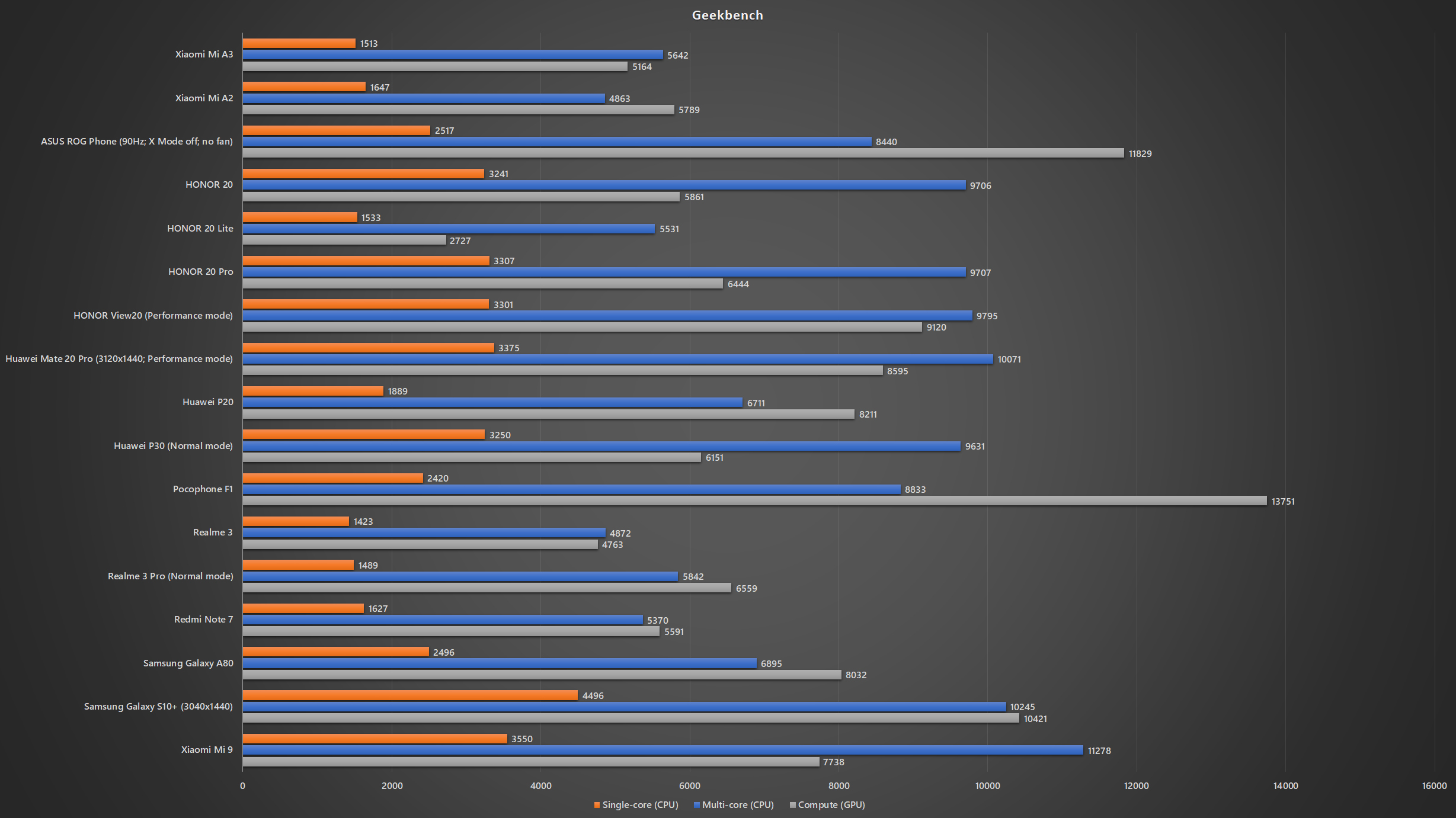
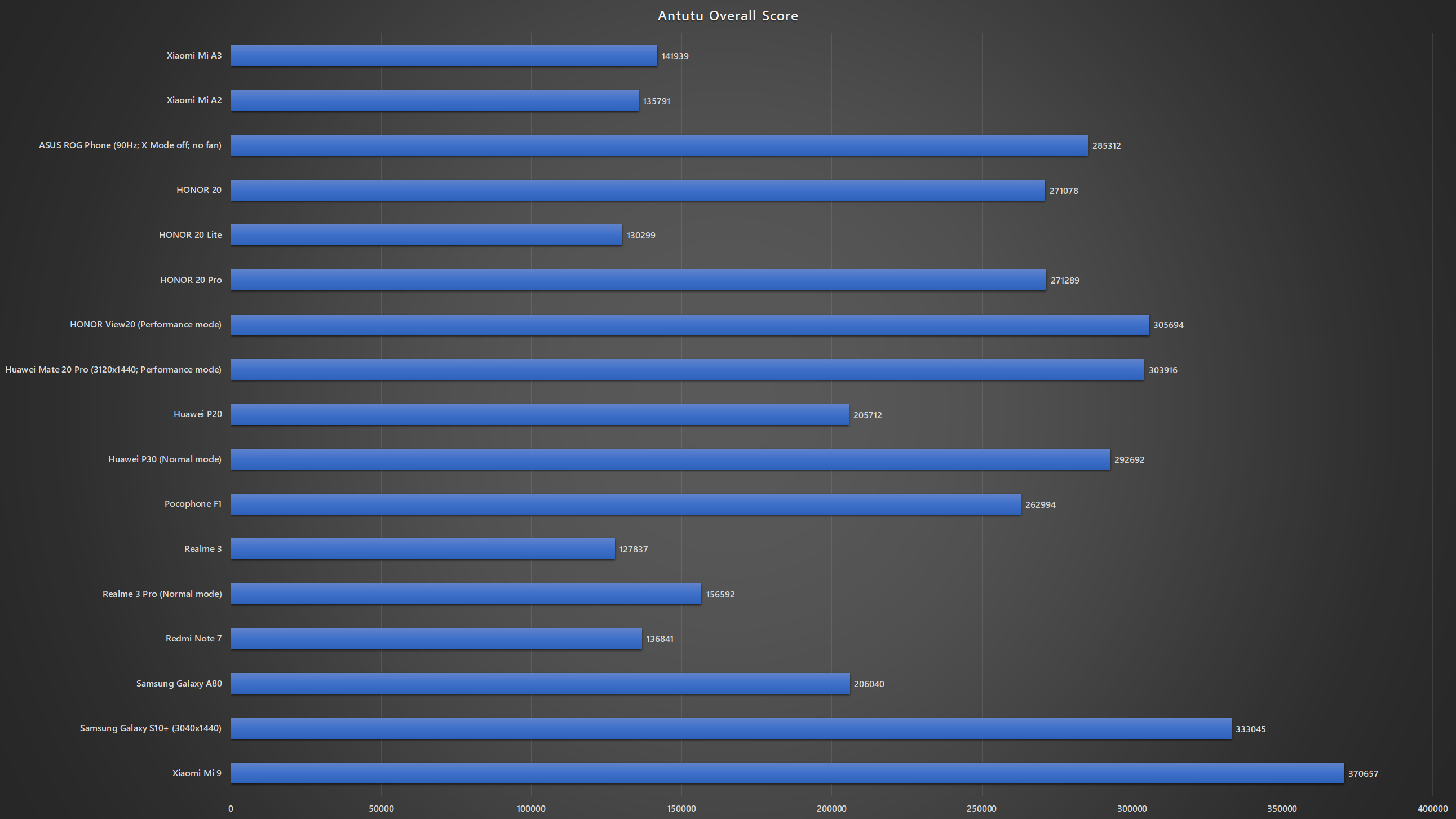
I am thoroughly disappointed by the performance of the Snapdragon 665, honestly.
Gaming
Gaming? Perhaps Android is still not optimized for the Snapdragon 665 yet but it is just awful. Honkai Impact 3 runs poorly on the Mi A3. Asphalt 9 is buggy and only managed to run smoothly at the lowest graphical settings. PUBG Mobile? Lowest graphical settings as well – but at “high” frame rates only – which is at 30fps.
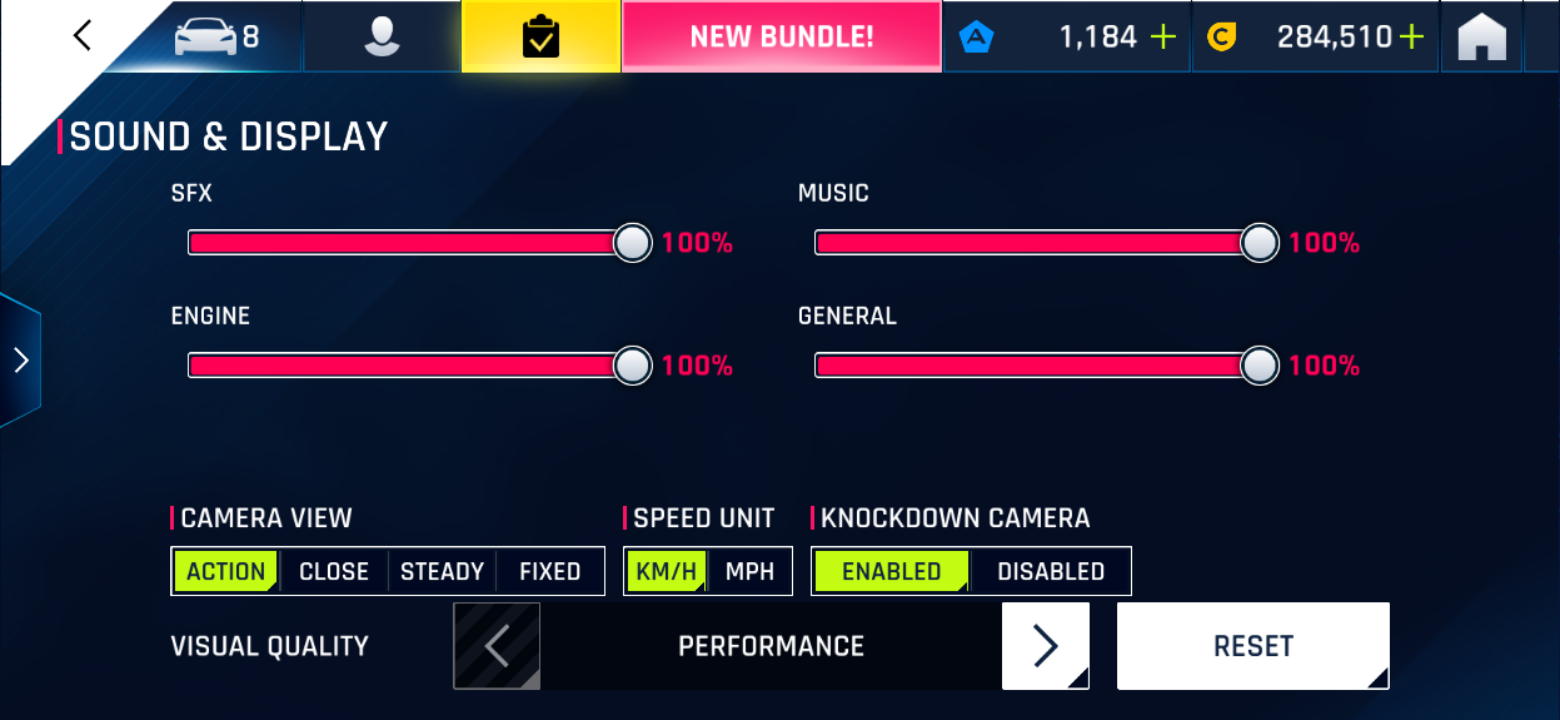
But then again – graphical quality doesn’t matter here, right? The Mi A3 is only using a 720p display after all. 🤷♂️
Battery & Charger
The Snapdragon 665 in the Mi A3 is somewhat a weird one. During our battery test, it reinforces the idea of Android is not optimized for the Snapdragon 665 yet since the battery drainage is sometimes high and sometimes low. We redid our battery life test and it varied greatly until we got a larger sample size and picked the most consistent one.
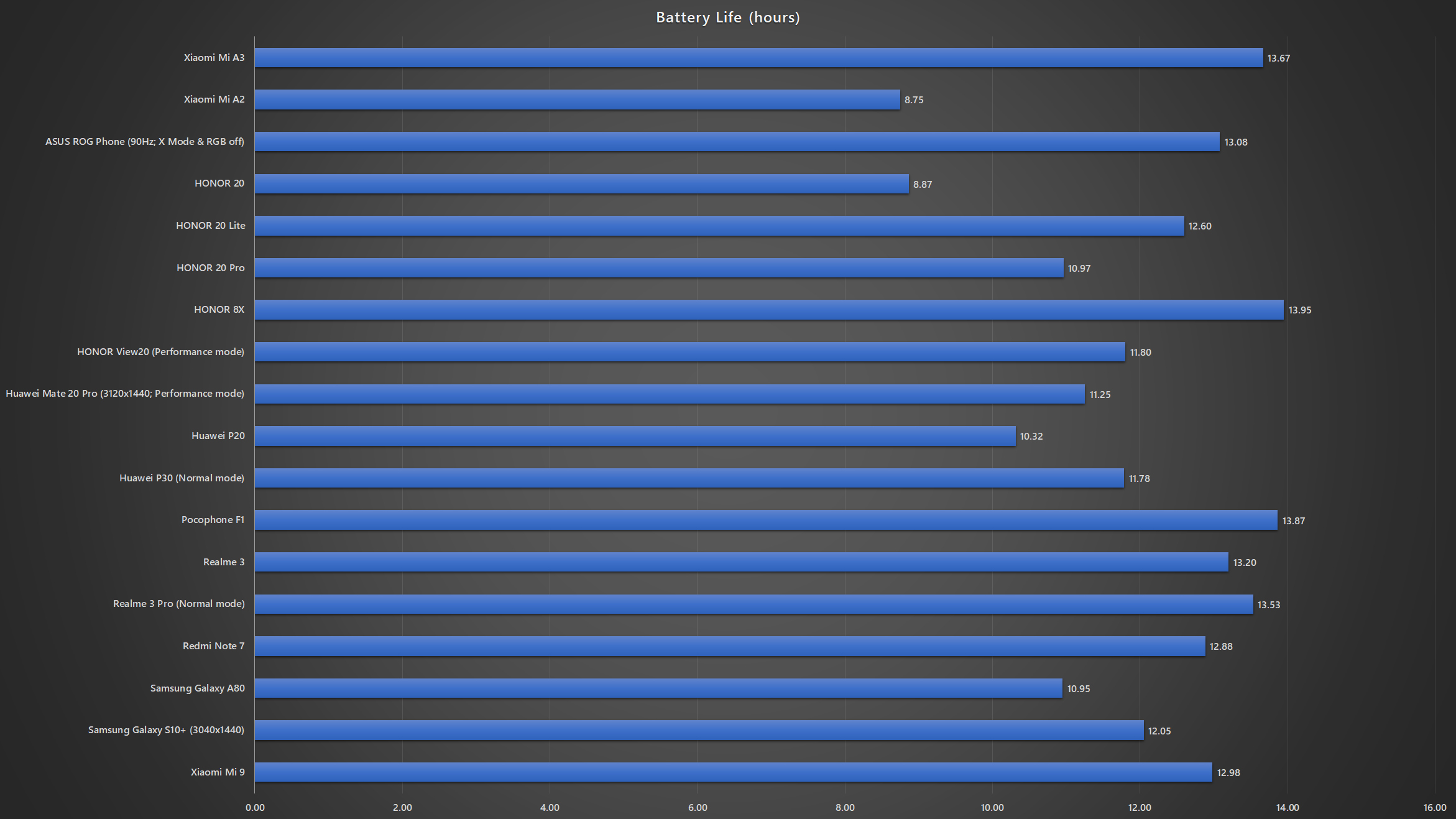
We can say that the Mi A3 can last you throughout the whole day with its 4,030mAh battery but be wary as sometimes you might have more charge left at the end of the day.
Charger
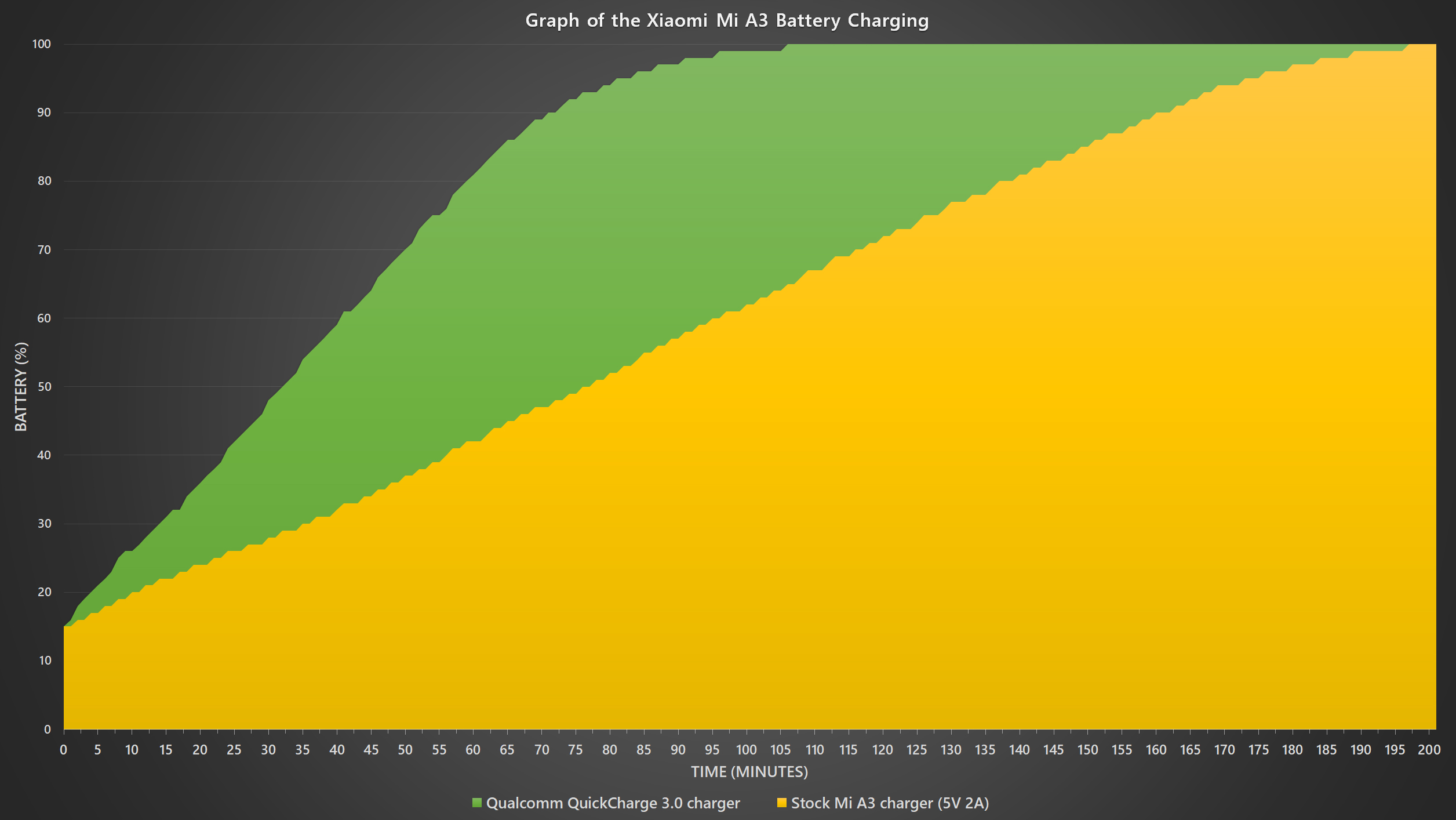
Like a few other Xiaomi phones, the Mi A3 supports QuickCharge 3.0 but only comes with a standard 5V 2A charger. So for those who are always looking for a literal quick charge before setting off for another appointment, then you’ll have to buy your own QuickCharge 3.0 charger.
By looking at the charging curve, we can see that the Mi A3 takes around 32 minutes to reach 50% and 54 minutes to reach 75% charge. As for the included 5V 2A charger, it takes around 76 minutes to reach 50% charge and 126 minutes to reach 75% charge. A big discrepancy in the time taken to reach the same charge level.
Wrapping up the Xiaomi Mi A3 review
Let’s conclude with the price of the Mi A3. For the 4GB RAM + 64GB storage, the Mi A3 is priced at RM899.
I think calling the Mi A3 expensive is justified, although it is a word that is rarely associated with the brand name of Xiaomi. Compared to the Mi A2, trading for worse performance and a lower resolution screen for a larger battery, headphone jack, and microSD card slot is unacceptable – at least for me.
Why did I say that? Well, because Xiaomi also has another smartphone in their portfolio – the Redmi Note 7 (review). For the same amount of RAM and storage, the Redmi Note 7 is priced at only RM799. That makes the Mi A3 a difficult phone to recommend.

Like our Facebook Page here at NasiLemakTech.com for more news and in-depth reviews! Also, join our Facebook Group for insightful information and memes!
Subscribe to our YouTube channel too!