














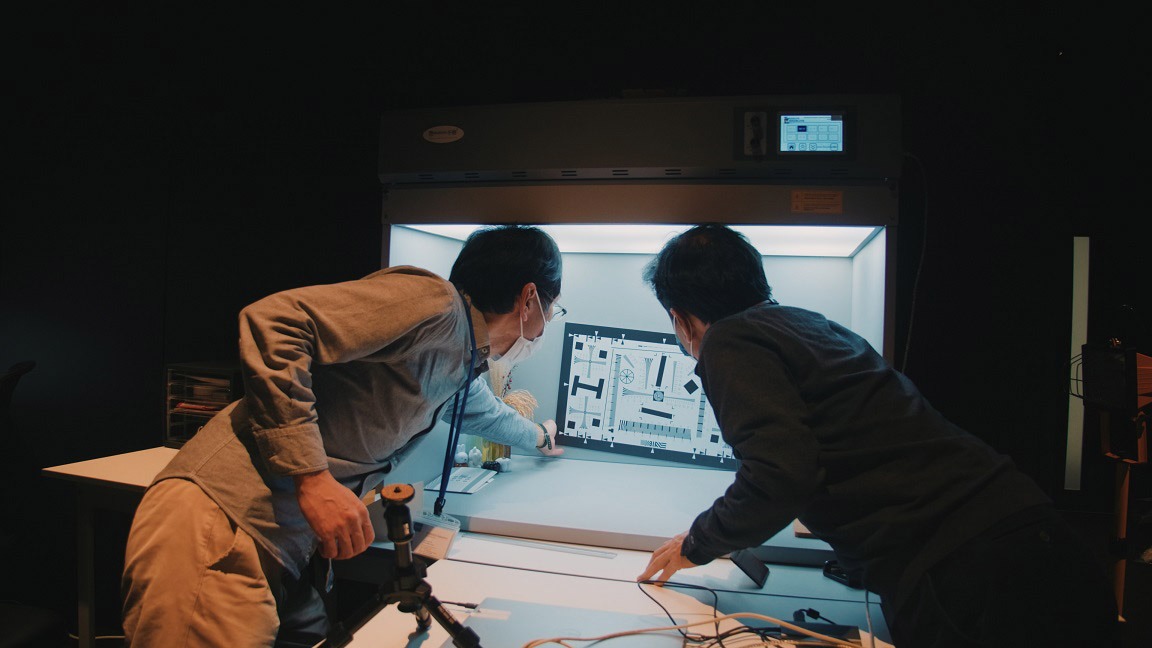

vivo’s leap in mobile imaging in recent years has seen big steps in terms of implementing ultra-wide-angle, telephoto, and Time of Flight (ToF) solutions so surely they have some sort of strong R&D forces behind those technologies. So, vivo shared some details just about that a couple of days ago.
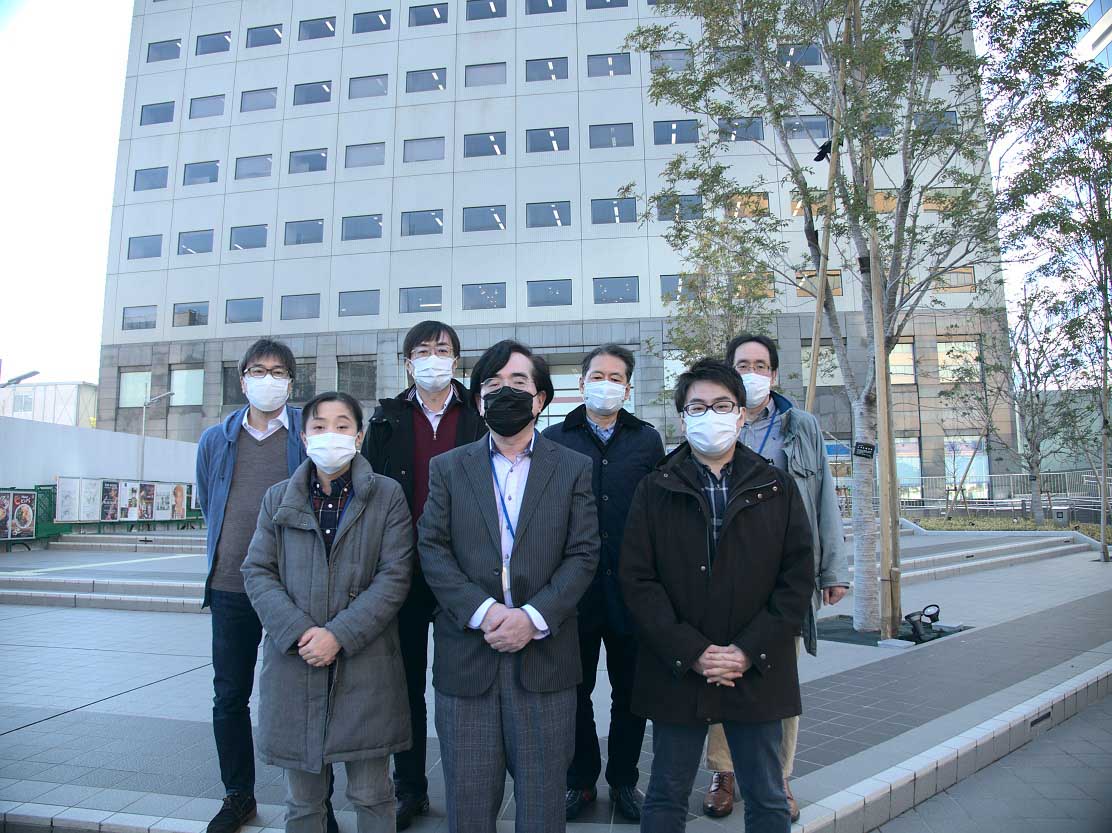
Established back in 2019 over at Shimbashi, Tokyo, the R&D center is created to perform pre-research alongside the development of future-proof technologies. However, the dates can go as far back as 2017 when the smartphone market has been torn apart with intense competition among brands with vivo not being one of the major players in the sector at that time. Aimed to become one, vivo has decided to take a step ahead and found their R&D center specifically in Japan.
Why Japan you asked? Executive Masazumi has explained that his country has more than 100 years of history in mobile imaging development and has undergone huge transitions from film to digital imaging, including lenses, sensors, and motors. With tons of industrial experience and maturity under the belt, it makes sense for vivo to have a Japanese team to take care of the research work.
Advantage on one side, surely there’s some disadvantage in some aspects and that’s where the issue arises in the transition between R&D to mass production as prototypes need to be tested in China so shipping everything costs time and money. Not only that, as the Tokyo R&D team uses Japan-based materials that sometimes are unique to them to a local extent, the vivo HQ over in China may have some complications that result in slowdowns in the development process.

As the Tokyo R&D center grows, it has moved from Shimbashi to Gochome, Chuo-ku, the central area of Tokyo, and its focus has gradually expanded from mobile phone imaging to more niche areas such as car cameras, sports cameras, and industrial cameras. As digital office becomes more mainstream since 2020, both teams from China and Japan exchange value insights through online discussions with the Chinese taking care of market research and future predictions work while the Japanese delve deep into the requirements and engineering tasks.
When asked what form will the mobile imaging components take in the future? Masazumi predicted that every single one of them would be included within the sensor itself as everything becomes more miniature as the manufacturing process becomes better.
Like our Facebook Page here at NasiLemakTech.com for more news and in-depth reviews! Also, join our Facebook Group for insightful information and memes!
Subscribe to our YouTube channel too!