















The Apple Event today has brought in a lot of hype of brand new offerings from computing components to fully fleshed out products and in this post, we’ll be going over the Apple M1 Ultra, Mac Studio mini desktop, and the Studio Display monitor.
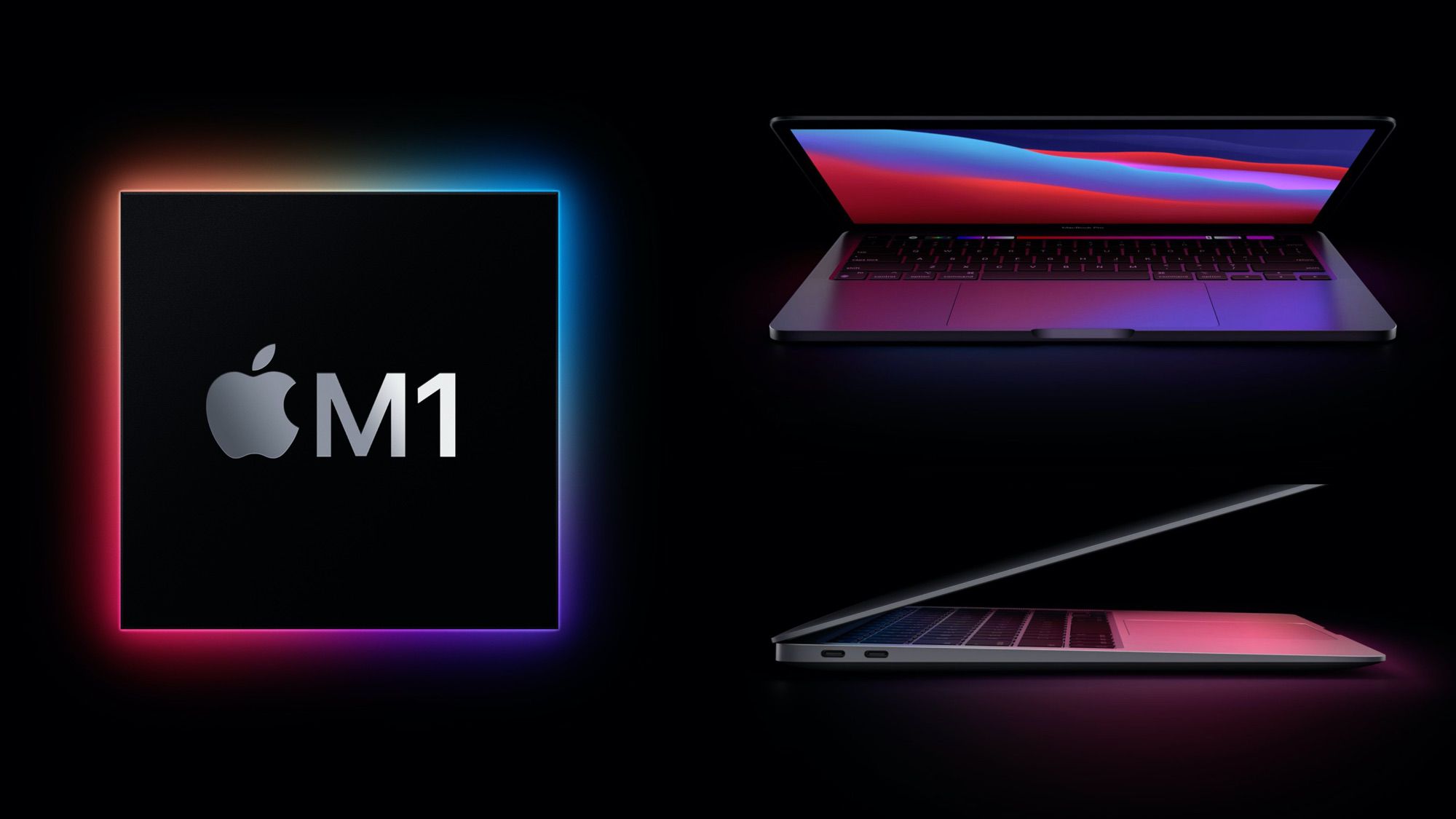
Pretty sure some of you have already seen the power of the M1 Max in reviews and whatnot and maybe you’ve already owned one of the machines that jacked up your productivity like never before. But what if there’s room for more? Then the monstrous Apple M1 Ultra is the new king of 2022.
By physically connecting two M1 Max chips through the UltraFusion packaging architecture utilizing a silicon interposer, Apple is now capable of scaling its in-house developed chip with unprecedented performance improvement while not encountering some of the conventional problems like increased latency, reduced bandwidth, or an overrated power consumption level. Housing an astounding 20-core CPU with 16 performance and 4 efficiency cores coupled with a bombastic 64-core GPU that runs at less than 300W combined, the M1 Ultra provides an 800GBps memory bandwidth and up to 128GB of unified memory. Additionally, the 32-core neural engine core speeds through machine-learning applications like nothing and one of the most important parts: 2x the media engine capabilities, because there are literally 2 physical M1 Max in there and Apple guarantees that any M1 Ultra equipped machine is capable of streaming 18 ProRes 422 video signals at 8K, not to mention all the macOS and associated apps are all ready and optimized within the latest macOS Monterey revision.
Bottom line, Apple is going to launch this new chip in the new Mac Studio first with MacBook variants coming in the future, probably.
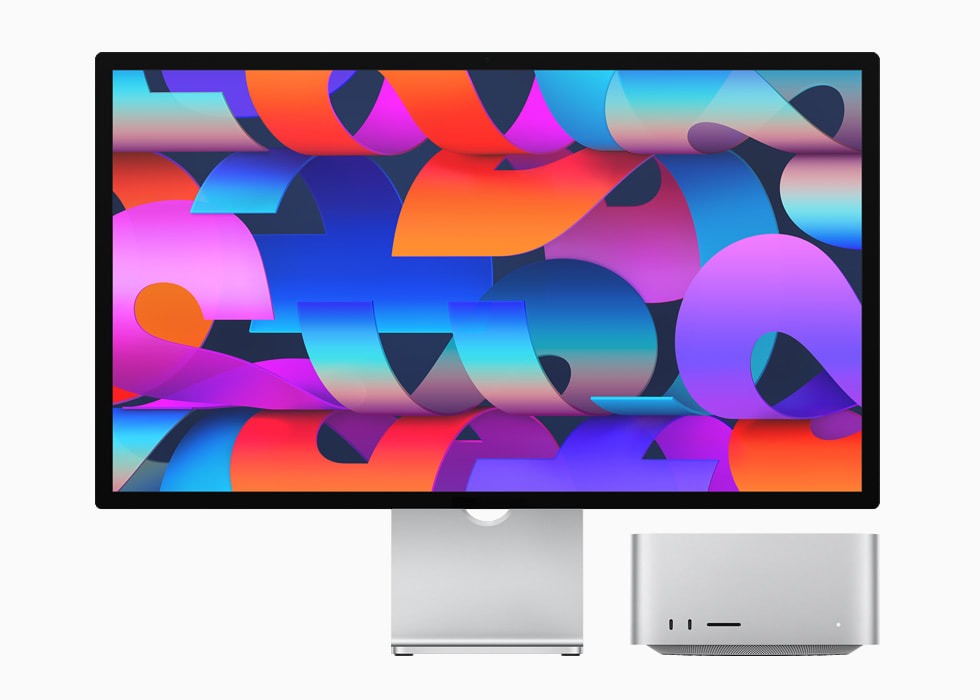
Speaking of the Mac Studio, here it is sitting with the Studio Display which we’ll talk about later. Since we’ve covered the M1 Ultra, let’s talk about non-computing aspects instead. For starters, it is crafted in the shape of a single aluminum extrusion with a 19.7cm square footprint with a height of only 9.5cm that is very comparable to other mini desktop offerings in the market. Even though the M1 Ultra only uses less than 300W even in peak performance, the unique double-sided blowers, precisely pathed airways, thousands of perforation on the back and bottom is more than enough to cool the chip. As for the I/O, it carries a total of four Thunderbolt 4, one GbE, two USB-A, a single HDMI, SD card reader, and a pro audio jack.
Meanwhile, the all-new Studio Display is bringing back the gorgeous 27-inch 5K Retina screen with 600 nits of brightness, P3 wide color, and support for over one billion colors housed inside a refined, full aluminum enclosure for a sleek and clean build. The True Tone technology will smartly adapt the display’s color temperature according to the environmental lighting to make sure you’re always looking at the right colors. The special nano-texture glass that minimizes glare where it is first introduced in the Pro Display XDR monitor is making a return as well as an optional add-on for those who work in places with super bright light sources.
Apple is also packing some good stuff for the camera and audio department. It features the A13 Bionic chip that powers a 12MP Ultra-Wide lens with Centre Stage that centers users as they move around together with a studio-quality, 3-microphone array to present crystal-clear calls and voice recordings. For sound output, the high-fidelity six-speaker sound system debuts for the first time in the Studio Display utilizes 4 force-canceling woofers to minimize distortion and create impactful bass while the 2 high-performance tweeters are in charge of the mids and highs. Also, they have Dolby Atmos support if you want to get some entertainment to chill back.
Quickly wrapping it up, the Studio Display has a total of 3 USB-C 10Gbps and a Thunderbolt 4 port. It can juice up a 14-inch MacBook Pro at 96W and you can even hook up a total of 3 Studio Display with ease.
Pricing
Now comes up the key question. How much do you need to shell out for a top-of-the-line Apple-powered studio setup? Well, the Mac Studio mini desktop is starting at RM8,799 (RM7,919 if you’re eligible for the education program) while the Studio Display is at RM6,999 (RM6,559 for students). Preorders will soon be open on the official Apple Store.
Like our Facebook Page here at NasiLemakTech.com for more news and in-depth reviews! Also, join our Facebook Group for insightful information and memes!
Subscribe to our YouTube channel too!