

















There are a lot of phones on the market right now and customers who are finding for a new phone may find it overwhelming. Many people just look at the specs sheet to choose a phone. That is a good starting point since we can look at the chipset and immediately get an idea of how the phone will actually perform. But as we’ve said countless times before – you can’t judge a phone by just its specs on paper.
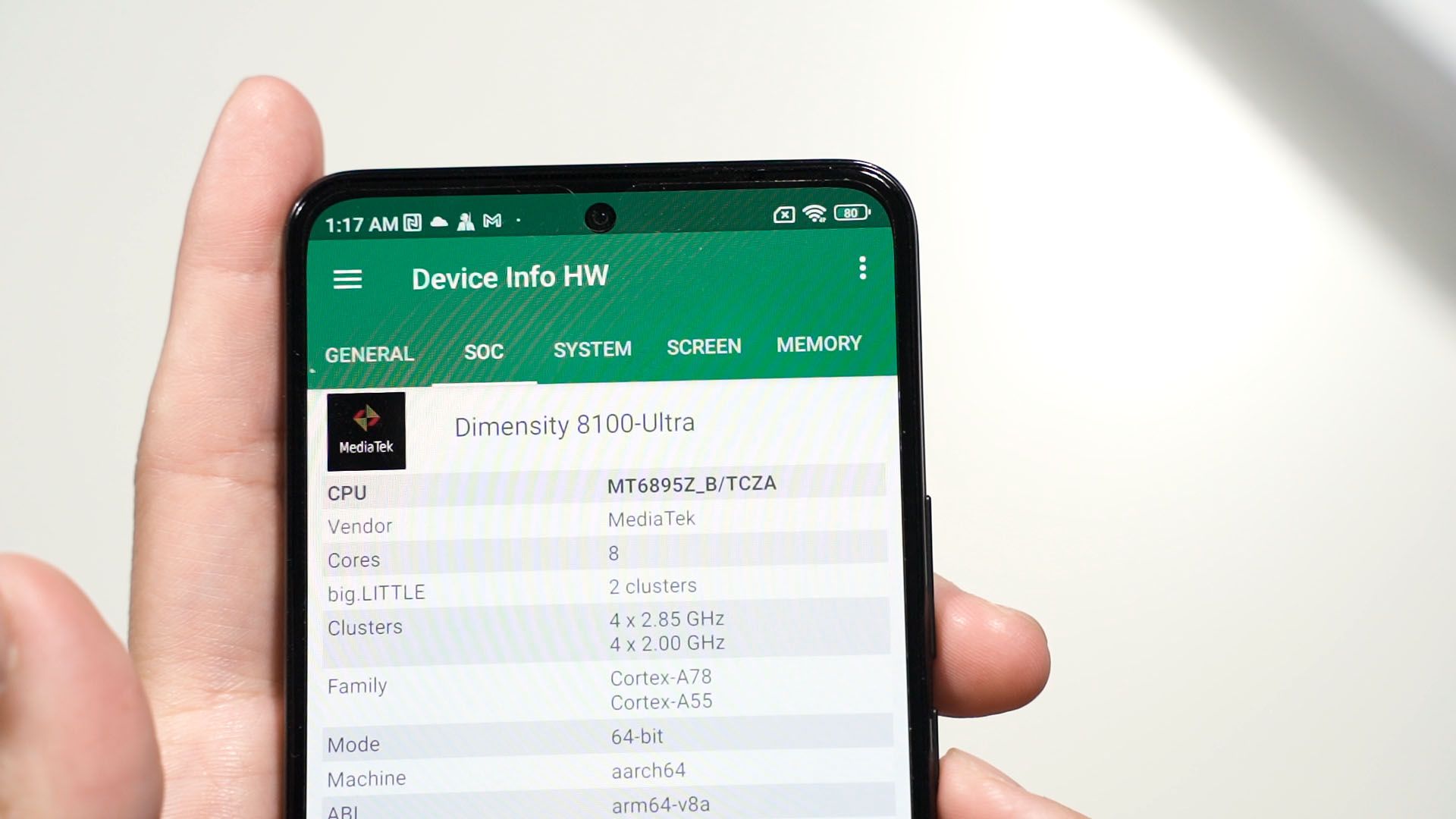
Enter, the Xiaomi 12T. This is currently the first and only phone to use the “new” MediaTek Dimensity 8100-Ultra chipset. I’m not sure about you – but in my mind, I immediately think that the “Ultra” here is supposed to be better in terms of performance than the Dimensity 8100-Max and the basic Dimensity 8100. Turns out… it’s not.
Instead of having better performance, it has some other unique features instead. So, in this video, let’s talk about what makes the Dimensity 8100-Ultra “Ultra”.
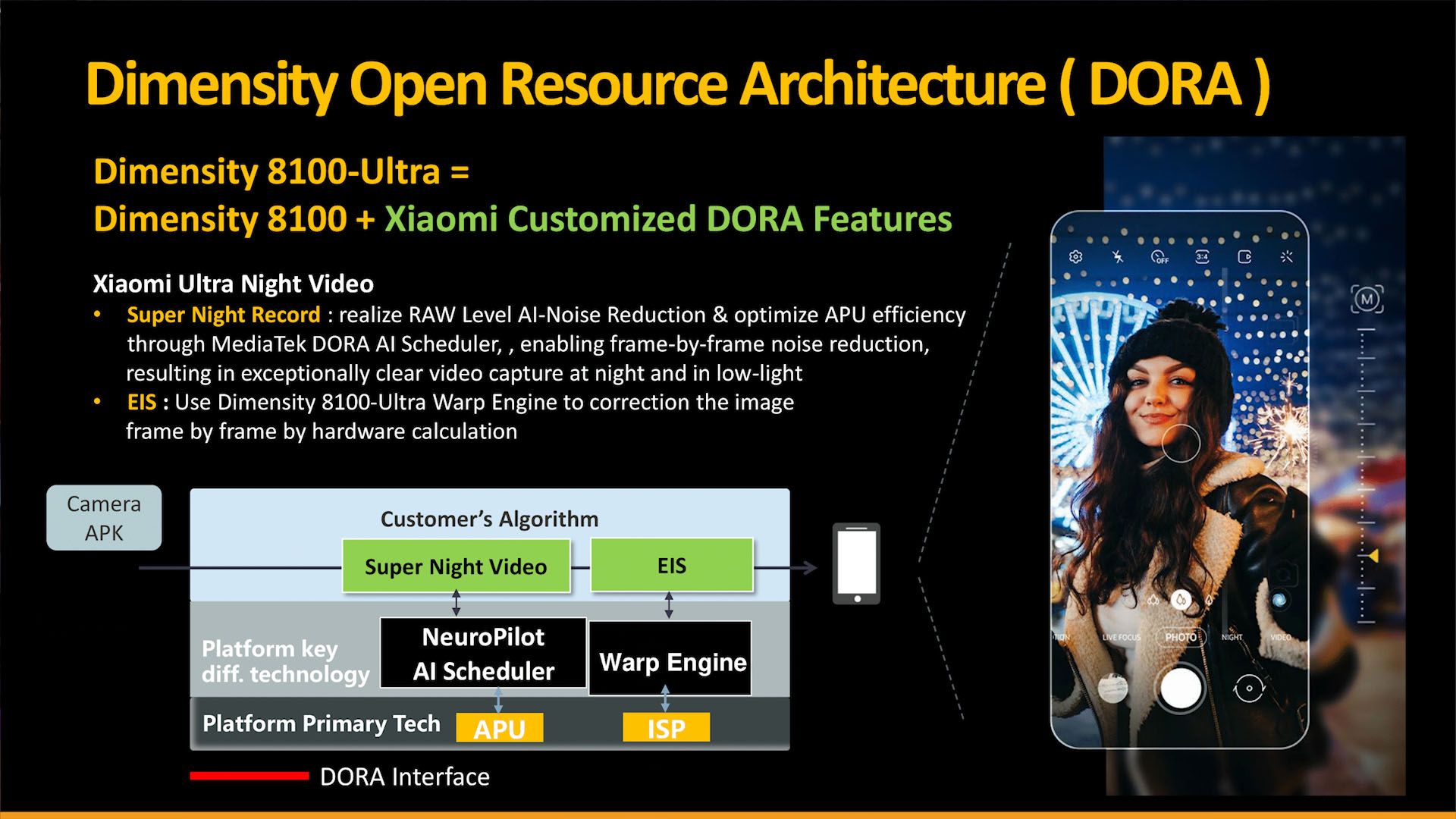
A few weeks ago, we had a briefing session with Xiaomi and MediaTek to learn more about the Xiaomi 12T – and one of the MediaTek showed one of the slides regarding the DORA – also known as the Dimensity Open Resource Architecture. We’ll come back to this later.
The last section of the session was the most exciting time – the Q&A. I truly appreciate this opportunity as the answers were pretty much without any filters and were rather concise.
The first question asked was:
Q: How does MediaTek’s Dimensity 8100-Ultra compare to its previous version?
A: The Dimensity 8100-Ultra has been customized by Xiaomi through our Dimensity Open Resource Architecture program.
Using the Dimensity Open Resource Architecture program, Xiaomi has created a unique Xiaomi Ultra Night video capture that exclusively uses AI-NR features to create a new level of camera experiences.
Then, the next question was:
Q: Why are there so many variants of the Dimensity 8100 (ie 8100, 8100-Max, 8100-Ultra)? What are the key differences and types of devices that will benefit from each variant?
A: Our Dimensity Open Resource Architecture (DORA) program has been extremely successful, which is why you’re seeing such a growing number of tailored chips. It has enabled our partners to create unique variants of Dimensity 5G smartphone chips, such as the Dimensity 8100 Ultra, optimizing them in ways that tailor them more precisely to each smartphone’s design.
This creates a unique device with more hardware/software synergy, boosting the user experience through improvements in its use of AI, processing performance, cameras, gaming optimizations, or many other things.
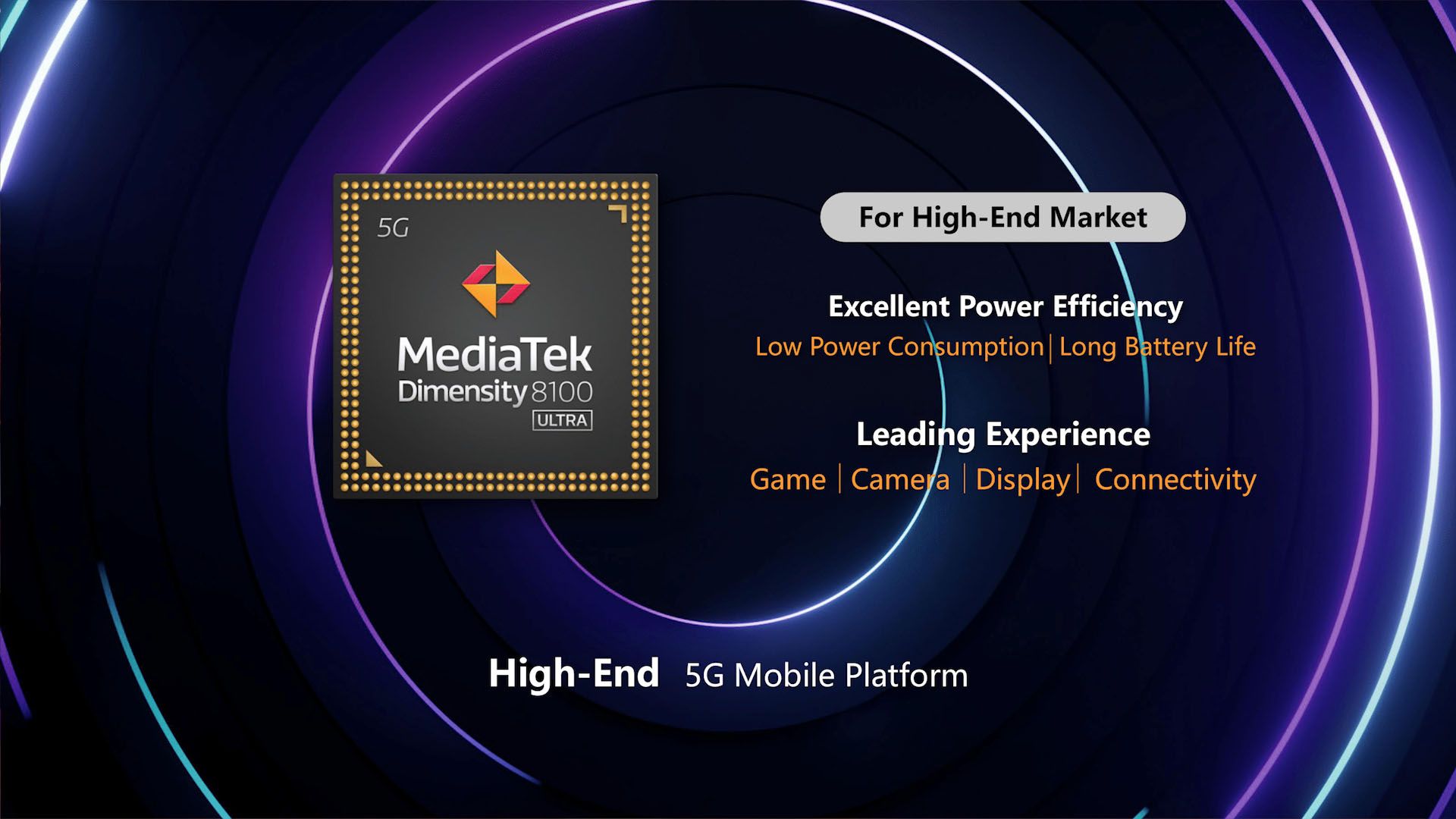
From these two questions and answers, we know that the Dimensity 8100, Dimensity 8100-Max, and 8100-Ultra are pretty much the same chip but customized thanks to the DORA program. As highlighted in this answer – it enabled partners to create unique variants of the Dimensity 5G chipset and it creates a unique device with more hardware/software synergy.
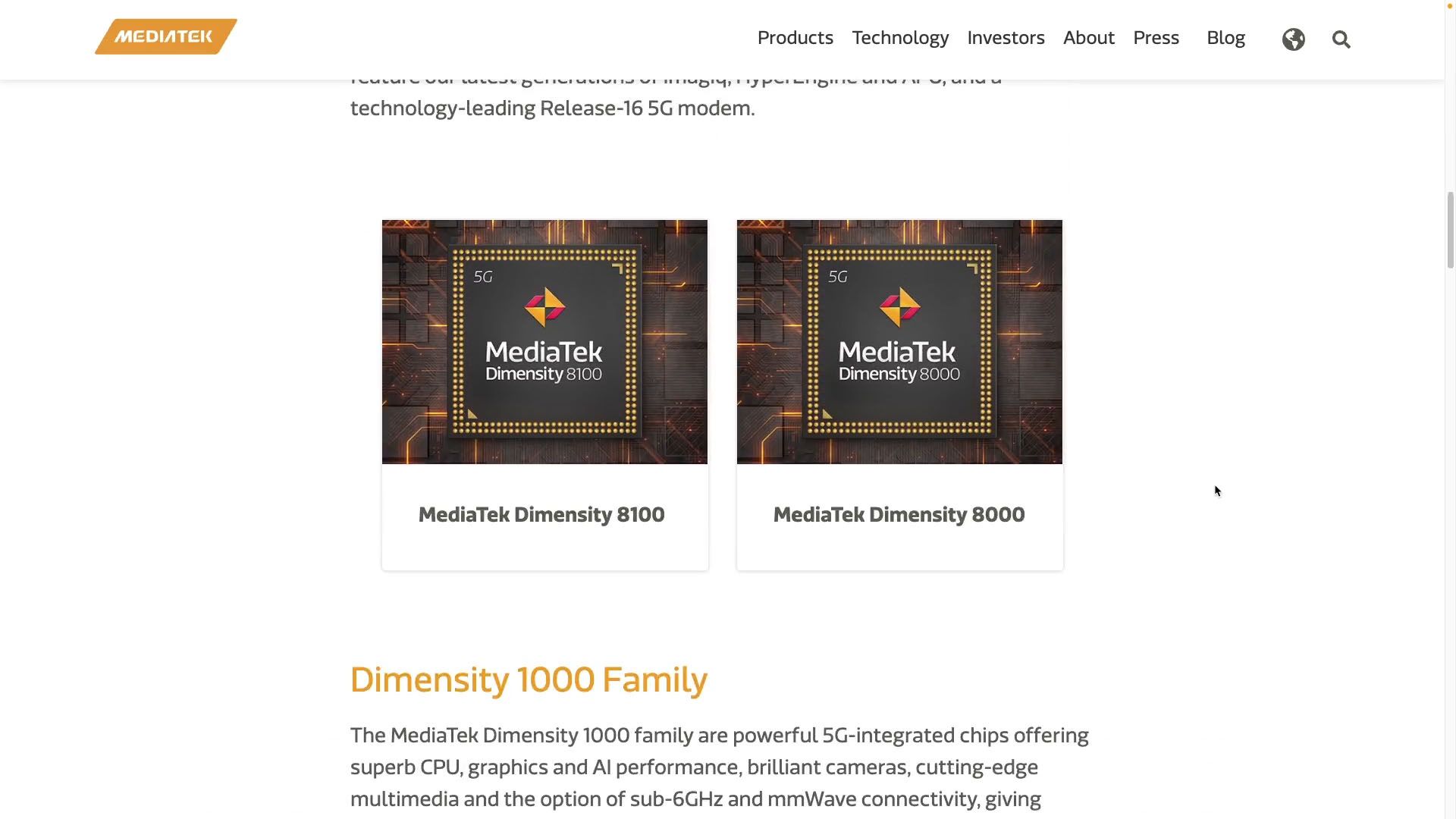
With that said, if we checked back MediaTek’s website, they only listed out the Dimensity 8100 and no Max or Ultra variants of the chipset.
However, if we click on the “products” at the top of the website, there is something called the MediaTek Dimensity 5G Open Resource Architecture – DORA.
Within this page, we can learn more about DORA and what it actually does.
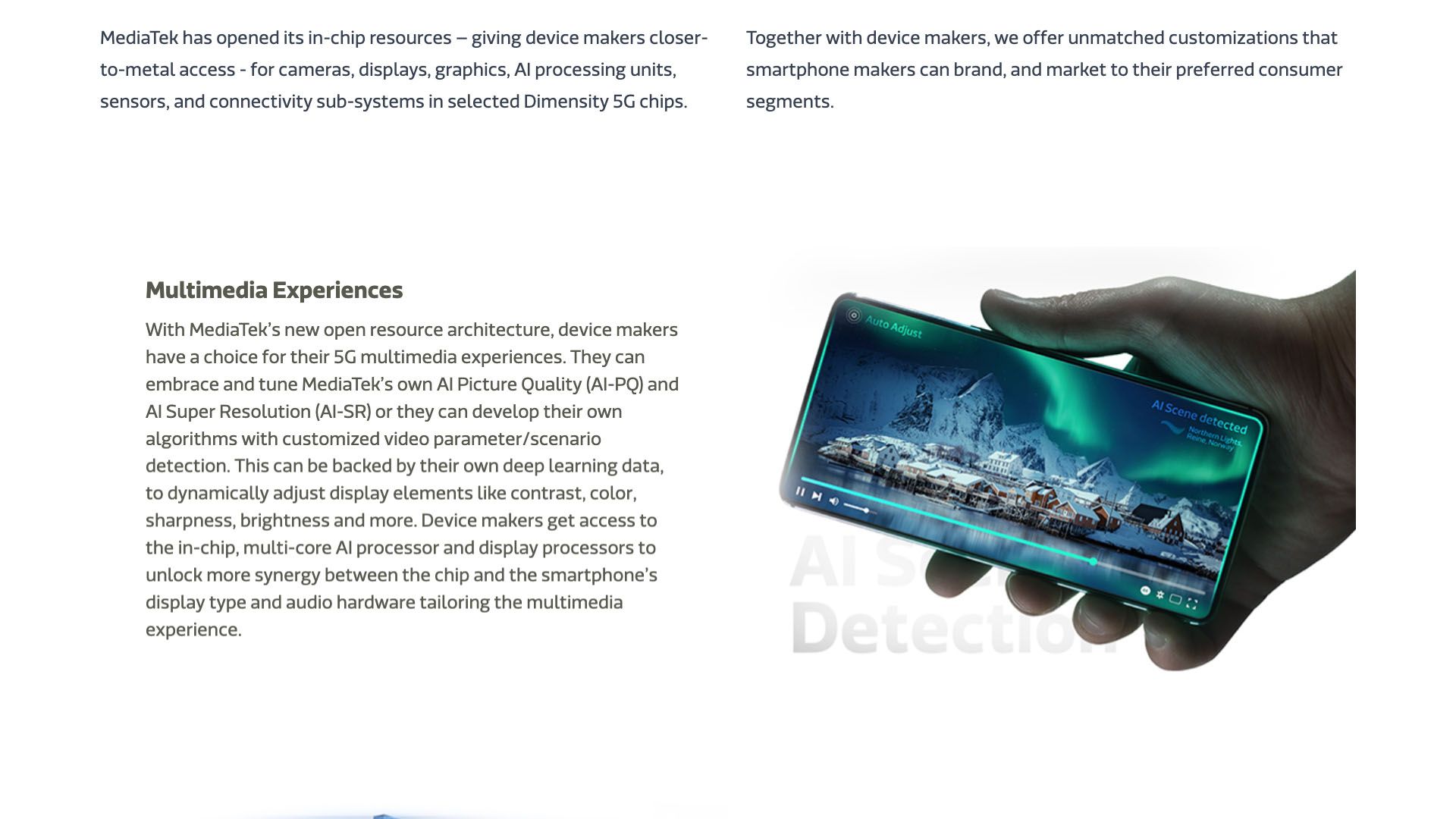
DORA allows the smartphone manufacturers to customize their own “multimedia experience” and access and tune MediaTek’s AI Picture Quality and also AI Super Resolution or develop their own algorithms.
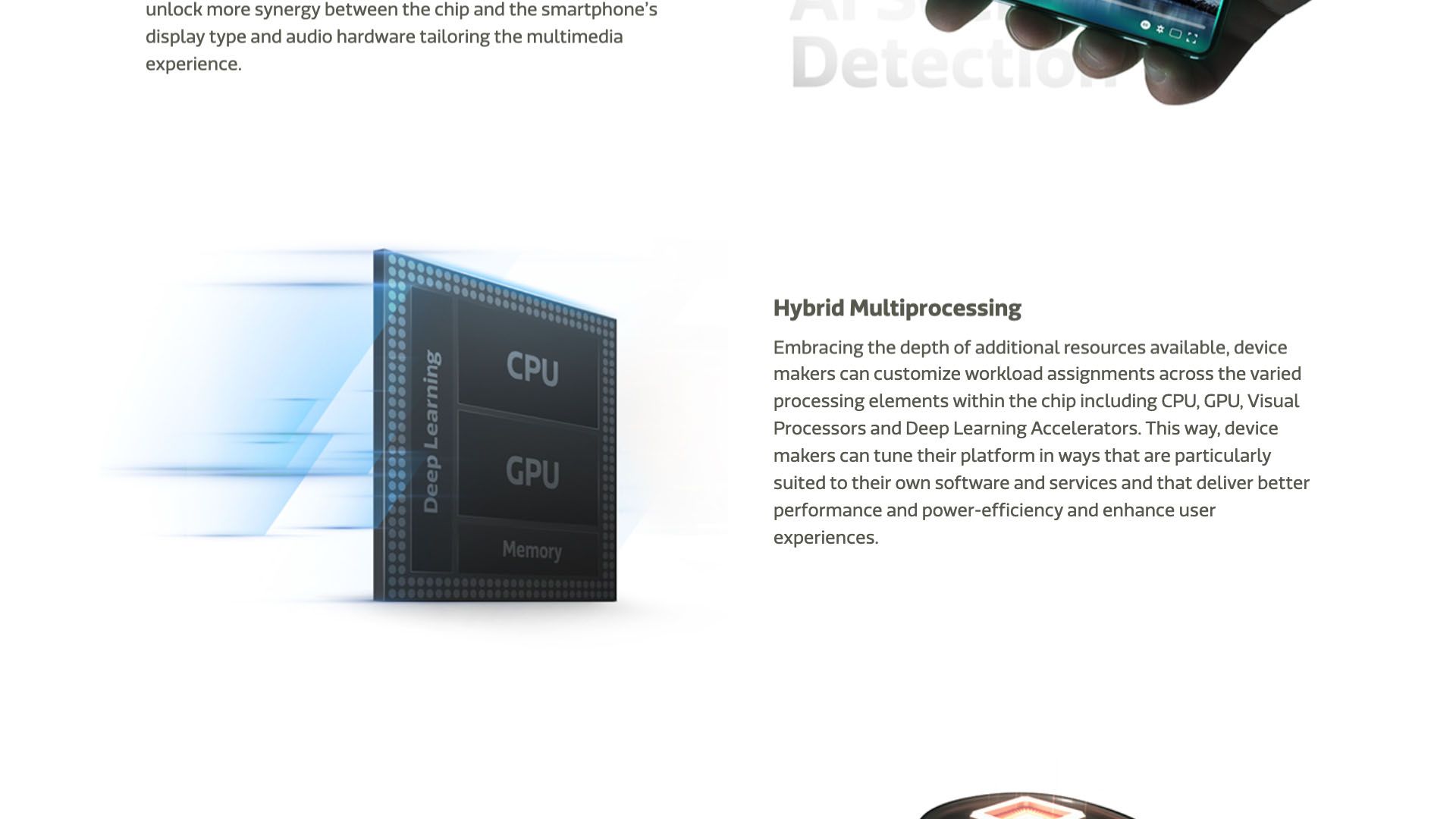
Next up is “hybrid multiprocessing”. Honestly, after reading the text, I am rather unclear of what it is supposed to be. It seems like since the chipset has a CPU, GPU, and a “deep learning” processor, smartphone manufacturers can put specific tasks to run on specific processors to make sure the performance is efficient.
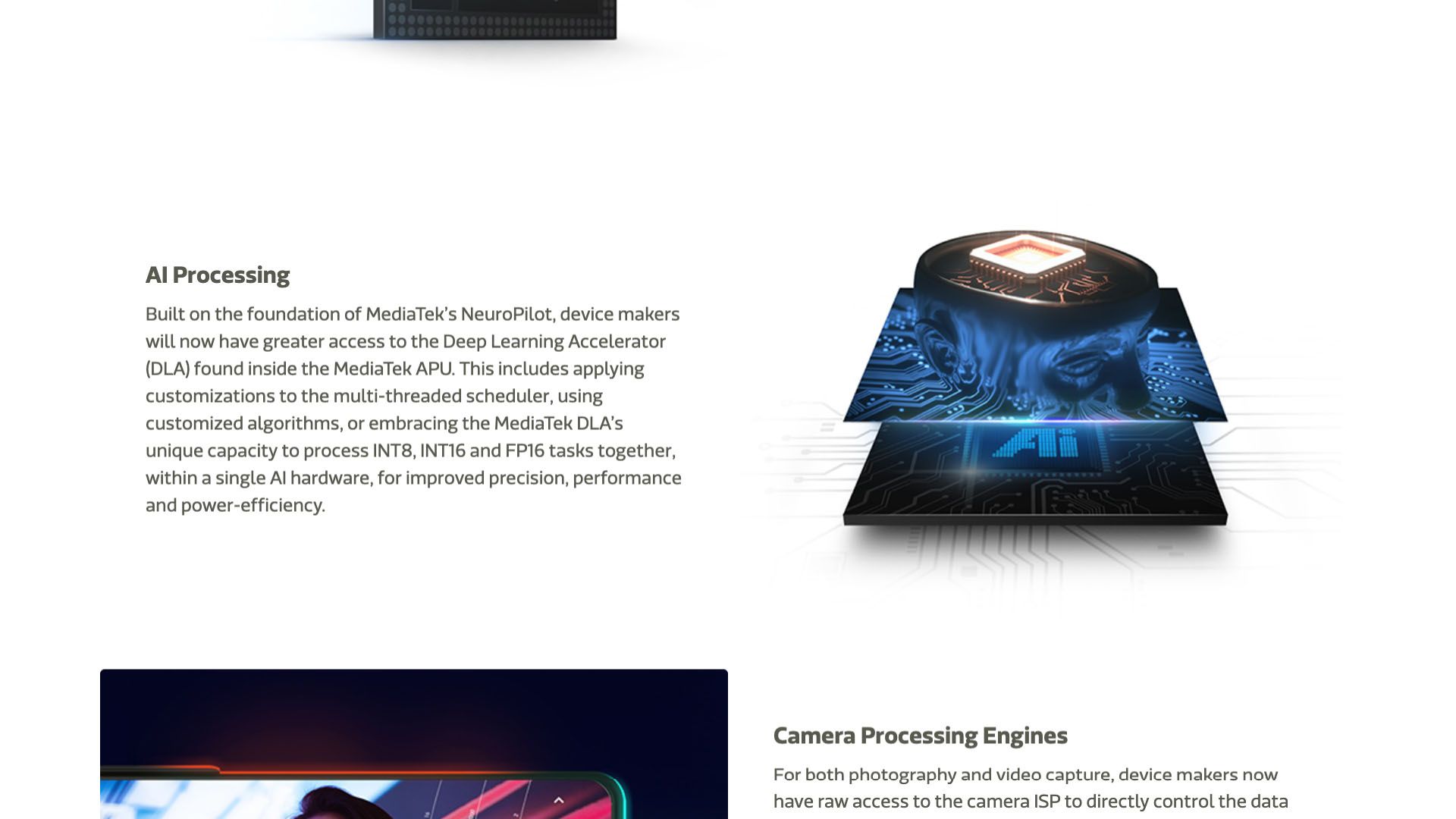
The AI Processing is basically just that smartphone manufacturers can use MediaTek’s Deep Learning Accelerator. Pretty straightforward.
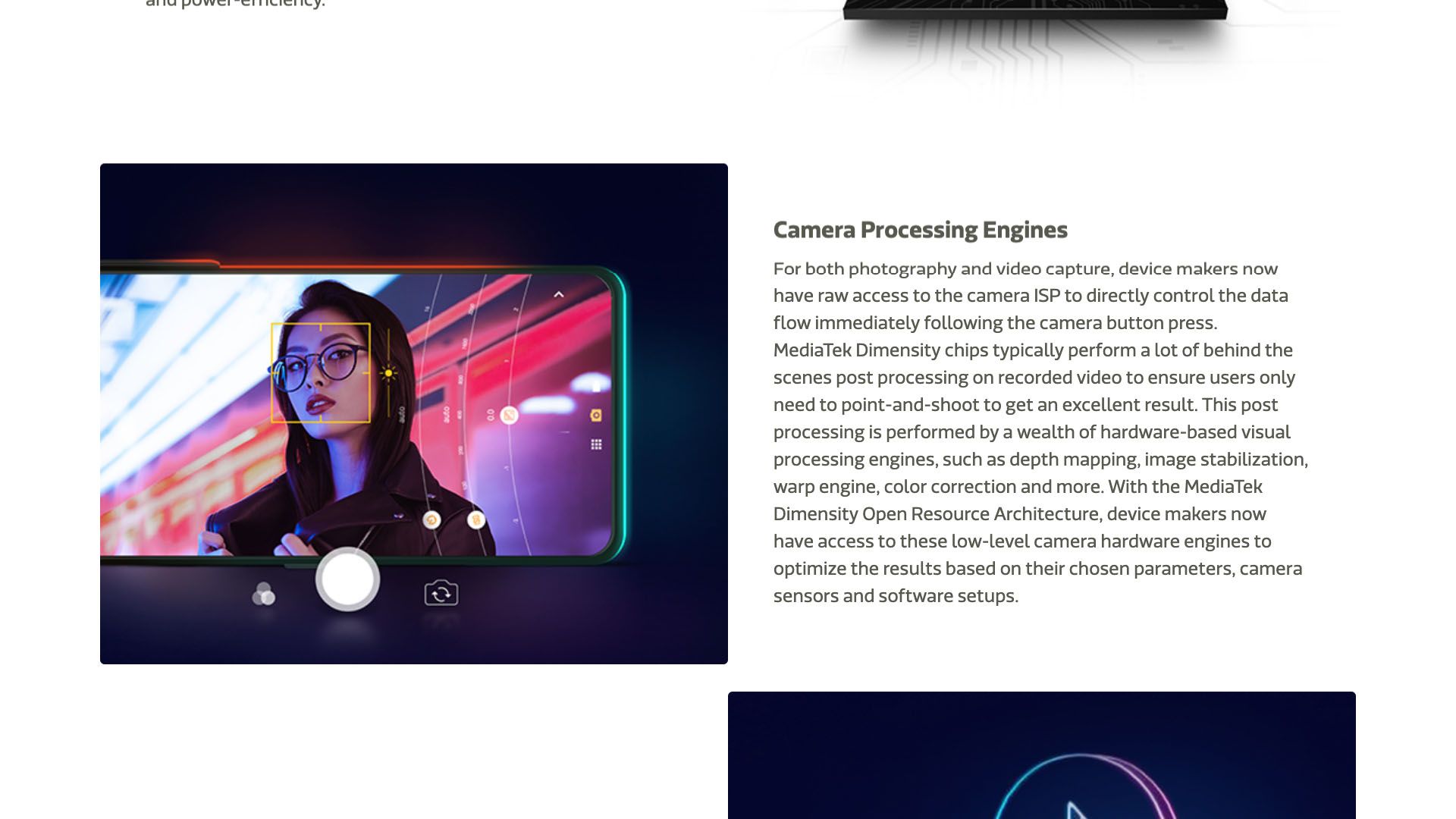
Then the Camera Processing Engines. I think this one is interesting since MediaTek literally opened up the entire ISP – image signal processor – for the smartphone manufacturers to control the data and how it is processed. This, in turn, means that you can fine-tune the color however you want.
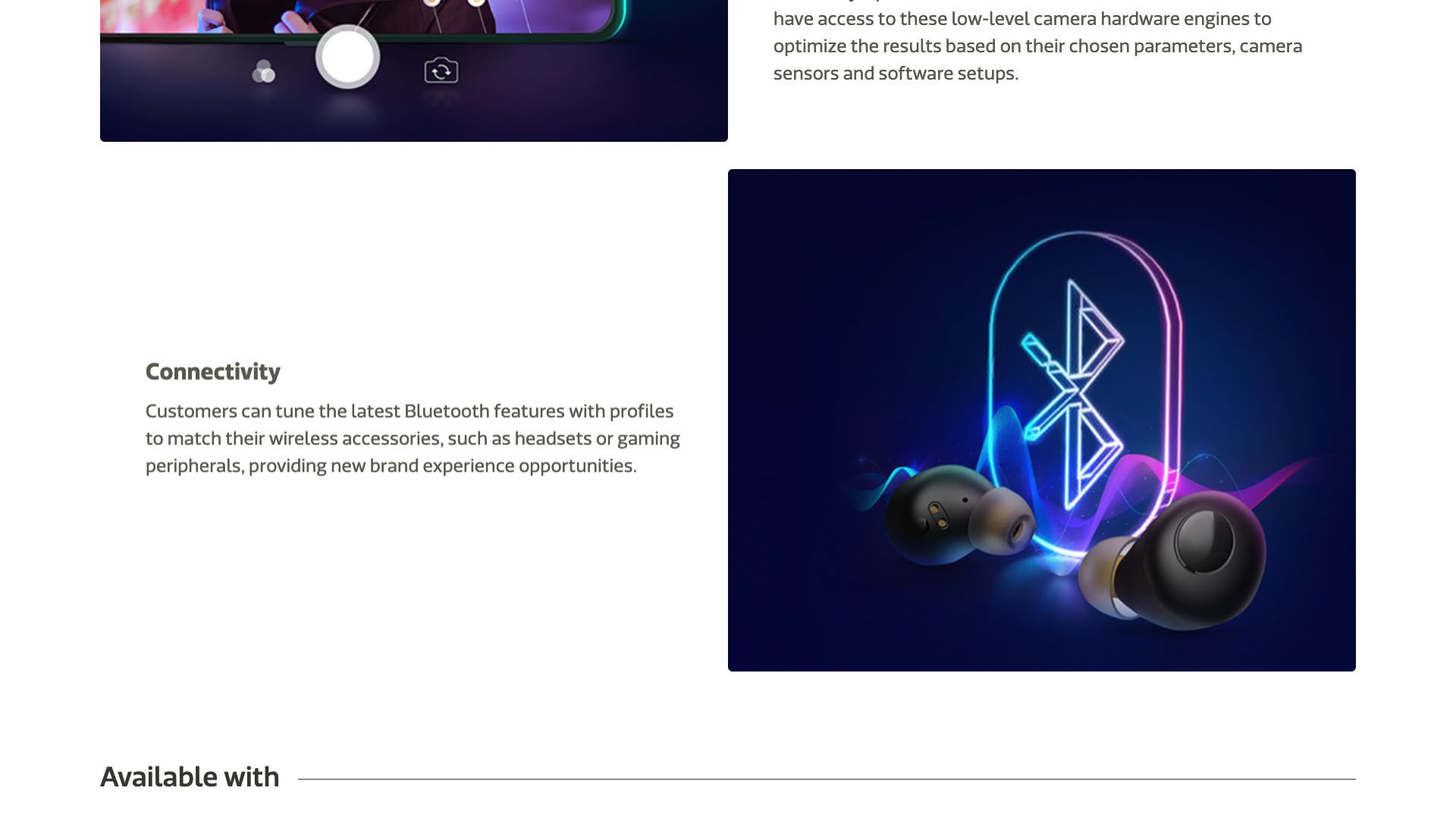
Then comes the connectivity. This one is pretty vague since it just says “tune the latest Bluetooth features with profiles to match their wireless accessories” and that didn’t specify if it’s the sound profile or the Bluetooth connectivity profile like buffer size, signal strength, all of that.
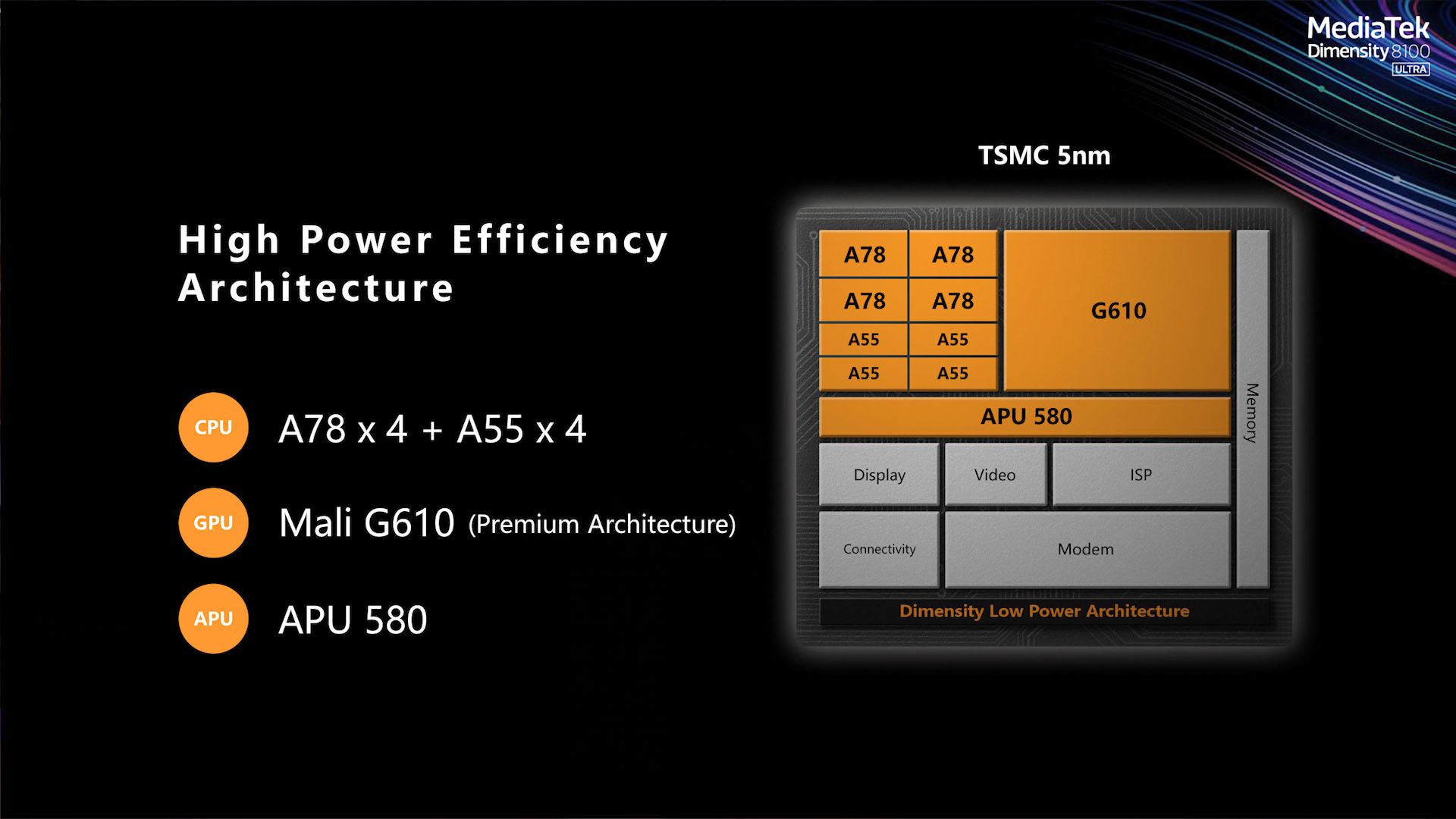
In short, all companies can use the same Dimensity 8100 but through DORA, each company can combine their own proprietary code to make a unique variation of the Dimensity 8100, hence able to give it a special name like Dimensity 8100-Max or Dimensity-8100 Ultra.
This is also the reason why we see that all phones from OPPO and OnePlus are using the Dimensity 8100-Max – because both companies are closely related to each other.
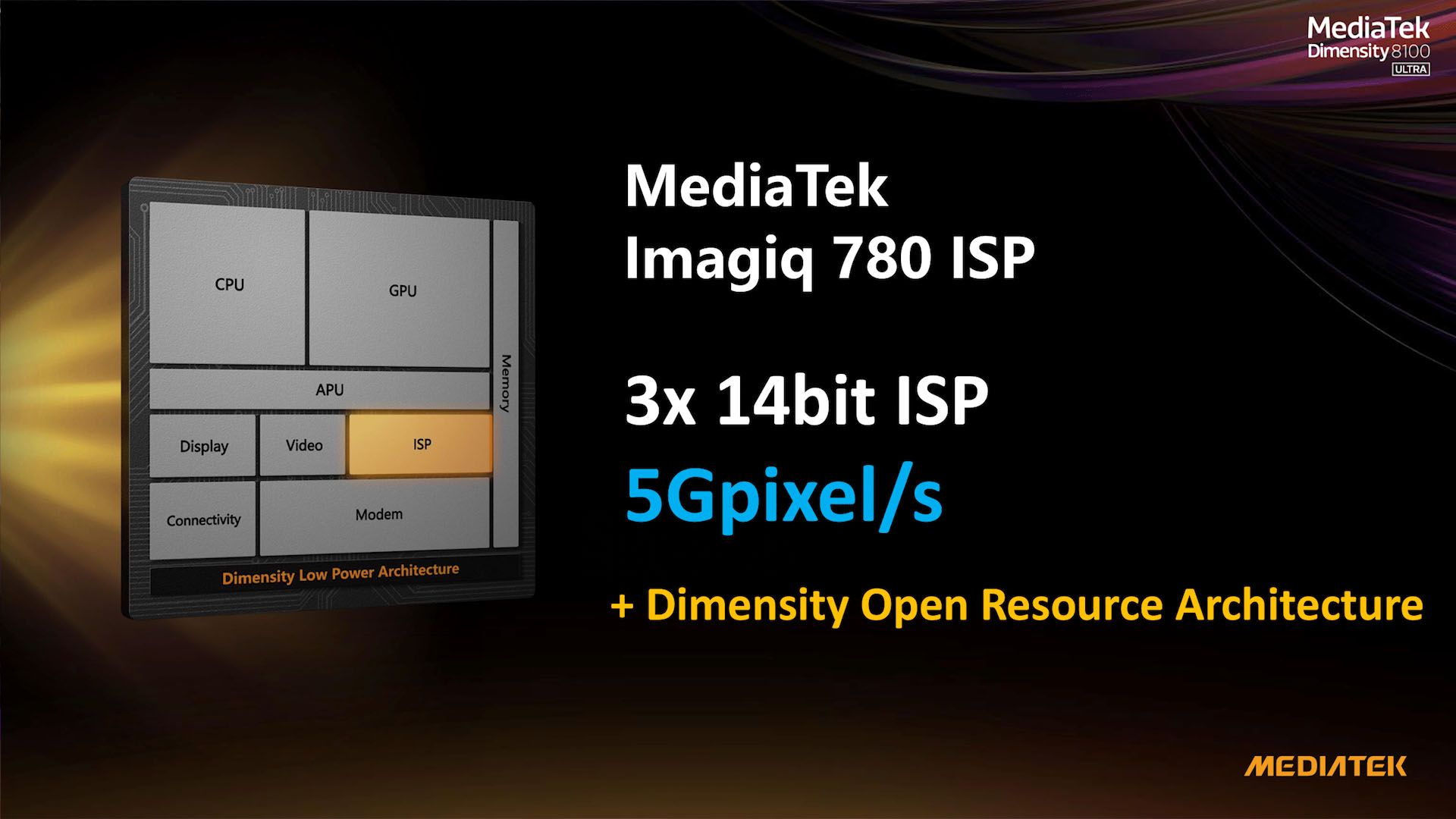
Xiaomi has been using the base version Dimensity 8100 for a long time but only just customized it to create the Dimensity 8100-Ultra, which we have found on the Xiaomi 12T.
And back to the DORA webpage for a moment. If you realized, there is no mention about the performance difference. That is because everyone is on the same playing field. All Dimensity 8100 chipsets – including the Max and Ultra variants – will have the same CPU and GPU clock speeds and core counts.
However, there are two reasons why we can still get different performance on two phones using the Dimensity 8100. The first, is as mentioned earlier – to specify which task to which type of processor. Because these processors perform better in certain tasks like how the GPU is better at processing graphical stuff – it is important to do this correctly.
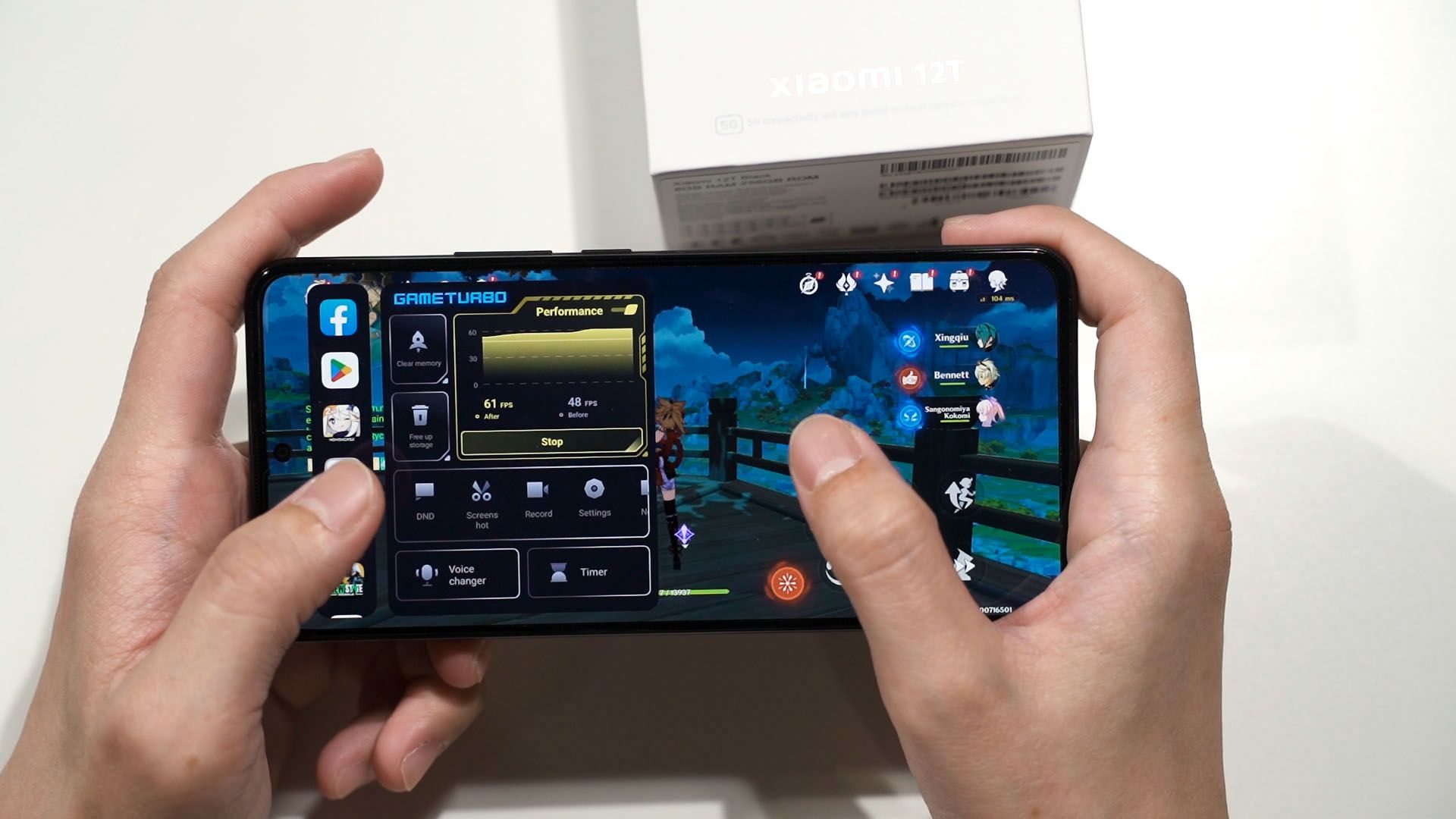
Secondly, the smartphone manufacturer could still introduce some sort of power limit or throttle to limit the performance of the phone via software. Though, we’ve seen many smartphone manufacturers introduce a new “performance mode” to “remove” that power limit. You can learn more about it here.
Okay, to answer the question – what makes the Dimensity 8100-Ultra “Ultra”? Well, because of how Xiaomi tuned the Dimensity 8100. Then, they just gave it the postfix “Ultra” as a differentiation from the other Dimensity 8100 chipsets.
It’s just the name “Max” that made me think that it has a higher level of performance compared to the base version Dimensity 8100, and the name “Ultra” made me think it has an even higher level of performance.
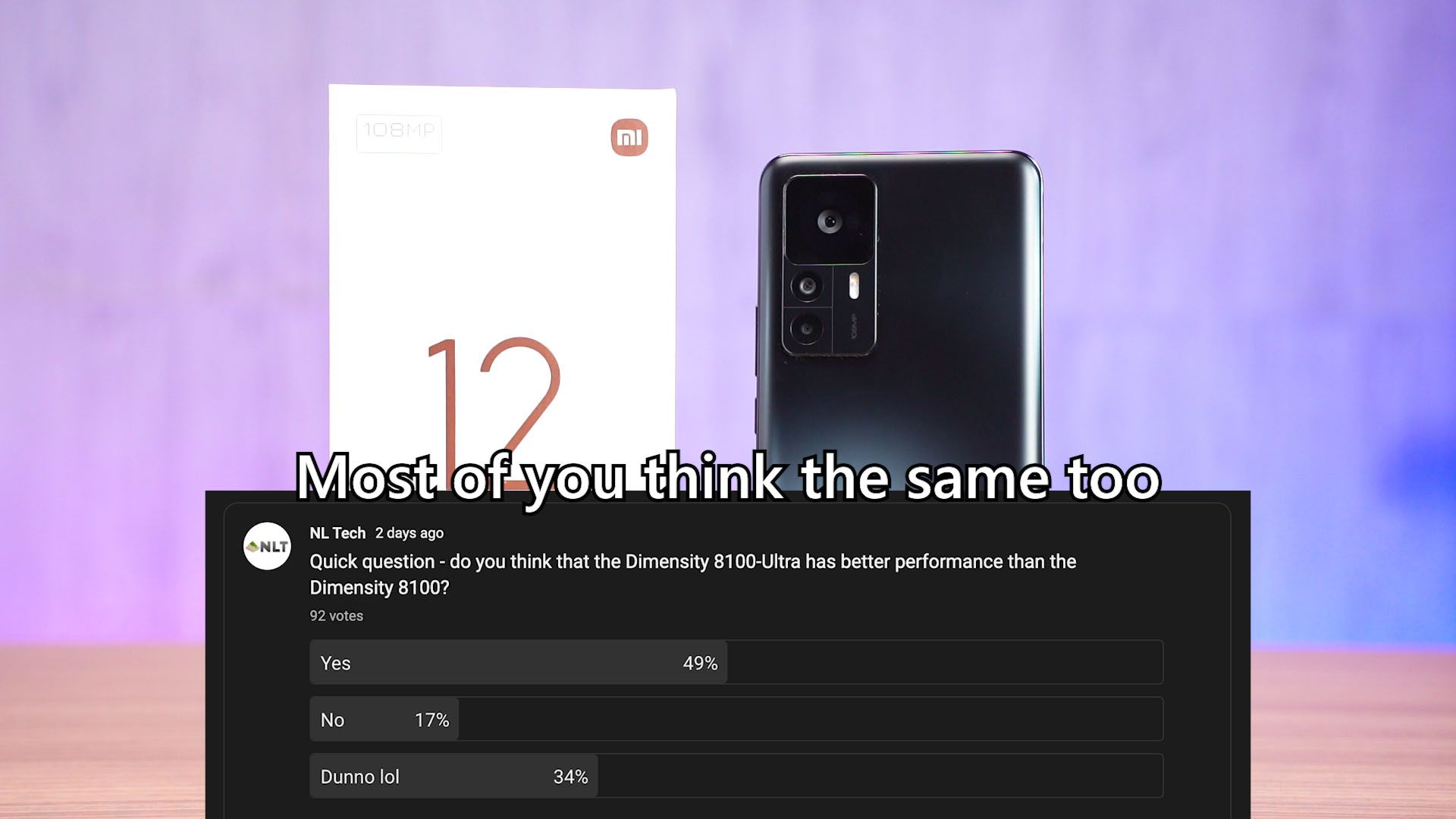
The performance – on paper – remains the same between all Dimensity 8100 chipsets.
If you want to learn more about the Xiaomi 12T that we have reviewed recently, then watch our video here.
Where to buy the Xiaomi 12T?
Like our Facebook Page here at NasiLemakTech.com for more news and in-depth reviews! Also, join our Facebook Group for insightful information and memes!
Subscribe to our YouTube channel too!