


















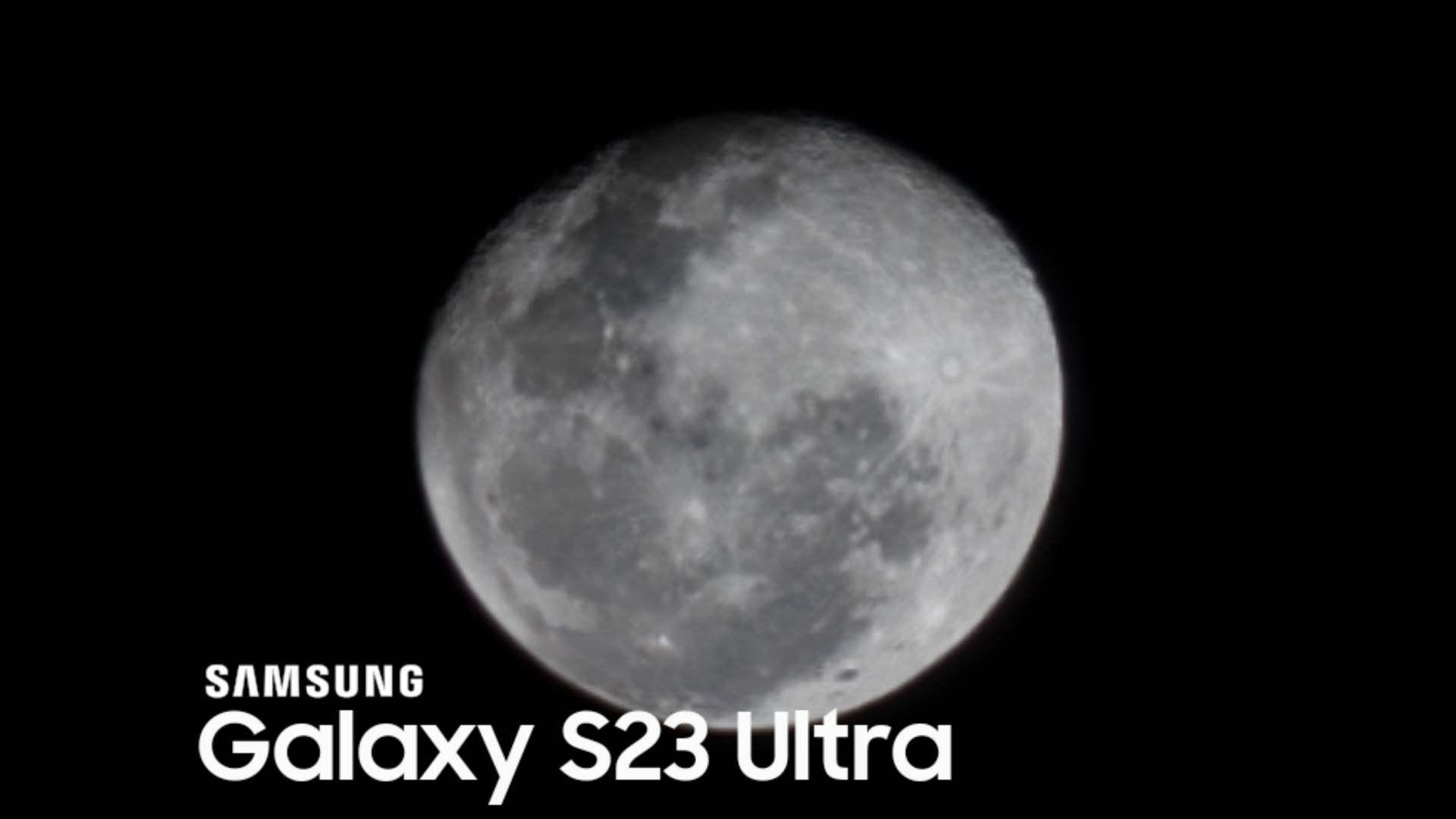

Over the past 2 days, I’ve seen similar headlines on my social media saying that Samsung faked their moon shots. Unsurprisingly, people caught on to it and flocked to that mob mentality. So, we’re here to present you with the facts.
How this started
There is a thread on Reddit saying that Samsung faked their moon shots and did their own test, which seemingly proofs that Samsung is indeed faking their moon shots.

I won’t re-explain what they did, but in summary – they took a high-resolution image of the moon, downscaled and blurred it, then took a photo of that blurry blob with the S23 Ultra, and voila, the moon’s details reappeared once again.
That should be the nail in the coffin, right? Eh, nope.
Isn’t this the same as Huawei’s cheating moon shots?
I get why you think like this. Huawei advertised moon shots in the early days, then got caught cheating. So, by extension, many people just assumed that Samsung did the same – it cheated the moon shots.
But, these two are very different cases. Let us dive deeper.

Huawei’s moon shots were total bogus. The original report was truly in-depth (highly recommend you to read it even though it’s in Chinese) and it went even further to try to trigger the moon mode on the phone with random everyday objects, and they found out Huawei just plastered their own moon picture onto what they think is the moon.
The original report has a lot of sample pictures and proves that Huawei even imposed their own moon onto a blurry excerpt of a page of text.

Samsung on the other hand, never did plaster their own moon onto what you’re seeing. They merely enhance what you’re already seeing.
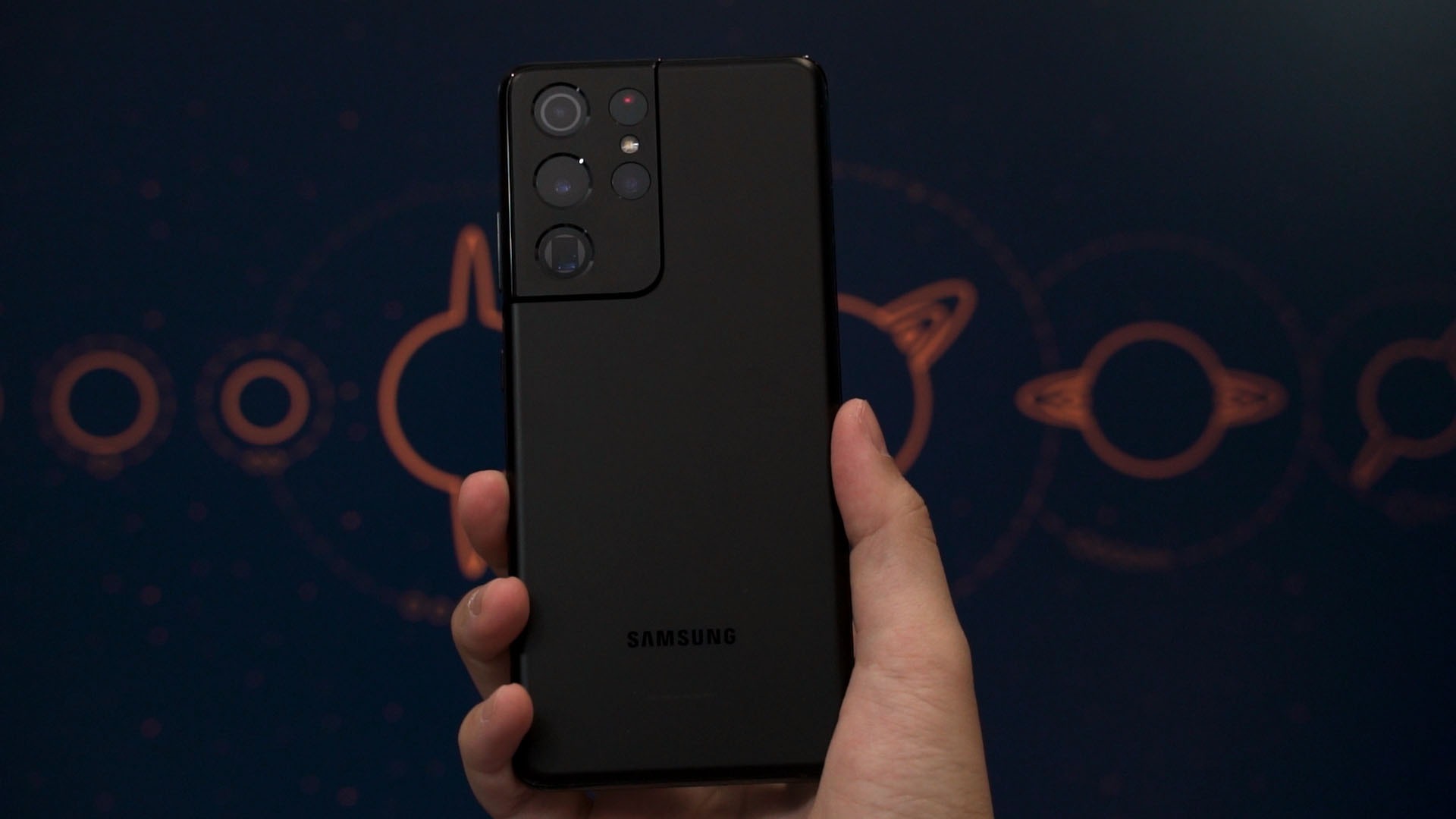
A report by Raymond Wong from Inverse did a foolproof experiment by comparing the picture of the moon shot by a telescope lens on a Sony A7R III and compared it with the Samsung Galaxy S21 Ultra (this was 2 years ago) and the results were very similar. Obviously, the camera with the telescope lens produced a much better image – but you get the point.
How Samsung achieved this
I do think Samsung had been transparent and crystal clear about what they’re doing to achieve this result. They used AI. And Samsung had been very clear about that since the beginning.
In this official Samsung blog post, they went into detail and talked about how the moon shot was done.
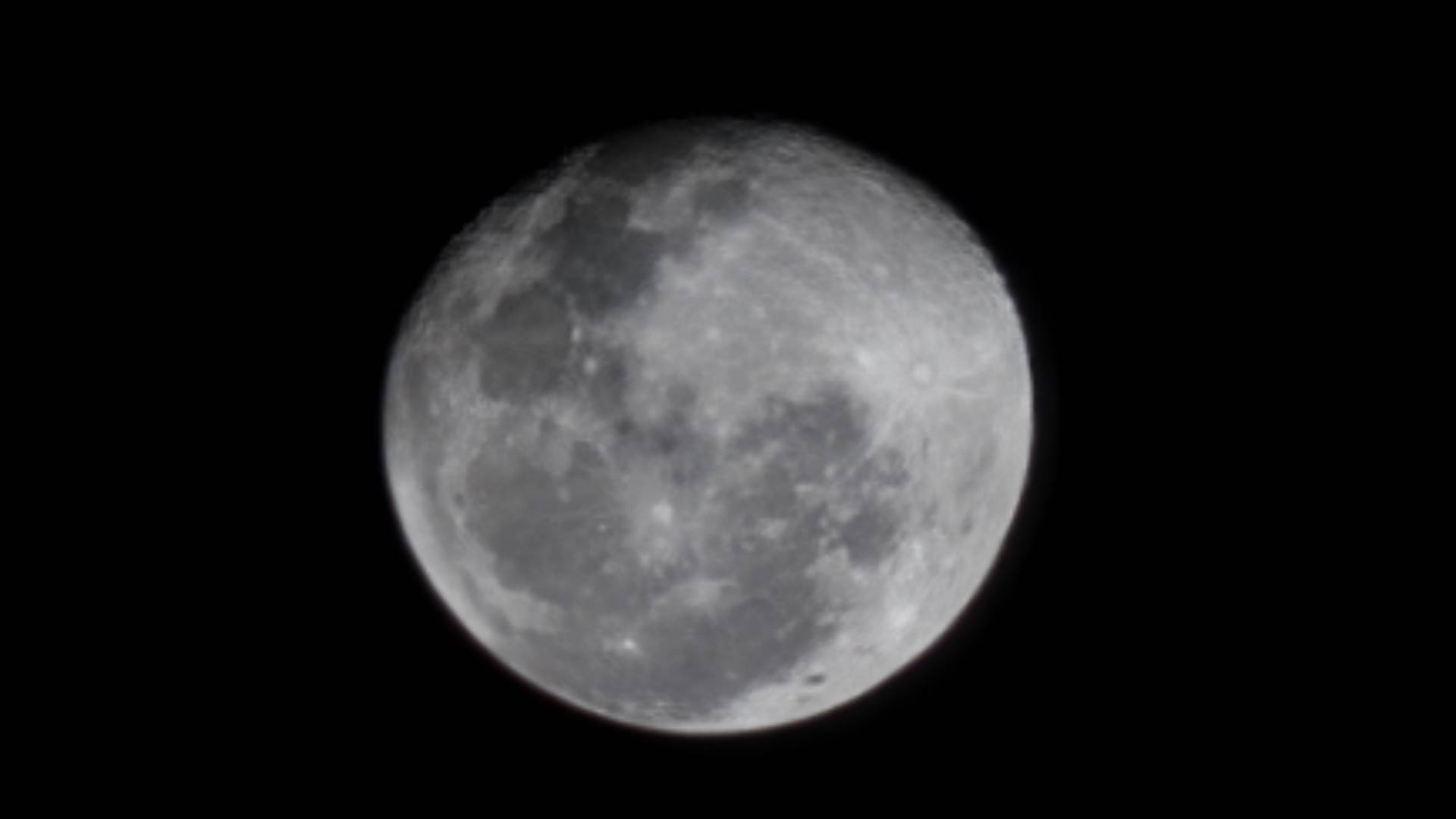
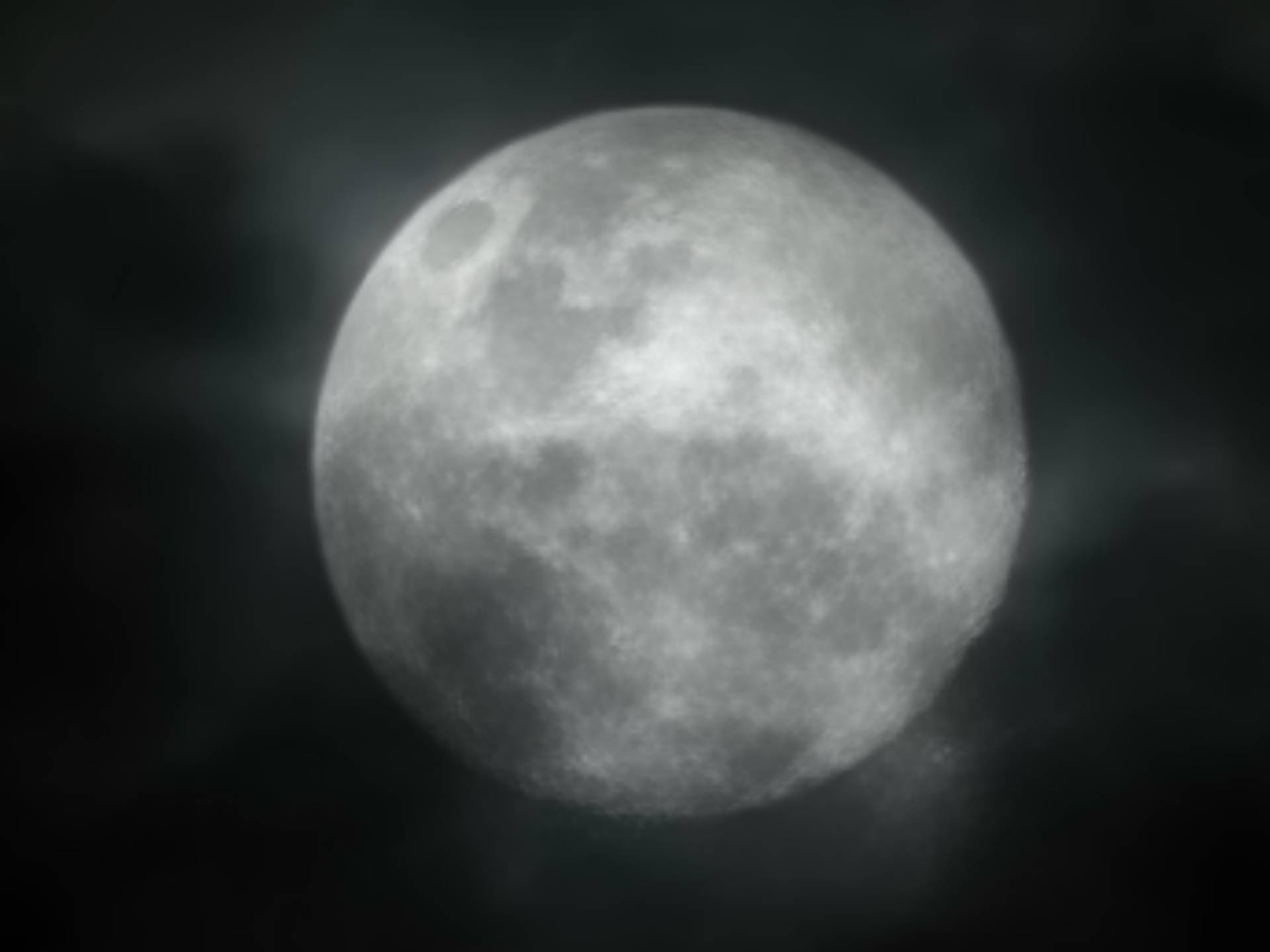
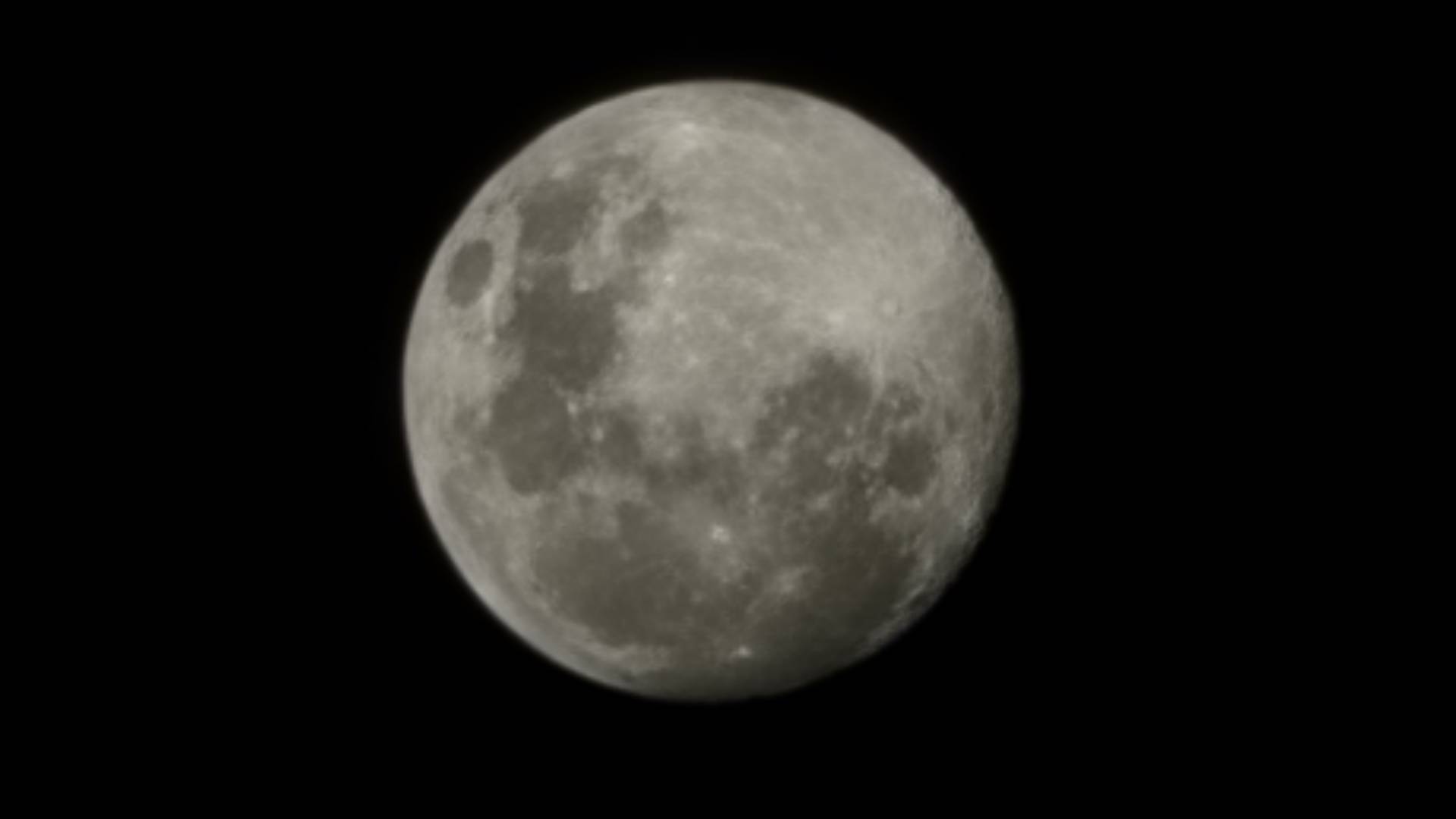
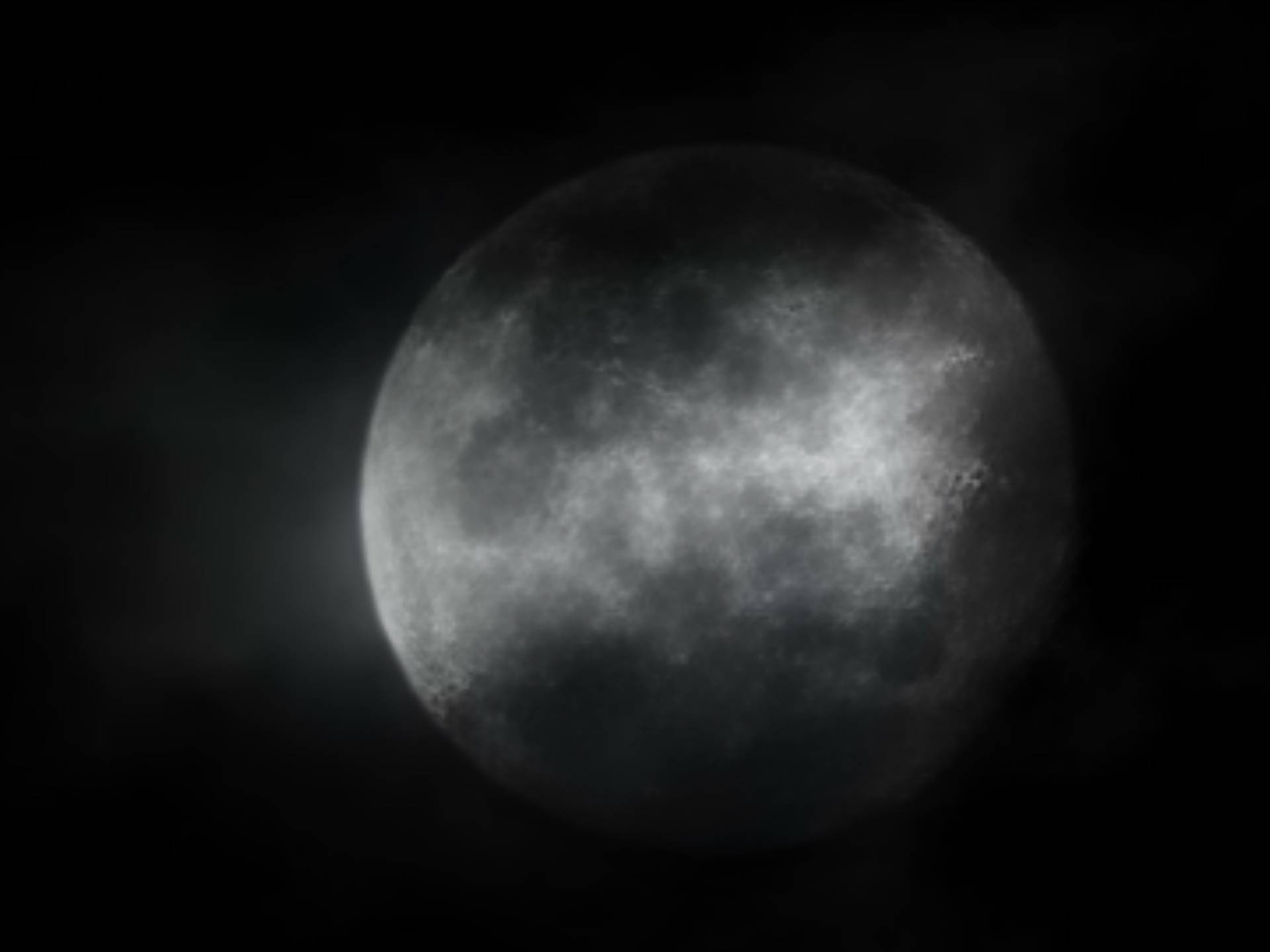
All 4 moon shots shown here were taken by me at separate times. To me, enhancing the image of the moon is not an issue here. I’m actually really glad that Samsung retained the proper positions of the craters and whatnot because they do not move.
Do remember that everyone on Earth is looking at the same side of the moon at a slightly different angle. That’s because our planet and the moon have synchronous rotations and hence, that is why the “far side of the moon” is never seen by us on earth.
For the part of the moon that we can see with our own eyes – the details are also named. For example, the craters have names. They’re all located at the exact locations on the moon and it has been mapped out digitally as well. So, when we point our phones to the moon and take a picture, it is smart enough to enhance that picture according to the parts we’re capturing.
Why is it a problem now?
I remember that when I got my hands on the Galaxy S21 Ultra 2 years ago, I took a moon shot. Many people did. We all uploaded that image to social media, and literally no one said anything about it.
Same goes to the S22 Ultra. Everyone just enjoyed the capabilities of that phone. For some reason, people decided to make noise now and I don’t know why.
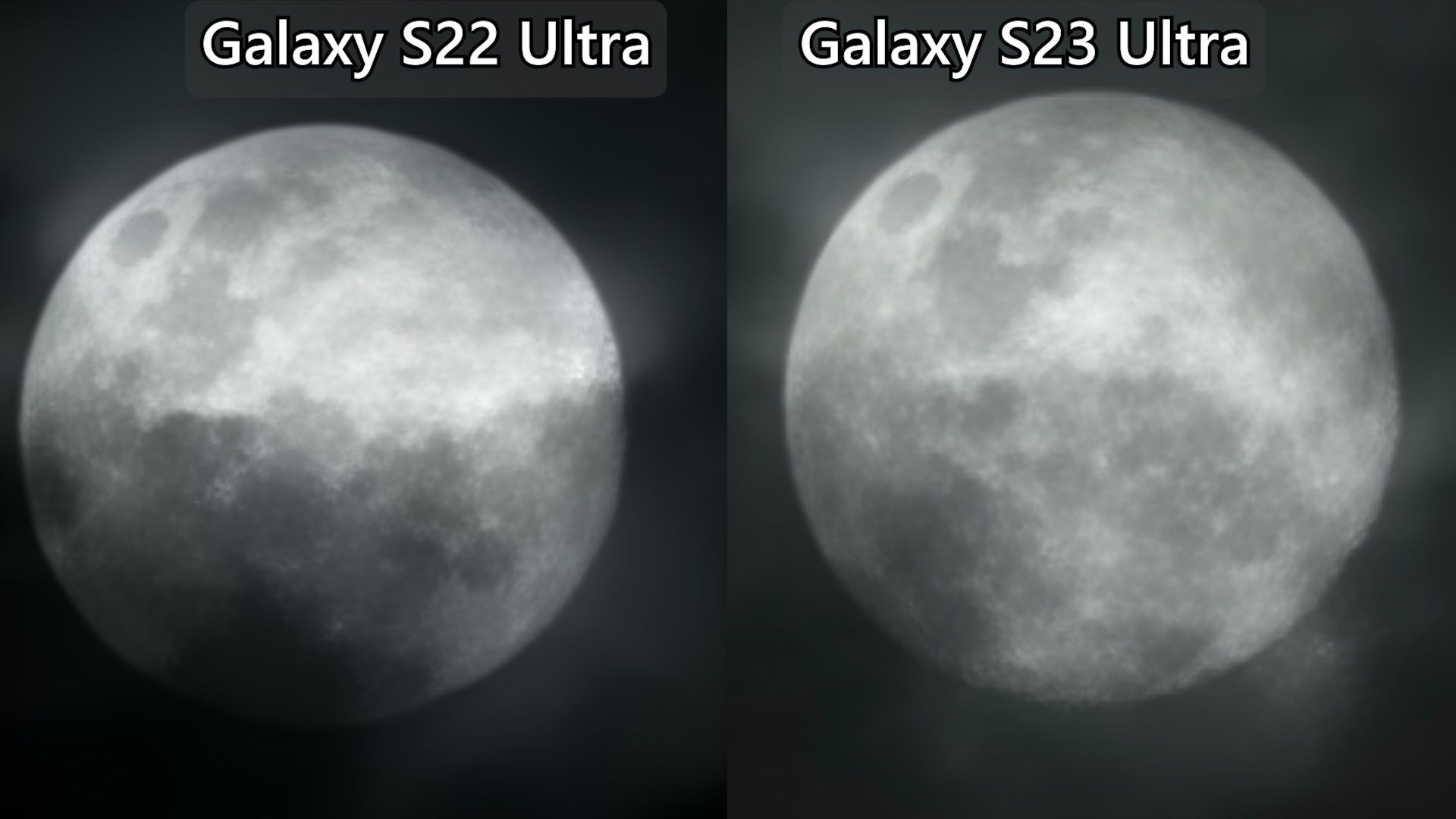
The thing is, Samsung had already clarified what they’re doing and how they achieved moon shots with your phone. Remember – 100x digital zoom on a tiny phone camera sensor means that you’ll only use a small part of the entire sensor. You’ll never get close to what a real camera is able to do.
Then the argument changes to say – it’s not the real representation of the situation and people are misled.
To answer that – Samsung has the option to let us disable the Scene Optimizer feature within the camera settings app. Once disabled, you’ll see the raw pixels with zero enhancements.
A question back to you
Now, let me ask you this – are you aware that all smartphone manufacturers are already utilizing some capacity of computational photography? Yes, that includes iPhones.
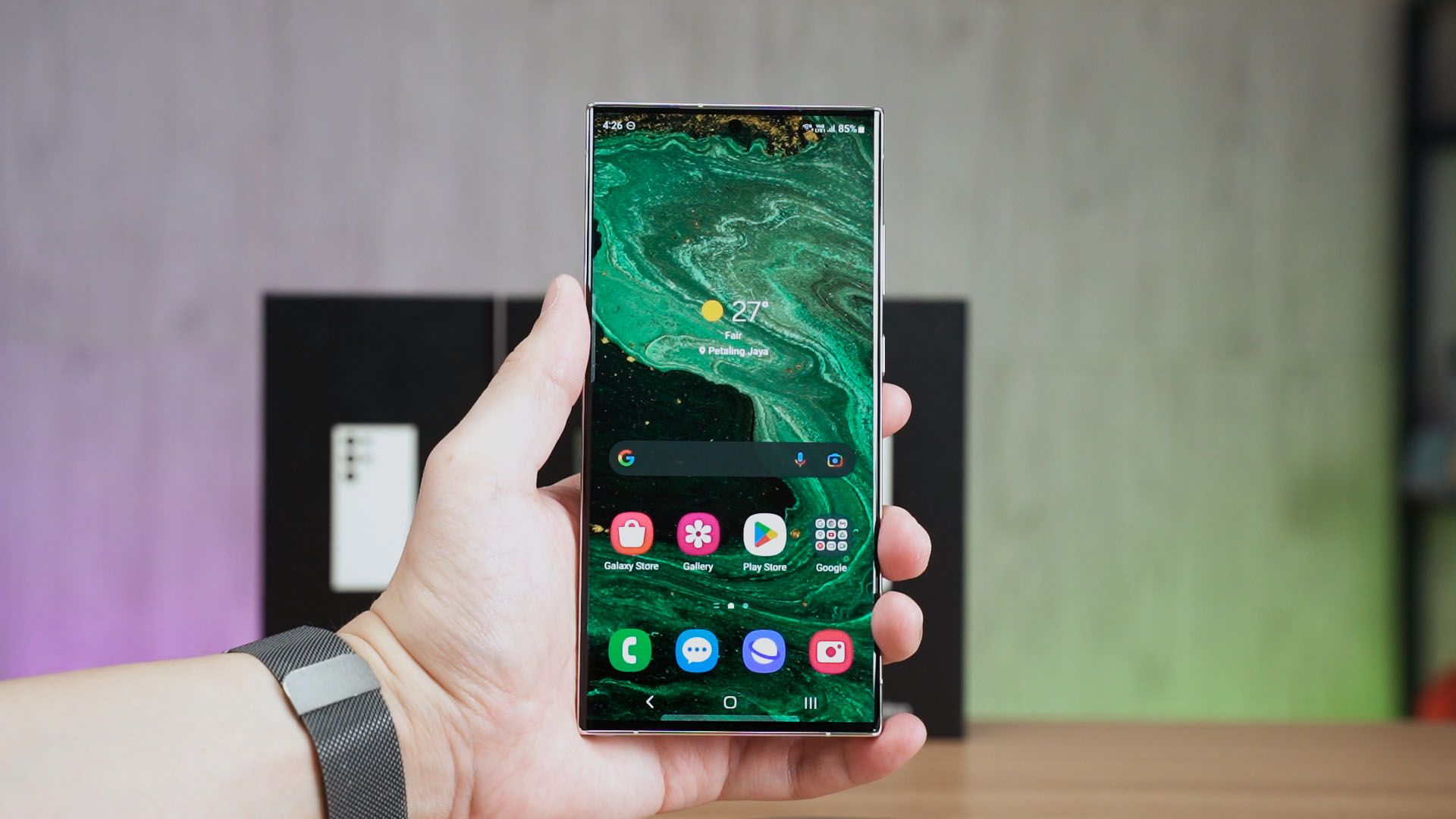
Our phones do not just snap a photo and leave it as is. There are lots of post-processing done to make it look good and pleasing to our eyes. For example – color saturation, dynamic range balancing, sharpening, stabilization, dehazing, face smoothening, artificial bokeh – and probably more, are just some of the things your phone is doing in the background once you press the shutter button.
If you want to do it manually yourself, then by all means. I’m sure you’ll get tired of the photo editing process real quick if you have to do it for every single photo.
Like our Facebook Page here at NasiLemakTech.com for more news and in-depth reviews! Also, join our Facebook Group for insightful information and memes!
Subscribe to our YouTube channel too!

You are missing the point .We need to know that the phone is capable of taking photos of the Moon without altering or faking anything. We already know what you can do with photoshop but that is by choice. I want to know if the phone can take a clear shot of the moon without faking it because some critics say that the they are investigating whether the moon photos are taken by phone at all but substituted from somewhere else. What tests did you do?
And every single picture you take with your phone now is also processed through computational photography. Every picture is processed by a computer now.