
















XR devices have improved quickly over the past few years, especially in hardware specifications and whatnot. But if you talk to developers or power users, you’ll often hear the same challenge come up – the operating systems behind these devices haven’t always evolved at the same pace.
That’s partly why PICO’s latest announcement around PICO OS 6 stands out. Rather than positioning it as a typical software update, the company describes it as a ground-up rebuild of its spatial operating system architecture, aimed at addressing some of the core friction points in XR performance and usability.
At a high level, the idea is to move XR platforms closer to what many people now call spatial computing – environments where multiple apps, windows, and immersive experiences can coexist and interact in a shared digital space. Instead of running single, isolated experiences, users can begin treating XR more like a full computing environment.
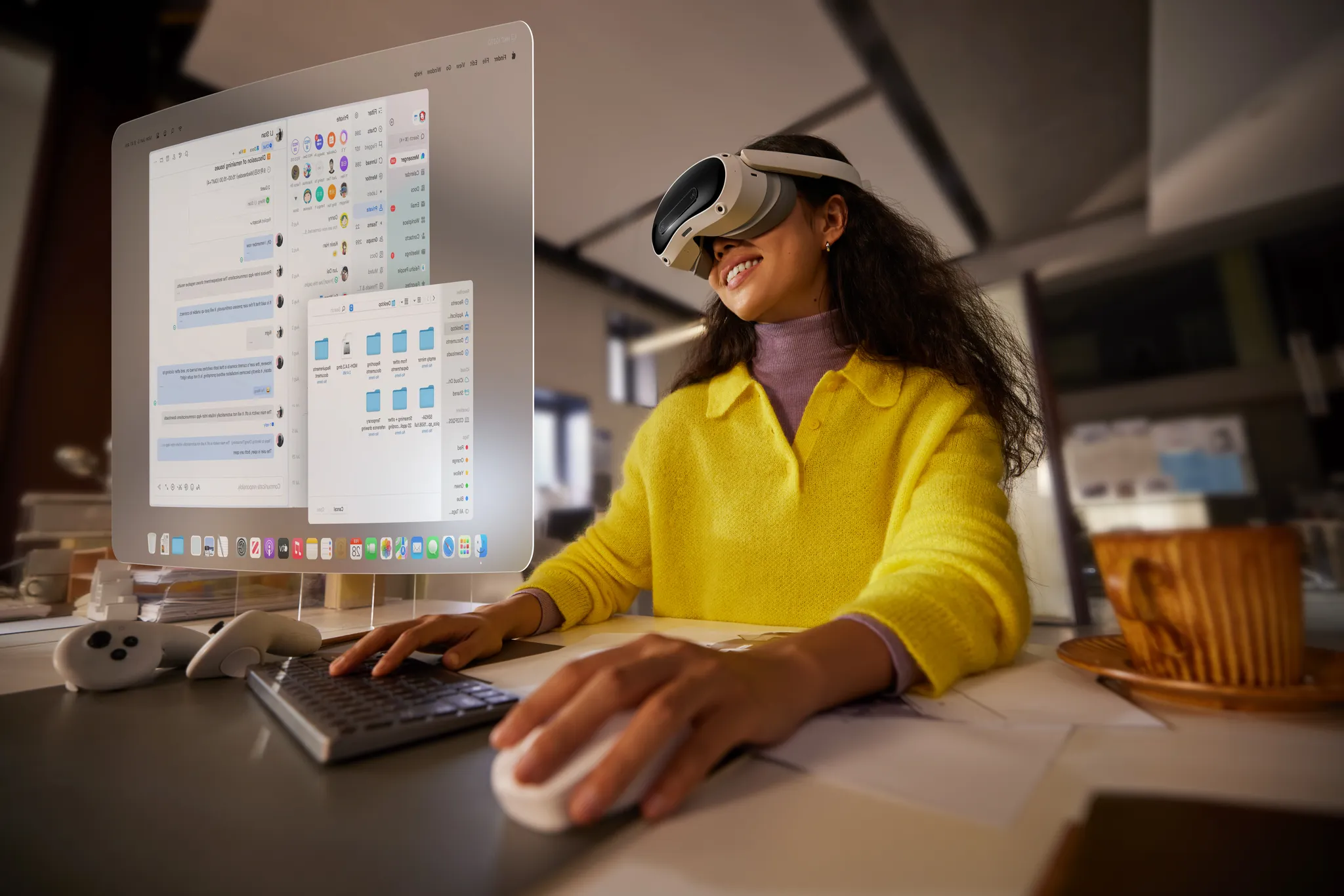
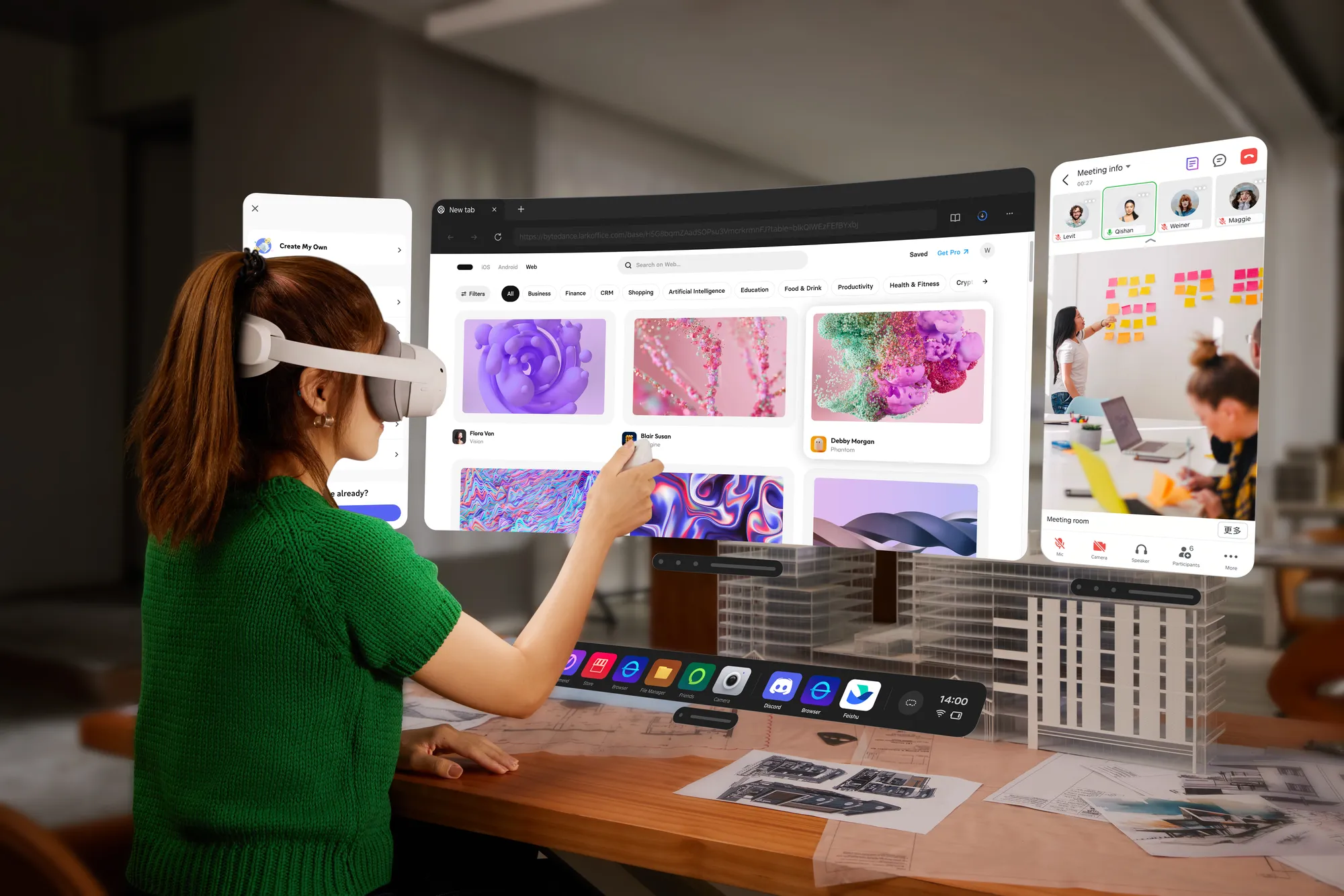
Now here’s what OS 6 differentiates from its past iteration, as it is now running on the PICO Spatial Engine, which centralizes rendering at the operating system level rather than leaving it entirely to individual applications. In practical terms, that means the system can render traditional 2D apps, immersive 3D environments, and real-world passthrough simultaneously while maintaining responsiveness.
The result is an XR environment where multiple windows and applications can run at once, creating a more fluid mixed-reality workspace. For developers, this approach also reduces complexity, since the operating system handles more of the heavy lifting behind how these experiences are rendered and coordinated.

While XR devices are still mainly a “gaming” or “entertainment” equipment, this doesn’t stop folks from using them for productivity scenarios as well. With spatial multitasking, users could run collaborative 3D modeling sessions while keeping supporting tools nearby, such as web browsers, design references, or note-taking apps, anchored within the same virtual workspace.
As such, PICO is already in work with more than 2,600 enterprise institutions, and that kind of workflow flexibility could make XR more viable as a daily work environment rather than a single-purpose tool.
Another aspect the brand is emphasizing is openness, as the PICO OS 6 supports a broad range of development frameworks and application types, including spatial apps, OpenXR, WebXR, Android apps, web apps, and PC VR streaming. That cross-platform compatibility is meant to lower friction for developers while expanding the kinds of software that can run on the platform.

On the other hand, developers are getting more tools to play around with. Releases such as the new Spatial SDK built with Kotlin, PICO Spatial Plugin for Android Studio, and PICO Emulator all help devs build and test XR applications without needing physical hardware. The company is also pushing an open-source project called WebSpatial, which allows developers to build XR experiences using familiar web technologies such as HTML, CSS, and React.
Taken together, these updates show how the XR industry is gradually shifting toward broader spatial computing ecosystems, with PICO being at the forefront of steady yet innovative change beginning with OS 6.
Like our Facebook Page here at NasiLemakTech.com for more news and in-depth reviews! Also, join our Facebook Group for insightful information and memes!
Subscribe to our YouTube channel too!