

















I’ve been covering tech and gaming for 7 years, and one pattern fascinates me: people gravitate toward actual slot games even when hundreds of mobile apps promise the exact same thing.
Mobile games win on convenience. Playing during your commute, on lunch breaks, maybe during those video calls where you’re definitely paying attention. But after testing both formats extensively, I noticed something critical. They don’t feel the same.
The Animation Quality Gap
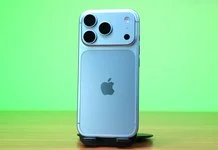
Most mobile games compress their graphics aggressively because of battery drain and data usage concerns, resulting in choppy animations that stutter when screens get crowded. Last month I tested this using my Poco F9 Pro—running a Snapdragon 8 Elite processor, pretty powerful hardware. Even with those specs, mobile slot apps felt lifeless.
Versus proper online casino slots running through desktop or solid tablet setups. The contrast jumped out immediately. Characters respond dynamically to gameplay moments instead of playing canned loops. Coins flip with physics that actually make sense. Lightning builds tension before striking rather than just flashing onto screen. I’m seeing consistent 60fps motion that creates genuine excitement.
Sound Design Nobody Talks About
Audio gets massacred on mobile. The difference is shocking. Mobile apps serve up compressed sound effects reminiscent of 2008 ringtones.
Real slot platforms layer their audio properly. Spinning reels carry actual weight in their sound signature. Winning combinations build through musical progression that escalates. Ambient background noise establishes mood instead of preventing awkward silence. You genuinely sense when significant outcomes approach because audio cues telegraph them.
Why Motion Matters More Than We Think
Yesterday I watched someone play Money Tree for 3 hours straight—featuring koi transforming into dragons. Observing those visual transitions taught me something fundamental about game design principles.
Human brains evolved to track movement patterns. Symbols that animate through their transitions rather than simply swapping positions keep us engaged through different neural pathways entirely. Mobile games eliminate these frames because they’re optimizing for devices needing all-day battery life. Can’t fault that decision, but something meaningful gets sacrificed.
The Technical Reality
Processing capability stopped being the limiting factor—my current phone benchmarks higher than my 2019 laptop. Screen refresh rates reach 120Hz standard now. But mobile experiences still feel compromised.
Development priorities explain this gap. Mobile slot apps prioritize download size first (staying under 100MB for cellular downloads) and battery conservation second. Actual gameplay experience ranks third at best. Desktop and web platforms don’t face those restrictions. Loading 250MB of assets creates no problems, and nobody worries about draining batteries by afternoon.
You notice this everywhere. Particle effects flooding entire screens. Multiple animated characters reacting simultaneously to events. Cascading wins that actually cascade smoothly instead of appearing in awkward stages.
Where Mobile Actually Wins
Mobile serves legitimate purposes. Casual sessions work great. Testing games before making commitments makes sense. Playing while your laptop installs updates? Totally reasonable.
Mobile slots fill a niche. Just can’t replicate that complete sensory package yet.
For now though? Clear winner exists if you prioritize experience quality over killing empty time.
Like our Facebook Page here at NasiLemakTech.com for more news and in-depth reviews! Also, join our Facebook Group for insightful information and memes!
Subscribe to our YouTube channel too!