







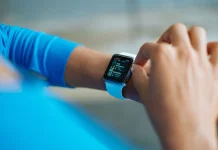



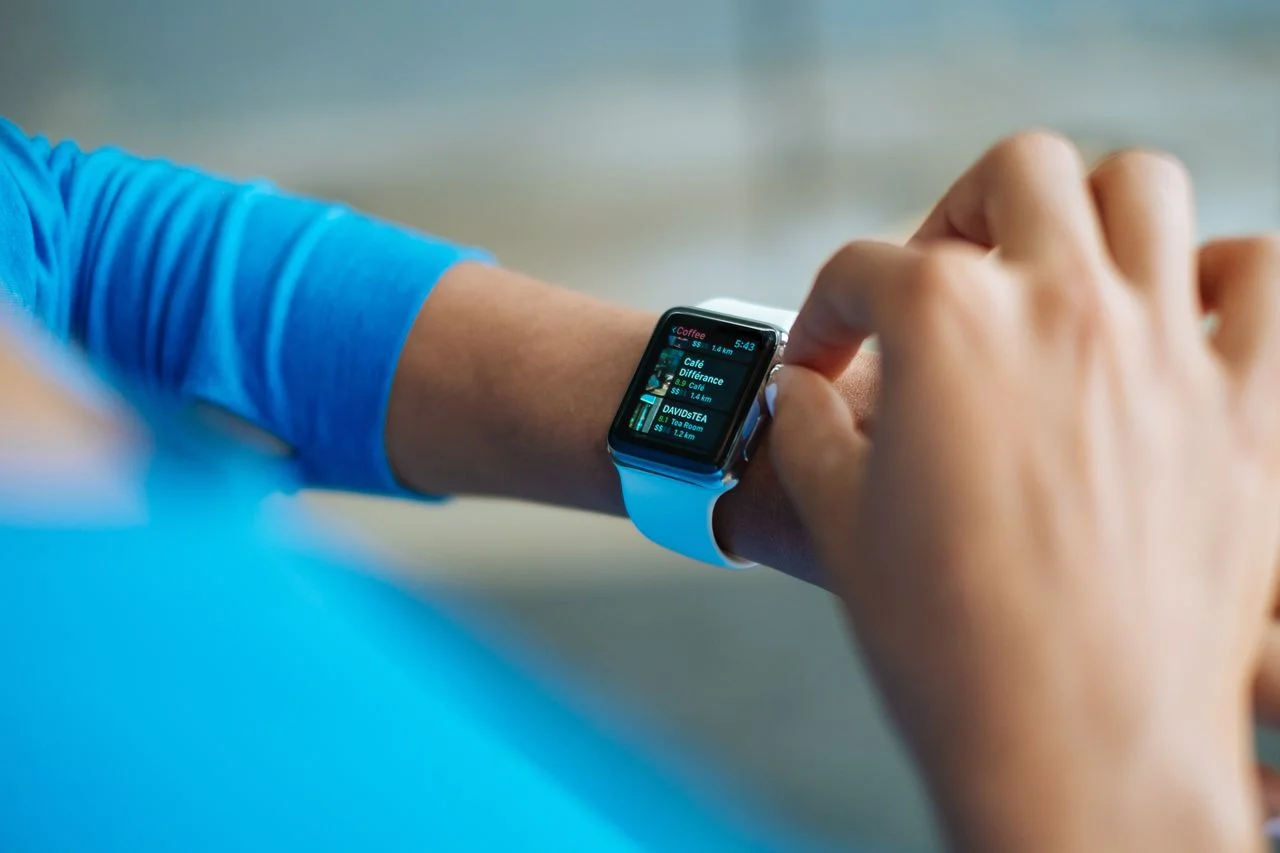

If your smartwatch already gives you a sleep score, heart-rate trends and a recovery summary every morning, buying another wearable only makes sense if it solves a different problem.
That is becoming harder to judge. Smart rings compete on overnight comfort and passive monitoring. Recovery wearables focus on readiness and long-term trends. Other devices are designed for short sessions before sleep or during recovery rather than continuous tracking.
They may all appear under the same “wellness wearable” label, but they do not do the same job. The best way to compare them is to start with the missing function, then evaluate whether the hardware, software and daily routine actually support that function.
First Decide What You Want the Wearable to Do
Most sleep and recovery wearables fit into three roles.
| Role | What you get | Best fit |
| Tracking | Sleep, heart rate, HRV, activity and other trends | You do not yet understand the pattern |
| Interpretation | Baselines, readiness scores and personalized insights | You have data but need better context |
| Active support | A physical or guided input during a recovery routine | You already know the problem and want a repeatable action |
The difference matters because buying a second tracker rarely solves an action problem.
If you are unsure whether late workouts or irregular bedtimes are affecting sleep, a comfortable ring or better overnight tracker may reveal the pattern. World Sleep Society guidance supports using consumer sleep trackers for sleep-related insights while stressing that device choice should match intended use and that proprietary metrics have limitations.
But suppose your current watch already shows the same pattern every week: short sleep after late work, elevated nighttime heart rate after difficult training days, or poor recovery during high-stress periods. Another device that gives you a second sleep score may add little.
This is where wearable wellness technology built around an active routine becomes a separate category. Instead of only recording a problem, the device is designed to become part of what the user does next.
The useful comparison is therefore not “Which wearable has more features?” It is “Which function am I currently missing?”
Match the Form Factor to When You Will Use It
A device worn for eight hours overnight should be judged differently from one used for a 20-minute session before bed.
For overnight trackers, comfort and uninterrupted data collection come first. Nasi Lemak Tech’s Galaxy Ring review makes this practical: ring sizing, skin contact, day-to-day comfort and roughly five-day battery life all affected the actual experience of living with the device. The Ultrahuman Ring AIR review makes a similar point—the appeal of the ring is not simply smaller hardware, but a more discreet form factor for continuous health tracking.
For an active wearable, the questions change. You need to know where it sits, how quickly it can be set up, how long the session lasts and whether contact remains comfortable from start to finish. If the technology depends on electrical stimulation, placement and electrode contact are part of the intervention rather than cosmetic details.
This is especially relevant for ear-based vagus nerve stimulation. Transcutaneous auricular vagus nerve stimulation, or taVNS, delivers electrical stimulation through selected areas of the outer ear associated with the auricular branch of the vagus nerve. Products can differ in contact point, electrode design, intensity controls and session structure.
If sleep preparation is the use case, a sleep-focused vagus nerve stimulation guide is more useful than comparing these devices by the number of modes they advertise. Two products can share the same category label while delivering meaningfully different routines.
By this point in the buying process, the form factor should already answer a practical question: Can I realistically use this device at the time and for the duration it requires?
Treat the App and Hardware as One Product
A screenless wearable is only partly defined by the object on the body. The app determines how much of the collected information becomes useful.
A basic app stores data. A good one helps the user see what changed and whether the change is worth paying attention to.
Nasi Lemak Tech’s recent coverage of Samsung Health shows where mainstream wearables are heading. Samsung’s updated health platform compares several overnight signals—including heart rate, HRV, respiratory rate, blood oxygen and skin-temperature deviations—against the user’s own resting baseline rather than treating each metric as an isolated alert.
That is a useful standard for other wellness wearables too.
If the product has an app, check whether it:
- keeps enough history to show patterns;
- compares current data with a personal baseline;
- explains what a score or recommendation is based on;
- reduces the need to interpret multiple metrics manually;
- allows basic device use without unnecessary screen time.
For active wearables, session history also matters. A short intervention has more context when the user can see how often it was used and how it fits alongside longer-term sleep or recovery trends.
Luna Plus, for example, pairs ear-worn auricular taVNS hardware with the Zeno App. The app can keep session history alongside HR/HRV trend insights, sleep-related signals, AI Coach guidance and personalized mode recommendations. The hardware provides the session; the software keeps the session from becoming an isolated event.
That is a more useful role for an app than simply adding another dashboard.
Check Whether the Evidence Matches the Feature You Are Buying
Wearable marketing often mixes several types of evidence on the same page.
A company may cite research on HRV, sleep tracking, AI, vagus nerve stimulation and the product itself. All of those references can be legitimate while answering different questions.
For a tracker, the important issue is whether its measurements and algorithms provide useful sleep information under the conditions in which people actually wear it. The World Sleep Society specifically distinguishes fundamental sleep measures from proprietary exploratory metrics and recommends selecting devices according to intended use. The National Sleep Foundation similarly notes that consumer sleep technology has real potential while emphasizing the need to understand its utility and limitations.
For an active device, evidence also needs to match the intervention. Research on one taVNS electrode location, waveform or session schedule should not automatically be treated as evidence for a commercial device using different parameters.
When a product says “research-backed,” check what was actually studied:
- the physiological signal;
- the technology category;
- a specific protocol;
- or the commercial product itself.
That distinction is more informative than the number of citations on a landing page.
Battery Life and Subscriptions Matter Only in Context
Battery comparisons are useful only when the devices are meant to do the same job.
A ring intended for continuous overnight tracking needs enough battery life to avoid regular gaps in sleep data. A session-based device used for a short period each day has a different requirement.
The same applies to charging. Five days of battery life may sound better than two, but the more useful question is whether the charging schedule interrupts the main reason you bought the device.
Ongoing cost should be evaluated the same way. Check whether the hardware depends on:
- a mandatory subscription;
- paid analytics or coaching features;
- replacement electrodes or other consumables;
- proprietary accessories;
- a particular phone or software ecosystem.
The purchase price is only the first part of the cost if an essential feature stops working when a membership expires.
Do Not Compare Recovery Scores Across Brands as if They Are the Same Measurement
A sleep score, readiness score or recovery score is a product output, not a universal physiological unit.
Two platforms can use overlapping signals and still reach different conclusions because their algorithms weight sleep, activity, HRV and other measurements differently.
This is why longitudinal use within one platform is often more useful than comparing the absolute scores of several devices. If one wearable consistently shows how your own sleep or recovery changes relative to your baseline, that trend may be more useful than knowing whether another brand gave the same night 73 instead of 81.
The current generation of wellness wearables is increasingly moving toward individual baselines for exactly this reason. Samsung Health’s recent update, for example, evaluates several overnight measures against verified resting patterns rather than relying only on generic thresholds.
Before letting a score change your behavior, find out what goes into it.
Use a Simple Buying Test
Once the features are stripped away, choosing a sleep or recovery wearable comes down to a few questions:
What problem am I trying to solve?
If you cannot identify the missing function, you probably do not need another device.
Does my existing watch or ring already solve it?
Avoid paying twice for the same tracking layer.
When will I use the new device?
Overnight tracking and a pre-sleep intervention require very different hardware.
What does the app add?
Useful software should turn history into context rather than create more numbers to monitor.
Can I repeat the routine without thinking about it?
Fit, charging, session length and setup determine whether the product lasts beyond the first few weeks.
Does the evidence match the function being sold?
Research on a category is not automatically research on the product.
These questions make comparisons between smartwatches, rings and newer wellness wearables much easier because they focus on the function rather than the format.
Final Thoughts
The wearable market is no longer organized around one device trying to do everything.
Smartwatches remain strong general-purpose health trackers. Smart rings offer a lower-profile way to collect sleep and recovery data. Active wellness devices address a different part of the problem by becoming part of a recovery or pre-sleep routine.
Choose between them based on what is missing from the setup you already have.
If you need better visibility, prioritize comfortable tracking and useful long-term trends. If you already understand the pattern, look for a device that adds a genuinely different action without making the routine harder to maintain.
The best wellness wearable is the one that performs a useful job your current devices do not—and does it with little enough friction that you continue using it.
References
- Chee MWL, Baumert M, Scott H, et al. World Sleep Society Recommendations for the Use of Wearable Consumer Health Trackers That Monitor Sleep. Sleep Medicine. 2025.
- Dzierzewski JM, Erickson AJ, Ferri R, et al. Consumer Sleep Technology: A Position Statement from the National Sleep Foundation. Sleep Health. 2026.
- Nasi Lemak Tech. Samsung Galaxy Ring Review – Enter the World of Smart Rings. 2025.
- Nasi Lemak Tech. Review – Ultrahuman Ring AIR. 2024.
Like our Facebook Page here at NasiLemakTech.com for more news and in-depth reviews! Also, join our Facebook Group for insightful information and memes!
Subscribe to our YouTube channel too!