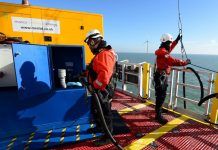
















Data centers consume boatloads of water for cooling; that’s common knowledge. So before Google switches on a single server in Port Dickson, they have poured in US$160 million in funding for new shared water infrastructure in Negeri Sembilan, tied to its upcoming data center campus at Springhill Industrial Park, along with new clean energy education and workforce programs for local youth.
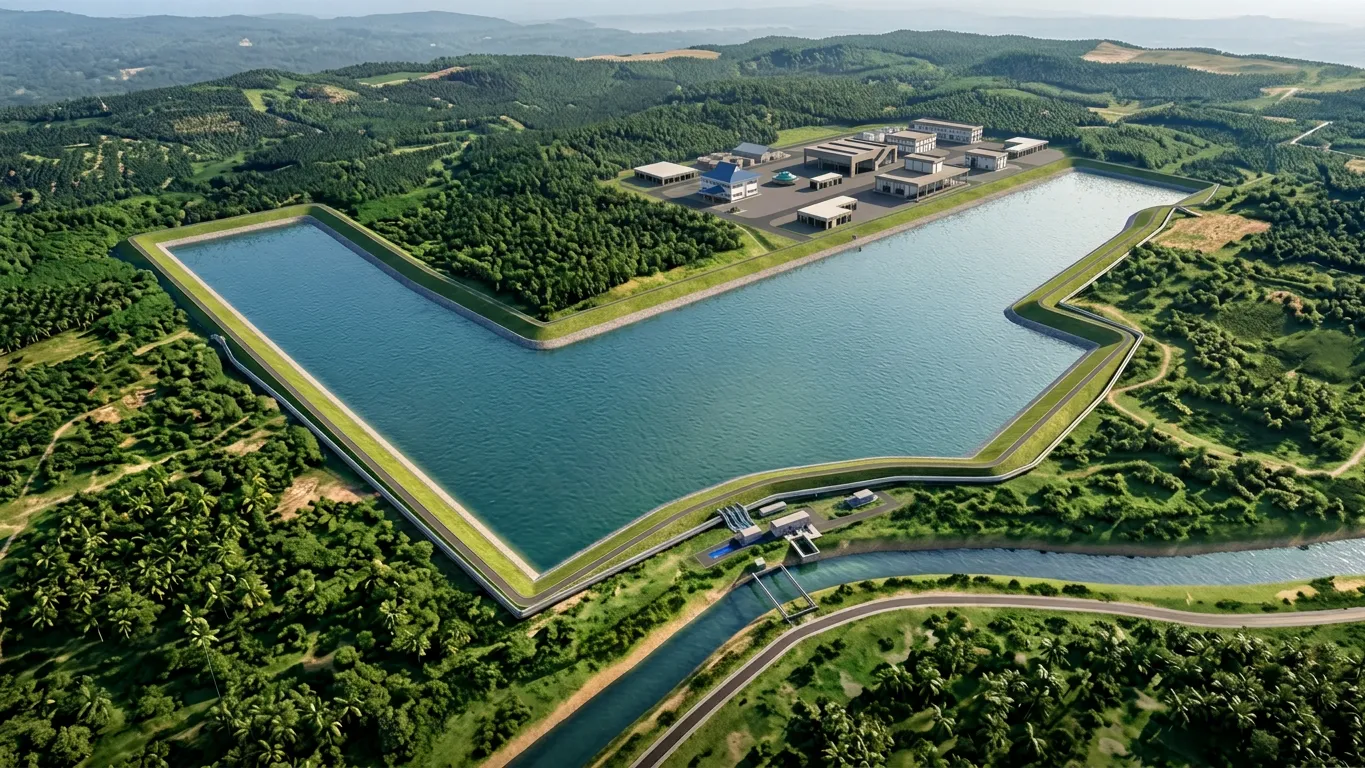
Working with the State Government and Syarikat Air Negeri Sembilan, Google has appointed Gamuda Berhad to build an off-river storage reservoir and a water treatment plant. Once finished, both will be owned by Menteri Besar Negeri Sembilan (Incorporated), the state’s statutory asset body.
The plant will deliver 65M liters of potable water a day, serving the data center campus and expanding the state’s water supply for public use. The reservoir sits along the Linggi River and captures excess river flow and rainfall during high-yield seasons, which helps reduce flood risk in nearby flood-prone areas. In drier periods, the plant draws from the reservoir’s reserves, so the community keeps a steady supply without disrupting the river’s natural flow.
On the power side, Google says it will pay for 100% of the electricity the campus uses, plus the direct infrastructure costs of connecting it to the grid, in line with local regulations. The campus is designed from the ground up to be among the most energy-efficient in the world and will support services like Search, Maps, and Chrome for millions of people and organizations in Malaysia. The firm has also signed power purchase agreements with consortiums led by Shizen Energy-Solarvest and TotalEnergies to add new clean power, such as utility-scale solar, to the national grid.
Google is also expanding its work with SOLS Foundation on two youth programs rolling out in Negeri Sembilan in early 2027. Solar Explorers and Solar Futures will set up a Solar and Energy Lab in each participating public school, equipped with a 2.56-kilowatt-peak solar array and 5.4 kilowatt-hours of battery storage.
Teachers will be trained to run interactive lessons, primary students will learn how solar works and pick up energy-saving habits, and secondary students will get a look at clean energy careers. The labs will also help schools cut electricity costs and provide backup power during outages.
The second program, Digital Skills for the Renewable Energy Workforce, is a 36-hour training track that becomes a permanent part of the SOLS Solar Academy, which prepares youth from lower-income backgrounds and Indigenous communities for skilled trades like solar installation and EV charger maintenance, with job placement after graduation. The new track adds digital skills like solar system sizing, load calculations, and inverter and grid monitoring so graduates can move into higher-paying roles.
Like our Facebook Page here at NasiLemakTech.com for more news and in-depth reviews! Also, join our Facebook Group for insightful information and memes!
Subscribe to our YouTube channel too!