

















Have you spotted ants crossing the counter, a cockroach slipping behind an appliance, or heard scratching above the ceiling?
The reason may be hiding beyond the areas you see, where routine cleaning rarely reaches and small signs are easy to miss. Ants search for food and water, cockroaches prefer warm, damp spaces, and rodents need quiet places to nest. So, even a spotless room can have hidden pest activity.
Finding where these unwanted visitors shelter is an important step toward stopping repeat infestations and protecting your home. Many hiding places sit behind appliances, inside storage areas, or around small openings.
Here are the details about five places to inspect and practical ways to make them less inviting.
1. Kitchens And Food Storage Areas
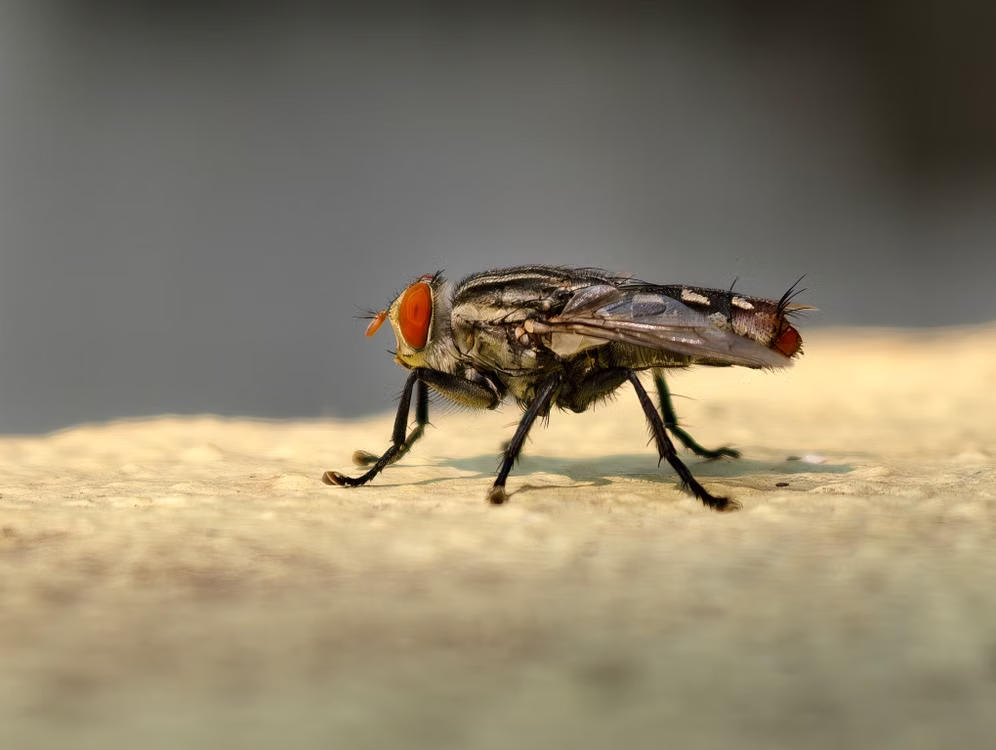
Your kitchen offers pests food, water, warmth, and hiding places.
Ants may follow crumbs or sticky spills across counters and into cupboards. Cockroaches often squeeze beneath sinks, behind refrigerators, and inside cabinets where grease and food residue collect.
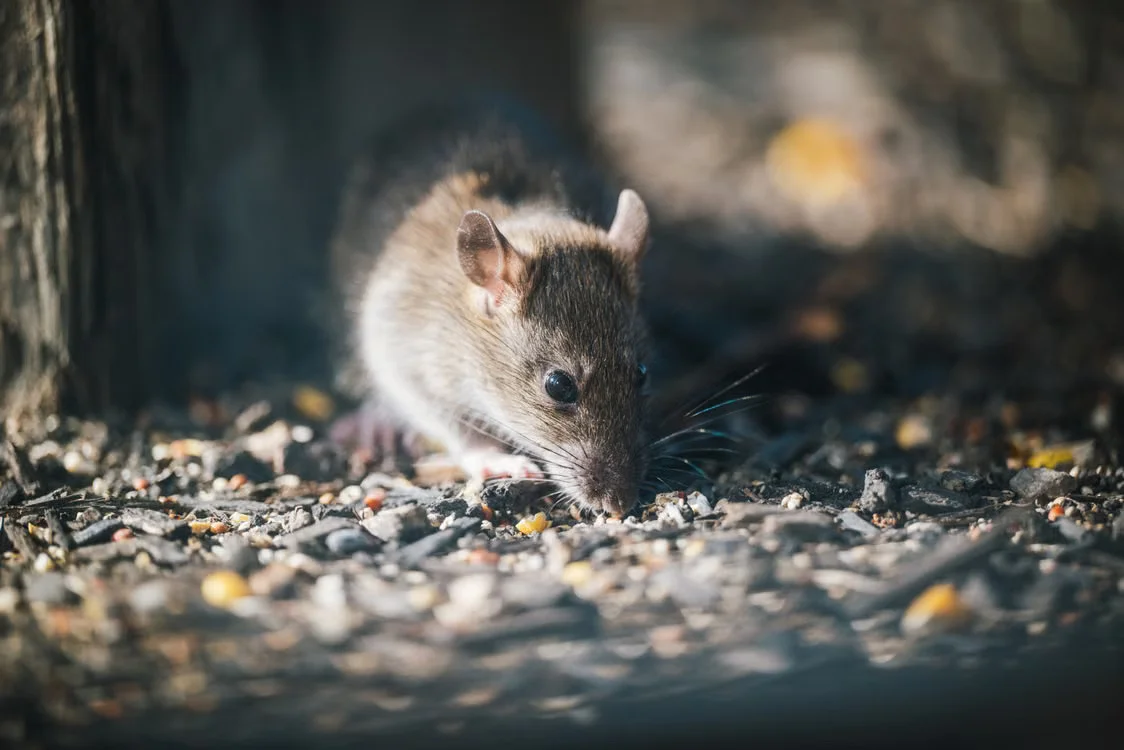
Rodents may settle near pantry shelves or behind appliances if food and nesting material are accessible. Store dry goods in sealed containers, wipe counters after meals, and clean beneath appliances. Avoid leaving pet food out overnight, and empty indoor trash regularly so food odors do not attract unwanted visitors.
If ants keep returning to your counters or cockroaches continue appearing around appliances, cleaning alone may not resolve the problem. Their hiding places or entry points could be somewhere you cannot easily reach. In such cases, consulting an exterminator who handles ants, roaches, and rodents can help you identify where the pests are sheltering and choose an appropriate treatment. This way, you can address the source rather than repeatedly dealing with the pests you see.
2. Bathrooms And Areas With Excess Moisture
Your bathroom may offer little food, but it provides something pests need: water. Cockroaches often shelter beneath sinks, behind toilets, around tubs, and inside vanity cabinets. Leaky faucets, damp corners, and condensation give them moisture while keeping them out of sight.
Ants could gain access through water around drains, pipes, or wet bath mats. Gaps around plumbing can provide rodents with routes into walls or other rooms.
Look for signs of leaks under cabinets and dry down wet surfaces after bathing. Use an exhaust fan to lower humidity; check pipe connections in wall/floor. Seal suitable gaps and repair plumbing problems promptly. You are eliminating consistent water sources, which also decreases the appeal of your bathroom for pests.
3. Basements, Crawl Spaces, And Storage Rooms
If you rarely visit the basement or crawl space, pests may take advantage of the quiet. Rodents can nest among insulation, stored fabric, old furniture, and cardboard boxes. Cockroaches often hide near floor drains, water heaters, and damp corners, while ants may travel along foundation walls.
Activity may be more difficult to observe in storage rooms. Boxes on the ground or leaning against walls provide shelter for pests to hide and drop off in.
Keep items in secure, closed plastic containers and off the ground if possible. Leave space around walls so you can check for signs of activity. If damp, check for leaks and ventilate. A dry, organized basement offers fewer nesting opportunities and makes warning signs easier to spot.
4. Wall Cracks, Gaps, And Hidden Structural Spaces
The place where you spot a pest may not be where it lives. Foundation cracks, gaps around windows, and gaps around utility lines are entry points for ants. Cockroaches hide in tight cracks and crevices under cabinets, around the drains and behind loose trim.
Rodents can penetrate small openings and travel through wall voids, ceiling voids and underfloor areas. Any scratching noises, droppings, chewed materials, and unusual smells may indicate activity that is not visible.
Inspect pipe and cable entry points, vents and doors, and building material joints. Repair and replace broken screens, attach door sweeps, and cover openings with appropriate materials. Do not just seal up the first hole you see if you suspect the rodents are within the wall! Confirm whether it is an entry point or an active route; otherwise, you could trap an animal inside.
5. Garages, Attics, And Outdoor Storage Areas
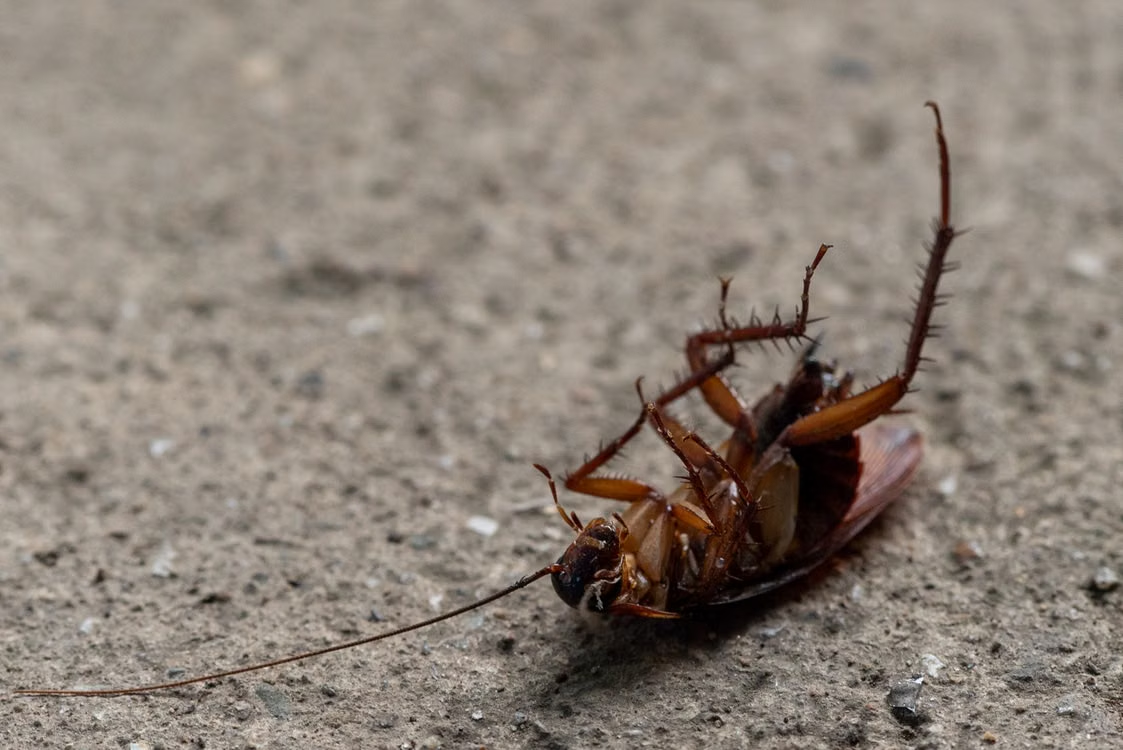
Garages and attics often become storage zones that receive little attention. Rodents can hide in stored decorations, fabric, cardboard, or insulation. Cockroaches can make their way into boxes, and ants can gain access to one’s garage through gaps found around the doors or outside walls.
Check outdoor areas, too. Pests can hide close to your home in woodpiles or in leaf litter, dense shrubs, or in unused planters. When exterior walls are in contact with vegetation, this can also provide easier access for insects. Keep firewood away from the house, trim plants, and remove yard debris.
At home, put items in closed containers and ensure that items are stored off the ground wherever possible. Check the attic for disturbed insulation, droppings, or nesting material. In the garage, tidy corners, wipe up crumbs, and ensure that the door is shut properly. These habits reduce hiding places.
Make Your Home Less Inviting to Pests
You do not have to wait until pests become a regular sight.
Check the areas they prefer, remove food and moisture sources, and seal openings that could provide access. If droppings, scratching sounds, or sightings continue after cleaning and repairs, arrange a professional inspection.
Addressing the source—not just the pest you spot—helps prevent the problem from returning and gives you confidence in the steps you take.
Like our Facebook Page here at NasiLemakTech.com for more news and in-depth reviews! Also, join our Facebook Group for insightful information and memes!
Subscribe to our YouTube channel too!