












Animation has always been defined by keyframes — the anchor points that artists set to guide movement, with software filling in the gaps. That workflow has dominated the industry for decades. But AI is now challenging the very foundation of that process, and the implications for animators, studios, and content creators are profound.
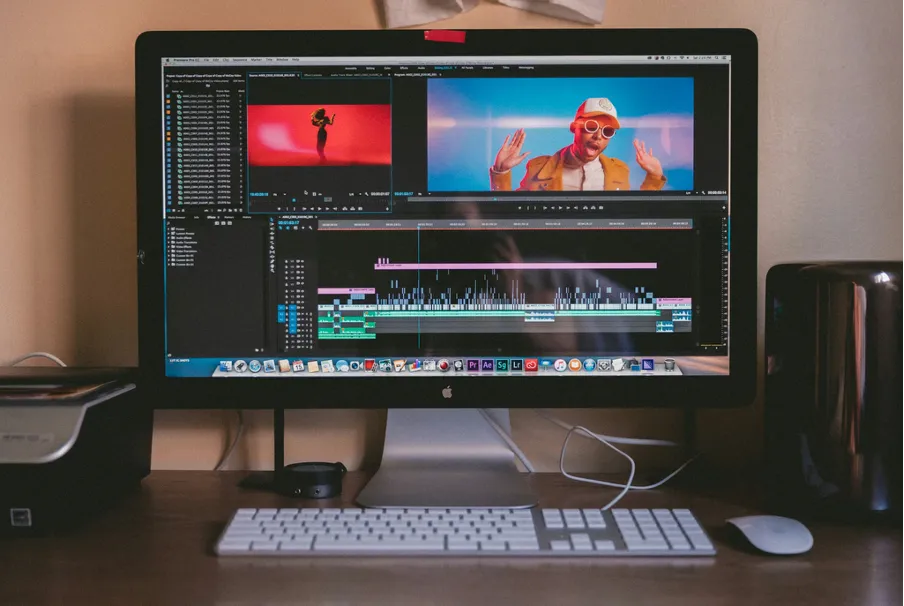
From Keyframes to Prompts
Traditional animation, whether hand-drawn or computer-generated, is labor-intensive by nature. A single second of fluid motion might require dozens of carefully placed keyframes, each one adjusted and refined by hand. Even with modern rigging tools and motion capture, producing high-quality animation demands significant time, skill, and budget.
AI changes the equation entirely. Instead of plotting movement point by point, creators can now describe what they want in plain language — or simply provide a reference image — and let the model generate the motion. The shift from keyframe-based control to prompt-based direction is not just a workflow change. It’s a fundamental rethinking of what animation production looks like.
Image to Video: The Gateway to AI Animation
One of the most accessible entry points into AI-driven animation is image to video generation. Upload a still image, write a short prompt, and the AI produces a fluid, animated clip that brings the original scene to life. What makes modern image to video tools remarkable is not just the motion they generate, but how faithfully they preserve the visual style of the source material — the lighting, color palette, texture, and overall aesthetic all carry through into the output.
This capability has opened animation to an entirely new class of creators. Illustrators who previously had no path into motion work can now animate their own artwork. Indie game developers can produce cutscene content without outsourcing. Small studios can iterate on visual concepts at a pace that was previously impossible.
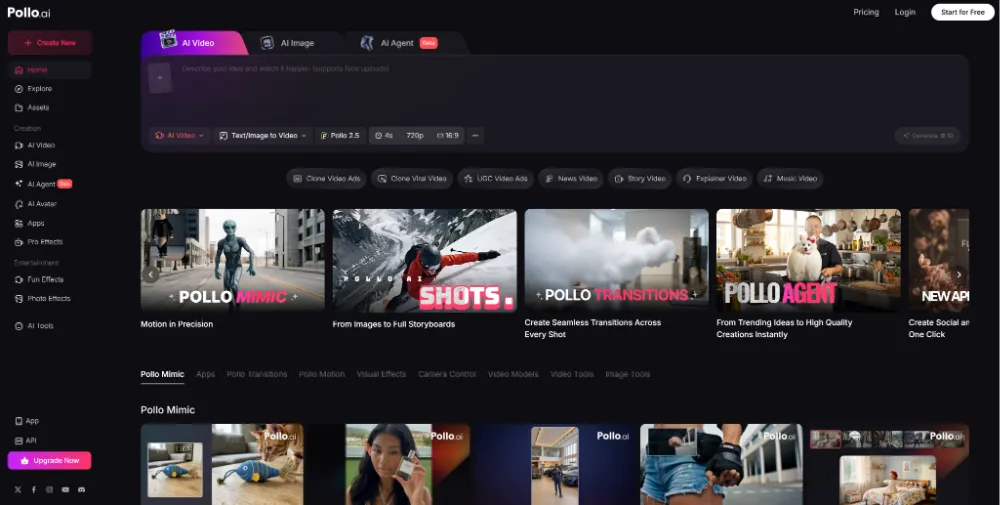
For creators looking for a practical, all-in-one platform to explore this space, Pollo AI is worth a close look. It combines image to video AI with an animation generator that can transform footage into over 30 styles — including anime and Pixar-style 3D — alongside tools like AI Mimic Motion, which transfers movement from a reference video onto a static image. It’s a capable hub for creators at any experience level.
How AI Models Are Replacing Traditional Rigs
Beyond image to video, AI is disrupting animation at a deeper structural level. Character rigging — the process of building a skeletal structure that controls how a character moves — has traditionally been one of the most technically demanding parts of 3D animation. AI-driven pose estimation and motion transfer tools are now automating much of this process.
Tools that can transfer motion from a real human performance onto a static image or 3D model are particularly significant. What once required a motion capture studio, specialized hardware, and hours of cleanup can now be approximated from a smartphone video. The barrier to producing character animation with natural, believable movement has dropped dramatically.
Style Transfer and the Death of the Blank Canvas
Another major shift is happening in stylization. AI style transfer tools can take live-action footage or rough animation and render it in a completely different visual language — cel-shaded, watercolor, hand-drawn, or any number of custom aesthetics. This eliminates one of the most time-consuming phases of stylized animation: manually applying a consistent visual treatment frame by frame.
For studios developing a signature look, this is transformative. A visual style that previously required months of art direction and technical implementation can now be prototyped in hours and applied consistently at scale.
What This Means for Professional Animators
The honest answer is that AI is not replacing skilled animators — at least not entirely, and not yet. Complex narrative sequences, nuanced character performance, and long-form consistency still require significant human creative direction. Tools like Pollo AI produce impressive results within constraints, but they struggle with the kind of sustained coherence that a feature film or episodic series demands.
What is changing is the role of the animator. Less time is spent on technical execution — tweening, rigging, frame-by-frame cleanup — and more on creative direction, prompt engineering, and output refinement. The craft is shifting upstream, toward concept and direction, and away from repetitive technical labor.
The Road Ahead
The trajectory is clear. AI animation tools will continue to improve in quality, consistency, and controllability. Real-time generation, longer clip lengths, and tighter integration with professional pipelines are already emerging. The question for studios and individual creators alike is not whether to engage with these tools, but how quickly to build fluency with them.
Keyframes are not disappearing tomorrow. But the workflows built around them are already evolving faster than most of the industry anticipated. The animators and studios that adapt earliest will have a significant creative and commercial advantage in the years ahead.
Like our Facebook Page here at NasiLemakTech.com for more news and in-depth reviews! Also, join our Facebook Group for insightful information and memes!
Subscribe to our YouTube channel too!