












There was a time when owning a luxury watch meant choosing between what a handful of prestigious Swiss brands decided you should wear. The dial color, the case shape, the hand style — all of it was decided for you, long before you ever walked into a boutique. Today, that reality has shifted dramatically. A growing global community of watch enthusiasts has taken personalization into their own hands, quite literally, and at the center of this movement sits one of the most beloved names in horology: Seiko.
What began as a niche hobby practiced by a small circle of tinkerers has transformed into a worldwide phenomenon. Custom watchmaking, once reserved for professionals with years of training and access to expensive tools, is now accessible to anyone with patience, curiosity, and a modest budget. And no brand has made that accessibility more possible than Seiko.
Why Seiko Became the Canvas of Choice
Seiko’s dominance in the custom watch space is no accident. The Japanese manufacturer has spent decades building a reputation for quality, reliability, and affordability. But perhaps more importantly for the modding community, Seiko has also created an ecosystem of watches that are surprisingly easy to work with.
The cases are sturdy. The movements are robust and well documented. The parts are widely available from third-party suppliers around the world. And the designs, while solid, often leave enthusiasts hungry for something more personal, more expressive, more theirs.
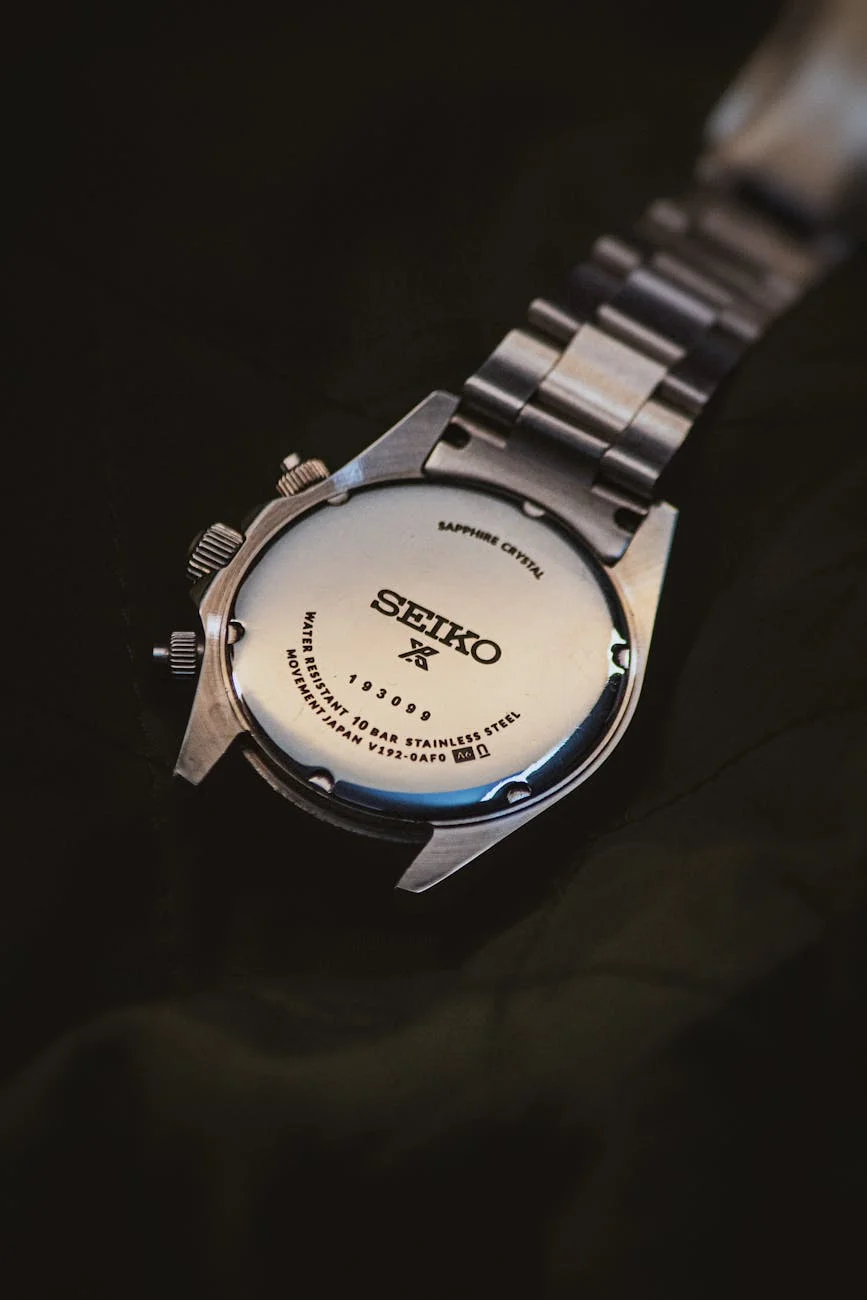
Models like the SKX007, the Seiko 5 Sports series, and the Turtle have become the go-to starting points for modders. These watches offer the perfect balance of quality internals and customizable exteriors. Whether someone wants to install a domed sapphire crystal, swap in a vintage-style gilt dial, or fit an entirely new case and bracelet, the foundation is already there waiting.
What Seiko Mods Actually Involve
For those new to the hobby, the term “modding” can sound technical and intimidating. In reality, Seiko mods span a wide spectrum, from simple aesthetic tweaks to near-complete transformations.
At the entry level, enthusiasts might start by replacing the stock hands with something more distinctive. A set of cathedral hands or snowflake hands can completely change the personality of a watch without requiring any movement work. Similarly, swapping a dial is a popular first project. Aftermarket dial makers in Japan, China, Europe, and the United States produce an astonishing variety of options, from clean minimalist designs to intricate vintage-inspired pieces with lacquered textures and printed indexes.
For those ready to go deeper, the modifications become more involved:
- Crystal upgrades, often replacing the stock hardlex with a flat or domed sapphire, dramatically improve scratch resistance and clarity.
- Bezel inserts can be swapped to change the watch’s function and feel, with ceramic, aluminum, and even stone inserts available.
- Case swaps allow modders to transform a diving watch into something that resembles a vintage dress piece or a tool watch with an entirely different silhouette.
- Movement modifications, though more advanced, include regulating the movement for improved accuracy, adding a custom rotor, or even installing an entirely different caliber.
The result is a watch that carries the reliability of a proven Japanese movement inside a body that reflects the wearer’s unique taste and vision.
The Community That Makes It All Possible
No discussion of custom watchmaking would be complete without acknowledging the extraordinary community that has grown around it. Forums, subreddits, YouTube channels, and Discord servers dedicated to watch modding are filled with tens of thousands of enthusiasts sharing their builds, offering advice, and pushing each other to try more ambitious projects.
This community has also given rise to a cottage industry of skilled craftspeople. Independent dial makers, case manufacturers, and hand producers have found a ready and eager market among modders. Some of the most respected names in this space produce parts that rival or surpass what you might find on watches costing many times more.
The sharing culture within the community is particularly striking. Experienced modders regularly post step-by-step guides, photograph their disassembly processes, and offer feedback on newcomers’ work with genuine generosity. There is an ethos of democratizing horological craft, of making watchmaking something that belongs to everyone rather than a protected guild of professionals.
Personalization as a Form of Expression
What drives someone to spend hours carefully disassembling a watch, sourcing parts from multiple suppliers across three continents, and rebuilding it into something entirely new? The answer, for most enthusiasts, comes down to identity.
A mass-produced watch, however well-made, is worn by thousands or millions of people. A modded watch is worn by one. The dial that took three weeks to source from a small workshop in Japan, the hands that were carefully polished before installation, the case that was bead-blasted to achieve just the right matte texture — all of these choices tell a story about the person who made them.
There is also something deeply satisfying about understanding the object on your wrist. When you have taken apart a movement, cleaned every component, and reassembled it with care, you develop a relationship with that watch that no retail purchase can replicate. You know how it works. You know its quirks. You know exactly what went into it.
The Question of Value and Investment
A natural question for anyone considering entering this hobby is whether the money spent makes financial sense. The honest answer is that modding is primarily a passion rather than an investment strategy, but the economics are more interesting than they might first appear.
A well-executed custom build using quality aftermarket parts can produce a watch that feels and performs at a level far above its component cost. The labor, skill, and taste involved in a thoughtful modification have real value, even if that value is difficult to quantify on a secondary market listing.
Some modded pieces, particularly those using rare vintage dials or parts from discontinued suppliers, have attracted serious collector interest. But most enthusiasts will tell you that the real return on investment is the enjoyment of the process and the satisfaction of wearing something genuinely unique.
Getting Started: What You Need to Know
For anyone feeling inspired to explore this world, the barriers to entry are lower than ever. A basic watch repair toolkit, a few online tutorials, and a donor watch are enough to begin. Starting with something low stakes, perhaps an inexpensive Seiko 5 or a used SKX, allows newcomers to practice without the pressure of working on an irreplaceable piece.
Patience is the most important tool of all. Watch movements are precise instruments, and rushing any step of the process invites frustration. The community, however, is extraordinarily welcoming to beginners, and finding guidance is as simple as posting a question in any of the major modding forums.
As skills develop, the projects naturally grow more ambitious. Many modders who started with a simple dial swap find themselves years later producing builds that are genuinely difficult to distinguish from high-end boutique custom watches.
A Movement Built on Craftsmanship and Curiosity
The world of Seiko mods represents something genuinely meaningful in the context of modern consumer culture. In an era of disposable products and algorithmic aesthetics, there is something quietly radical about choosing to engage deeply with an object, to understand it, improve it, and make it your own.
This movement is not about rejecting the watch industry or dismissing the craft of established manufacturers. Many dedicated modders are also enthusiastic collectors of vintage pieces and high-end timepieces. Rather, it is about expanding what watchmaking can mean and who it can belong to.
The rise of custom watches is ultimately a story about human creativity finding an outlet in the most unexpected of places: the two inches of real estate on your wrist. And for the growing thousands who have discovered this hobby, that small space has become a canvas for some genuinely remarkable work.
Like our Facebook Page here at NasiLemakTech.com for more news and in-depth reviews! Also, join our Facebook Group for insightful information and memes!
Subscribe to our YouTube channel too!