












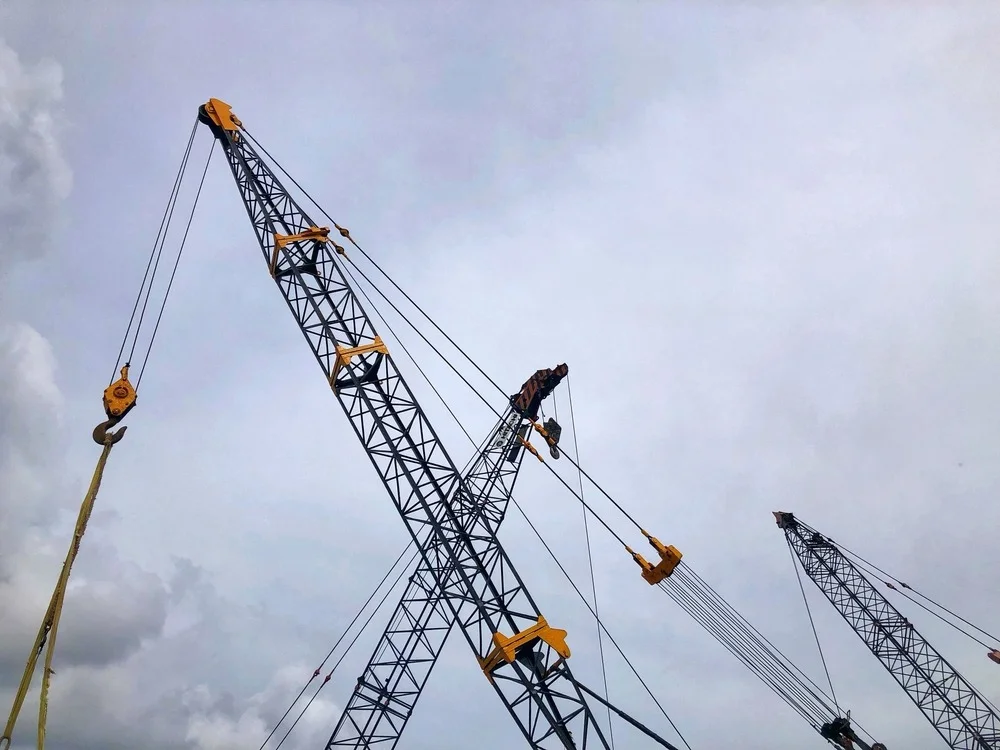

Construction projects in New York City operate under conditions unlike almost anywhere else in the country. Tower cranes rise between skyscrapers, lifting heavy materials through narrow corridors of steel, glass, and constantly shifting wind patterns. From street level, a construction site may appear controlled and routine, but conditions hundreds of feet above the ground can change quickly and unpredictably throughout the day.
Most crane operations are carefully planned, monitored, and coordinated between multiple crews. However, weather conditions can introduce complications that affect visibility, communication, equipment movement, and operational decision-making in ways that are not always obvious after an accident occurs. Following serious incidents, investigators often examine environmental conditions just as closely as they review equipment records and site procedures.
In complex construction accident investigations, individuals attempting to understand how weather-related risks may have influenced crane operations sometimes review how a crane accident attorney in NYC evaluates operational timelines, safety decisions, and communication records surrounding large urban construction projects.
Why Weather Creates Unique Challenges for Crane Operations in NYC
Weather affects construction projects everywhere, but New York City presents a very different environment compared to open construction zones or suburban job sites. Dense clusters of high-rise buildings can dramatically alter how wind moves through the city. Air currents may accelerate between structures, creating sudden gusts and unpredictable wind tunnel effects at elevated heights.
Conditions can also vary significantly between street level and upper crane elevations. Workers on the ground may experience relatively calm conditions while operators positioned high above the city encounter stronger wind exposure and reduced visibility.
Urban construction sites often operate within extremely limited spaces, leaving little room for error when moving suspended materials through congested areas. Crane operators, signal personnel, contractors, and supervisors must coordinate continuously while adapting to changing environmental conditions throughout the workday.
Because of these challenges, weather monitoring becomes a critical part of daily crane operations in NYC.
How High-Rise Wind Conditions Can Affect Crane Safety
Wind is one of the most closely monitored environmental factors during crane operations, particularly for tower cranes working on high-rise projects.
As elevation increases, wind speeds often become stronger and less predictable. Suspended loads may begin swaying unexpectedly, especially when moving large steel beams, concrete forms, or oversized construction materials between buildings. Even relatively small movements can become dangerous in tightly confined urban spaces.
High winds may also reduce an operator’s ability to maintain precise control over load positioning. Ground crews responsible for guiding materials may experience communication delays or visibility challenges while coordinating lifts during changing conditions.
Modern crane systems often include wind monitoring equipment, but operational decisions still depend heavily on judgment, communication, and real-time assessments from multiple supervisors and site personnel. Construction teams may need to pause lifting operations quickly if conditions worsen unexpectedly.
In some crane accident investigations, weather data later becomes important when reviewing whether operations continued during conditions that may have increased safety risks.
Visibility Limitations and Communication Problems During Severe Weather
Wind is not the only weather-related concern on NYC construction sites. Rain, fog, snow, and low-light conditions can also affect visibility and coordination between crews.
Crane operators frequently rely on visual communication from signal personnel positioned throughout the site. During poor weather conditions, maintaining clear line-of-sight communication can become more difficult, particularly when multiple contractors and work zones operate simultaneously on a large project.
Radio communication may become even more important during severe weather, but communication delays or misunderstandings can still occur in fast-moving environments. Operators may need to slow or temporarily stop lifts if visibility deteriorates or if crews lose visual contact during critical movements.
Manhattan and other boroughs present additional complications because of surrounding buildings, traffic congestion, and limited maneuvering space. Construction activity often continues near active roadways, pedestrians, and neighboring structures, increasing the importance of careful coordination during poor weather conditions.
Even small delays in communication or changes in visibility can complicate crane operations significantly in dense urban settings.
Why Safety Pause Decisions Often Become Important After Crane Accidents
One of the most closely reviewed issues after serious crane accidents involves decisions about whether operations should have been paused or delayed because of weather conditions.
Construction sites typically monitor wind speeds and environmental conditions continuously. Supervisors may temporarily halt lifting operations if conditions exceed established safety thresholds or if visibility becomes unsafe. These decisions can involve balancing operational efficiency, project timelines, and worker safety in real time.
Investigators reviewing crane accidents often examine:
✔ Weather reports
✔ Wind speed data
✔ Site safety logs
✔ Internal communication records
✔ Crane operation timelines
✔ Shift coordination documentation
Operational pressure can sometimes complicate these decisions. Large NYC construction projects often operate under tight schedules, making delays costly and disruptive. However, weather-related safety decisions may later become a major focus during accident investigations if questions arise about whether conditions were properly evaluated before operations continued.
How Weather Conditions Complicate Crane Accident Investigations in NYC
Crane accident investigations are rarely limited to one single factor. Investigators often analyze a combination of environmental conditions, operational records, communication systems, and site coordination procedures to understand how the incident unfolded.
Weather conditions can complicate these investigations because they affect so many aspects of crane operations simultaneously. Wind exposure, visibility limitations, communication delays, and emergency response timing may all influence how responsibility is later evaluated.
Digital crane monitoring systems, maintenance records, inspection logs, lift schedules, and contractor communication records are frequently reviewed alongside weather reports and environmental data.
Families and workers attempting to understand how changing environmental conditions may have affected construction site decisions sometimes review information connected to a crane accident attorney in NYC when weather-related operational risks become part of a larger crane accident investigation.
Conclusion
Crane operations in New York City involve far more complexity than most people realize from street level. High-rise wind exposure, sudden weather changes, limited visibility, and communication challenges all create conditions that require constant coordination and rapid decision-making throughout the workday.
Most crane projects proceed safely despite these challenges. However, when serious accidents occur, weather conditions often become an important part of understanding how operational decisions were made and whether environmental risks affected the safety of the site.
In dense urban construction environments like NYC, successful crane operations depend not only on equipment and technical skill but also on preparation, communication, and the ability to respond quickly when conditions change unexpectedly above the city skyline.
Like our Facebook Page here at NasiLemakTech.com for more news and in-depth reviews! Also, join our Facebook Group for insightful information and memes!
Subscribe to our YouTube channel too!