

















Xiaomi has been teasing the Redmi Note 7 for months, and finally – we had the grand announcement of its availability here in the Malaysian market not too long ago. On paper, the Redmi Note 7 brings with it a tremendous value for money – but how well does it hold up in our as a consumer?
Let’s find out in this in-depth review of the brand new Redmi Note 7.
Unboxing
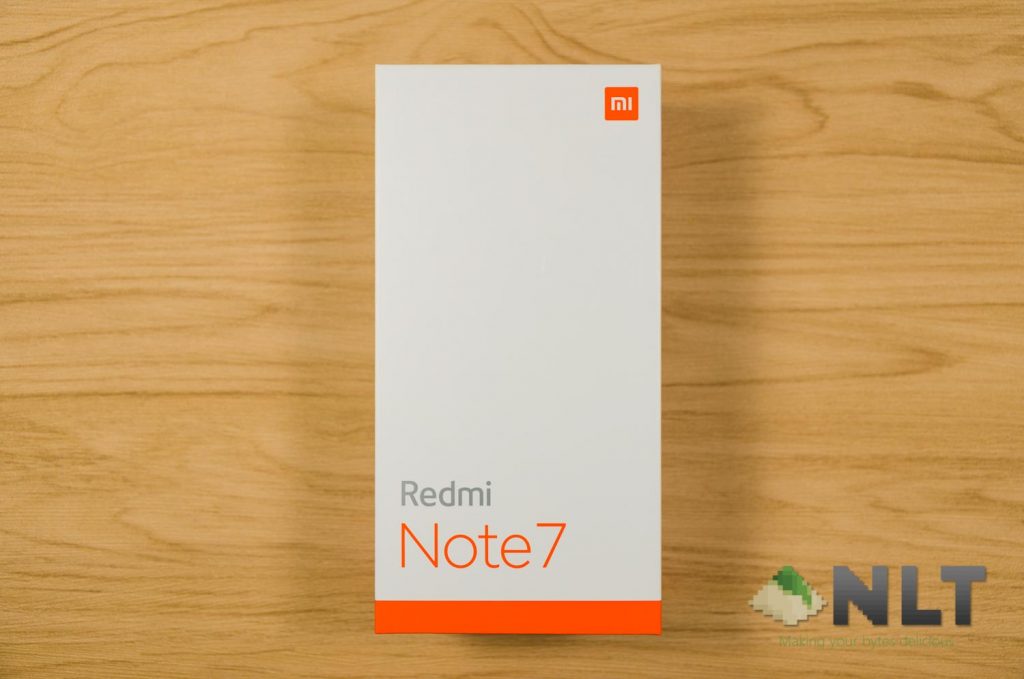
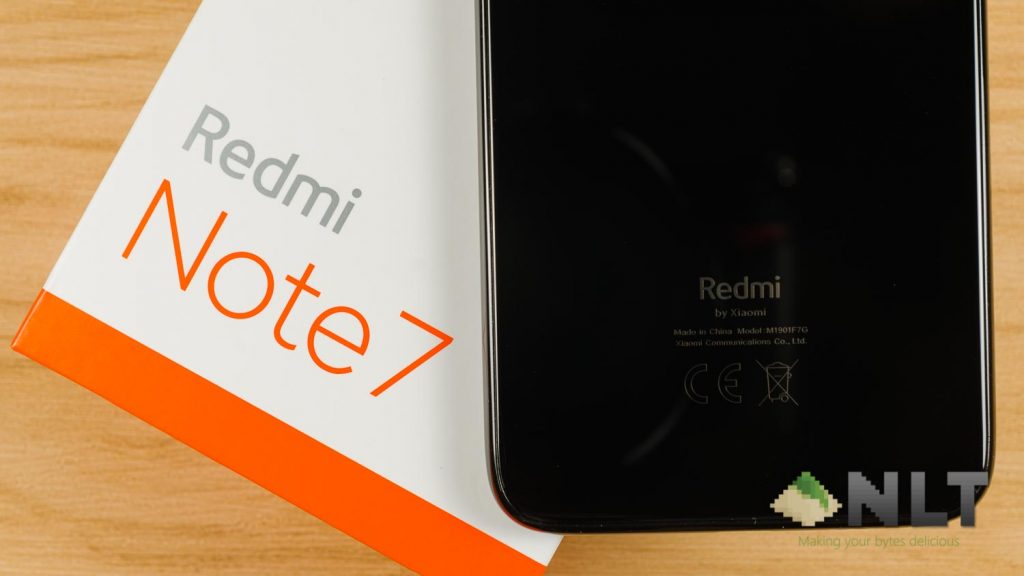
At the front of the packaging we can see that the Redmi series has once again opted for a simple design. I do miss the completely red box that was found on the Redmi 5, though.
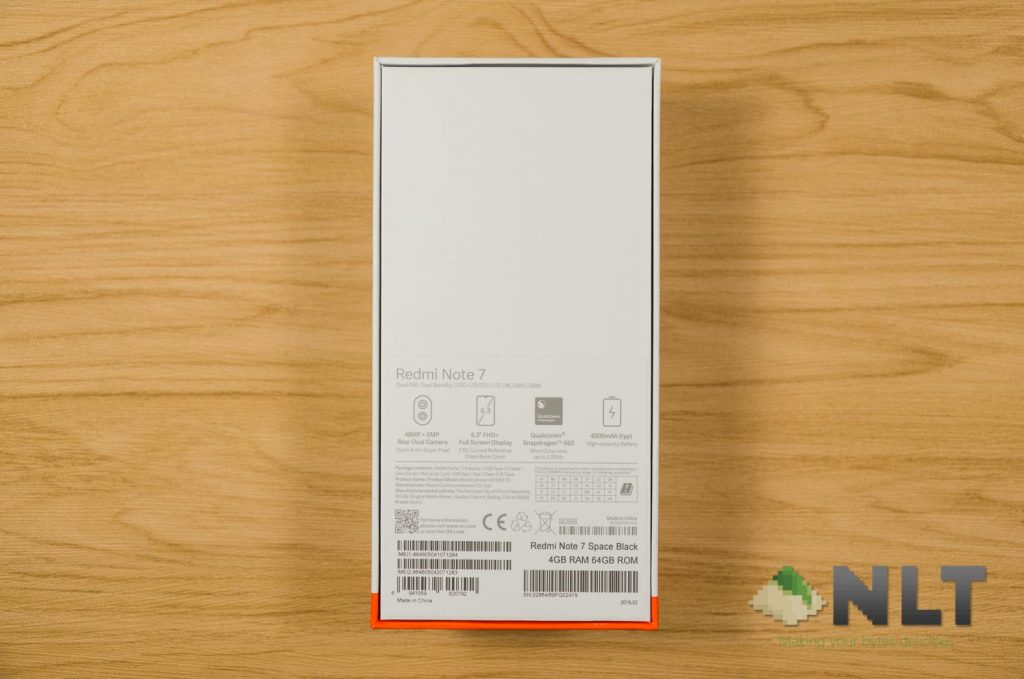
At the back of the packaging we can see a few product highlights here. There is also a list of contents in the package, if you look closely.
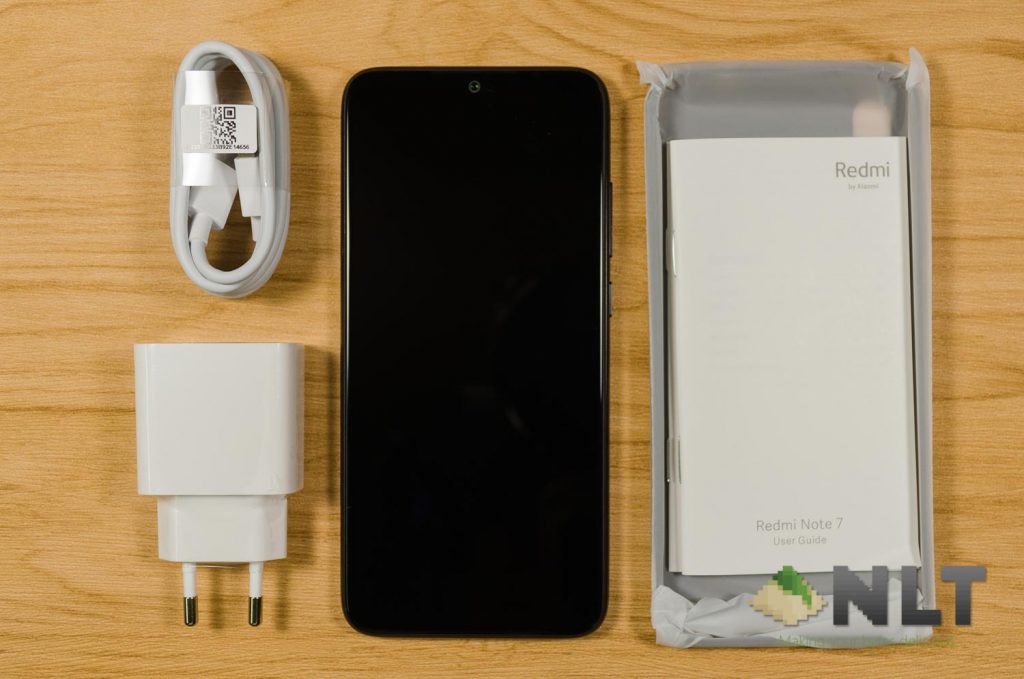
Digging everything out of the box, we can see that the Redmi Note 7 comes with a USB-C cable, a charger, some documentation, and also a TPU case. Pretty standard for mid-range smartphones, in my opinion.
[nextpage title=”Design”]
The geometry of the phone feels a little boxy. What I mean by “boxy” here is the aggressive angles at the edges of the phone. There are no rounded edges and it feels a little uncomfortable to hold.
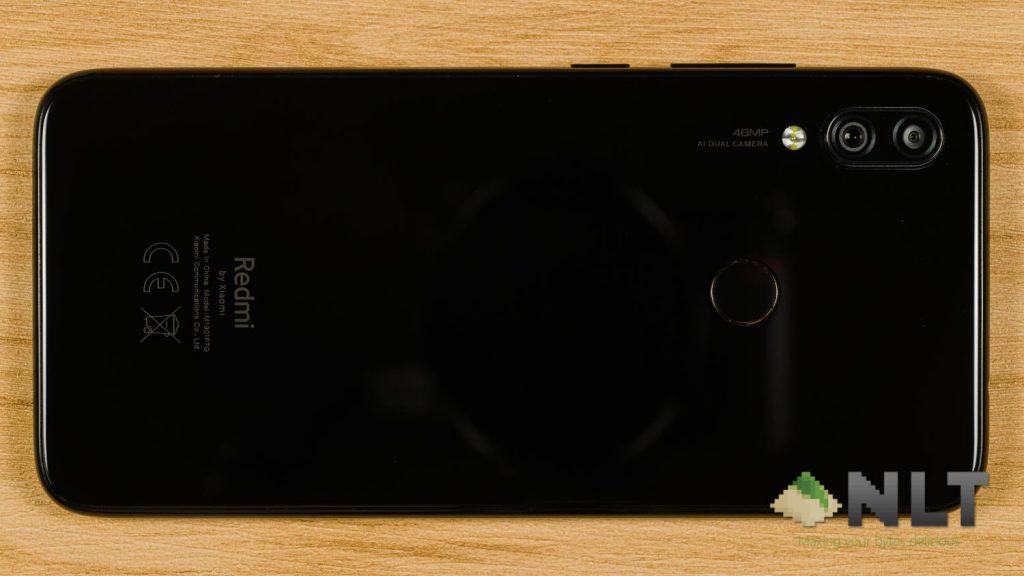
It is a bit plain too, as the back of phone is just a single color and so happens to be very reflective. Although, there are other color options of the Redmi Note 7 which I truly love – particularly the Nebula Red. It also comes with Neptune Blue color option.
One thing that many people complained is the humongous chin at the bottom of the phone and it is asymmetrical with the thickness of the bezel above the display – or the forehead, as I call it. I actually don’t find it an issue since the chin is where the notification LED is found. Yes, the Redmi Note 7 has a notification LED as well.
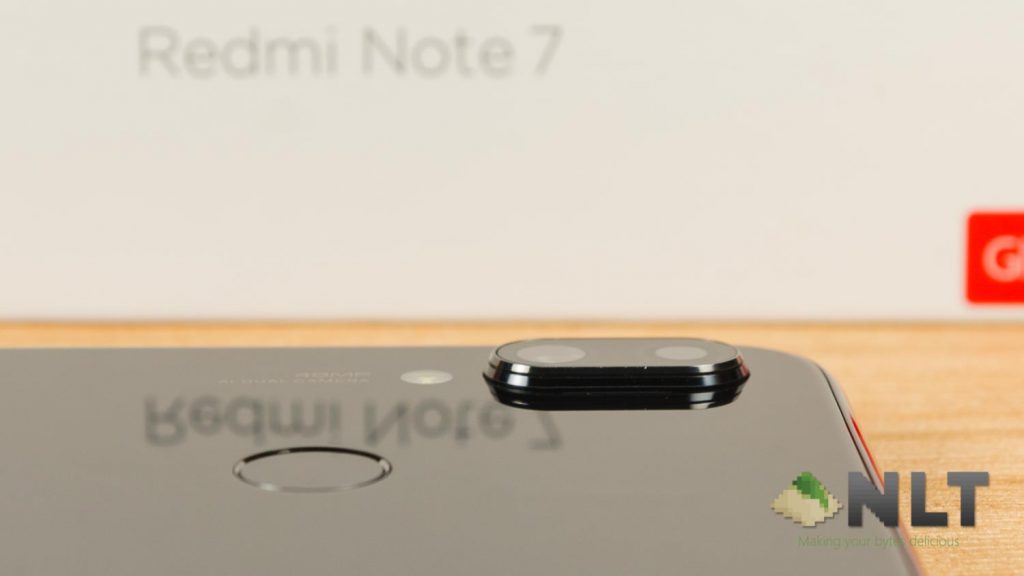
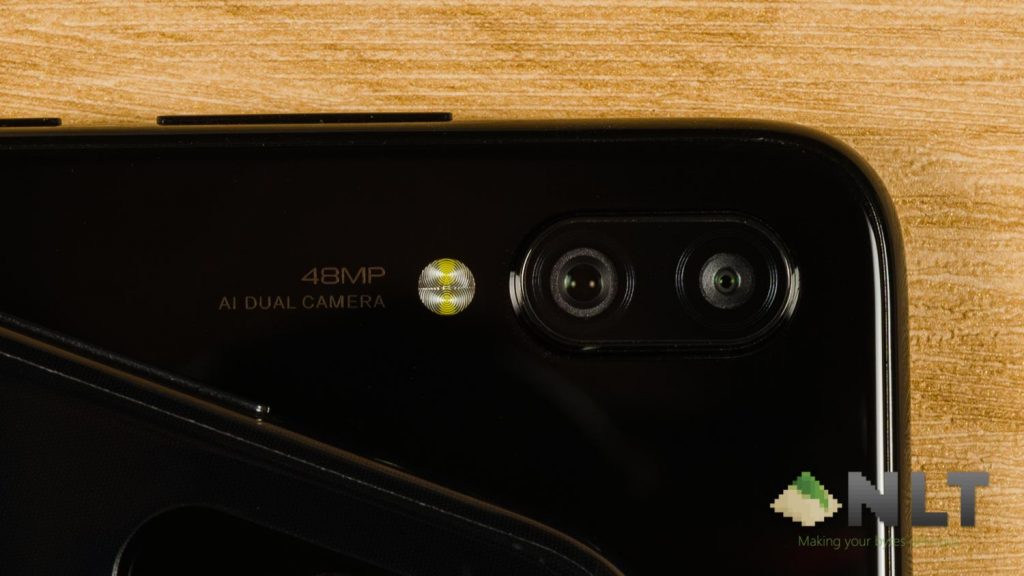
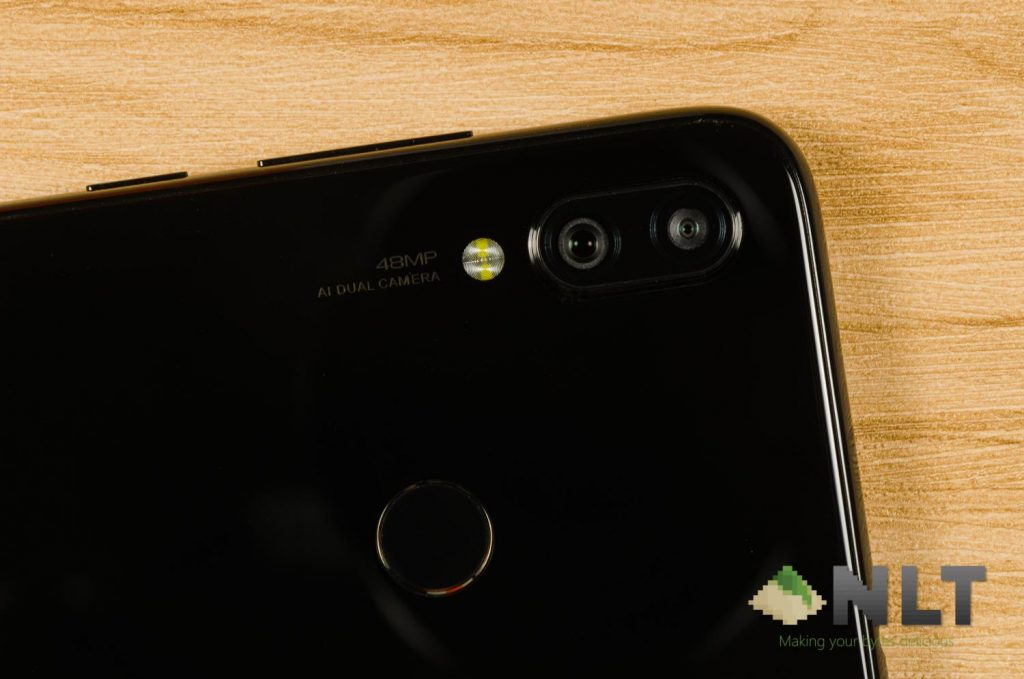
The other thing we have to point out is that the phone’s camera bump is way too huge. You can see it from the picture down below.
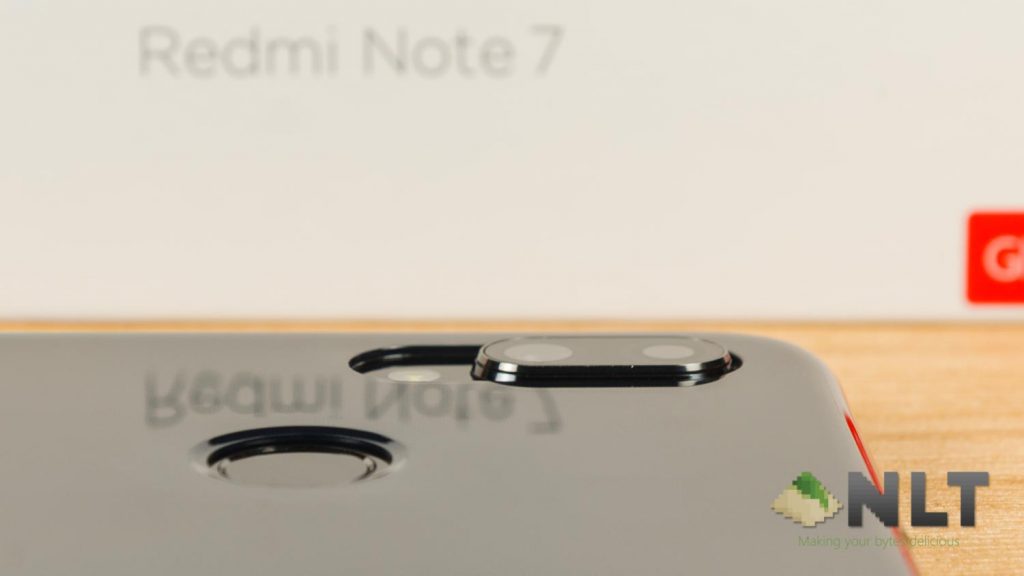
The included TPU case that comes with the box is of somewhat decent quality, though could be better. With the TPU case installed, the camera bump is still taller than the case itself. Users of the Redmi Note 7 will need to take note of this.
[nextpage title=”Connectivity & Ports”]
I find it quite amazing that Xiaomi – I mean Redmi – managed to up the ante with the connectivity here. For a mid-range device, it actually comes with 5GHz WiFi and hence, it supports AC WiFi to ensure that you get the most out of your Unifi Turbo.
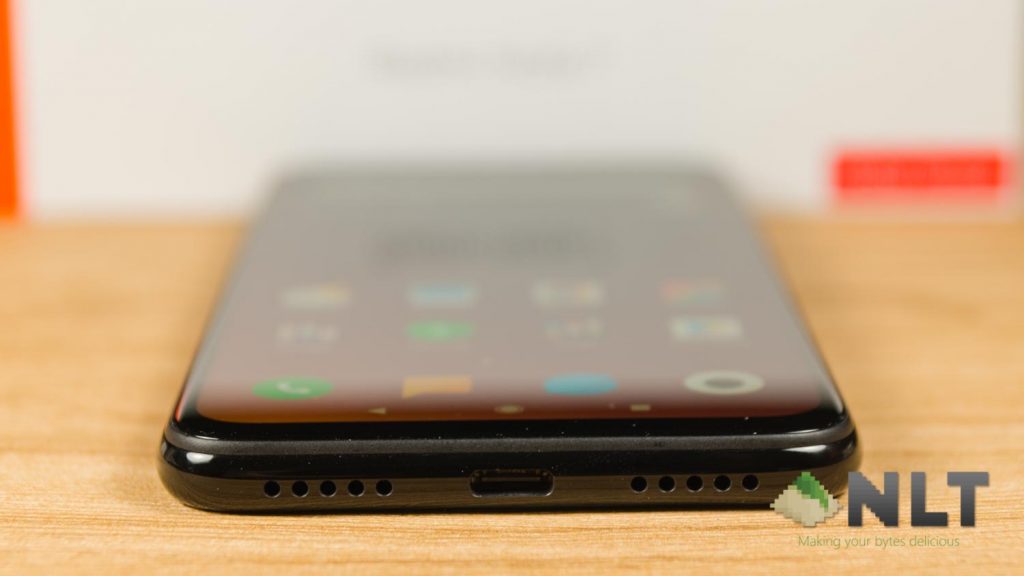
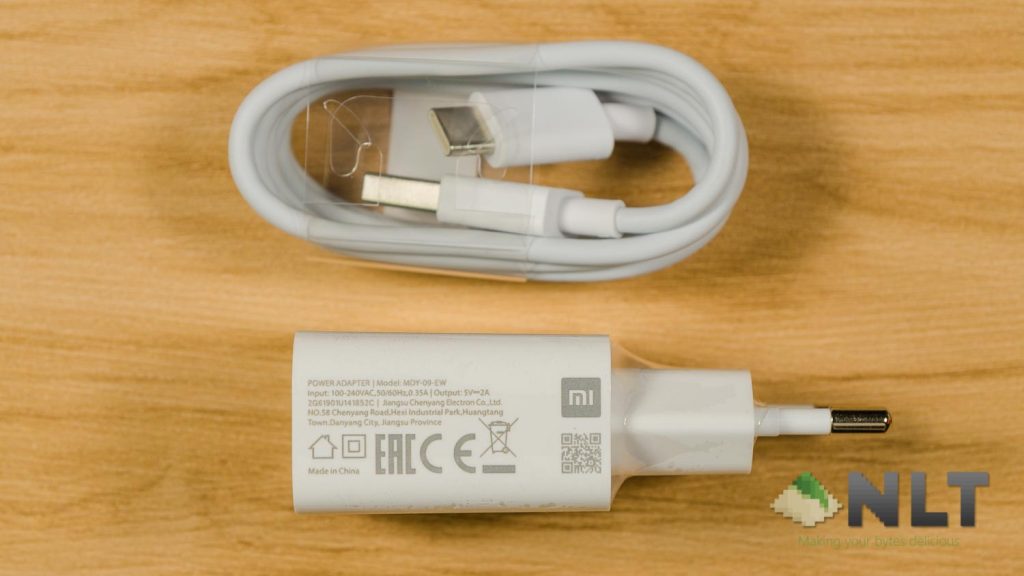
Then comes the ports of the phone. The Redmi Note 7 has made the shift to USB-C too. I honestly appreciate the shift to USB-C since most of my phones and peripherals have already made the switch. With it, comes with QuickCharge 4.0 support as well – but the phone only comes with a usual 5V 2A charger.
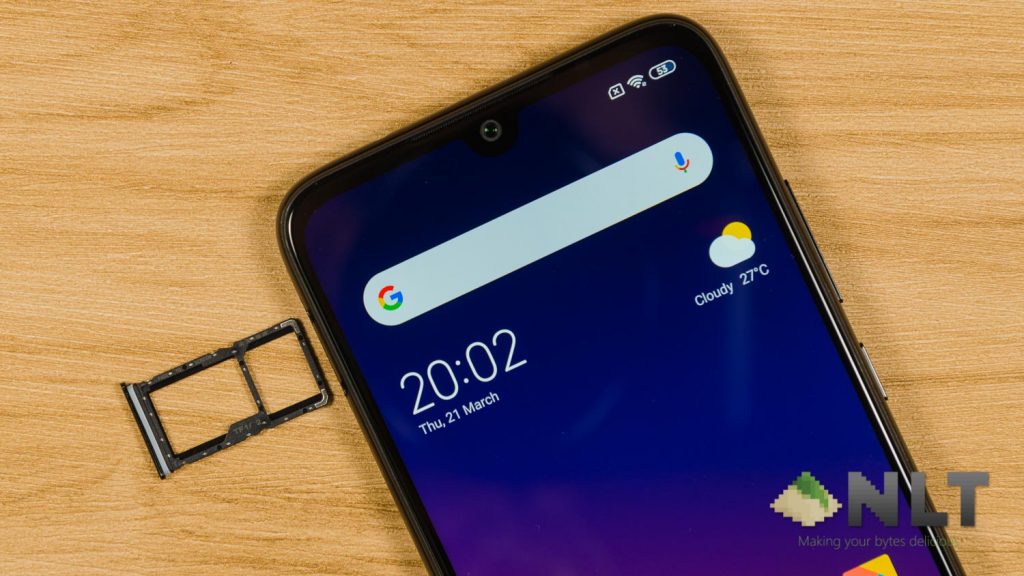
Though, at the left of the Redmi Note 7 we can see that it comes with only one dedicated nano SIM card slot and another hybrid slot.
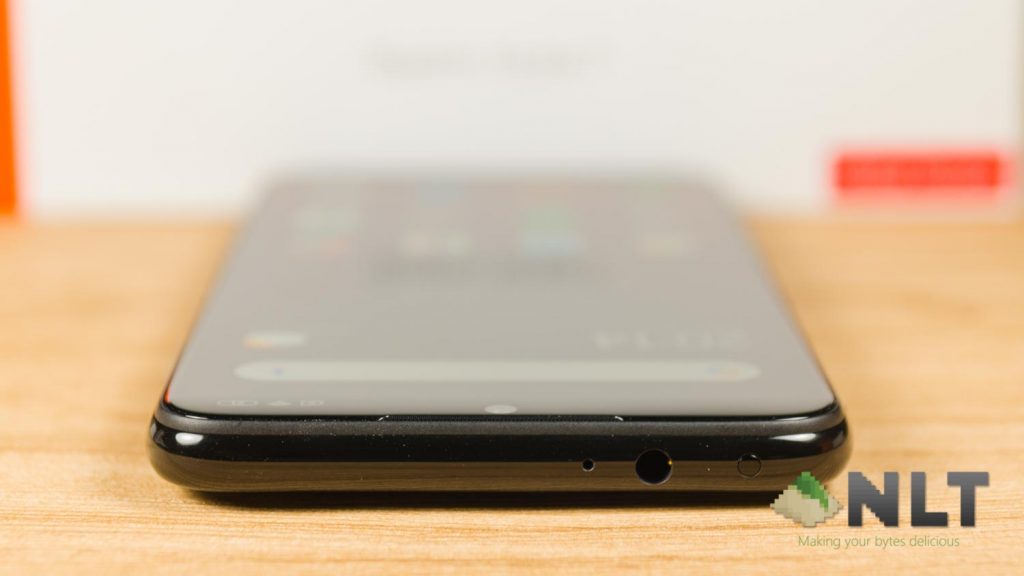
At the top, there is a microphone, the 3.5mm audio jack, and also an IR blaster. It’s fantastic to see that the Redmi Note 7 comes with an IR blaster since I do find it useful no matter how obscure it is.
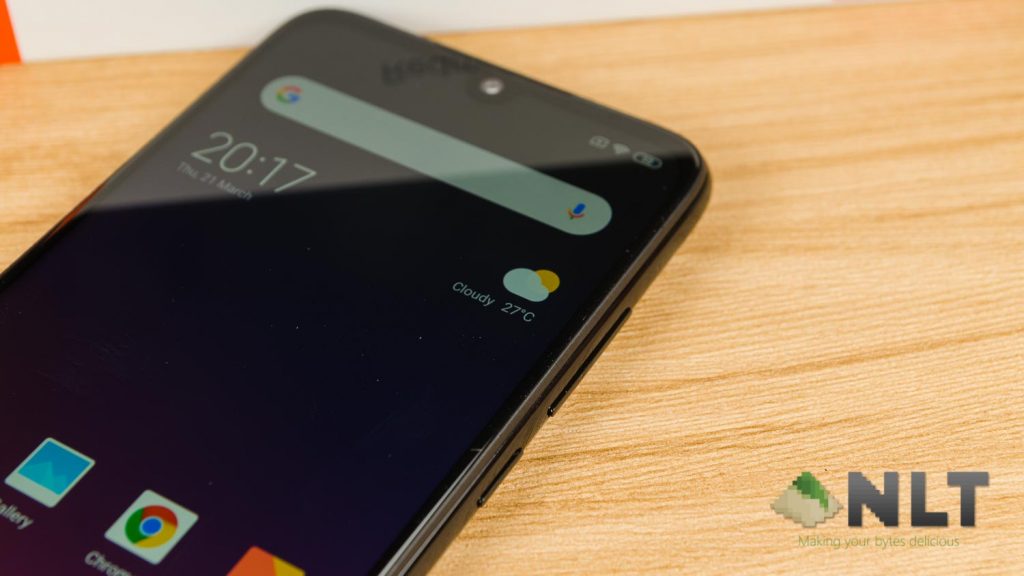
All of the buttons have been moved to the right side as the power and volume rockers are placed here. They’re ergonomically placed and has a pleasant clicky feel to it.
[nextpage title=”Display”]
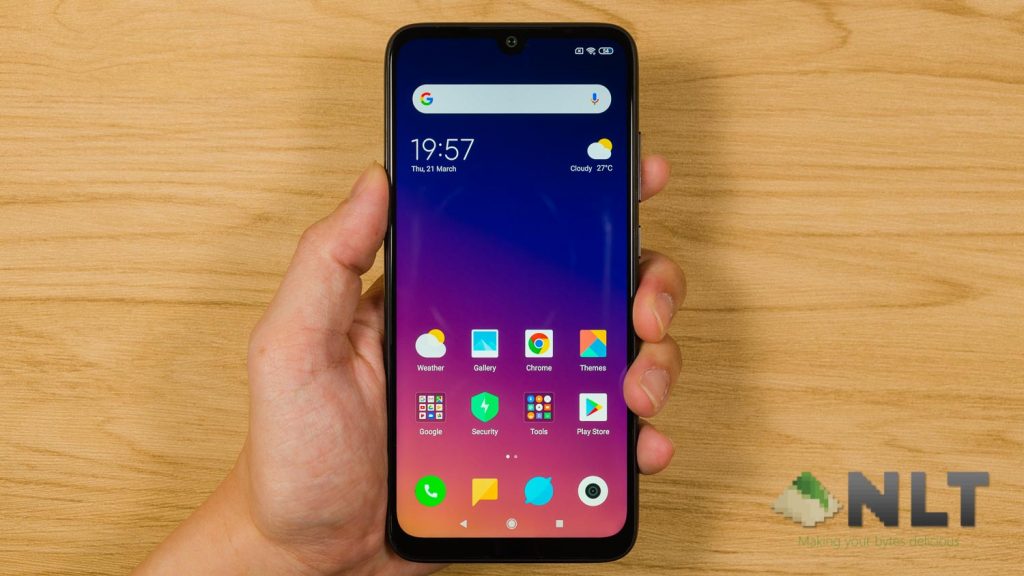
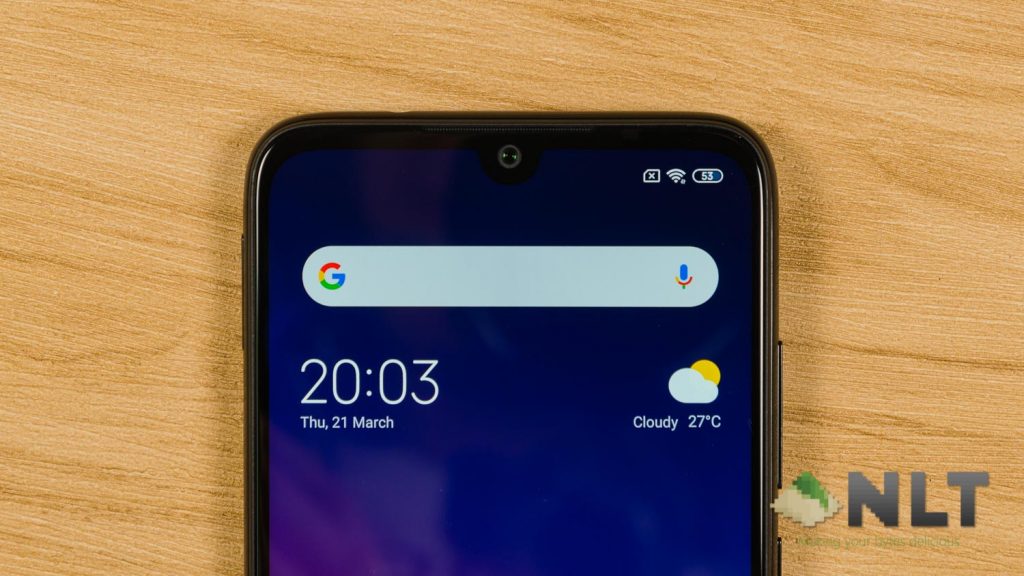
Honestly speaking, the Redmi Note 7 actually has quite a good display. It comes with a decent display with a 6.3-inch screen and 2340×1080 pixels in resolution. Comes with a waterdrop notch at the top as well – which in contrast with many other phones, it is considerably tiny.
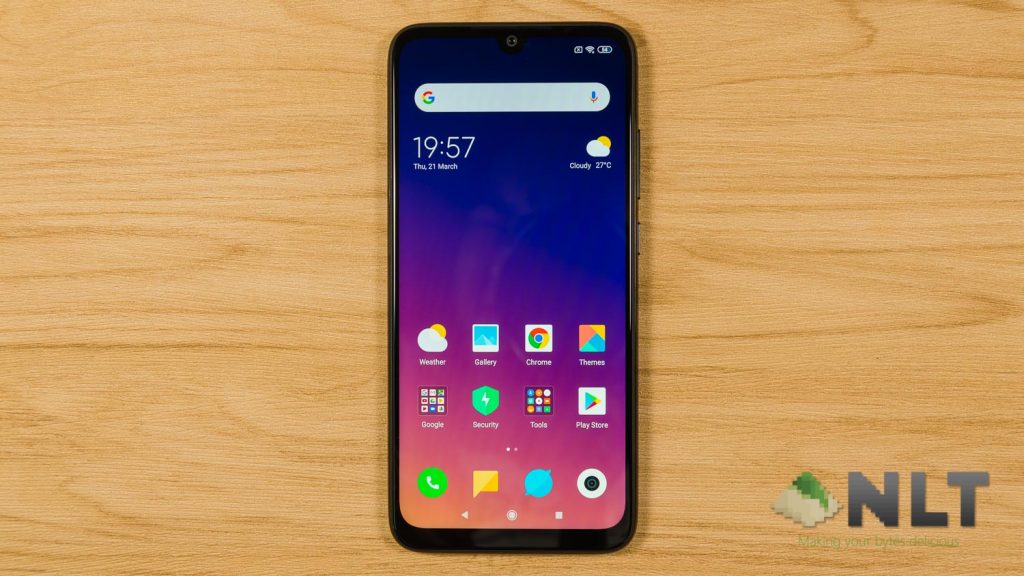
Though, the chin is considerably big – but that is good since the buttons are not way at the bottom of the screen, making them easier to be pressed.
The default display settings seem a little too blue for me, so I had to go into the settings menu and tune it. By default, it is in automatic contrast mode. Changing it to “warm” seems a little purplish but changing to standard contrast fixes my predicament.
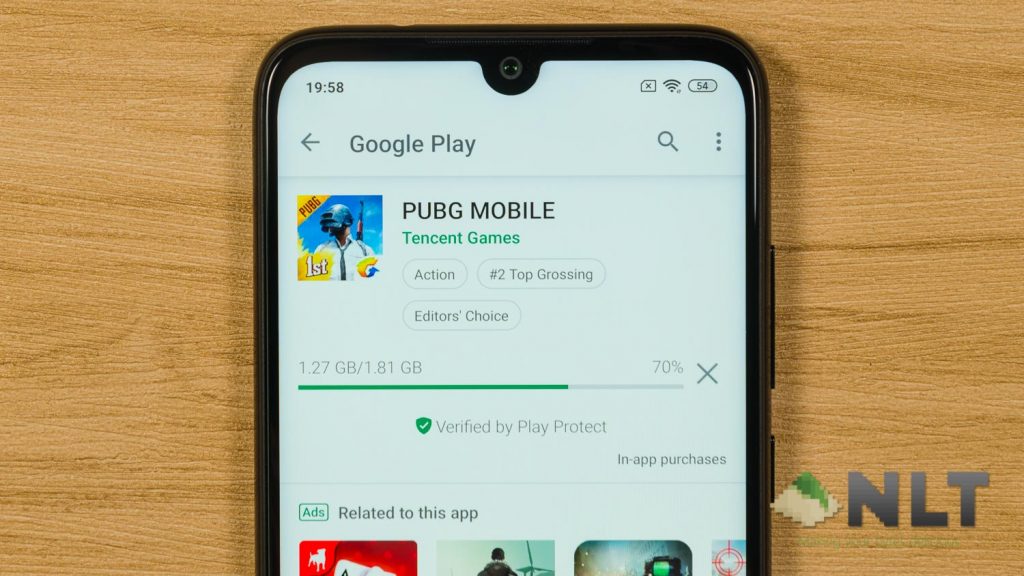
The overall display is actually rather flat with curve at the very edge of the screen only. Combined with the rather thick bezels of the phone itself, tempered glass screen protectors actually fit in much nicer compared to fancy thin bezels and curved displays. I can’t believe that I’m actually saying this, but it’s true – though it is a personal preference.
[nextpage title=”Cameras”]
When it comes to the cameras, well – it is their first ever smartphone that has a 48MP sensor from Samsung – namely the GM1. Though, by default, all images from the Redmi Note 7 are in 12MP only but you need to turn to pro mode (manual mode) and enable 48MP from there.
Anyway, as for the camera specs of the Redmi Note 7, here they are:
- Dual rear-facing cameras
- Main: 48MP f/1.8 with PDAF
- Depth sensor: 5MP f/2.4
- 13MP f/2.2 selfie camera
As always, you can click here to view our full album of all images taken with the Redmi Note 7 here. You can visit out Shutterfly album to have a look at all the pictures taken alongside the metadata.
Rear-facing camera
Using the Redmi Note 7, I am actually quite pleased with the result. The Redmi Note 7 can take pretty great photos – even at night. It was a gloomy evening when I took these pictures, and it turned out quite well.


We took the Redmi Note 7 to our recent trip to Taipei as well and we took a few photos around and we realized that its software algorithms actually got quite a good balance in digital sharpening. The best example here is the picture of the Red House at Ximending as the sharpening is not obvious to the point where the lines start to appear artificial.


The amount of details are retained pretty nicely as well, though some might complain that the Redmi Note 7 can only take pictures in 12MP – and that is not true. The Redmi Note 7 can take 48MP images though only available in manual mode. I actually think this is okay since 48MP images do take up a lot of space – and 64GB of internal storage can get chewed up quite fast.
Selfie camera
Selfies are alright with the Redmi Note 7. The white balance is surprisingly accurate. Could use a bit more contrast and vibrancy, but that is just my personal preference.

Camera UI
The camera UI itself is still the same one that we’ve come to know over the years with Xiaomi’s smartphones. There is one big difference found on the Redmi Note 7 – and that is the manual mode.
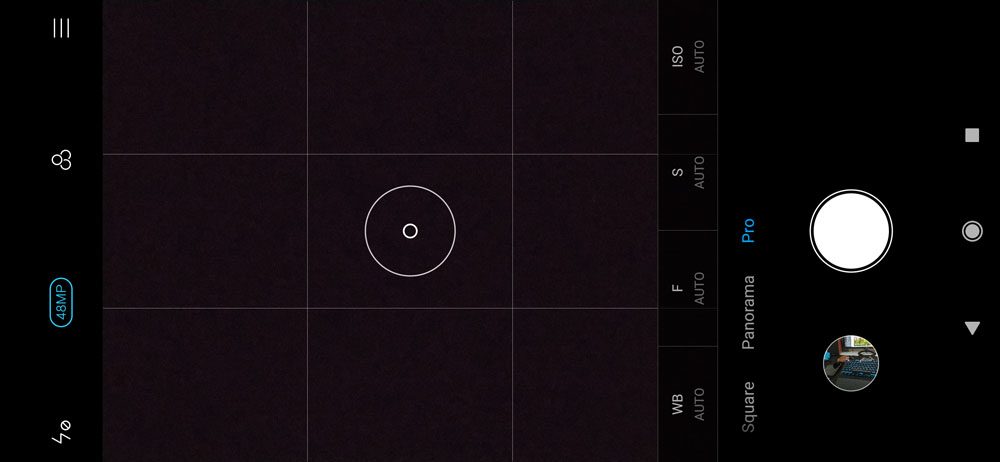
This is the only place where you can change and take 48MP pictures – but it does take quite a long time to process the image. This is a good design choice as well since many of us will only want the highest resolution image for the most treasured shots – and those shots are taken with a tripod. Hence, manual mode.
[nextpage title=”Software – Android 9.0 Pie with MIUI 10.2″]
It is still having the same quirks and issues as any other device that is powered by MIUI 10. There is nothing wrong with MIUI in general, but it definitely is not perfect.
I still do have complaints with the overly convoluted settings menu with everything scattered around everywhere. Once again – setting the time taken before my screen turns off by itself is in the lock screen menu. To use fully on-screen gesture navigation, I have to go into “full screen display” under the settings menu.
These are some of the “why?” moments I have while using the Redmi Note 7. It should be noted that these settings are only messed with once and never touched again. Overall, I am still very happy with MIUI 10 in a day to day use case scenario. Maybe dial down the animations a little and have a system-wide dark mode.
[nextpage title=”Performance & Gaming”]
Let’s cut it short – its core specs is something that we’ve seen in many other phones in the market. The Redmi Note 7 comes in a few different configurations of RAM and storage, and the one we have here is this:
- 6.3-inch IPS LCD display with 2340×1080 pixels in resolution
- Qualcomm Snapdragon 660
- 4x Kryo 260 LP @ 1.8GHz + 4x Kryo 260 HP @ 2.2GHz
- 4GB RAM
- 64GB storage
- 4,000mAh battery
- Android 9.0 Pie with MIUI 10.2
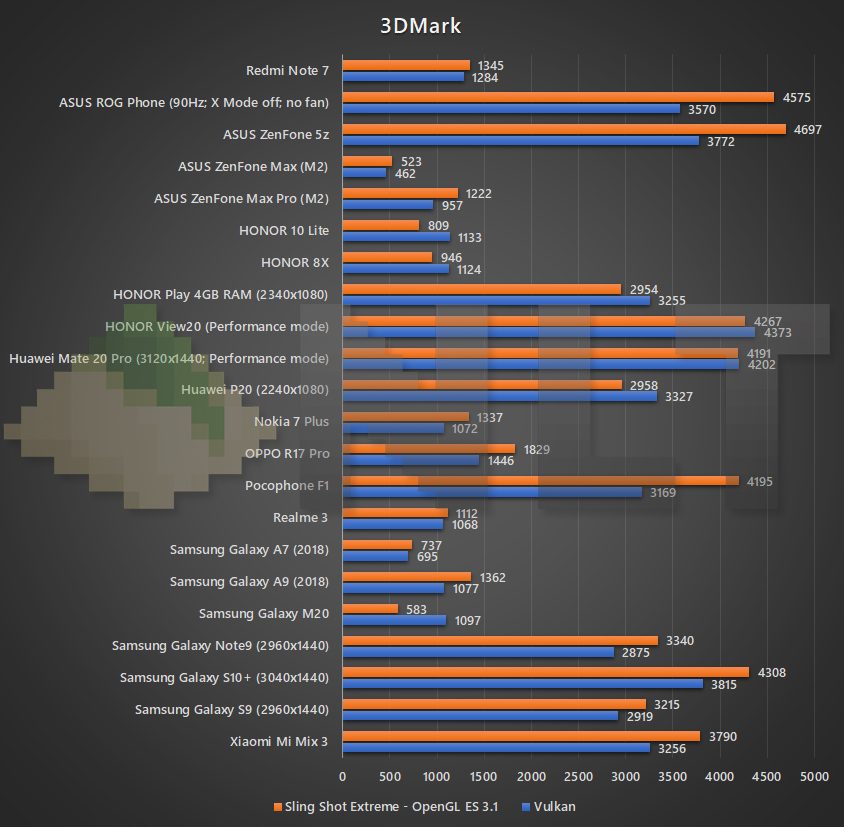
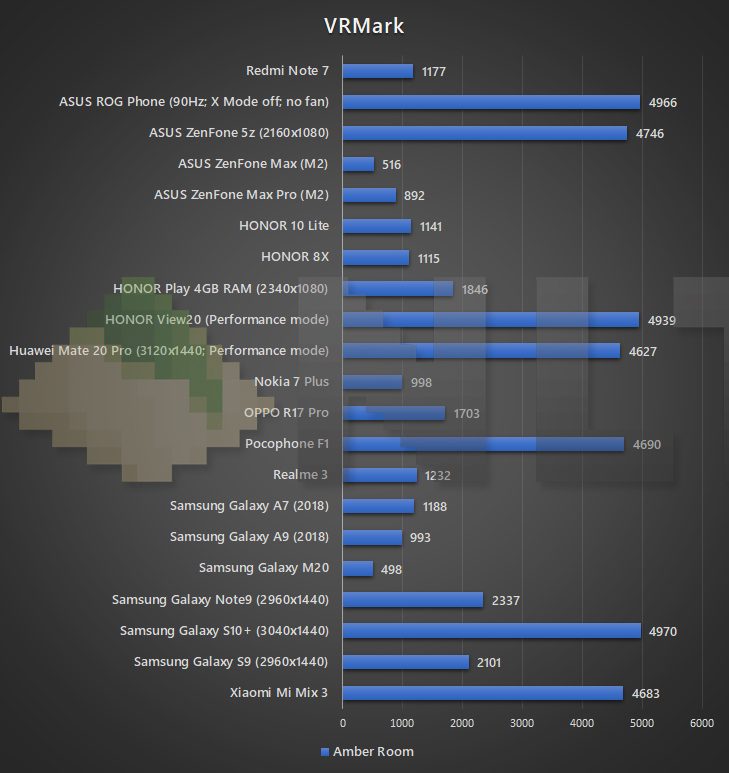
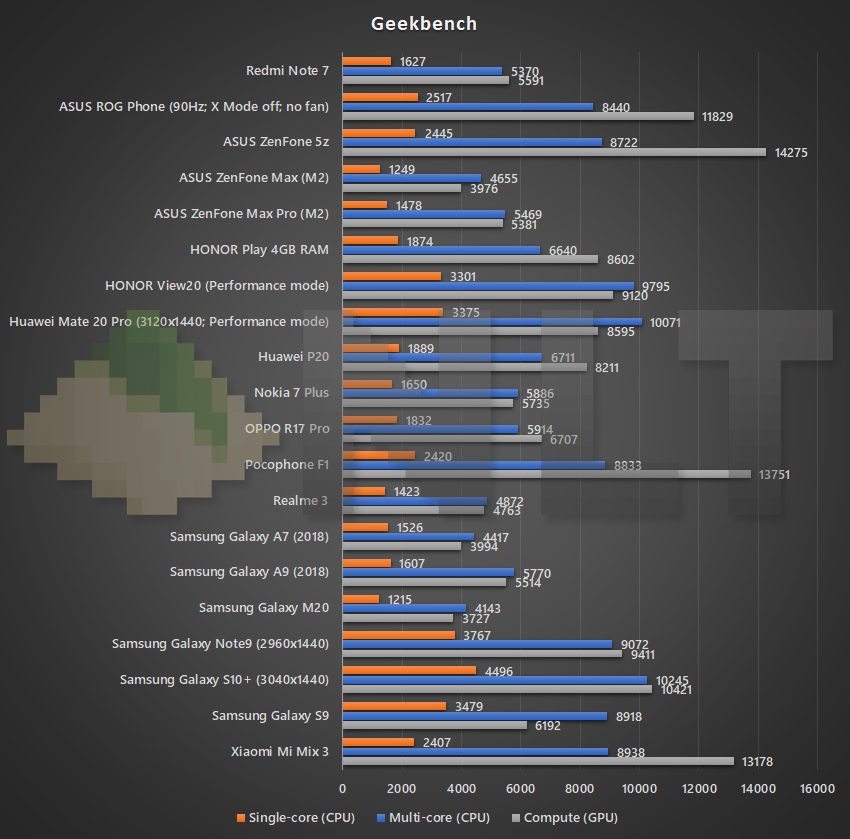
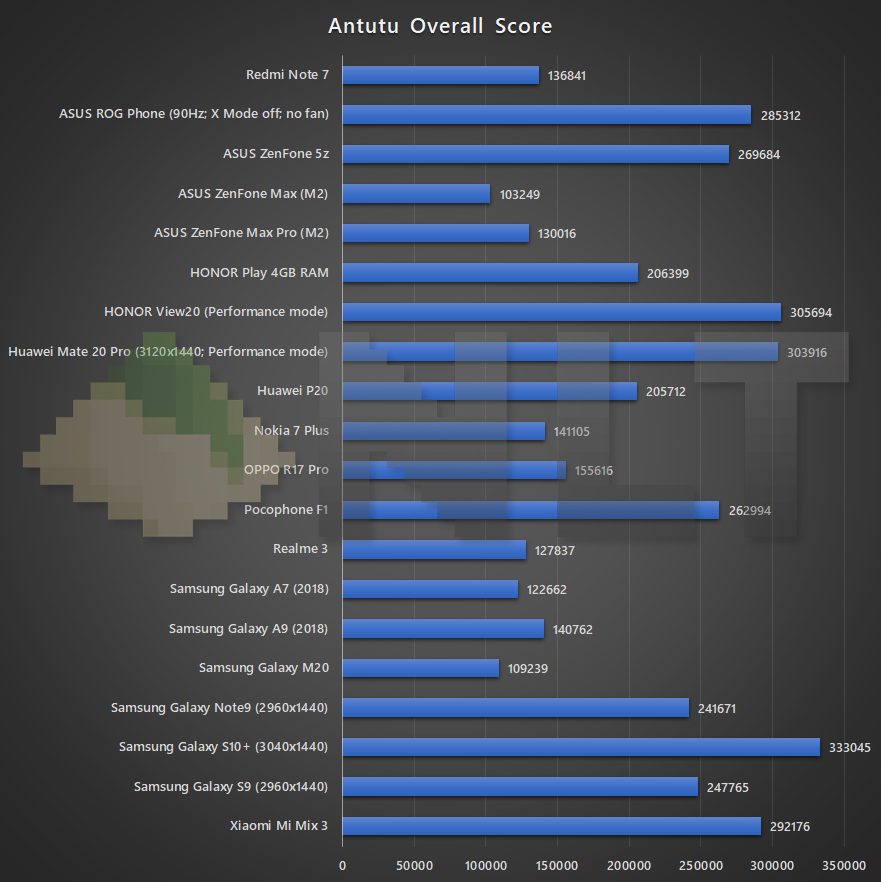
Now looking at the benchmarks, we aren’t expecting anything magnificent since it is still using a Snapdragon 660 chipset after all. Even for gaming, honestly – since the Redmi Note 7 is using the same chipset as the Mi 8 Lite.
Gaming
When it comes to gaming, we once again tried with our 3 go-to titles – Honkai Impact 3, Asphalt 9, and PUBG Mobile. The Snapdragon 660 is still quite a powerful chip, even today. It is regarded as the go-to chip for a great mid-range smartphone although there are other alternatives out there in the market.
Starting off with Honkai Impact 3. Of course, the game runs buttery smooth at the highest possible settings most of the time until God Kiana comes out and play. It is only until God Kiana’s ultimate skill that causes some frame rate drops. Other than that, it is fine.
In Asphalt 9, I realized that the anti-aliasing is much better compared to the Mi 8 Lite that we reviewed here – perhaps with a graphical fix from Gameloft themselves. Overall, the Redmi Note 7 can handle the game at its highest graphical settings with no issues.
Then comes PUBG Mobile. Like any other smartphones with Snapdragon 660 chipset, it can run smoothly at balanced settings. You can bump it up to HD graphics and play at around 40-ish FPS, too.
[nextpage title=”Battery & Charger”]
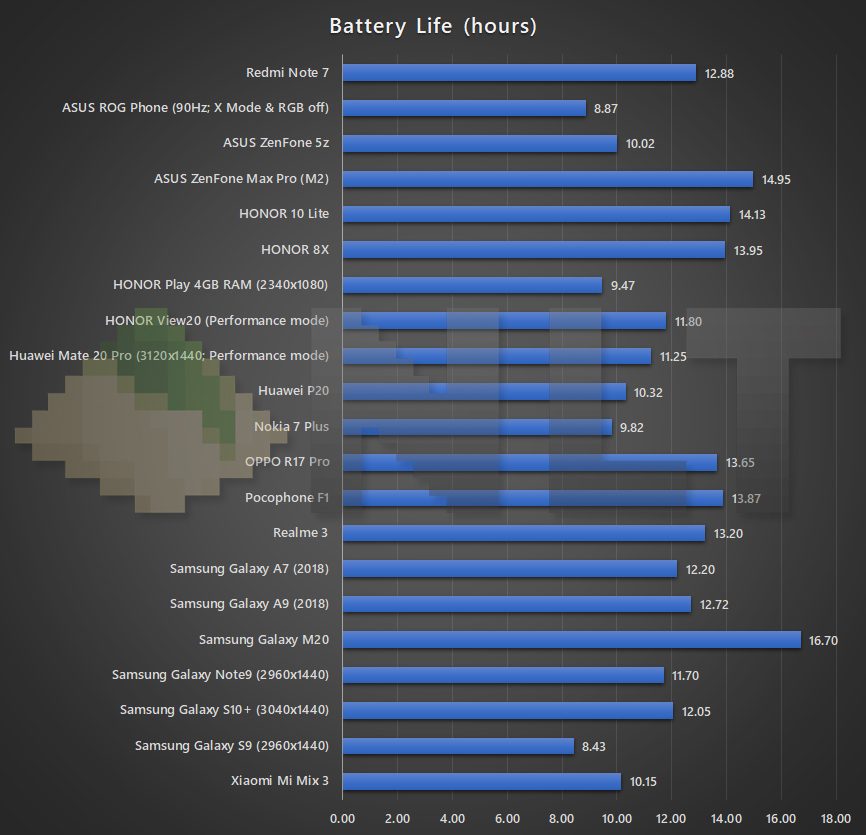
Coming in with a 4,000mAh battery with a Snapdragon 660 chipset, we expect the battery life to last around one day’s worth of use. Running our usual battery test reveals that the Redmi Note 7 can last for nearly 13 hours – which is actually pretty good.
Charger
Now here’s the weird part about the charging. The Redmi Note 7 comes with a 5V 2A charger as shown below, but the phone itself does support Qualcomm QuickCharge 4.0.
However, we do not have any QuickCharge 4.0 here yet, so we only used the 5V 2A charger – which is what most people will use.
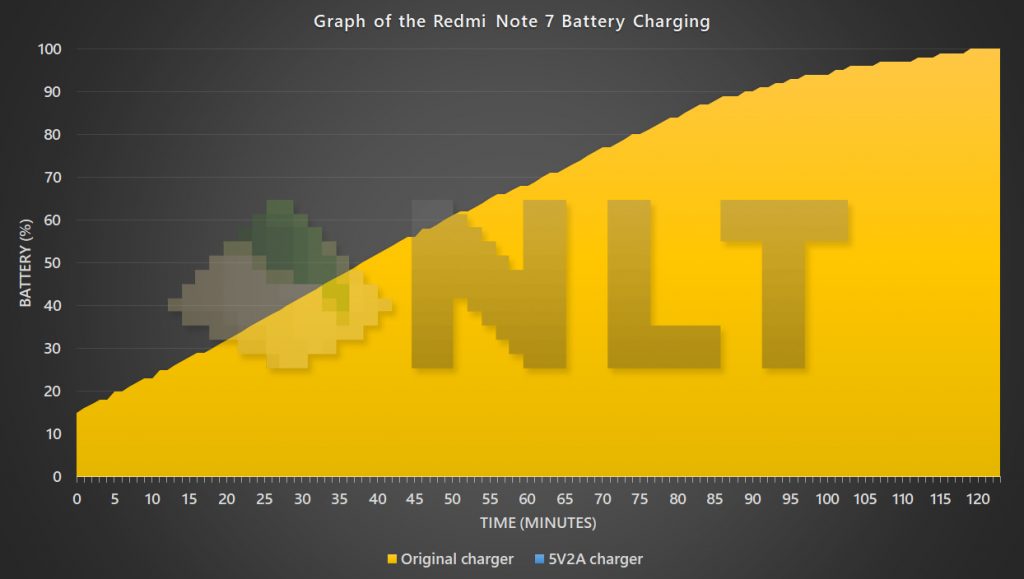
It takes 38 minutes to reach 50% battery life and a total of 80 minutes to reach 75% battery life.
[nextpage title=”Wrapping up the Redmi Note 7 review”]
Like any other Redmi series of smartphones, the price is what matters the most. Xiaomi Malaysia has always said that they only opt for “honest pricing” and even roasted some of their competitors with that. The Redmi Note 7 has 3 different variants with these prices:
- 3GB RAM + 32GB storage: RM679
- 4GB RAM + 64GB storage: RM799
- 4GB RAM + 128GB storage: RM949
Are they worth it? Honestly, definitely worth the price. It is a great all-rounder smartphone for photos, gaming, and also just general media consumption. It strikes a great balance between all aspects of a phone, and most important – keeping the price down low.

Like our Facebook Page here at NasiLemakTech.com for more news and in-depth reviews! Also, join our Facebook Group for insightful information and memes!
Subscribe to our YouTube channel too!