


















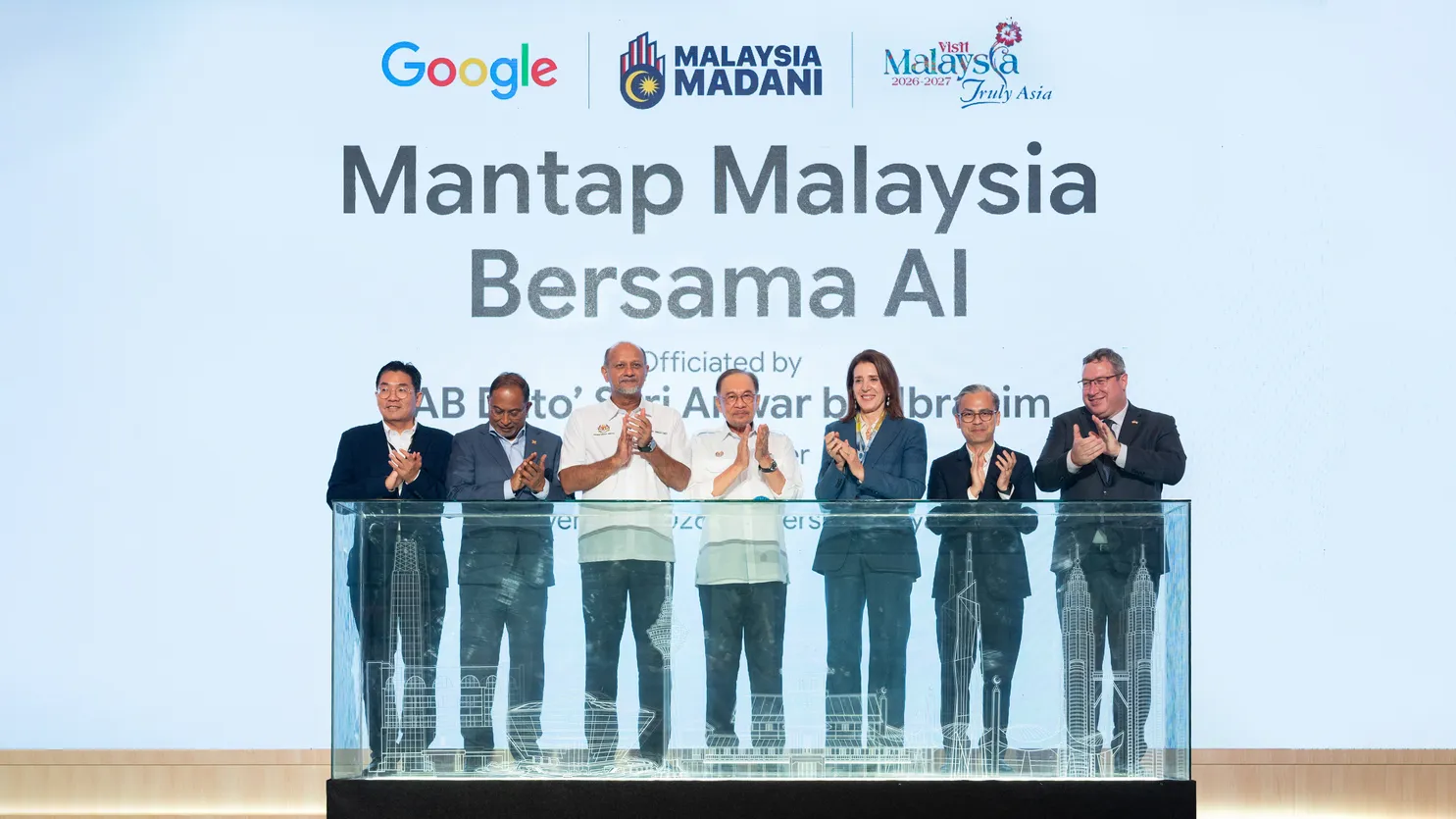
Google is doubling down on Malaysia, announcing a US$15 billion (approximately RM63 billion) investment over the next two years (2027 to 2028) to expand its digital infrastructure, strengthen the country’s clean energy capacity, and develop its local workforce. The announcement, made in the presence of Prime Minister Datuk Seri Anwar Ibrahim, also includes plans to upskill approximately 800,000 Malaysians by 2031 through four new education and workforce development programmes.
The investment builds on Google’s US$2 billion commitment announced in May 2024, which covered the development of its first Malaysian data centre and Google Cloud region. With its first data centre campus at Elmina Business Park in Selangor now operational, the company is also planning additional campuses in Selangor and Negeri Sembilan to meet growing demand for computing capacity and AI services.
Beyond supporting Google’s own services, including Search, Maps, and Chrome, the expanded infrastructure will provide computing resources for Malaysian businesses and organisations developing and deploying AI applications. The upcoming Google Cloud region will also support enterprise customers, with existing local users including AEON360, AirAsia, Bank Muamalat, Gamuda, Hong Leong Bank, and Maxis.
Google’s expansion is expected to create a substantial economic impact, particularly during the construction phase between 2027 and 2028. The company estimates that its new campuses will contribute an average of US$1.1 billion annually to Malaysia’s GDP, support more than 37,000 local jobs each year, and generate approximately US$378 million in annual labour income.
Once operational, the facilities are projected to sustain more than 9,000 local jobs annually, with wages averaging 45% above the national median. These positions will include specialised roles such as data centre technicians, mechanical and electrical engineers, logistics operations managers, and physical security managers.
Local businesses will also have a part to play in this expansion. Google is already working with more than 80 Malaysian entities across construction, civil engineering, network infrastructure, power and cooling systems, logistics, and other supporting services. These partnerships are expected to continue throughout the data centres’ multi-decade operational lifecycles, giving local suppliers opportunities to expand their expertise and move further up the value chain.
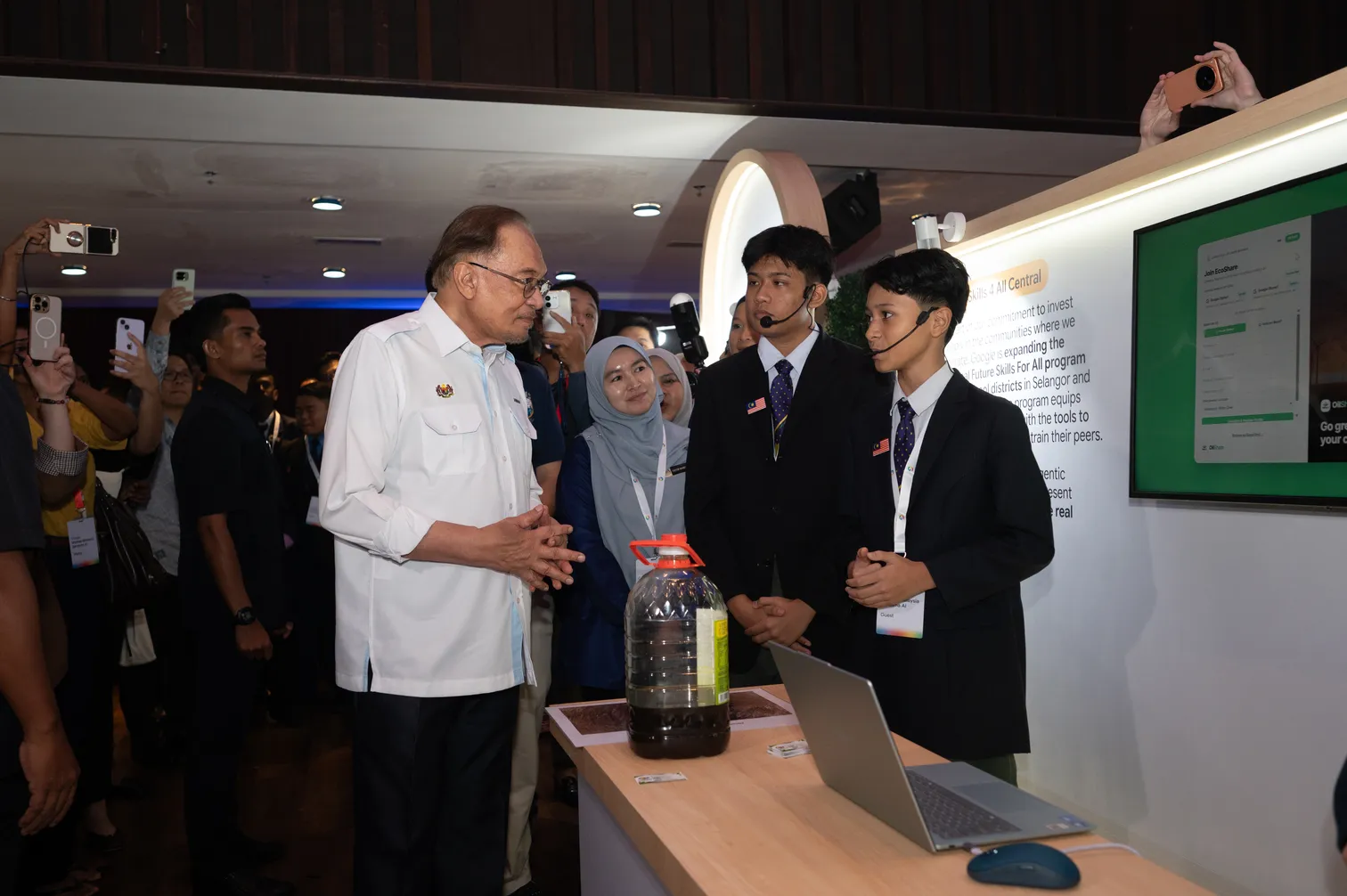
In terms of workforce development, Google is introducing four new programmes between 2027 and 2031, targeting educators and students, microentrepreneurs, civil servants, and vocational jobseekers.
- Experience AI Malaysia: Developed alongside the Ministry of Education, Penang Science Cluster, and Raspberry Pi Foundation, this programme aims to improve AI literacy in schools by certifying educators to teach students aged 11 to 14. Its curriculum focuses on hands-on learning, critical thinking, and evaluating AI-generated outputs.
- Jelajah AI MSME: In collaboration with Pepper Labs, the programme will help microentrepreneurs develop practical digital assets, including searchable business profiles and digital storefronts. It will initially run training clinics across Selangor and Negeri Sembilan before expanding nationwide.
- Anjakan Kemahiran AI Demi Rakyat (AKAD Rakyat): Working with Arus Academy, Google will equip local council officers and constituency members with AI literacy and productivity tools. The programme targets 19 local government councils across Selangor and Negeri Sembilan, with dedicated AI champions appointed to help modernise public service workflows.
- Data Center Institutes (DCIs): Google plans to establish training institutes at selected polytechnics in Selangor and Negeri Sembilan starting in 2027. The 10-week programme will provide technical and vocational education and training (TVET) candidates with practical experience using a physical data centre simulator, preparing them for deployment and operations roles.
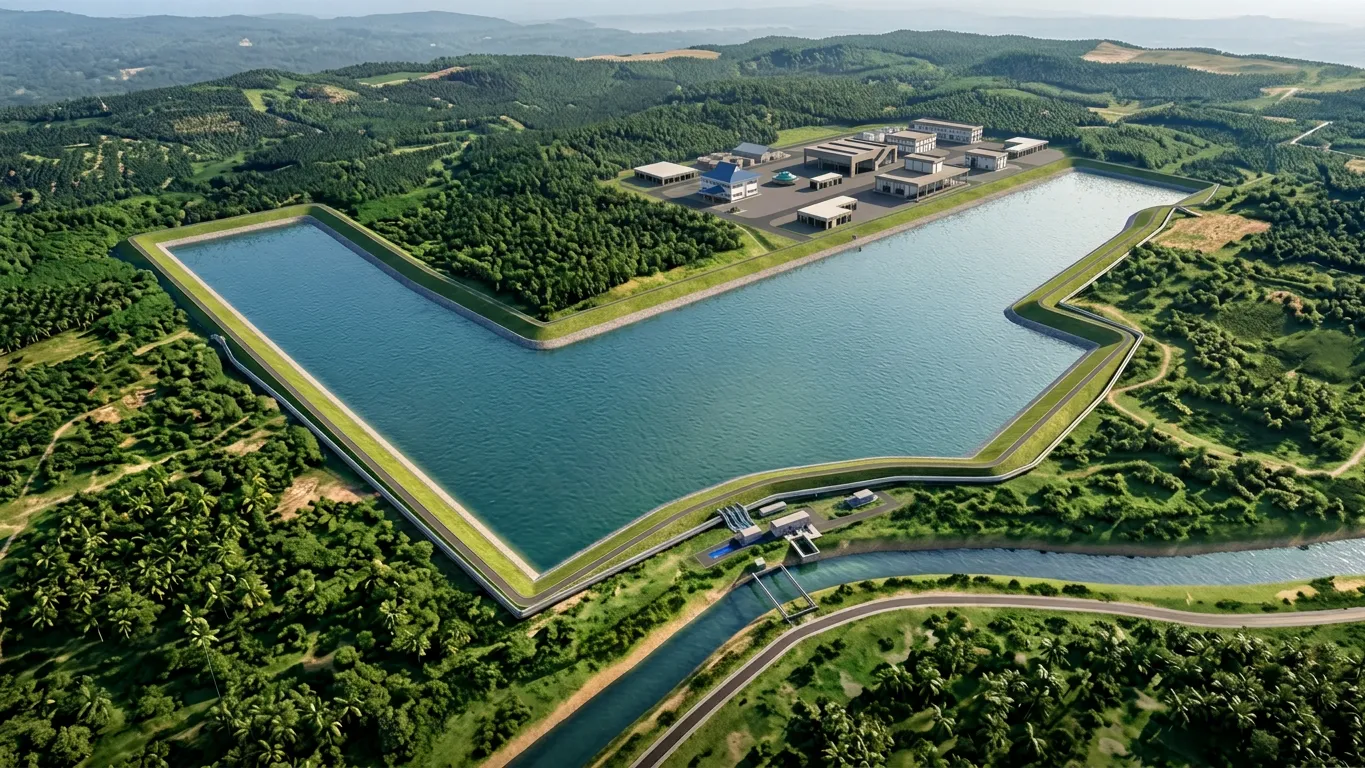
Of course, expanding data centre infrastructure also means addressing its environmental impact, particularly when it comes to water and electricity consumption.
Google says it uses a data-driven water risk framework to assess local watershed conditions before deciding whether water cooling is suitable for each facility. Following assessments in Selangor and Negeri Sembilan, the company concluded that local water supplies were not at high risk of scarcity or depletion, allowing it to proceed with water cooling at its campuses.
The company is also expanding its water stewardship initiatives through collaborations with the Global Environment Centre (GEC), CLEAN International, Water Watch Penang, and Gravity Water.
Among the initiatives are nature-based restoration projects across the Sungai Buloh and Sungai Selangor river basins, including constructed wetlands, riverbank bioengineering, and pollution monitoring. Google is also working with its partners to establish water resilience centres at four schools in Selangor, installing 20,000-litre storage tanks, rainwater harvesting systems, and self-closing faucets.
These school facilities are expected to provide at least two weeks of emergency water capacity for up to 2,000 community members during unscheduled municipal water disruptions.

Electricity consumption is another major consideration as Malaysia continues to attract data centre investments. To address this, Google plans to bring more than 1GW of additional clean energy capacity to the National Grid, working alongside Tenaga Nasional Berhad (TNB) under the Corporate Renewable Energy Supply Scheme.
The collaboration will also explore round-the-clock clean energy projects to account for the intermittent nature of renewable sources such as solar power.
Google says it will pay for 100% of the electricity consumed by its data centre campuses, as well as the direct infrastructure costs required to connect them to the grid. Additionally, the company plans to introduce community-based initiatives in 2027 to strengthen grid resilience and help safeguard electricity affordability, including programmes intended to lower household electricity bills in states hosting its infrastructure.
On the infrastructure efficiency side, Google says its data centres in warmer tropical climates such as Malaysia can achieve a Power Usage Effectiveness (PUE) of between 1.12 and 1.14. This is considerably lower than the industry average of 1.54, reflecting the company’s use of custom-designed networking equipment, cooling systems, power distribution infrastructure, and specialised chips for general computing and AI workloads.
Like our Facebook Page here at NasiLemakTech.com for more news and in-depth reviews! Also, join our Facebook Group for insightful information and memes!
Subscribe to our YouTube channel too!