











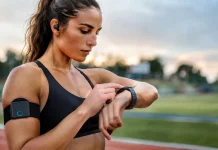




The small pod between a footballer’s shoulder blades now carries more information than the stopwatch once did. FIFA’s Electronic Performance and Tracking Systems framework covers GPS/GNSS wearables, local-positioning systems and optical tracking, and those systems can work with accelerometers, gyroscopes and heart-rate monitors. FIFA launched its wearable safety testing in 2017, added performance testing for wearable and optical systems in 2019, and now publishes reports on positioning and velocity accuracy. Training staff can use those measurements to compare distance, speed zones, and physical load before planning the next session.
The Vest Under the Jersey Has a Real Job
GPS wearables are most useful when a coach wants to know how the work was completed, not simply whether an athlete finished it. A football player may cover a similar total distance on two training days while producing a very different number of high-speed runs, accelerations, or hard decelerations. Catapult’s Vector 8, launched in 2025, can live-monitor as many as 120 athletes across a 400-by-400-meter area and combines positioning with inertial sensors and integrated heart-rate capability. The vest is doing real work.
Tomorrow’s Session Can Change Before Breakfast
The next step is turning those readings into a coaching decision. Vector 8 processes metrics on the wearable, and its live software can synchronize performance data with video, so a staff can connect a sprint, acceleration, or positional movement with the drill that produced it. If a winger carries an unusually heavy high-speed workload on Tuesday, Wednesday’s plan can shift toward technical work or lower running volume while coaches compare the session with that athlete’s recent history. The number does not write the program, but it gives the staff another piece of evidence before the next whistle.
Recovery Has Moved Into the Morning Briefing
Wearables are also filling the hours when athletes are away from the training ground. WHOOP calculates a daily Recovery score from physiological and sleep data, while its Strain system runs on a 0-to-21 scale; in April 2026, Paris Saint-Germain announced a WHOOP partnership running through 2029 for its men’s and women’s teams. Short-session digital products use a different kind of live number, and looking to download the airplane game (Arabic: لعبة الطيارة الأصلية) will find that SPRIBE’s Aviator is built around a multiplier that rises until the aircraft leaves, with the player choosing when to cash out. SPRIBE publishes a 97% RTP for the game, and setting the stake and session bankroll before play gives each round a defined financial limit.
Consumer Watches Are Closing the Gap
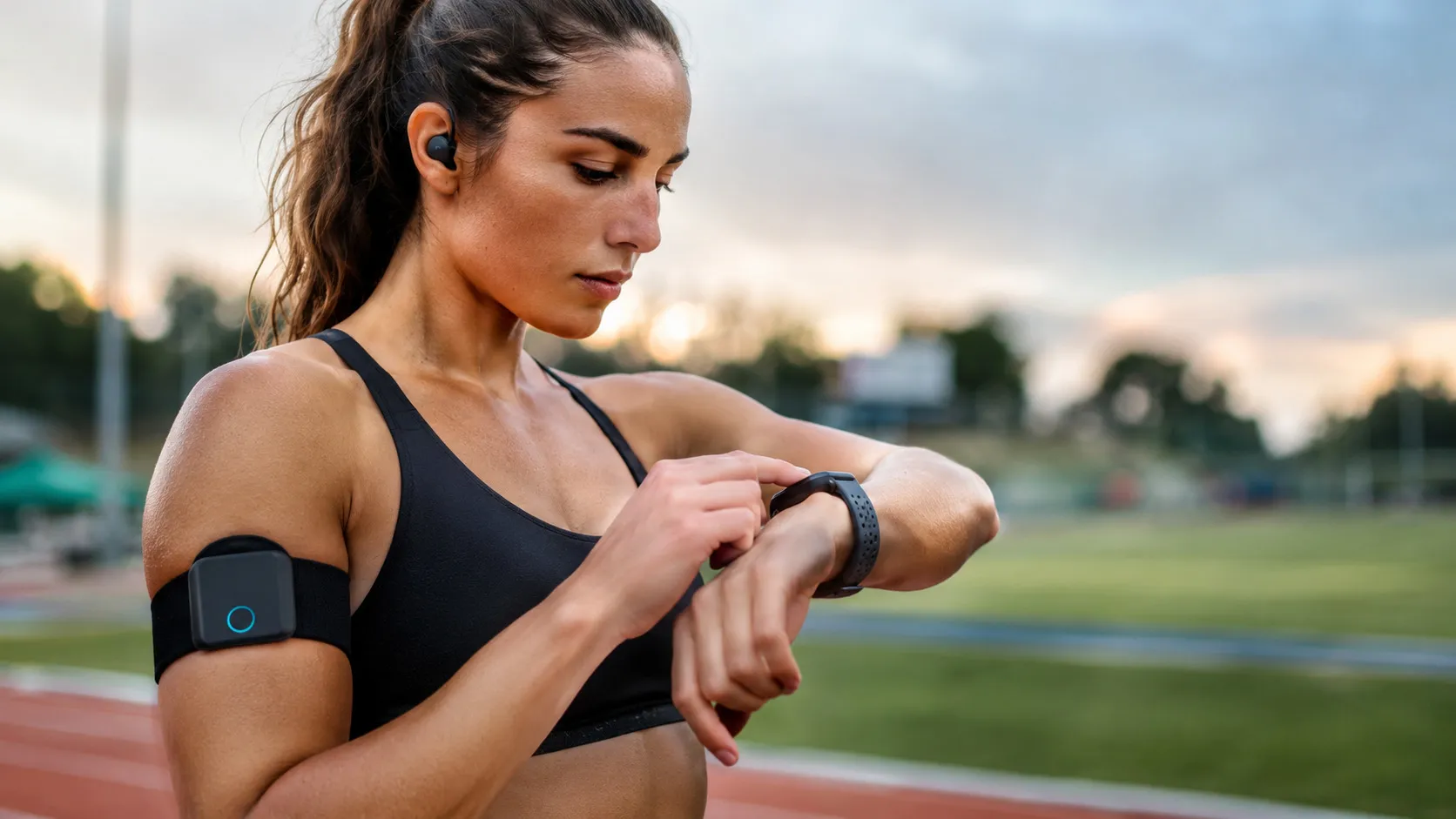
Some of the same ideas have moved from team performance departments to the wrist. Garmin says Training Status on compatible devices uses Acute Load together with either a VO2 max estimate or HRV Status, while its HRV baseline normally needs about three weeks of overnight wear before becoming fully active. Apple moved further in September 2026 with Apple Watch Series 12 and Ultra 4: both measure heart rate every five seconds, can sample HRV as often as every five minutes, and provide a readiness score from 0 to 10. That readiness score draws on activity, training load, vitals, and sleep and can update as new data arrives during the day.
A Step-by-Step Metric Can Change Behavior
Athletes rarely need another screen full of numbers; they need a metric they can interpret while the session is still useful. A runner can compare pace against heart rate, while a strength coach can put set volume beside recovery information instead of treating the workout and the following morning as separate events. The same step-by-step presentation appears in the chicken road game, where InOut Games lists a 98% RTP and four difficulty levels: easy, medium, hard and hardcore, with possible winning odds and risk increasing as the player advances. A preset stake keeps the bankroll decision separate from the difficulty chosen for that round, leaving the step sequence as the changing element on screen.
One Reading Should Never Run the Program
A single HRV value or sprint count cannot describe an athlete on its own. Garmin compares HRV with an individual baseline, WHOOP builds Recovery from several physiological inputs, and FIFA publishes EPTS accuracy reports because distance and velocity readings depend on the quality of the tracking system. One reading is not a verdict. Coaches get more from the technology when they compare repeated sessions, match demands, sleep patterns, and an athlete’s own response over time, then decide whether the next session needs more work, less work, or simply a different kind of work.
Like our Facebook Page here at NasiLemakTech.com for more news and in-depth reviews! Also, join our Facebook Group for insightful information and memes!
Subscribe to our YouTube channel too!