


















BlackBerry and Universiti Kebangsaan Malaysia (UKM) have taken their collaboration to the next level, introducing the QNX Everywhere program to the university and making UKM the first institution in ASEAN to integrate BlackBerry’s QNX foundational operating system into its academic curriculum.
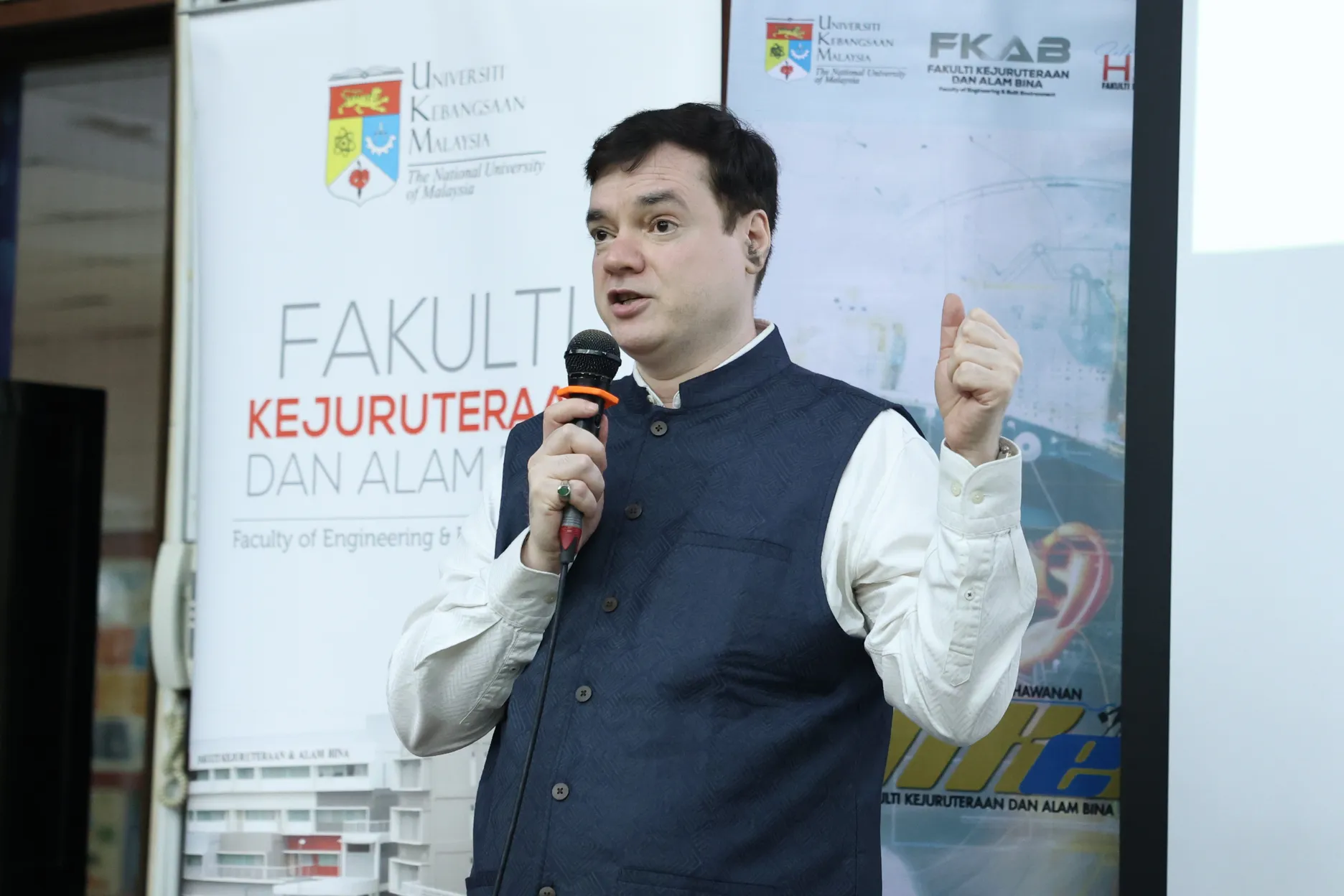
The initiative gives UKM students direct access to the QNX Software Development Platform 8.0, allowing them to gain practical experience with the same real-time operating system used in safety-critical applications worldwide. Courses under the new elective program are expected to begin in late 2026, with BlackBerry, QNX, Pi Square Technologies, and UKM already working alongside government and industry stakeholders on course development and student enrollment plans.
QNX technology is currently deployed by nine of the world’s top 10 medical device manufacturers and is embedded in more than 275 million vehicles globally. And with its one-to-many academic model, computer science and engineering students will be able to learn industry-grade tools that cover sectors including automation, connected systems, robotics, and other mission-critical industries.
According to Raj Jain, Vice President of QNX Engineering and Head of R&D for APAC at BlackBerry, the rise of Physical AI is creating demand for engineers who understand how artificial intelligence interacts with real-world systems where reliability and safety are essential. He said the QNX Everywhere program provides students with hands-on exposure to the software foundations powering next-generation robotics, automotive platforms, and industrial systems, while helping Malaysia strengthen its digital economy and Industry 5.0 aspirations.
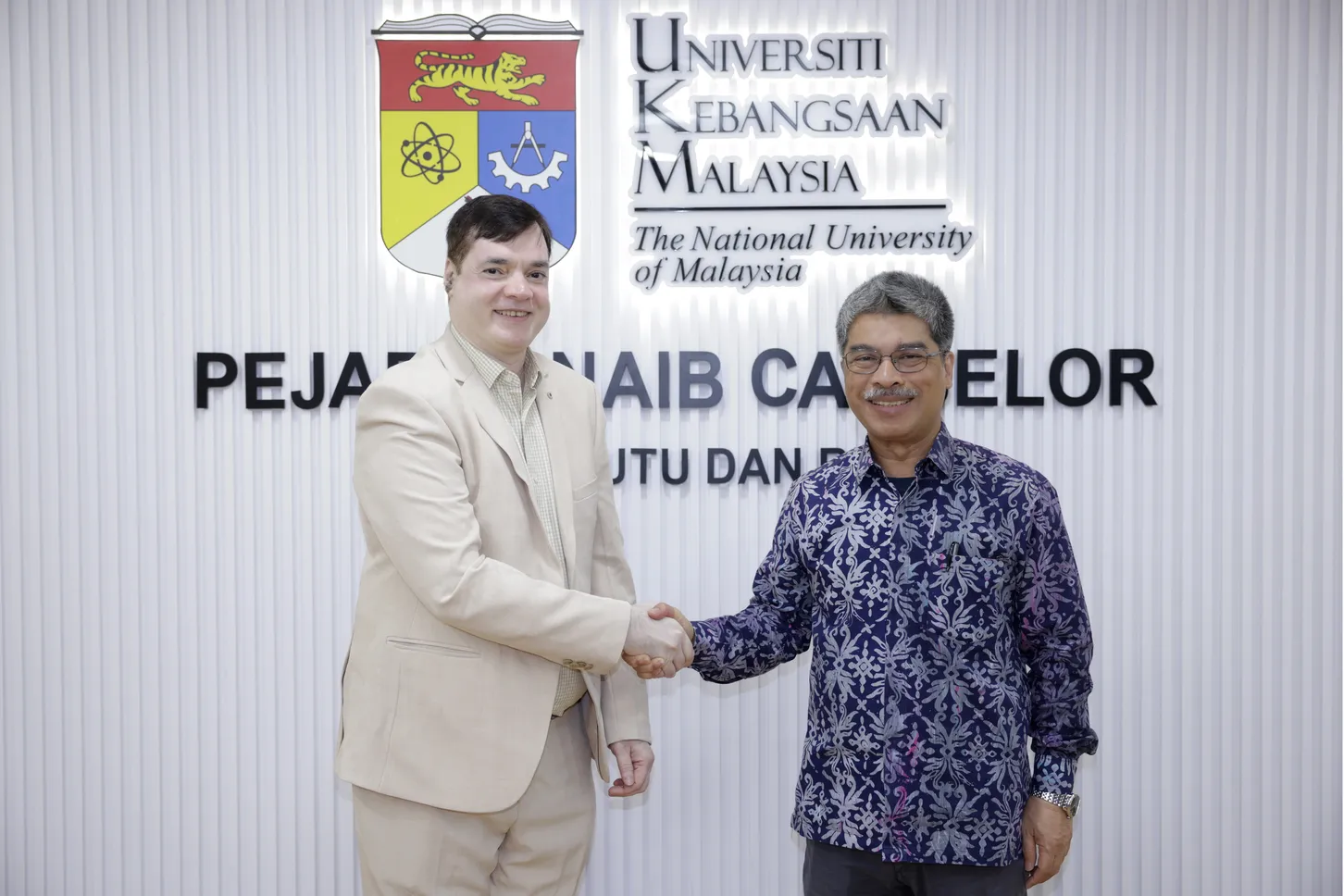
Meanwhile, UKM Vice-Chancellor Prof Dato’ Dr Sufian Jusoh said the collaboration continues to open new opportunities for Malaysia’s future workforce, adding that the university is proud to become the first institution in ASEAN to offer QNX Everywhere as part of its curriculum. He noted that the initiative will help ensure graduates are equipped not only for local industry needs but also for global careers in some of the world’s most demanding technology sectors.
The program also aligns closely with Malaysia’s broader digital transformation agenda. National initiatives such as Industry4WRD, the National 4IR Policy, the New Industrial Master Plan 2030, Malaysia Digital 2030, and the MADANI framework all emphasize the need for stronger technological capabilities, digital sovereignty, and higher-value industries. By embedding QNX into university education, the partnership aims to help bridge the gap between policy goals and the availability of industry-ready talent.
Like our Facebook Page here at NasiLemakTech.com for more news and in-depth reviews! Also, join our Facebook Group for insightful information and memes!
Subscribe to our YouTube channel too!