
















Recently, Dell has put together a couple of reports to find out how enterprise AI is doing in the Asia Pacific region, and they found out that companies are no longer just experimenting with AI, they’re actually putting it into production, and the numbers back that up.
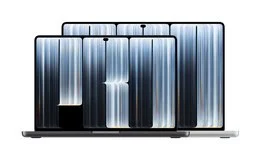
Nearly half of organisations with more than 500 employees are already rolling out AI PCs, while almost all of them see workstations becoming a key part of their AI strategy over the next couple of years, which together signals a shift toward a more distributed AI setup where computing power is pushed closer to users instead of being centralized.
This finding correlates with the two IDC InfoBriefs commissioned by Intel, where they spoke the same thing – businesses are now investing in both intelligent endpoint devices and high-performance systems as they figure out how to scale AI in a more practical way.
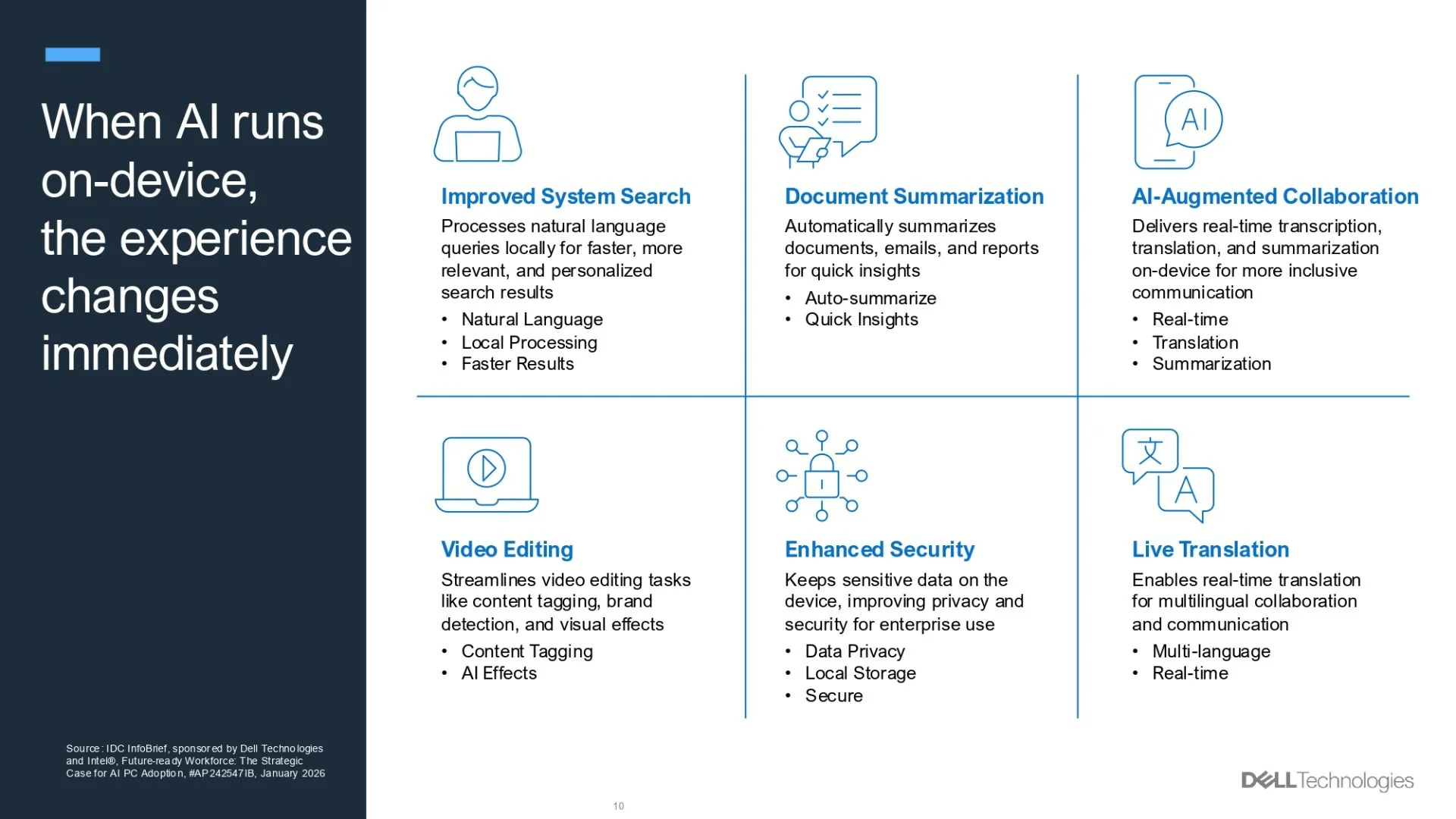
For AI PCs, instead of relying heavily on the cloud, these machines can run AI workloads locally, which means faster responses, better privacy, and more control for IT teams managing large fleets. That shift is clearly influencing buying decisions too, with 89% of organisations in the region now treating AI capabilities as a major factor when purchasing new PCs, while markets like Australia, India, South Korea, and China are all moving at slightly different speeds but heading in the same direction.
The SEA region is actually moving faster than average here, including Malaysia, where adoption is already at 45%, and that momentum is being driven by fewer legacy constraints, stronger infrastructure in certain markets, and government support. And the payoff is pretty tangible – companies with more than half their devices as AI PCs are seeing about 2.17 hours saved per employee per day, translating to roughly a 30% productivity boost compared to traditional setups.
In practical terms, that means faster turnaround times for sales proposals, quicker data analysis for operations teams, smoother document drafting for HR, and generally more responsive workflows across the board. It also sets the stage for more advanced agentic AI systems in hybrid work environments, where AI PCs act as a controlled and scalable way to bring those capabilities into everyday work without compromising security.
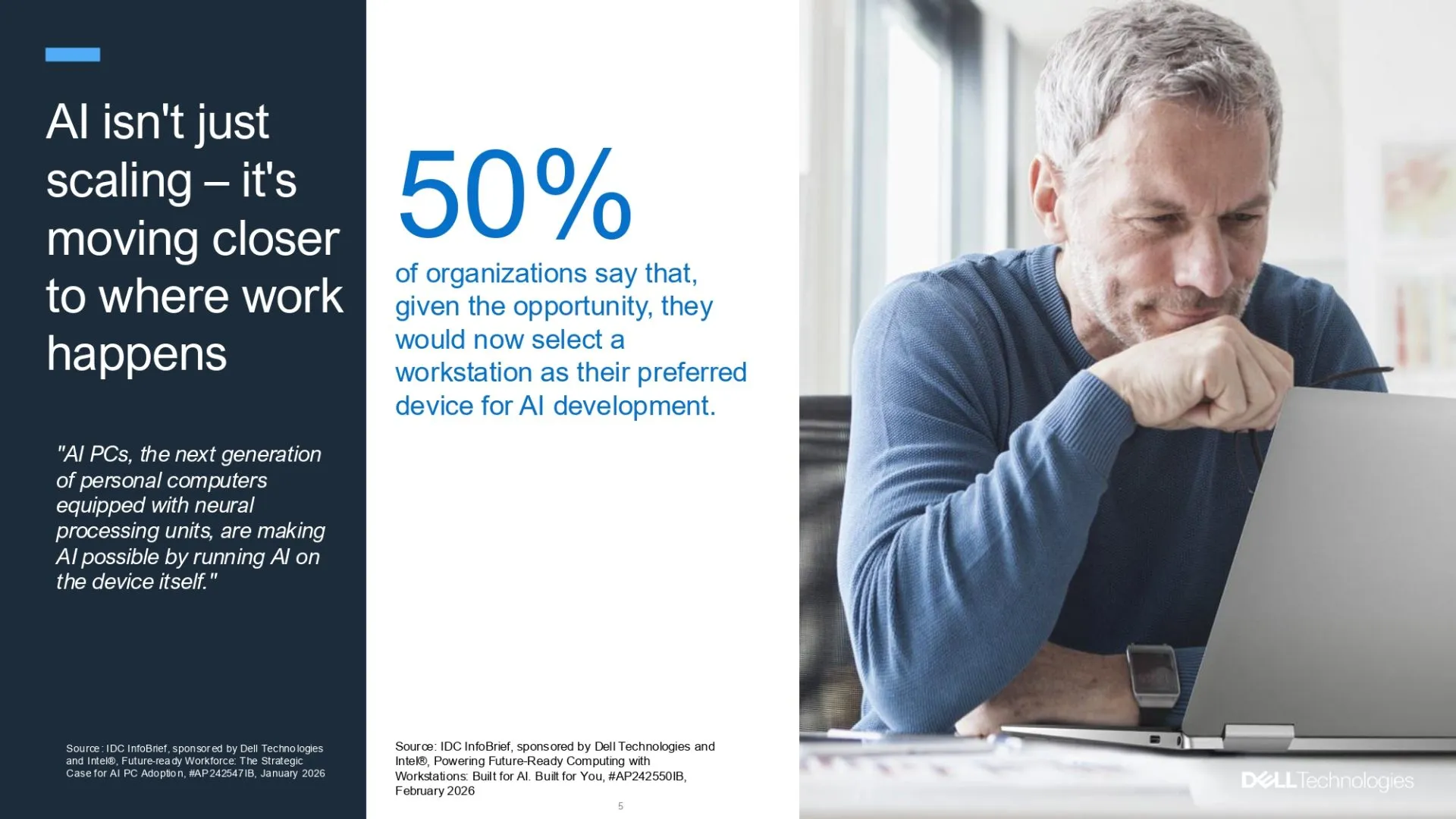
On the other side of the equation, workstations are still doing the heavy lifting, especially for developers, engineers, and data teams working on more demanding AI tasks. According to the same research, 95% of organisations expect workstations to play a critical role in AI initiatives, and about half would actually choose them as their main platform for AI development, which makes sense given the need for sustained performance, low latency, and reliability.
Workstation users in SEA also saw productivity gains, and more companies expect their workstation fleets to grow over time. These systems are being used across the full AI lifecycle, from data preparation and model training to fine-tuning and deployment, with industries like manufacturing, media, tech, and finance all leaning on them for different use cases.
Putting all together, the entire trend is shifting towards AI PCs handling everyday tasks and bringing intelligence closer to users, while workstations power the more complex, compute-heavy side of things. Instead of relying on a single environment, organisations are now trying to match the right workload to the right system while balancing longevity, scalability, and performance consistency.
Like our Facebook Page here at NasiLemakTech.com for more news and in-depth reviews! Also, join our Facebook Group for insightful information and memes!
Subscribe to our YouTube channel too!