














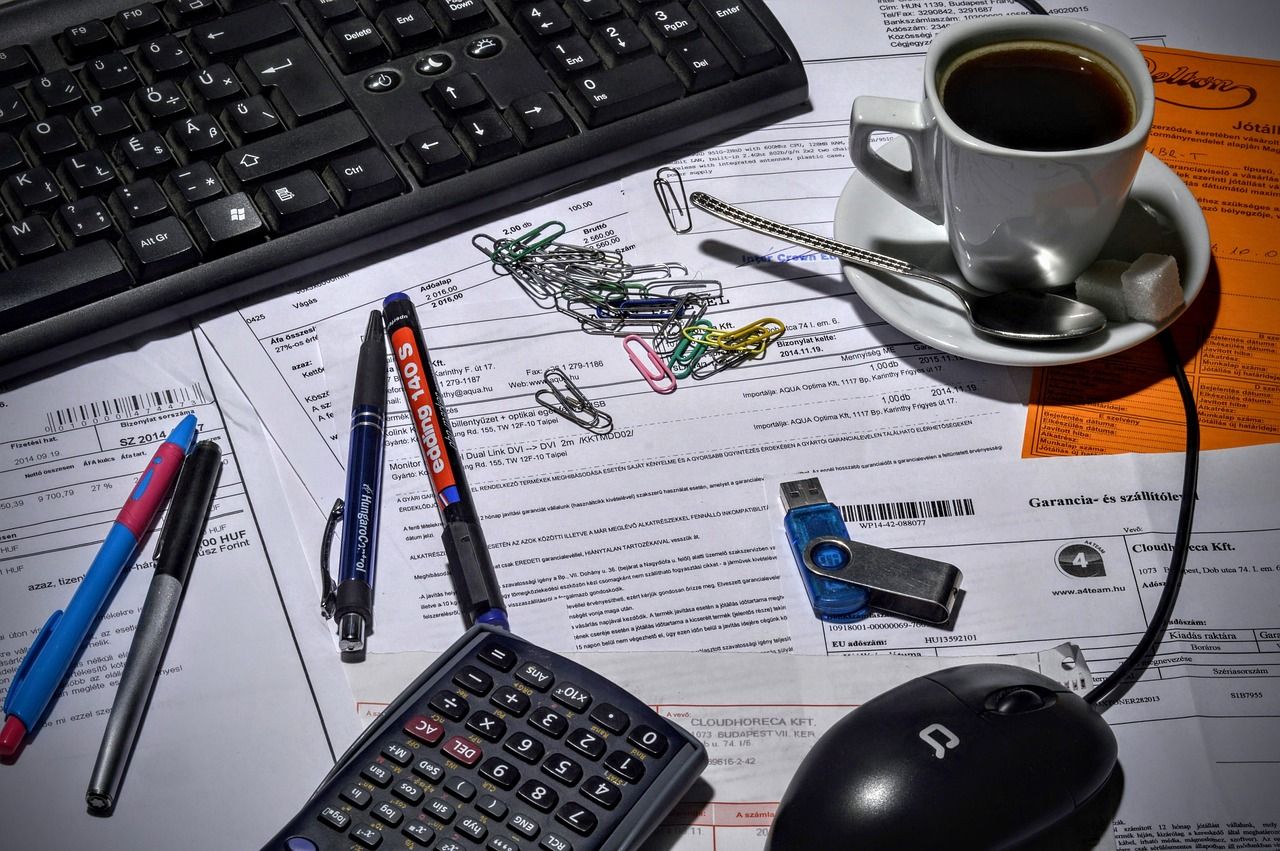

Efficient invoicing is a cornerstone of successful business operations, enabling smooth cash flow management, timely payments, and enhanced client relationships. In today’s fast-paced business landscape, where every moment counts, streamlining your invoicing process is not just good practice; it’s a necessity. This article delves into the key strategies and tools that can help you optimize your invoicing procedures for improved efficiency and productivity.
The Importance of Streamlining Invoicing
Invoicing is more than just sending a bill for goods or services rendered; it’s a critical element of your overall business strategy. You can use a specific invoicing software for this purpose. Explore the internet where you may find a website concentrated on invoicing solutions for small businesses. You can get more from this website and discover additional resources that offer insights into best practices and strategies for optimizing your invoicing process. Efficient invoicing can positively impact several aspects of your business:
- Cash Flow Management: Streamlining your invoicing process ensures that invoices are sent promptly, and payments are received on time. This, in turn, stabilizes your cash flow and allows you to meet financial obligations without unnecessary delays.
- Client Relationships: Timely and accurate invoicing reflects your professionalism and commitment to your clients. A smooth invoicing experience can contribute to positive client relationships and repeat business.
- Operational Efficiency: A streamlined invoicing process reduces the administrative burden on your team, freeing up time and resources that can be allocated to more strategic tasks.
- Financial Visibility: Efficient invoicing provides better visibility into your financial health, enabling you to make informed decisions and plan for the future.
- Compliance and Record Keeping: Well-organized invoicing processes contribute to accurate record keeping, which is crucial for compliance with tax regulations and other legal requirements.
Strategies for Streamlining Invoicing
-
Embrace Automation
Automation is a game-changer when it comes to streamlining your invoicing process. Utilize invoicing software that allows you to create and customize templates for your invoices. This reduces manual data entry and minimizes the risk of errors. For clients with regular billing cycles, set up recurring invoices to be automatically generated and sent at predefined intervals. Implement automated payment reminders to notify clients of upcoming or overdue payments. This reduces the need for manual follow-up and encourages timely payments. Integrate your invoicing software with your accounting system to seamlessly transfer invoice data, minimizing the need for duplicate data entry.
-
Standardize Invoicing Processes
Standardization promotes consistency and reduces confusion. Collect all relevant details before creating an invoice, such as client information, project details, billing terms, and payment methods. Clearly outline the goods or services provided, quantities, rates, and any applicable taxes or discounts. Provide a breakdown of costs for transparency. Use a consistent numbering system for your invoices. This helps with organization, tracking, and easy reference in case of discrepancies. Clearly state the payment due date, accepted payment methods, and any late payment penalties or discounts for early settlement—finally, timeliness matters. Send invoices once the work is completed or the product is delivered to expedite payment.
-
Offer Multiple Payment Options
Diversifying payment options enhances client convenience and accelerates the payment process. Provide a secure online payment portal that allows clients to make payments using credit cards, debit cards, or digital wallets. This reduces the need for manual checks and bank transfers. Include your bank account details on the invoice so clients can initiate direct bank transfers, simplifying the payment process. Embrace mobile payment apps that facilitate quick and easy smartphone payments.
-
Implement Clear Communication
Effective communication is critical to efficient invoicing. Maintain open and transparent communication with your clients. Communicate your invoicing schedule, payment terms, and any changes to your clients upfront. Confirm the preferred method of receiving invoices with your clients. Some may prefer email, while others may require physical copies. Address clients by their names and tailor your communications to their specific needs. Personalization fosters a sense of rapport and professionalism.
-
Monitor and Follow Up
Maintaining oversight of your invoicing process is crucial for identifying bottlenecks and addressing issues promptly. Regularly review your invoicing process to identify any areas for improvement or inefficiencies. Keep a close watch on incoming payments to identify any delays or discrepancies. Follow up with clients promptly if payments are overdue. If clients have questions or concerns about an invoice, provide timely responses and clarify any issues.

Efficient invoicing is not just a back-office task; it’s a critical component of your business’s success. By embracing automation, standardizing processes, offering multiple payment options, communicating effectively, and leveraging the right tools, you can streamline your invoicing process for improved efficiency and productivity. As you optimize your invoicing procedures, you’ll enhance your cash flow management, nurture strong client relationships, and position your business for growth in today’s competitive market.
Like our Facebook Page here at NasiLemakTech.com for more news and in-depth reviews! Also, join our Facebook Group for insightful information and memes!
Subscribe to our YouTube channel too!