












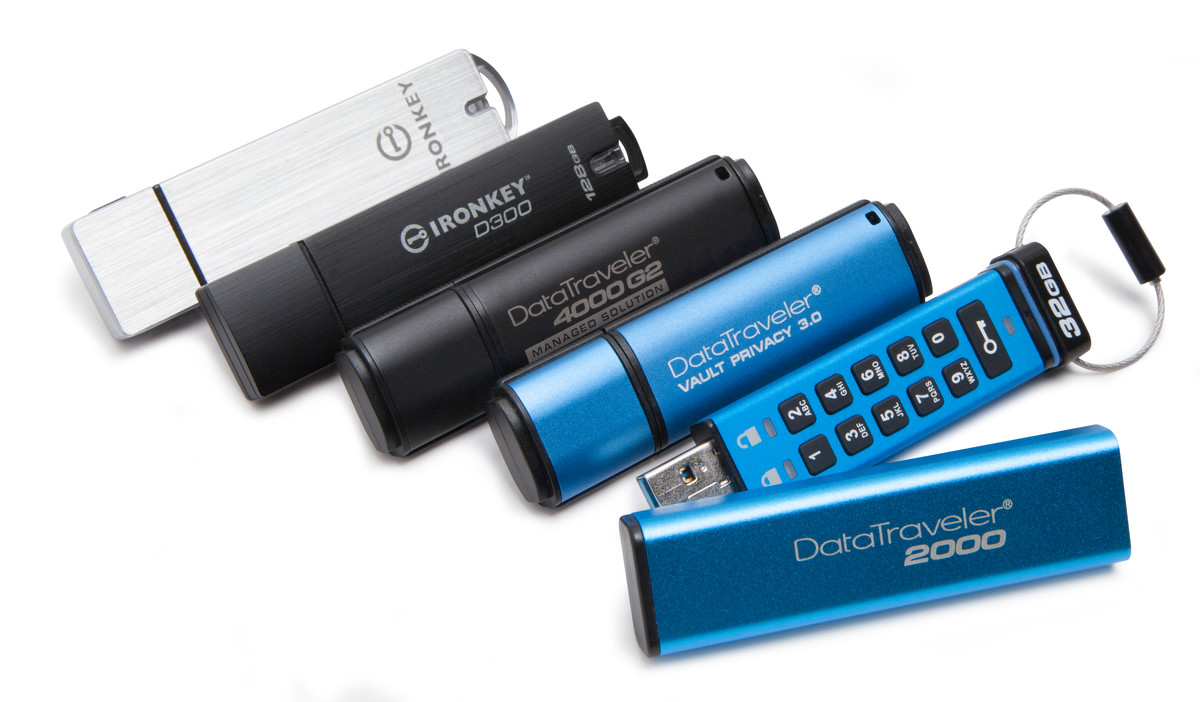

GDPR, or General Data Protection Regulation, is the one big EU law on data protection and privacy for all individuals within the European Union and also the European Economic Area. Even if your company is based in non-EU countries but worked with one organization that’s in EU, you’re affected. It’s a big step ahead to ensure that there are no misuse of personal data and users themselves have the right to take control of information about themselves. It affects companies and individuals alike – and these encrypted USB drives by Kingston can be the key component of the GDPR compliance, thanks to its encryption.
In lieu of all the GDPR panic that companies have to deal with, one way that these companies are preventing data from leaking or breached is by banning removable media outright. The reason is because of the “the possible financial and reputation damage from misplaced, lost, or misused removable portable storage devices must be minimized.”
To be honest, I worked with a company that banned removable media too. As USB drives aren’t allowed, hence it did affect the companies’ productivity and work efficiency is hindered. Without a direct removable media to just transfer files from one computer to another, that means we’ll have to find an alternative. Most of these alternatives are slow and cannot be copied off of a removable “master” drive.
In today’s workforce, removable media is really useful as our workforce revolves around it. For example:
- Non-cloud storage: A mobile workforce may not have access to necessary files or ability to transfer files due to unreliable local “Free Wi-Fi,” network permissions or firewalls
- Service Level Agreements (SLA): Servicing systems or helping customers with software deployment requires distributing patches via a USB drive
- Remote data: Field research data collection from emergency response, scientific to military situations
And yes – I have no idea why removable media is banned but cloud storage is allowed. Think of it this way – I can still send files through messaging apps like WhatsApp, Facebook Messenger, and Telegram. Isn’t it more dangerous than a removable drive?
Also, imagine transferring 25GB of files through cloud storage to multiple computers. Wouldn’t a simple USB drive be much simpler?
For those who don’t plan to ban removable USB drives, then the solution is simple – get encrypted USB drives. Kingston has a few to offer.
The Solution: Encrypted Drives
Encryption is one of the most trustworthy means of protection, especially in cases involving confidential or sensitive data. Encrypted USB drives are security product solutions and an essential pillar of a comprehensive data loss-prevention (DLP) strategy. Experts say companies and organizations must insist employees use only encrypted USB drives, which combine the productivity advantages of allowing USB access while protecting the onboard information. Encrypted USB solutions are designed to protect even the most sensitive data, using the strictest security regulations and protocols.
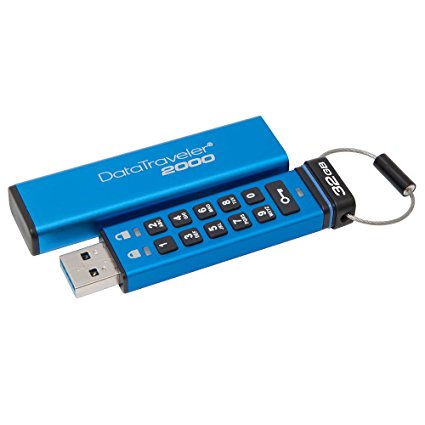
Encrypted USB drives are powerful tools in closing security gaps. They help ensure security and compliance by offering:
- Hardware-based AES-256bit Encryption in XTS mode
- Anti-virus / malware protection
- Ability to be managed remotely
- TAA Compliant / FIPS Certified
- Capacities ranging from 4GB to 128GB
- Kingston’s customization program
You can take a look at Kingston’s IronKey, their series of encrypted USB drives, by visiting Kingston’s website.
For more information on IronKey and Kingston encrypted solutions, visit kingston.com.
Like our Facebook Page here at NasiLemakTech.com for more news and in-depth reviews! Also, join our Facebook Group for insightful information and memes!
Subscribe to our YouTube channel too!