
















Have you thought about where do the plastic wrappings or protective sleeves go after you’ve ripped them off carefully from your device and thrown into the dust bin? Chances are they are going to get dumped into heaps of undecomposable trash and not getting a single bit of care afterward.
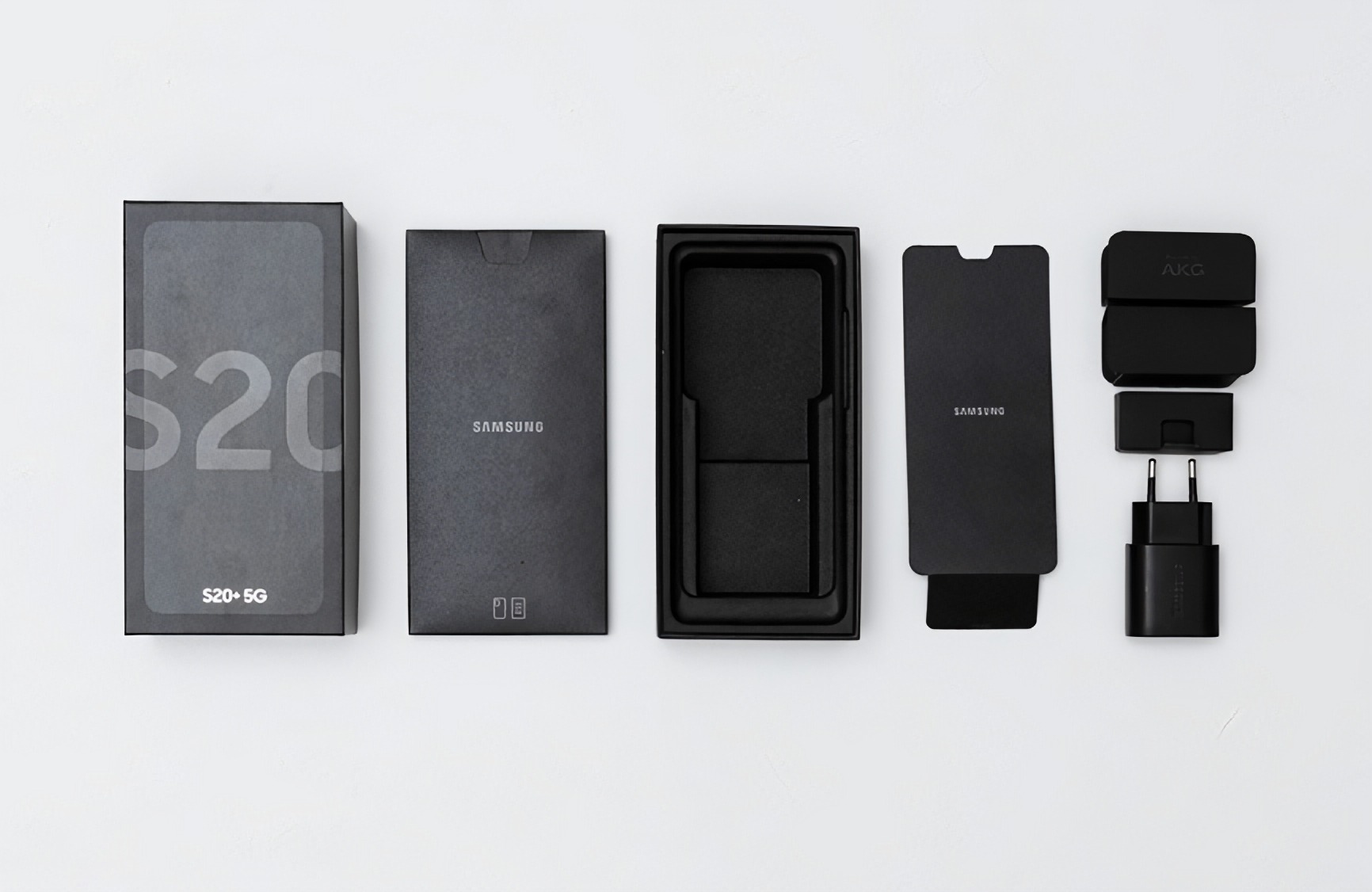
To minimize the chances of letting you commit such a small yet impactful decision, Samsung has put a tremendous amount of work when designing the packaging for the Samsung Galaxy S20. The Design Team members Mogwon Son and Yoonyoung Kim has given us an insight on how they tackle the green environment issue over the years through an exclusive interview. Let’s see how they did it.
Cutting off a little bit of everything spells huge returns

The whole idea of green packaging actually starts off during the Galaxy S3 era where it was the first device to feature recycled material in its packaging. Subsequent releases such as the S4 and S5 included more such as discarded paper, biodegradable vinyl, and petroleum-free soy ink.
Mogwon Son also discussed how Samsung equipped last year’s Galaxy S10 with eco-friendly packaging consisting of FSC-certified paper boxes, as well as plastic and vinyl-free interior components.
“We abandoned the holder tray and the box-covering sleeve, but kept the bottom box, which includes an all-in-one pulp mold which utilizes pulp slurry made from bamboo fibers and sugarcane bagasse, is better for the environment, and helps minimize waste.”
Sustainability? Style? Why not both?
The Galaxy S series is the flagship smartphone lineup for Samsung Electronics and has such an impact ever since its introduction that the company strives to build a premium packaging design with recycled materials presented some unique challenges that involve durability, aesthetics, and suitability for mass production. No matter what everyone else says, they did it anyway.
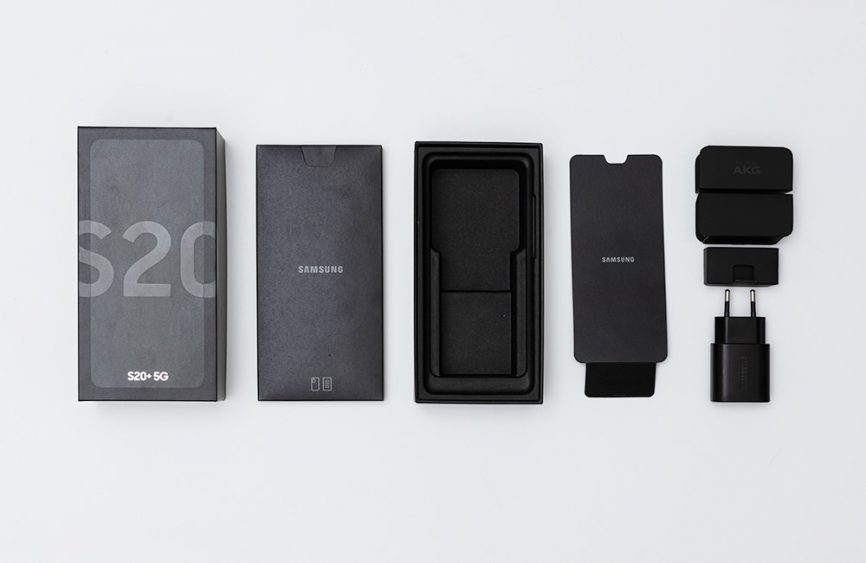
The pulp mold is one of the very first problems they have tackled. Color application is difficult due to the use of vastly different recycled materials that would cause them to appear reddish or blue initially, not to mention the surface is curved and rough that requires repeating layers of paint to achieve a clean and black hue.
In the end, we wanted to offer a better experience with paper packaging than users would have with plastic or vinyl. This is why we chose to accentuate the soft texture of the pulp material itself, and devoted a great deal of effort to refining the packaging’s exterior.
Not only has the team’s hard work made Samsung’s packaging more sustainable, but it’s also made it that much more convenient.
Giving plastic waste another life through the phone case
The Galaxy S20’s Kvadrat case may look like the run-of-the-mill stylish phone case that is decently durable to protect the device from wear and tear but do you know a single 500ml plastic bottle can be made into 2 of these?
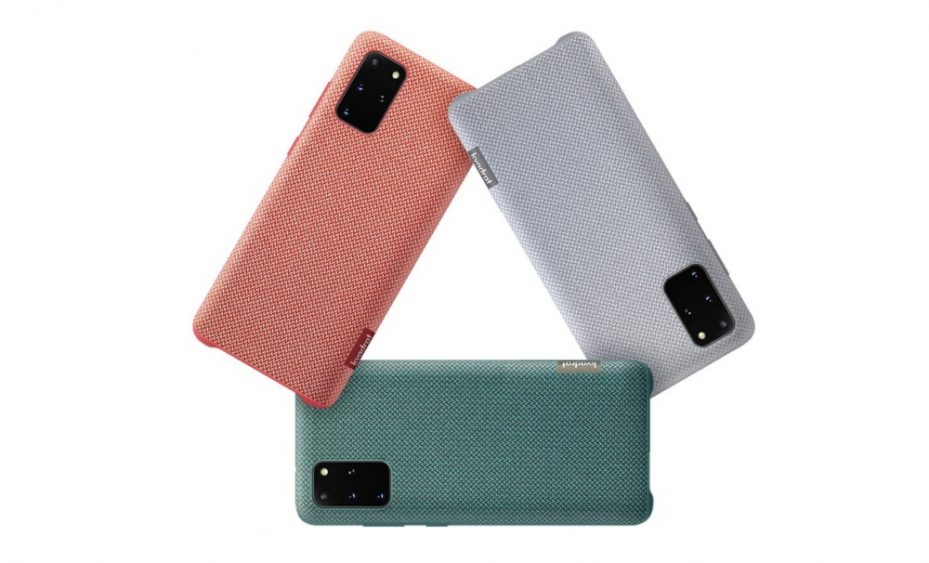
Such impressive upcycling technology is made possible through the collaboration with Kvadrat, an environmentally conscious company that has obtained the European Union’s famously rigorous Ecolabel certification, dates back to 2018. We’ve talked a little about this Kvadrat cases in the past.
The project’s lead designer, Yoonyoung Kim, explained how she arranged to meet with Kvadrat prior to attending an overseas furniture exhibition, and surely, love, at first sight, happened straight away when she felt the textiles on display.
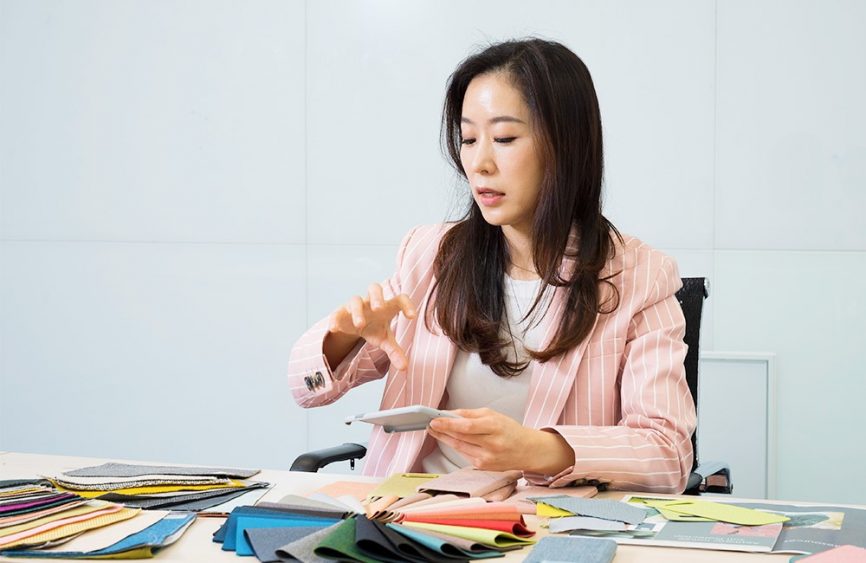
But durability is key when it comes to smartphone cases. Not only it needs to be thin but drop-resistant as well. Kim and developers eventually found a way to prevent the case’s knitted fabric from unraveling at its edges and further optimizing the manufacturing process that produces an exquisite product with the Kvadrat logo that matches the growing trend of global fashion targeting shunning leather and polyurethane-coated materials in favor of more environmentally conscious alternatives.
When compared to typical synthetic polyester yarns, the recycled yarns used in this case are less uniform in diameter, and they’re so delicate that it’s difficult to weave them into elaborate patterns, which requires a careful and exacting finishing process and oing green is not a fad – it’s a global shift in perception, and the mission of all manufacturers. Therefore, we cannot stop here. Through our ongoing partnership with Kvadrat, we will continue to create innovative accessory designs that combine expressive patterns and colors with optimum usability.
Both designers are taking a step-by-step approach of enforcing the importance of green technology, knowingly such big ambitions need to start off from the most detailed and unnoticed gestures, and initiating the transition can be tough and sticking through until the end can be even more difficult.
Both of them are optimistic about the future of the green effort and will continue to work hard to push this movement across the industry and make the world a better place for everyone. As a side note, they are both surprised at the fact that recycled materials can be a source of natural and beautiful colors that were previously thought to be possible only with delicate natural fibers.
Grab the full interview here courtesy of Samsung Malaysia.
Samsung is not the only company that commits to green packaging and shipping. Dell also made a stance and has been doing the same as well with what is called “ocean plastic”.
By using plastics obtained from the ocean and recycling them to make product packaging, Dell aims to keep the global watery continents as clean and healthy as possible while saving aquatic lives as well. But as always, keeping the environment safe and easy always starts from us so let’s not forget to be green in our daily lives too.
Like our Facebook Page here at NasiLemakTech.com for more news and in-depth reviews! Also, join our Facebook Group for insightful information and memes!
Subscribe to our YouTube channel too!