










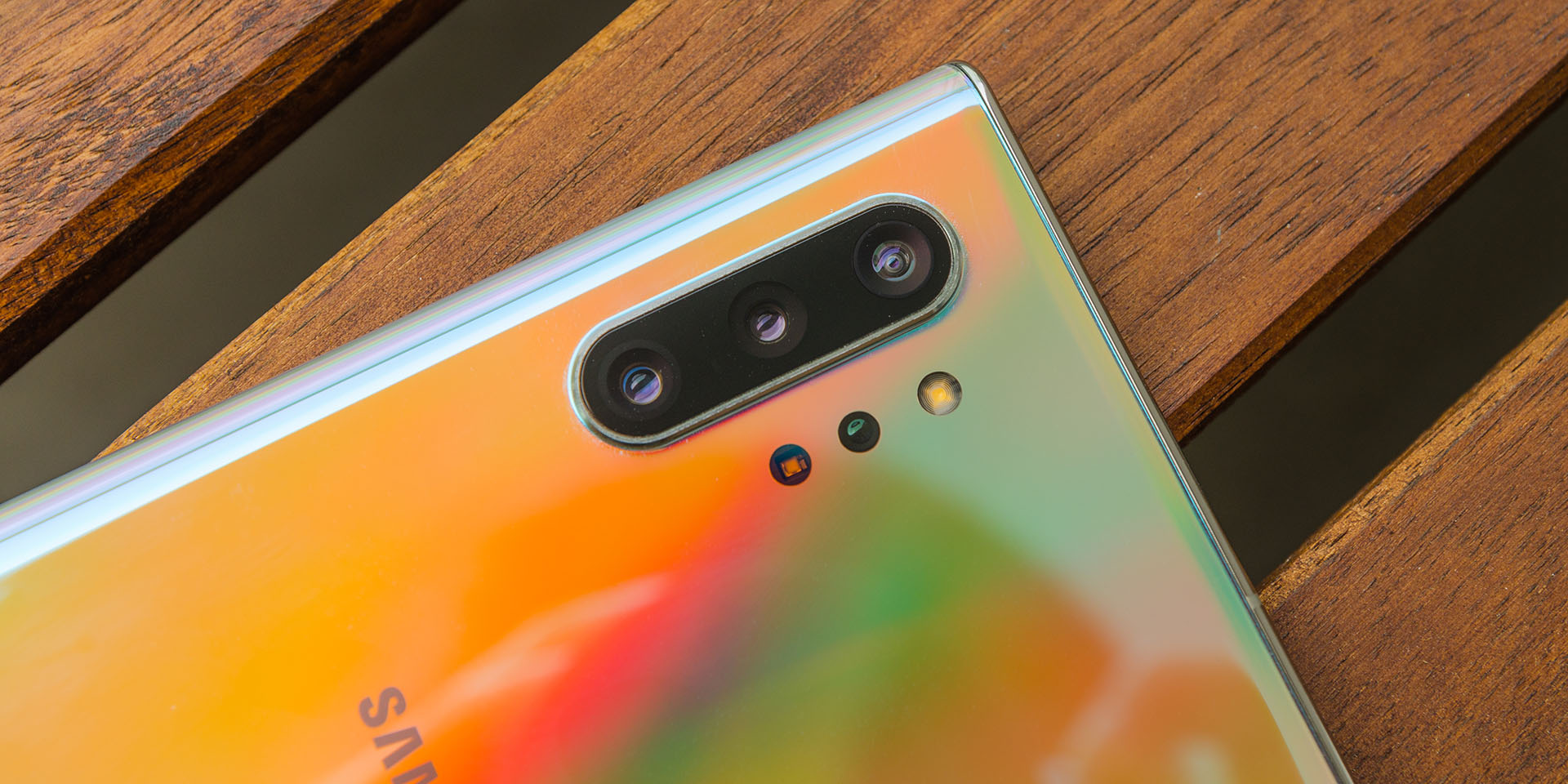

TOF cameras. They are a relatively new technology in the smartphone industry, but did not get much spotlight time since its introduction – until the HONOR View20 (review) and also the Samsung Galaxy Note10+ (review) arrived. In this article, we’ll explain how 3D TOF camera works in concept and its application in real-world scenarios. We’ll be using the Galaxy Note10+ as our smartphone for this topic since it is the latest smartphone in the market that has a 3D TOF camera.
Of course, there are many other smartphones with 3D TOF cameras too – and essentially, even laser autofocus is using the exact same concept as TOF to get the focal length.
Why TOF cameras? Why laser autofocus?
TOF cameras are using the same concept as sonar. Sonar is using soundwaves to detect how far the object is from the source of the sound. 3D TOF cameras are doing the same thing but using lasers.
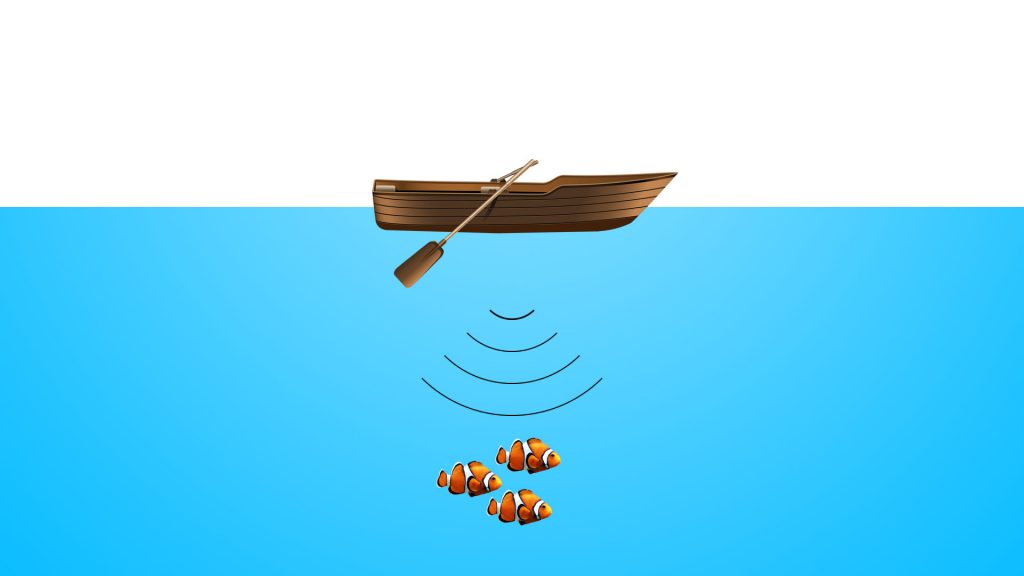
It uses infrared laser because there are a few benefits – the infrared light is beyond what the human eyes can see, so we will not see the blinking light. Secondly, infrared still travels at the speed of light, hence the TOF camera can do its job in the speed of light. Thirdly, infrared lasers require lower power, hence better efficiency.
For every pixel of the TOF camera sensor, it needs to use this simplified general formula to detect depth:

Once all the pixels in a single frame are calculated, the 3D image will be shown on the screen. In theory, it sounds simple – but on the software side of things, it’s quite complicated.
The cycle of firing the infrared light and calculating depth for the entire image will be repeated over and over again to make sure it is getting the accurate 3D image – it is an intensive task.
What is the 3D TOF camera for?
3D TOF cameras are actually an advanced, improved version of depth sensors. Depth sensors have in terms of accuracy and range. Hence, 3D TOF cameras are getting popular.
By utilizing lasers and having a good digital signal processor to clean up noise, infrared laser used in 3D TOF cameras can detect objects at a pretty far distance.

In terms of practical use, the 3D TOF camera technology for smartphones is still maturing. As of now, some apps can utilize 3D TOF camera technology through Google AR Core, as shown here. As we have originally predicted, 3D TOF camera can be used to map indoor space like houses and offices.

Potentially, we can also put a complete 3D imagery of the space to the internet (like Street View) so that potential tenants can have a look at the place without visiting the place physically.
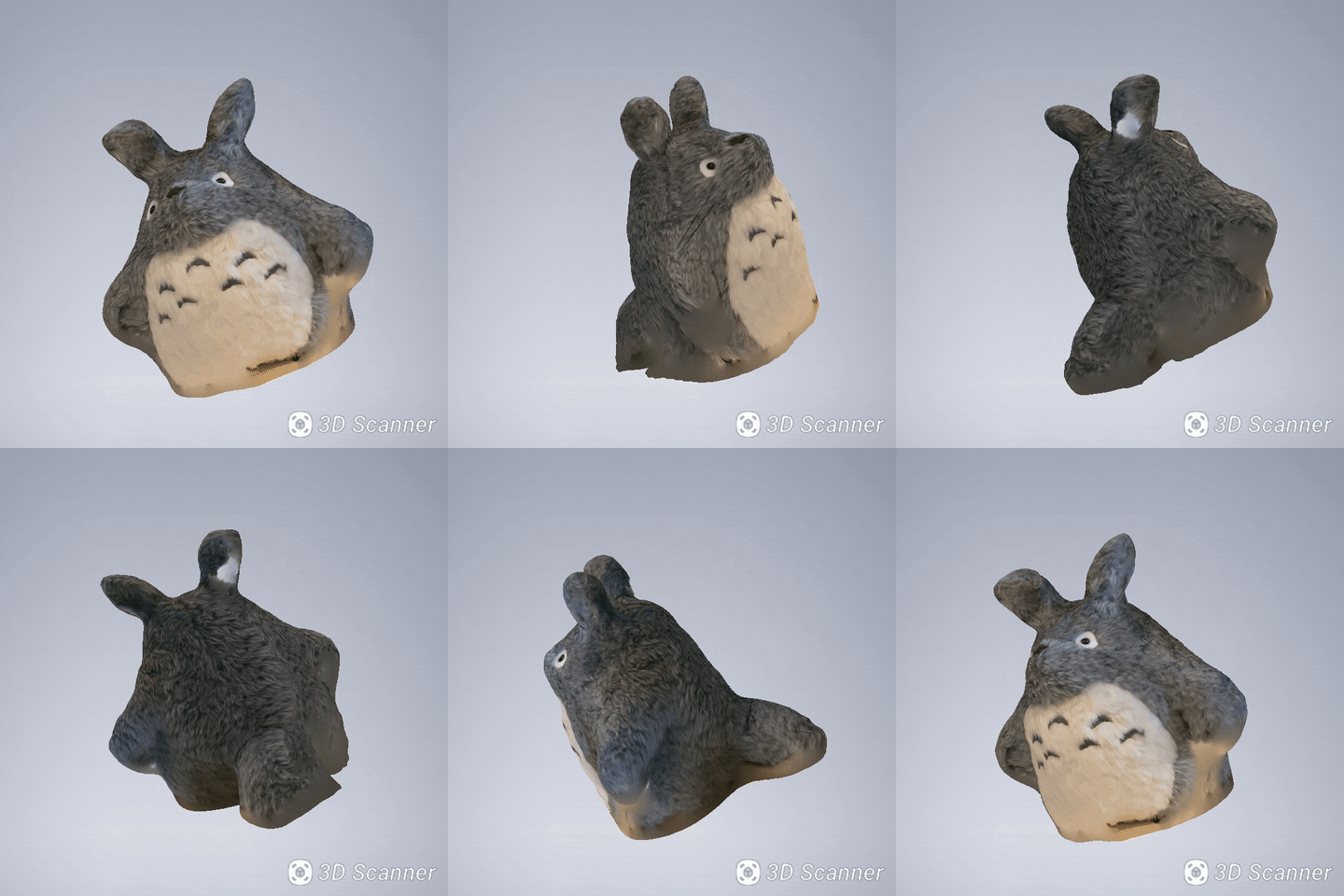
Samsung has implemented the feature to scan 3D objects using the Galaxy Note10+. It works, though there are some limitations in terms of what surfaces and size of the object that can be scanned. Anything with a reflective or small is out of the question.
In our review of the Galaxy Note10+, we scanned a plush toy. It’s not perfect, but we have the geometry.
And since it uses infrared light, that means the 3D TOF camera can work perfectly fine in complete darkness as well. Also, the 3D TOF camera can help improve the focusing time as well – even at night.
However, due to the inherent issues of using lasers, this can’t be done under direct sunlight as it will mess up the detection. It is also unusable on shiny, reflective objects.
Challenges ahead
As of now, the 3D TOF camera technology is still underutilized. I understand that its use case is quite niche, but perhaps it can be combined with VR headsets to scan 3D space and generate a digital version for friends to hang out together. Something like a portable VR Chat.
Perhaps augmented reality (AR) and mixed reality (MR) games could be developed as well. If Android lets a PC, Mac, or Linux machine utilize its 3D TOF hardware, then we essentially have a Microsoft Kinect in our pockets. Think of the potential.

What we can expect from 3D TOF camera
I think the most logical probability is an improvement in terms of resolution – both the pixel count and also the size of the object that we can scan. It should also be made easier so that we can use a lazy susan and spin the object around and get it scanned.
Once we can scan more accurate objects with your devices, maybe export it into a vector file and use CAD software to clean it up and make modifications – then 3D print it. That would be a dream come true for many of us.

It would be difficult to incentivize app developers to develop apps for a niche hardware-dependent feature. The potential is surely there but requires a push that makes us need 3D TOF cameras on in smartphones.
Like our Facebook Page here at NasiLemakTech.com for more news and in-depth reviews! Also, join our Facebook Group for insightful information and memes!
Subscribe to our YouTube channel too!