

















 This is a problem for many manufacturers these days. Everyone wants their very own flavour of Android in their very own phone that they themselves manufactured. Is this even a feasible idea these days? Is it just a waste of time? Did this decision limit their customers’ ability to get the most out of their hardware?
There’s the OnePlus one that was offered in a generous amount of 3 officially supported versions of Android – there was the Chinese ColorOS and CyanogenMod at first, then came along the OxygenOS.

The main point here being that OnePlus, a brand new manufacturer of Android smartphones, wouldn’t be successful among power users if they did not partner with Cyanogen.
The big question is – Why?
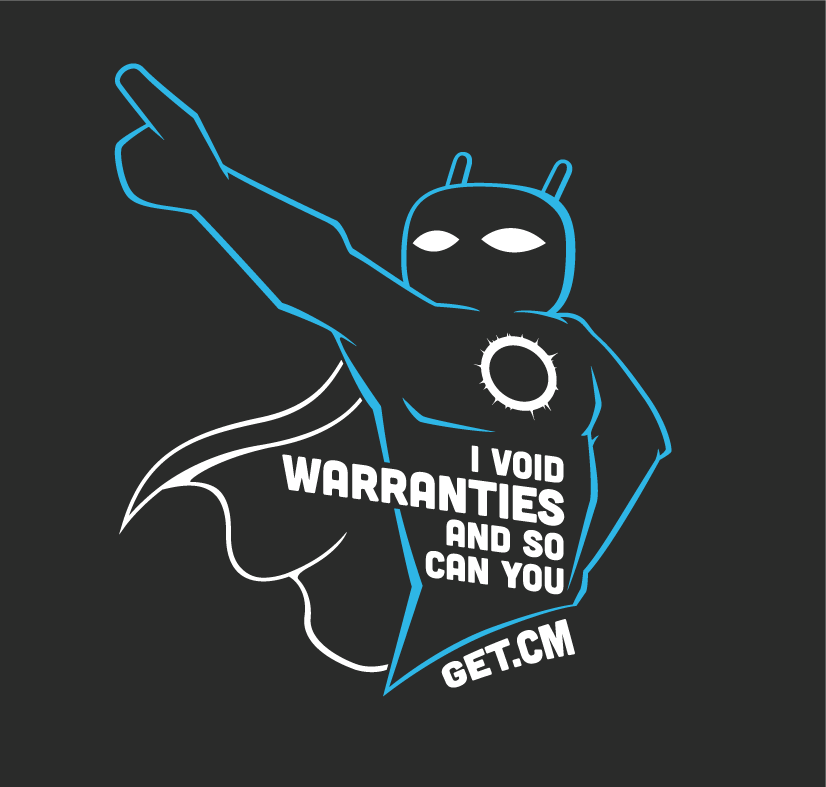
Let’s break it down – CyanogenMod is famous for its openness and its powerful customizability. It does have some special features that are only found in CyanogenMod ROMs too. Then again, it’s also simple and free of bloatware, and some might argue that it’s even cleaner than Google’s vanilla stock version of Android, which might be true as Google did include a bunch of crap in it.
First up, is the labour needed to design, code, test, debug, and publish. Then, the cycle repeats itself, and repeats the cycle of additional cost too. A team is needed to solely handle this, and maybe another team to handle the development of apps exclusive for the brand too. Of course, the app development side can be outsourced too – but that will again add more cost.
Secondly, stability. Programmers know that when you modify too much of someone else’s code, problems are sure to happen. Now I’m not saying all the other flavours of Android like Samsung’s TouchWiz or LG’s UX 4.0 are buggy, but there are problems although mostly insignificant.
Motorola of all the manufacturers even did it the Cyanogen way with their smartphones too, and it is really well-received.
Thirdly, maintenance. Ohhhh if you have seen the time taken to release updates from certain manufacturers, it’s a joke! Let’s take the recent Stagefright. Samsung still have not updated the Galaxy Note 4 until today. ASUS was quick-ish to fix it, and still took about a month to fix it on their flagship device, the ZenFone 2.
Last but also the biggest feature for consumers, the customizability. I suggest everyone to use Cyanogen for a while before going all insane and white blood cell on it. We’ve seen many manufacturers trying to implement their own theme engine into their flavour of Android – ASUS, Samsung, Sony – they all have their own theme engines and are proprietary. Which means all of their themes can only be used by themselves, and thus the lack of users making themes for them.
While on the subject of themes Cyanogen’s theme engine is able to use icon packs developed for other home screen launchers like Nova or Apex launcher. That said, as Cyanogen is available for many other devices, all of them have the exact same theme engine too. That means app of the themes made for Cyanogen can be enjoyed by all of their users.
Wrap-up

I personally believe, with the addition of maybe just Cyanogen’s theme engine into other manufacturer’s own flavour of Android, that’ll be the most viral story ever. Imagine the next Samsung Galaxy S phone will feature the CM12 theme engine – that’ll be the greatest selling point.
Like our Facebook Page here at NasiLemakTech.com for more news and in-depth reviews! Also, join our Facebook Group for insightful information and memes!
Subscribe to our YouTube channel too!