













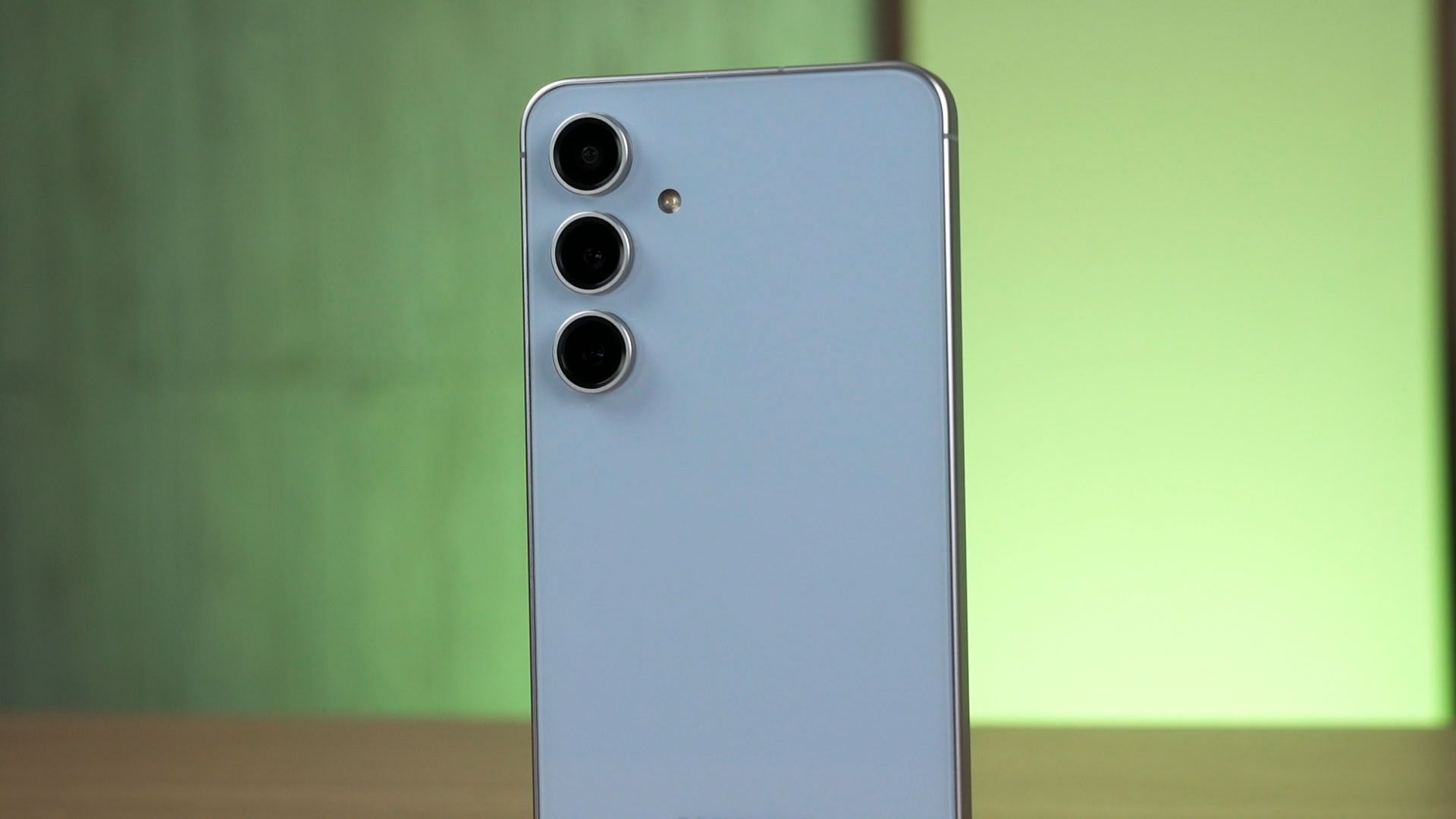

This is the new Galaxy S24 FE. It’s Samsung’s latest, most affordable option to the S24 series – but is it actually good? How does it differ when compared to the Galaxy S24+, which looks so similar to the FE?
In today’s video, we’re going to take a look at what it has to offer and do a little comparison too.
Design
Let’s start with the design. It’s using the same design language as before and the S24 FE is actually using a glossy glass back. I honestly would’ve preferred a matte back but I’m going to slap a case on it anyway – so this doesn’t matter much.
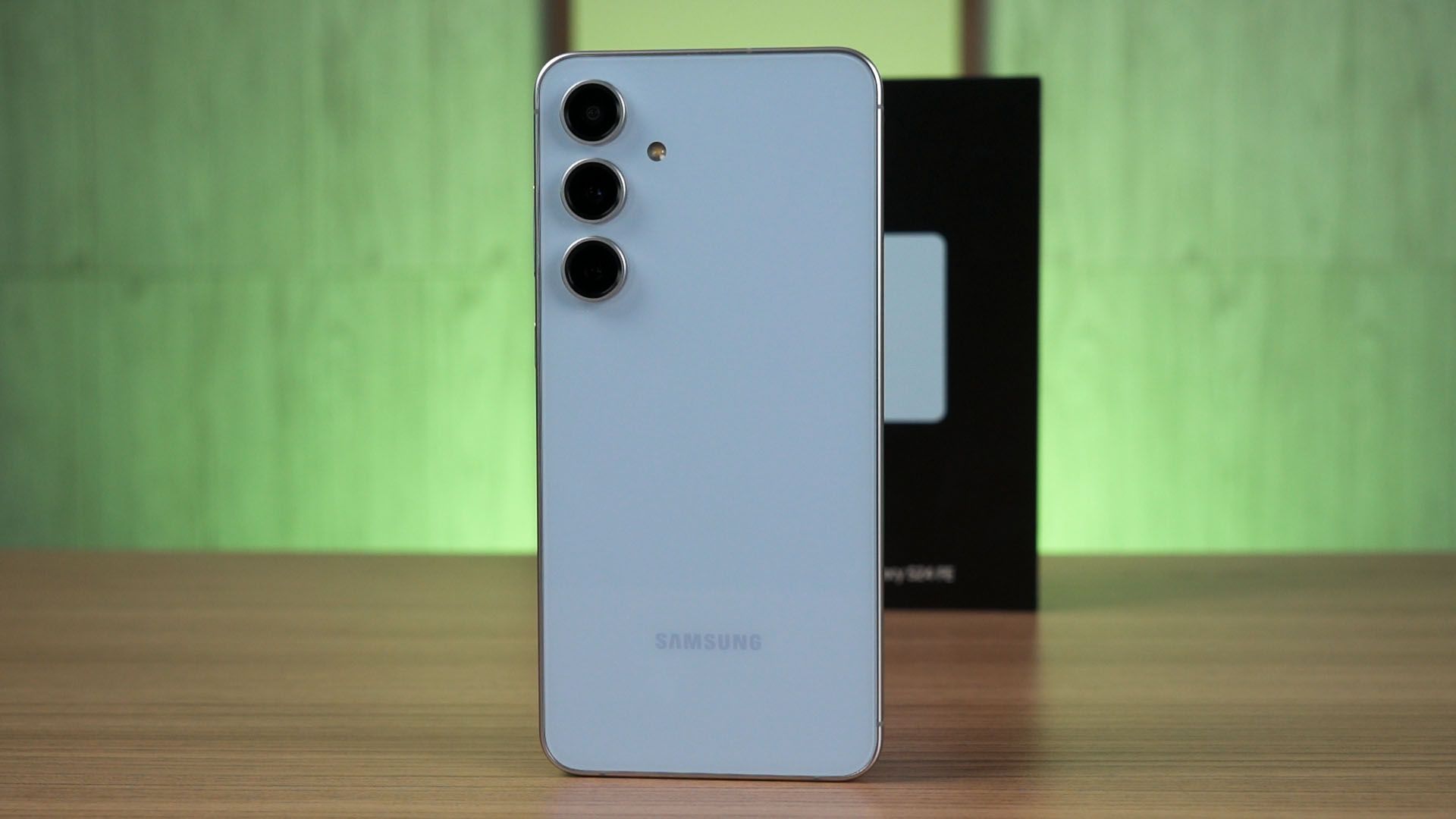
Our particular unit is in blue color, and this other unit is in mint. I like these two colors more than anything else in the lineup.
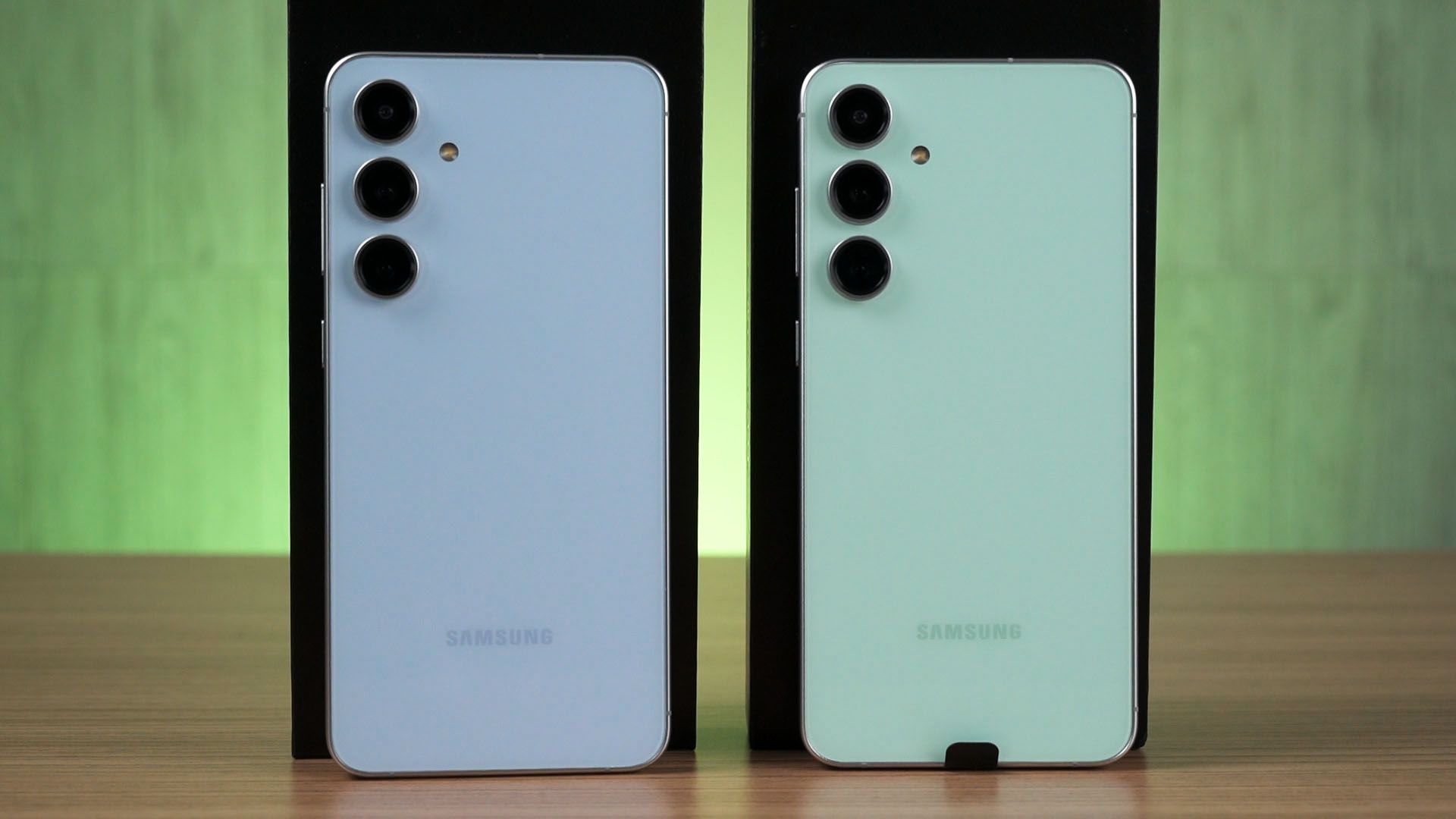
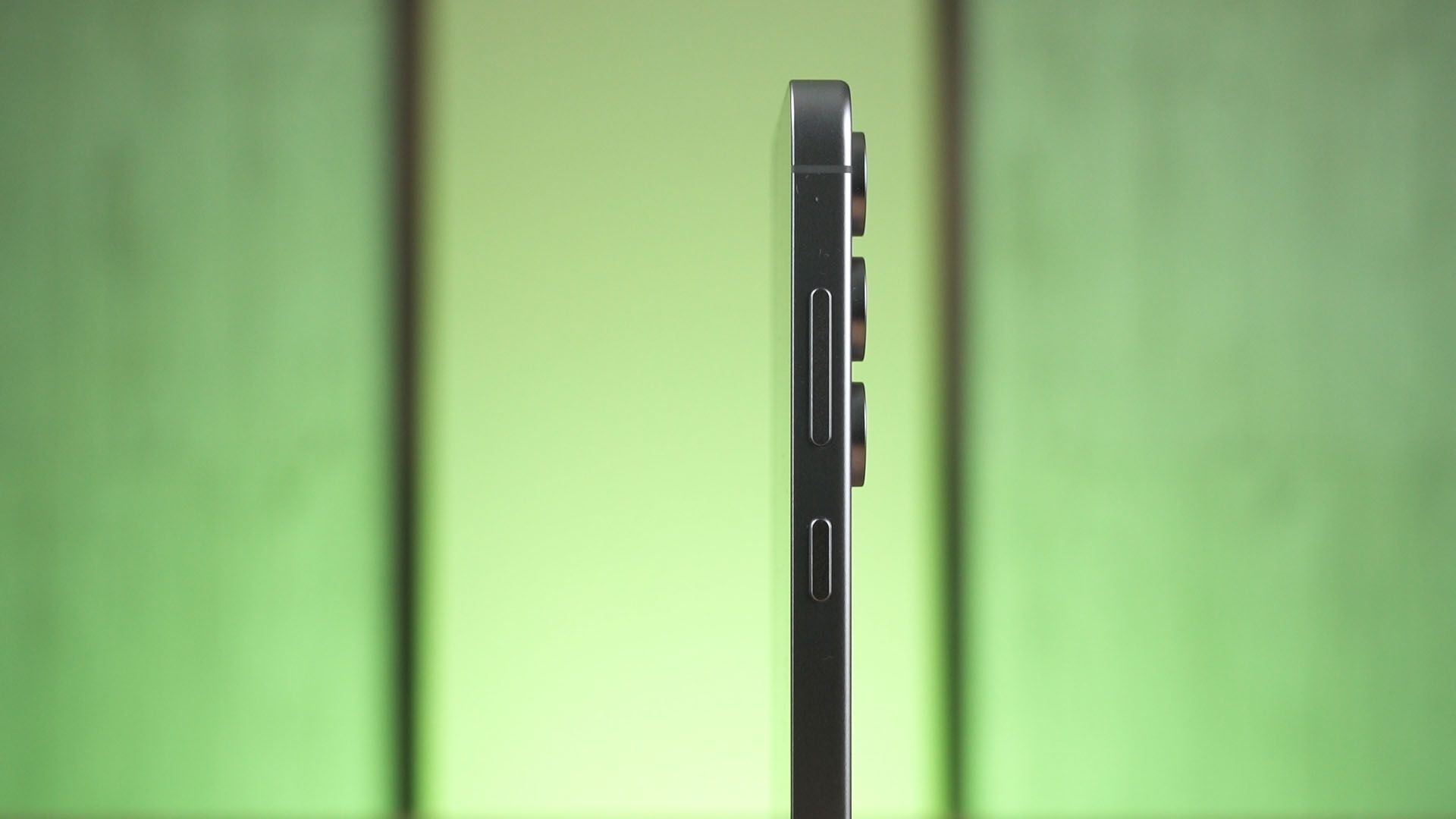
The frame of the S24 FE is also made out of standard aluminium, not Armor Aluminium or anything special. As far as durability is concerned, I think there’s nothing to actually worry about. I still like the rounded corners as it doesn’t stab my palm.
Screen
As for the screen, this phone is using a 6.7-inch Dynamic AMOLED 2X panel. It still goes up to 120Hz refresh rate but the resolution is at 2340×1080 pixels, the same as the S23+. However, I believe that this isn’t the same screen as the previous one.
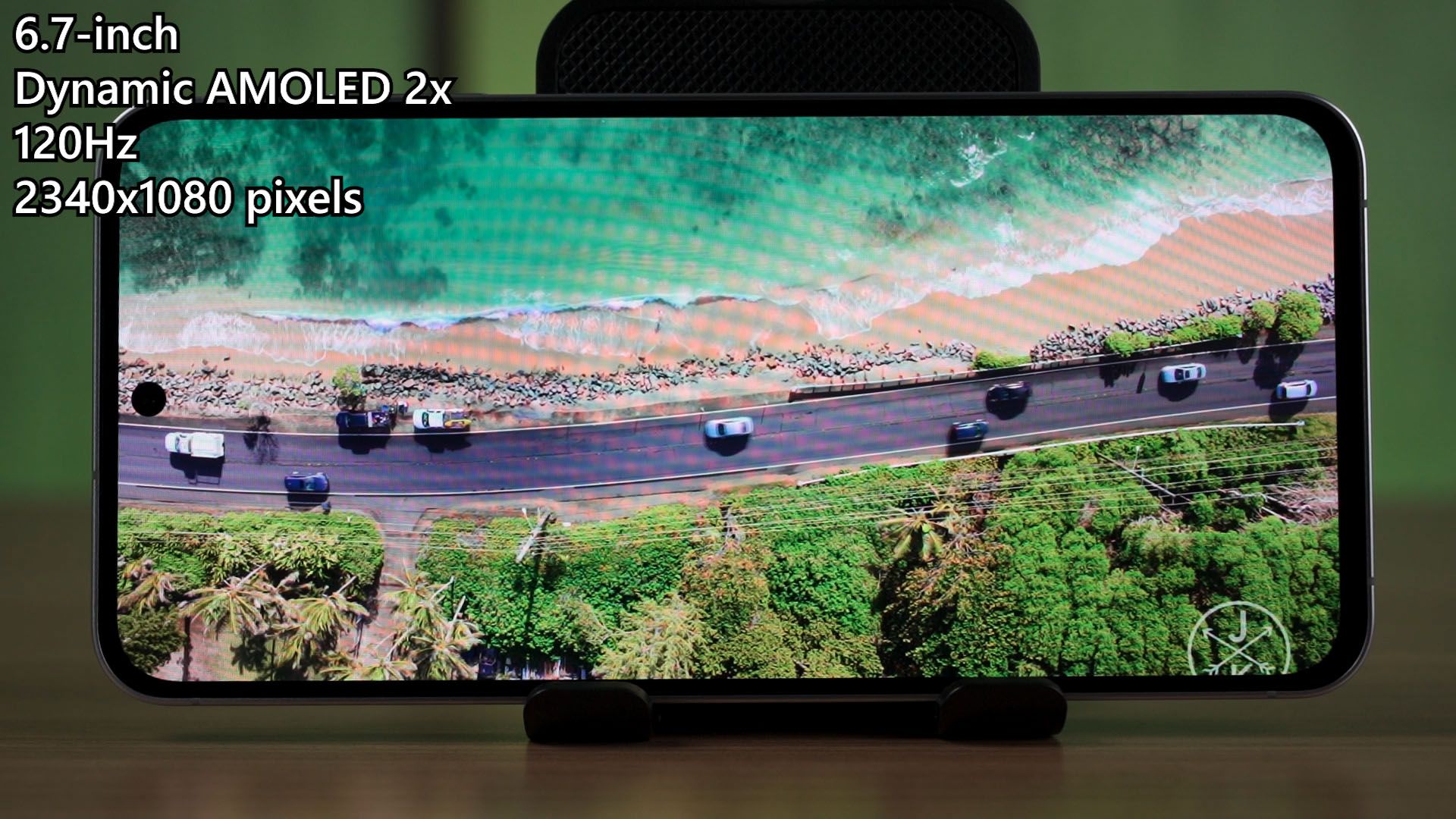
Here’s what I mean. The maximum brightness of the S24 FE is at 1220 nits – which is brighter than before. The color accuracy though, is an interesting one. We’re testing it with the vividness level 3 to have the largest color gamut coverage ever – and our tests show that the FE covers around 100% of sRGB – but only around 96.73% of DCI-P3.
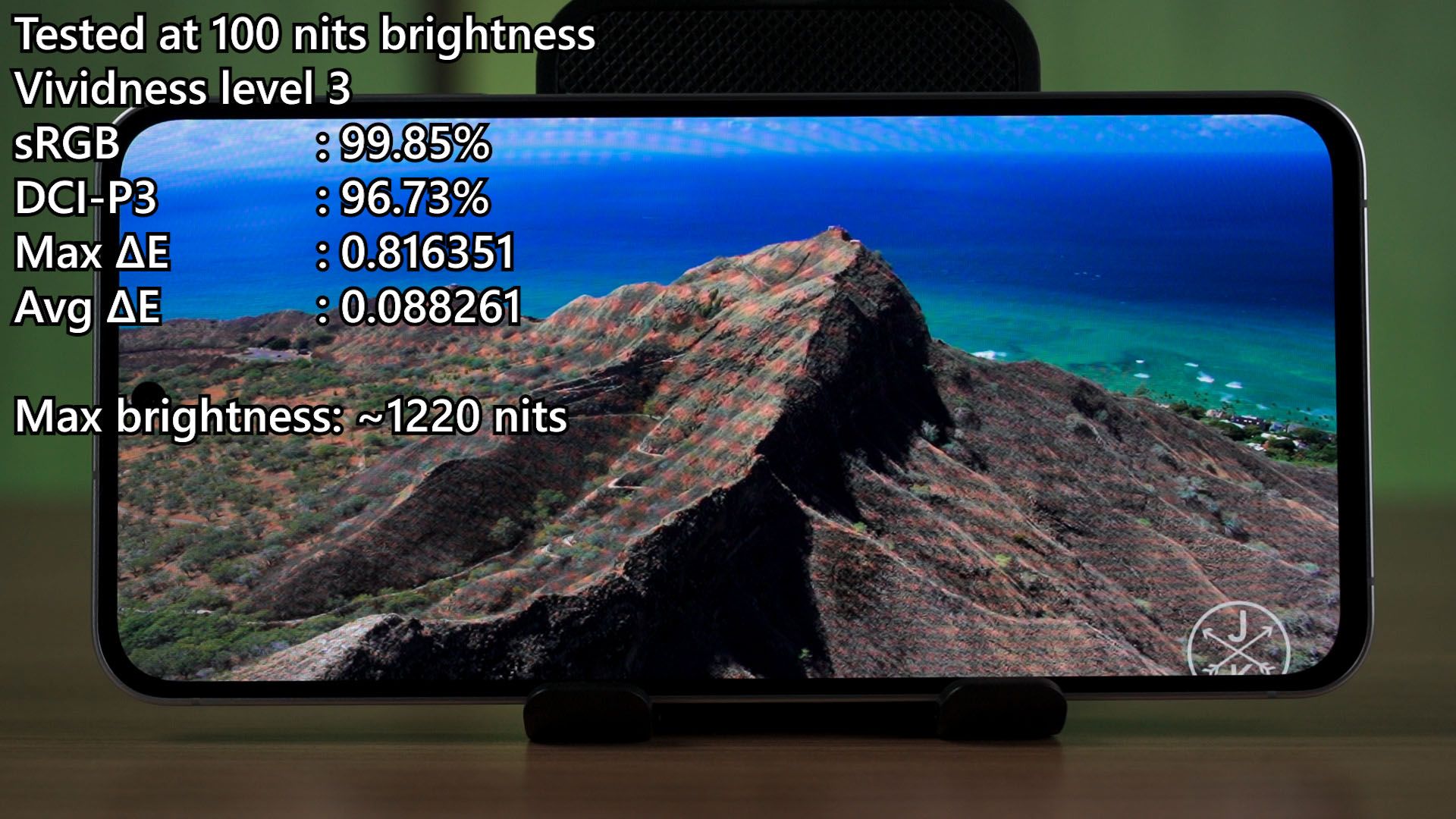
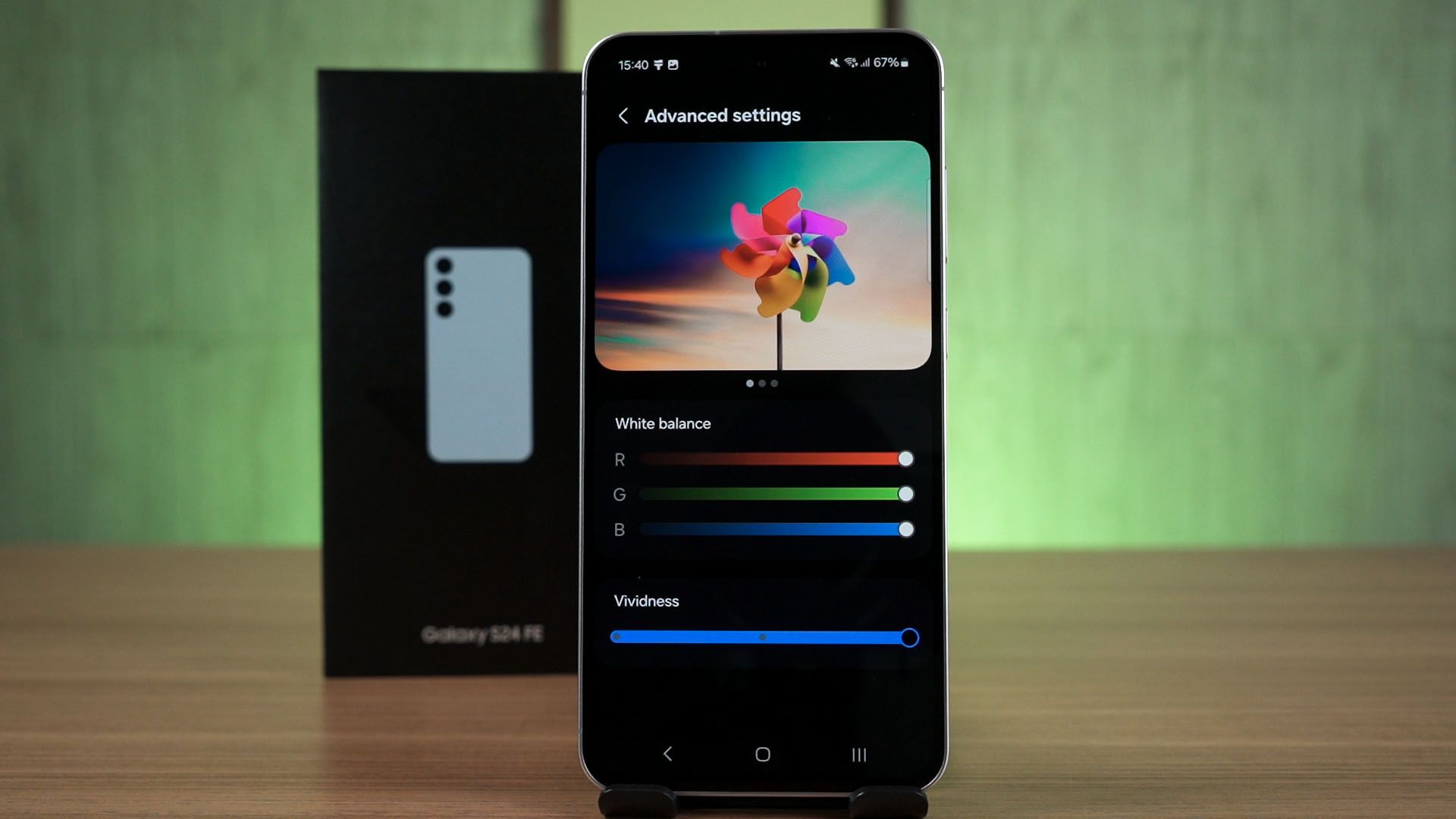
Remember, the color vividness at level 3 should be around 100% of DCI-P3 coverage. It just means that the FE’s vividness isn’t as strong as the S24+, for example. Does it matter to you? That’s up to your own eyes to judge. For me, I ended up using the vividness level 2 on my S24+ and S24 Ultra – and that’s around 96% of DCI-P3 as well.
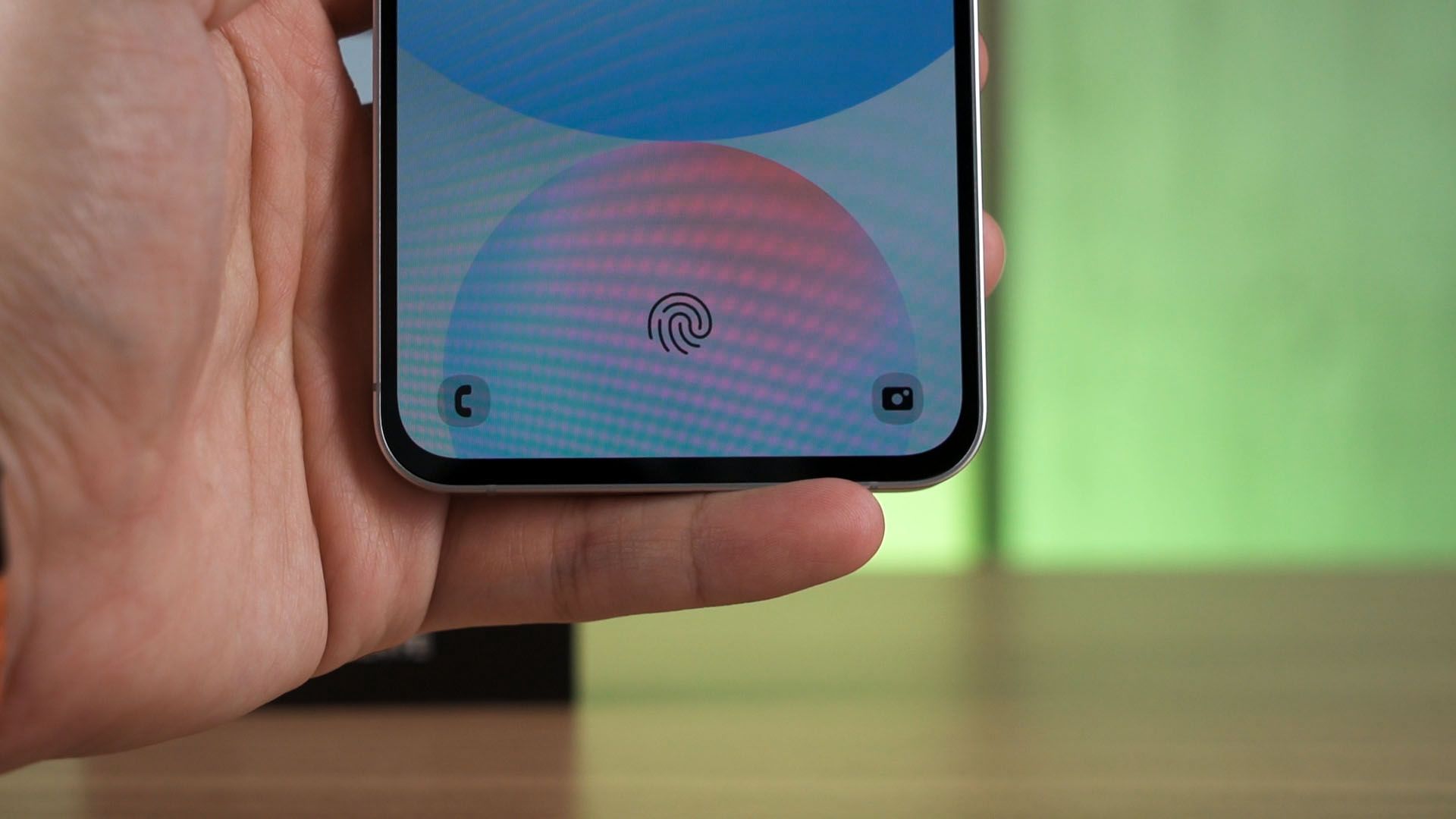
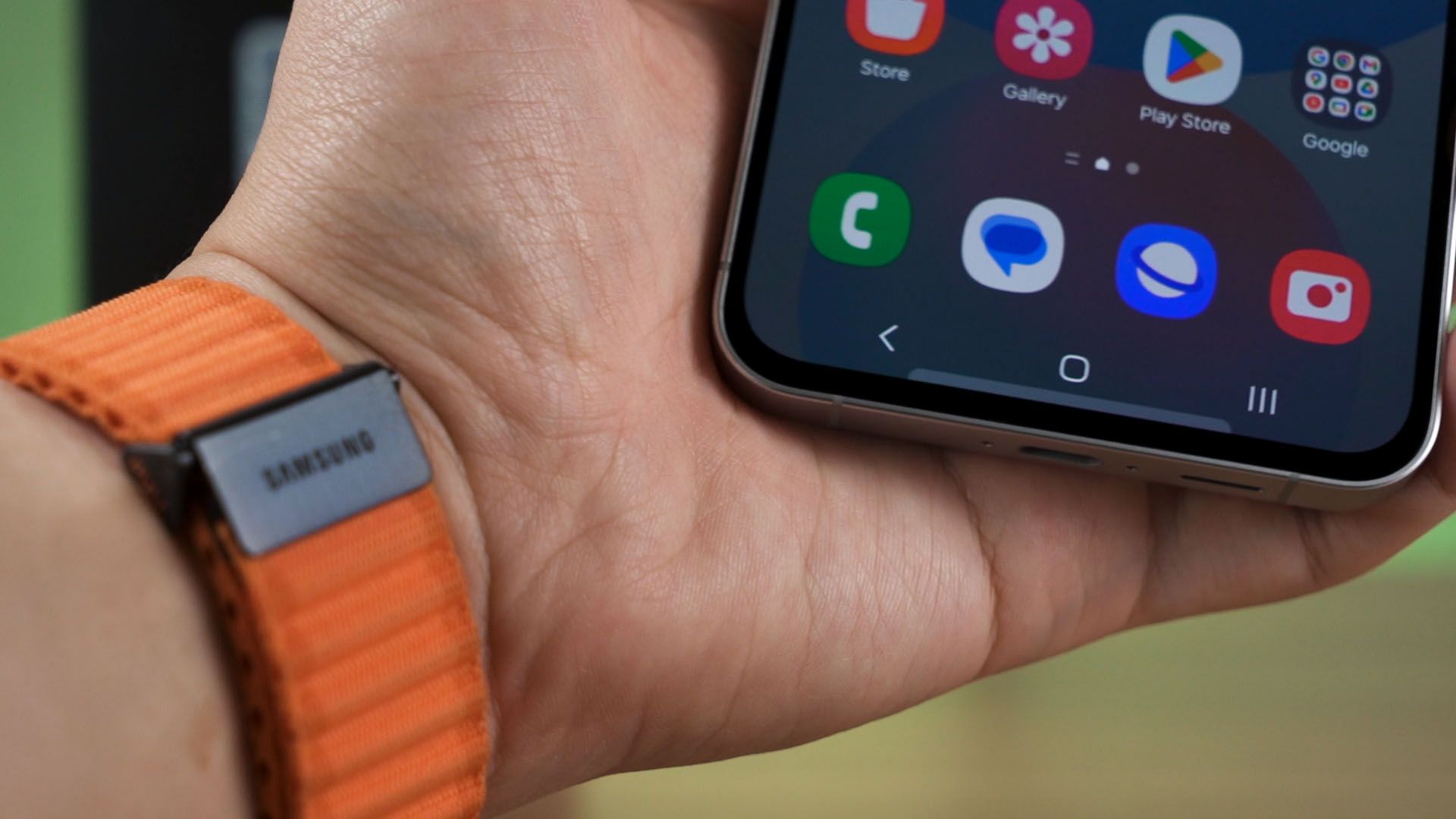
That said, I really don’t like the position of the under-display fingerprint scanner. Why does the FE have its scanner placed so low? It’s just very uncomfortable to use.
Performance
Let’s now also talk about the performance. Of course, this is a big controversial point as the S24 FE is using the Exynos 2400e worldwide – even in the US. Honestly speaking, it’s not an issue at all.
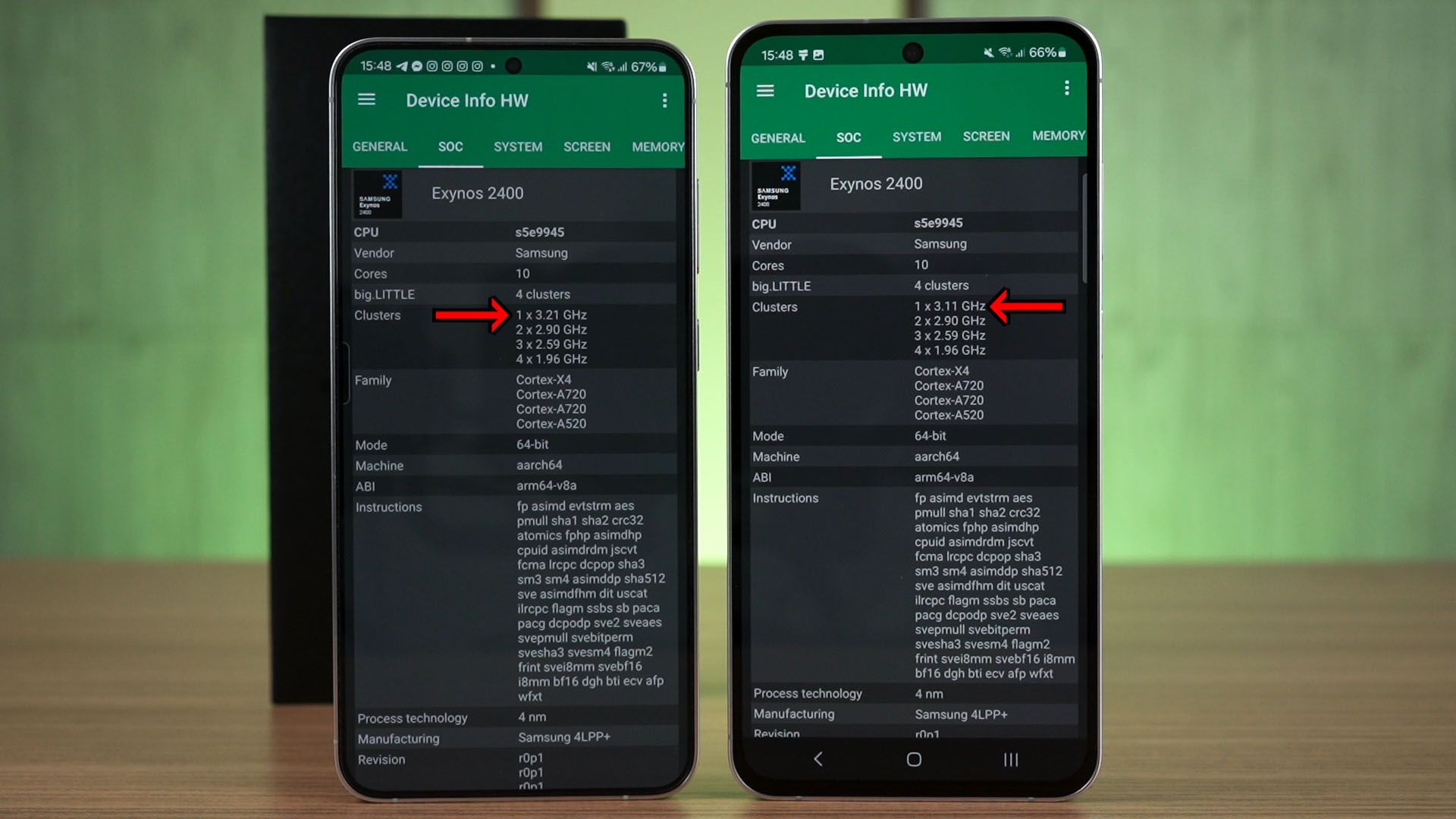
There is a mild 100MHz underclock on the Cortex-X4 core when compared to the original Exynos 2400, but that’s about it. Everything else remains the same.
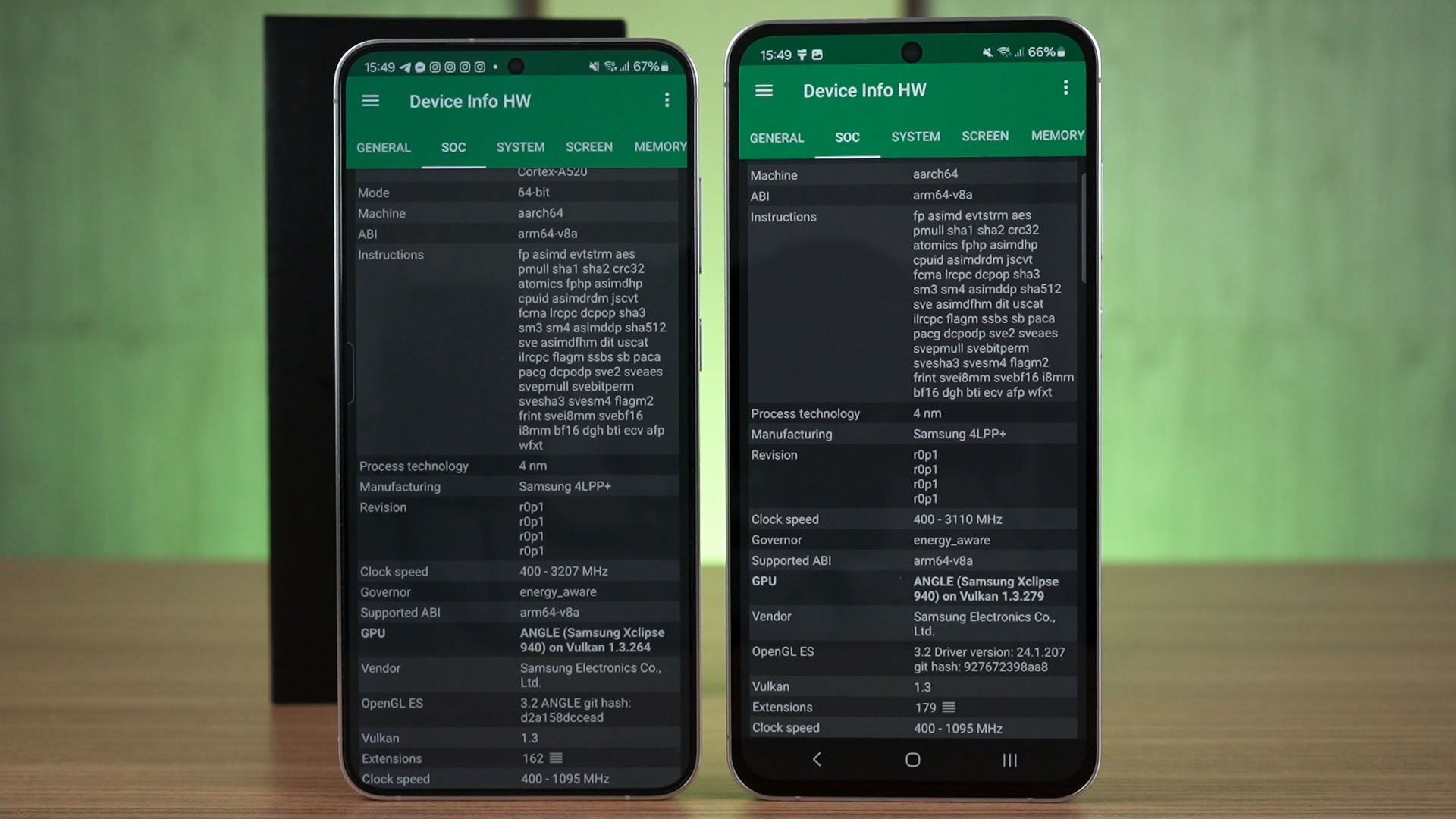
As shown time and time again, the Exynos 2400 holds up very well even 9 months after its launch – and the Exynos 2400e performs identically as well – and it’s actually very similar to the Snapdragon 8 Gen 3 when they both thermal throttled. This is most notable in Genshin Impact as we got around 38fps most of the time.
COD Warzone ran surprisingly well and didn’t have any issues at all, and COD Mobile ran at the native render resolution and also is able to maintain 120fps throughout the entire gameplay.
Overall, this is an amazing phone to play games. There are some bugs here and there, like ZZZ not being able to launch – but I think that is due to the Exynos 2400e being treated as a “new” chipset when compared to the original Exynos 2400. I have no problems playing that game on the S24+, by the way.
Battery life
How about the battery life then? Well, it’s using a 4,700mAh and it lasts for about 13 hours in our standardized battery life test. It’s in-line with the battery consumption of the S24+, which is no surprise since it is essentially using the same chip.
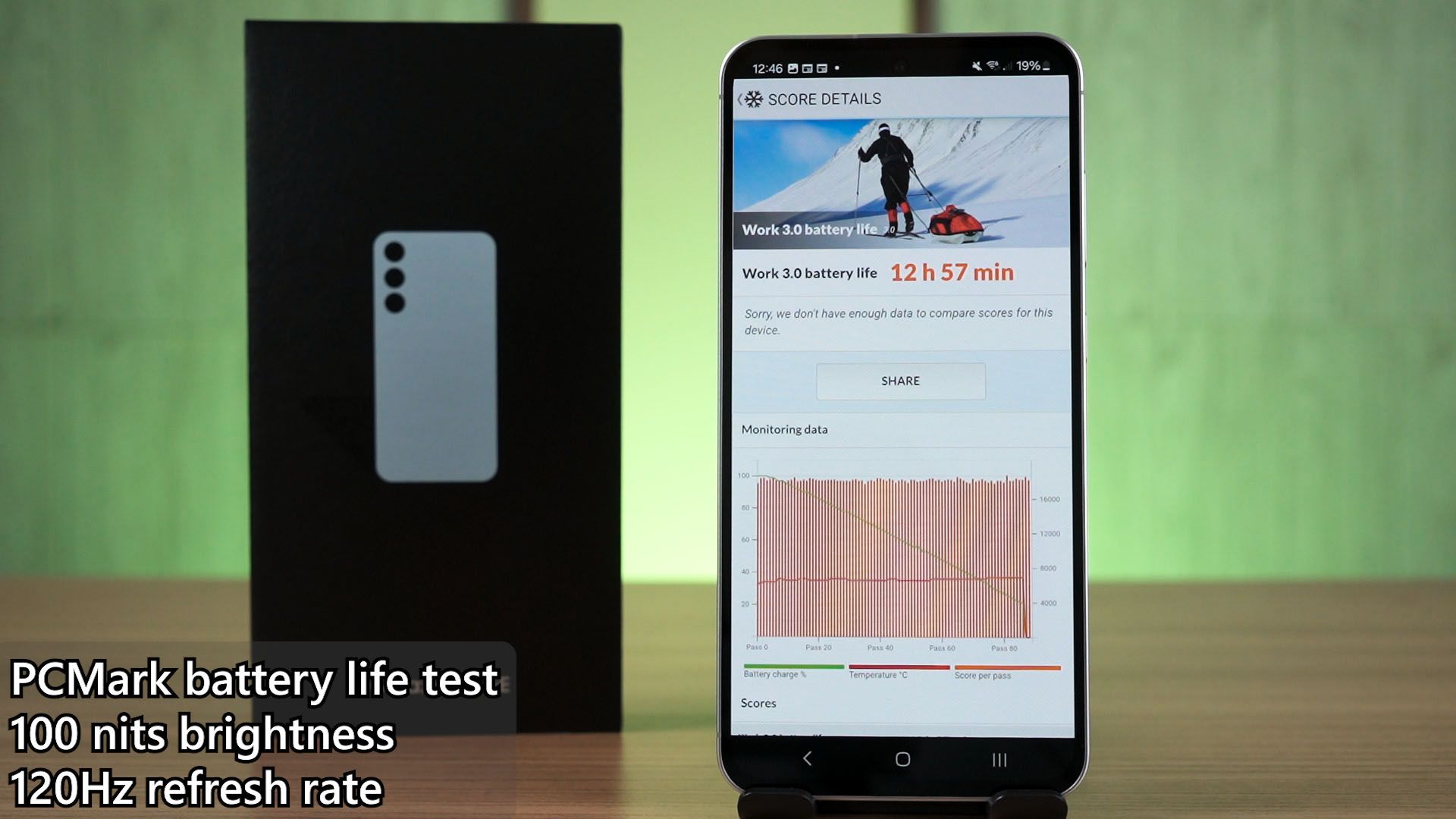
The Exynos 2400 is also more efficient than the Snapdragon 8 Gen 2 – click here to see all of the data.
Charging speed
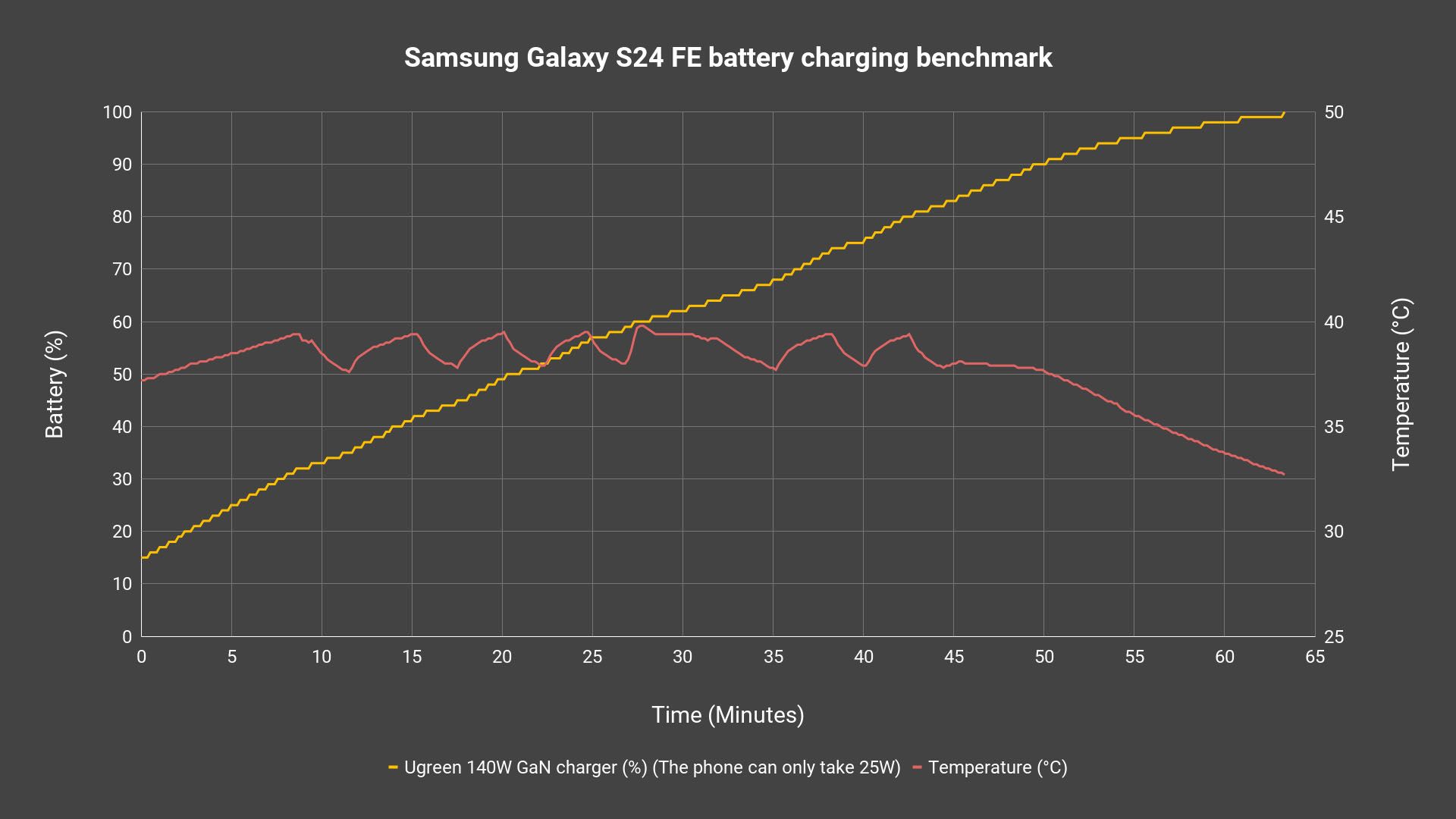
The charging speed is the same as the other FEs that come before the S24 FE. We’re only getting 25W maximum and it can get from 15% to completion in around 63 minutes – which is not far from their other phones with 45W of fast charging.
Software
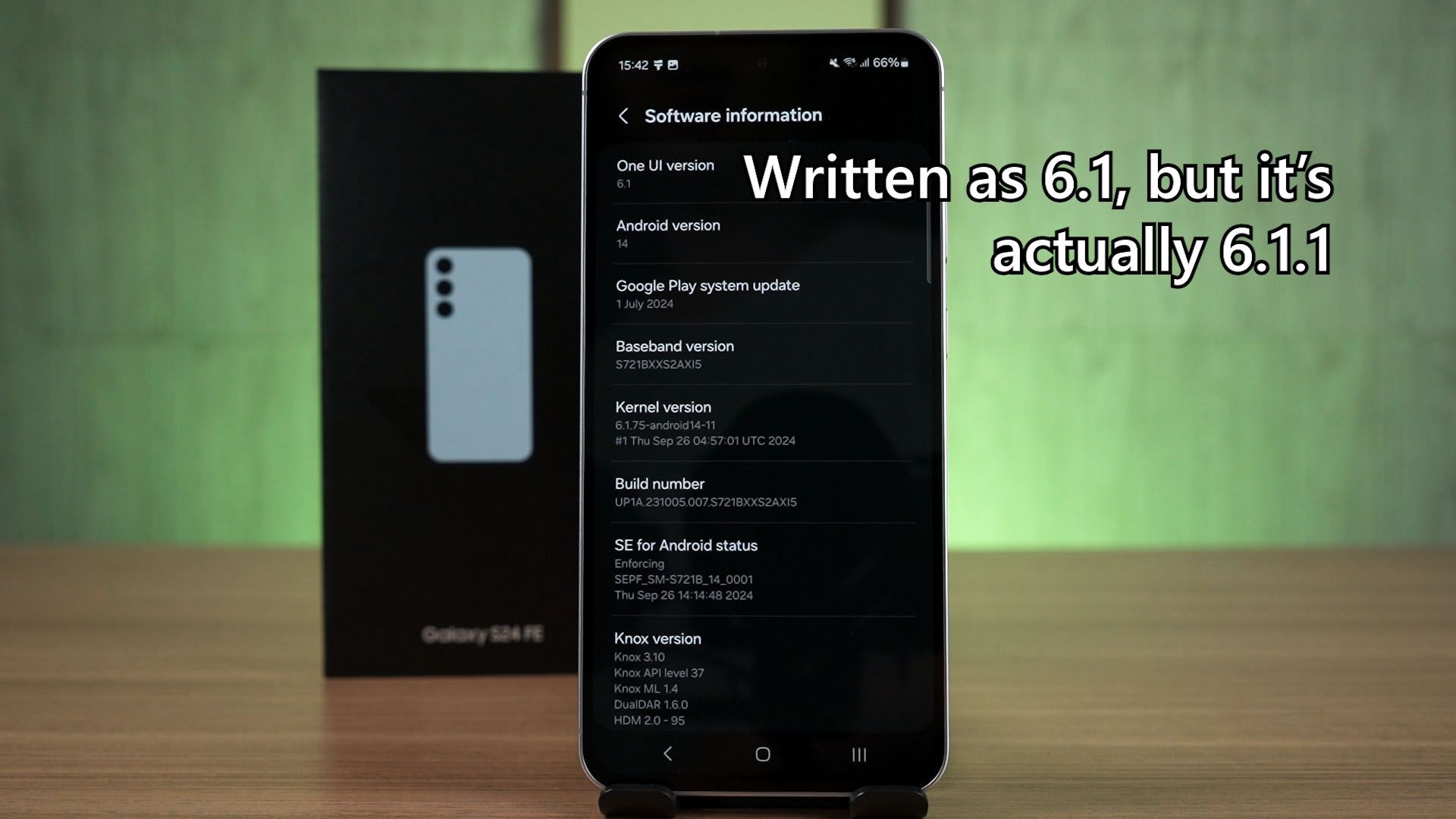
Now, let’s talk about the software then. The S24 FE comes with Android 6.1.1 out of the box – and the software works just like any other Samsung devices.
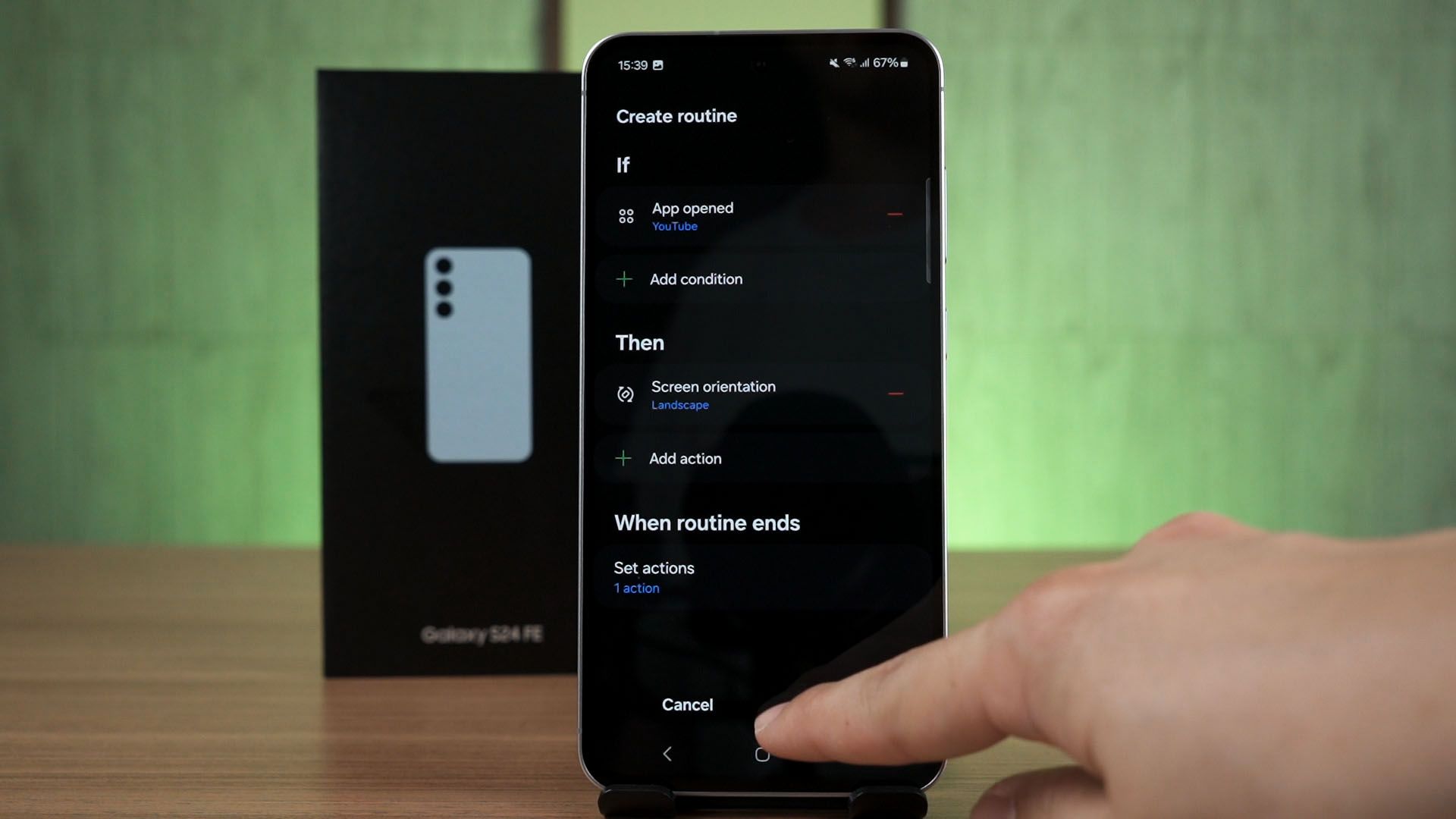
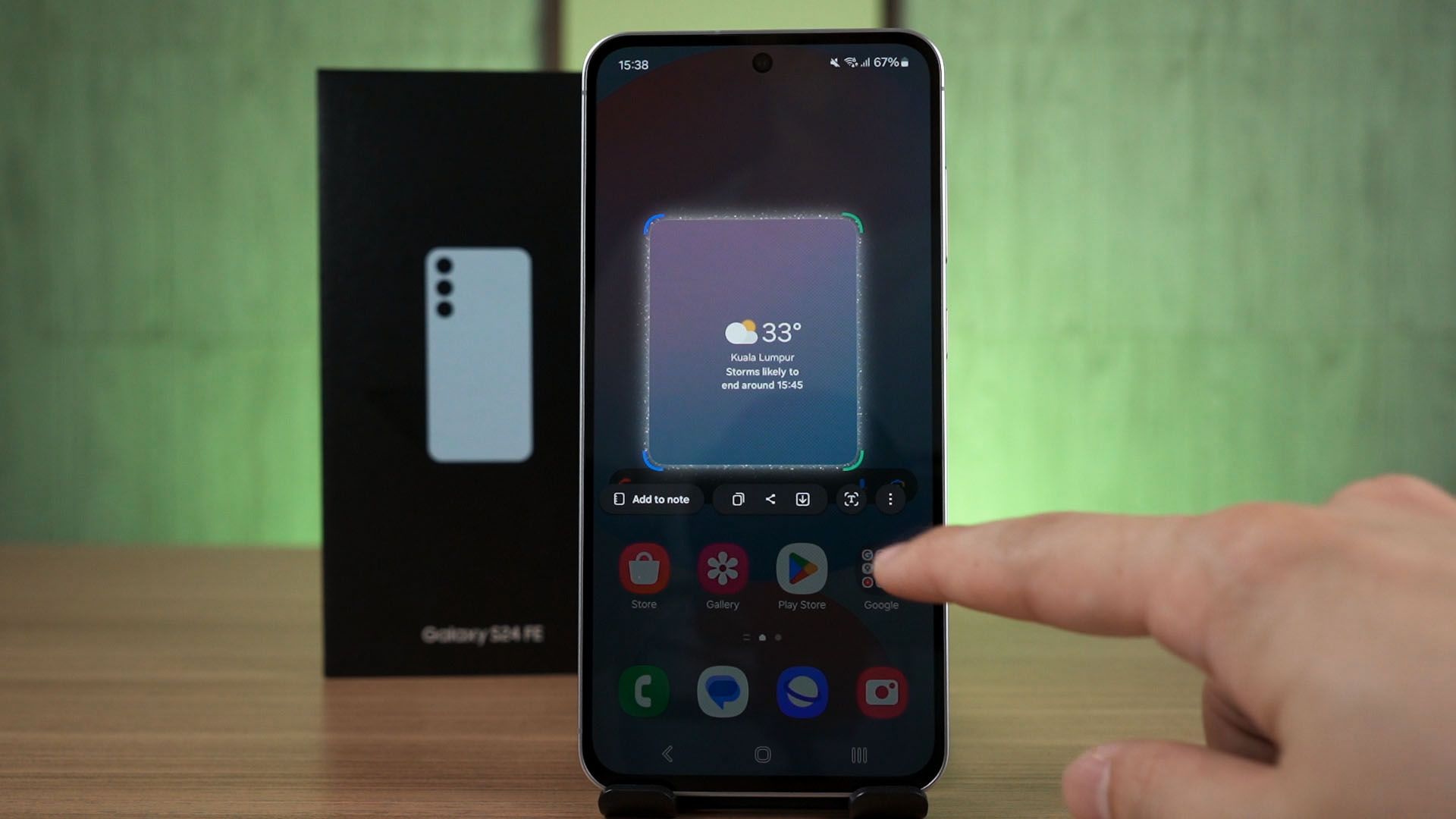
We have the full-fledged Samsung Wallet, the entire Edge Panel – now with the new selector tool to take screenshots, the access to Modes and Routines – and also the entire slew of advanced customization options via GoodLock.
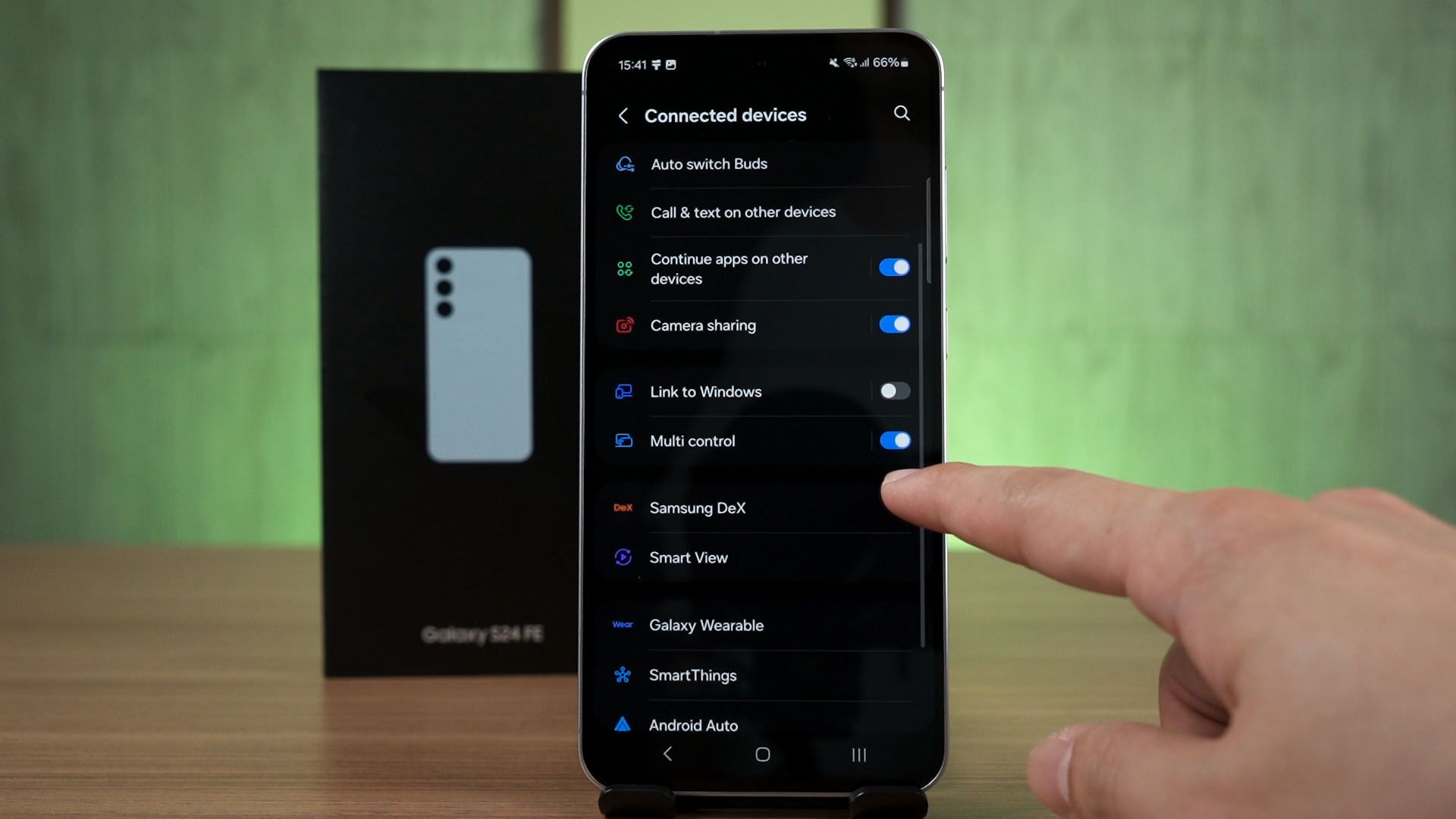
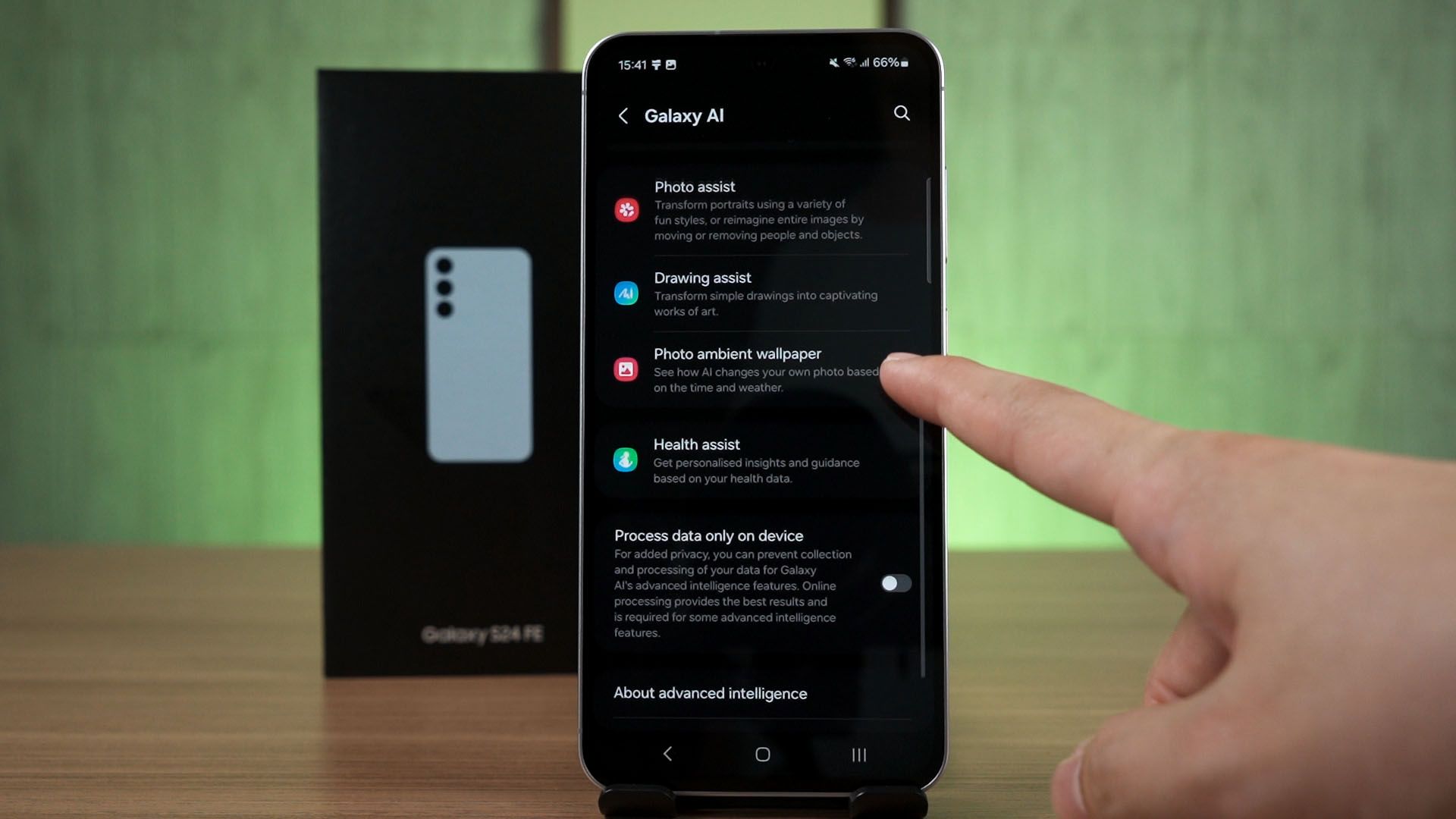
All of the ecosystem features are here as well, alongside with the AI features. This is the full, complete One UI experience and everything is here.
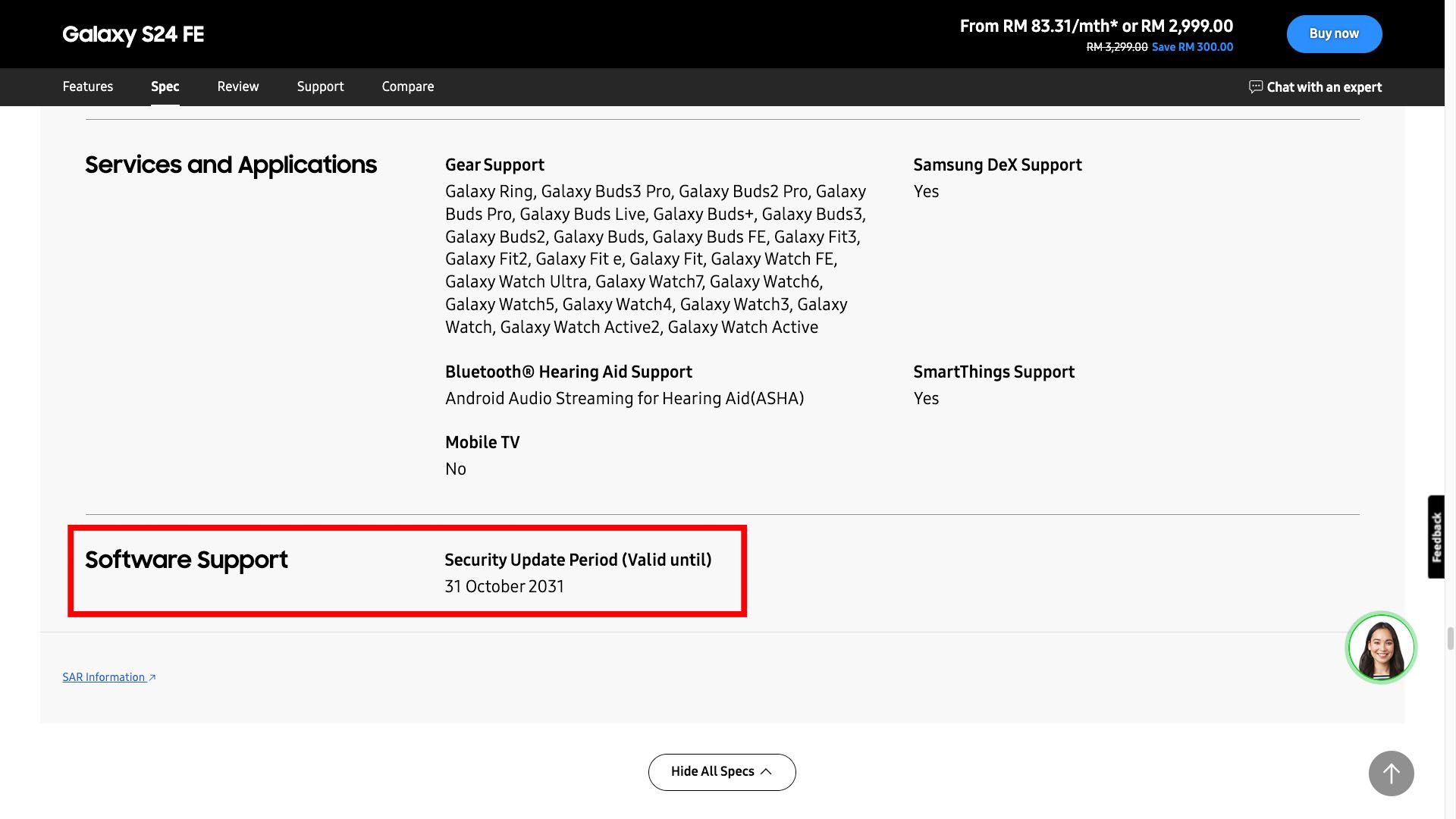
Plus, the S24 FE will also be getting 7 generations of Android OS upgrades and also 7 years of security patches. As mentioned in our S24 FE preview video, I do believe that the upgrade to Android 15 is counted as one generation of Android OS upgrade. The security patches started counting from the day of the launch – so we’ll be getting security patches until October of 2031.
Camera
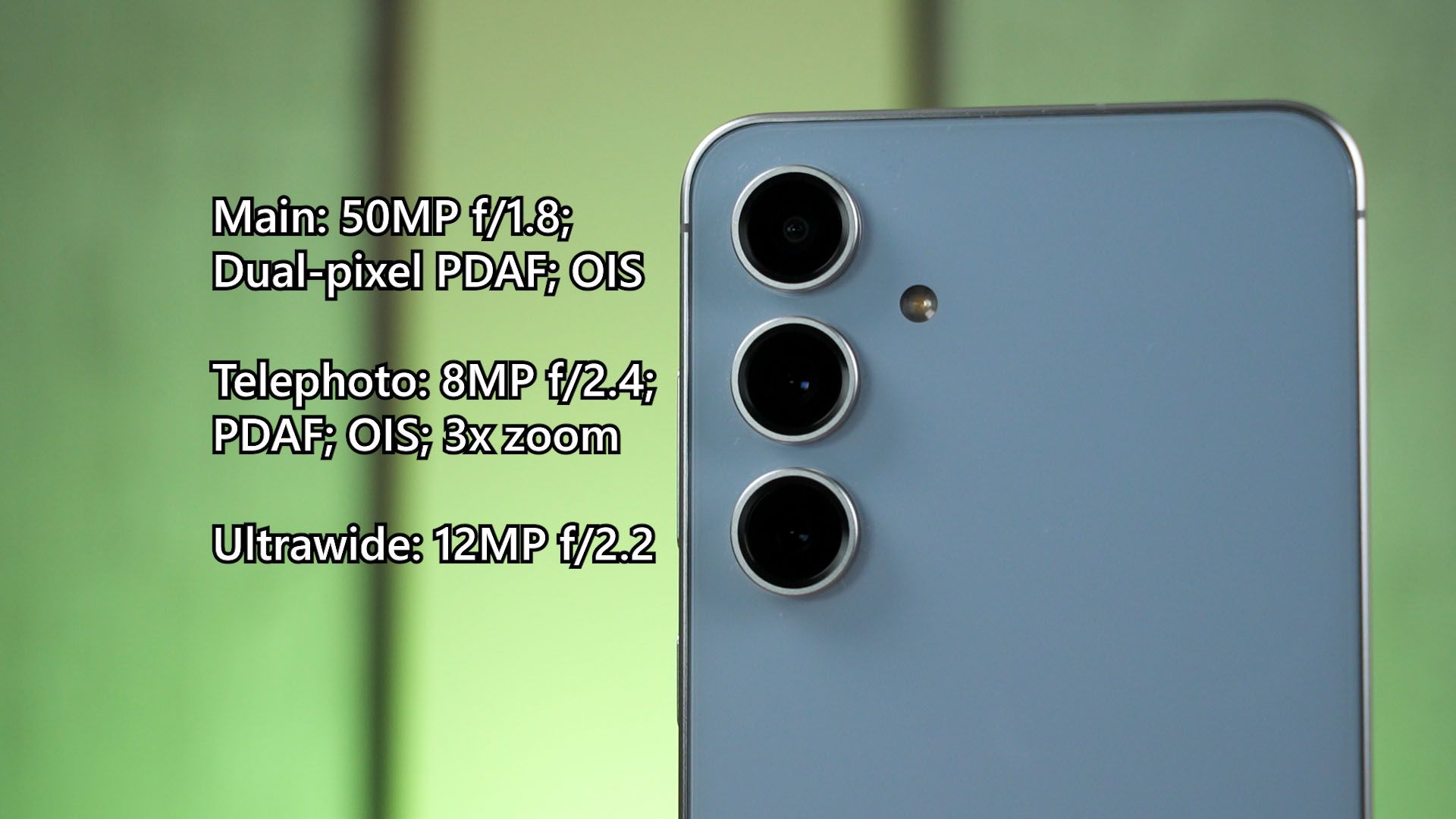
As for the cameras, this is something that I don’t really have the time to test out much yet – and I can tell you that the camera sensors remain the same as last year, and the previous one, and the previous one… Anyway, we have a total of 3 cameras here, and both the main and telephoto has OIS – and that is great.
To see all the pictures taken with the Samsung Galaxy S24 FE, watch our video at the top of this review.
Few more things to mention
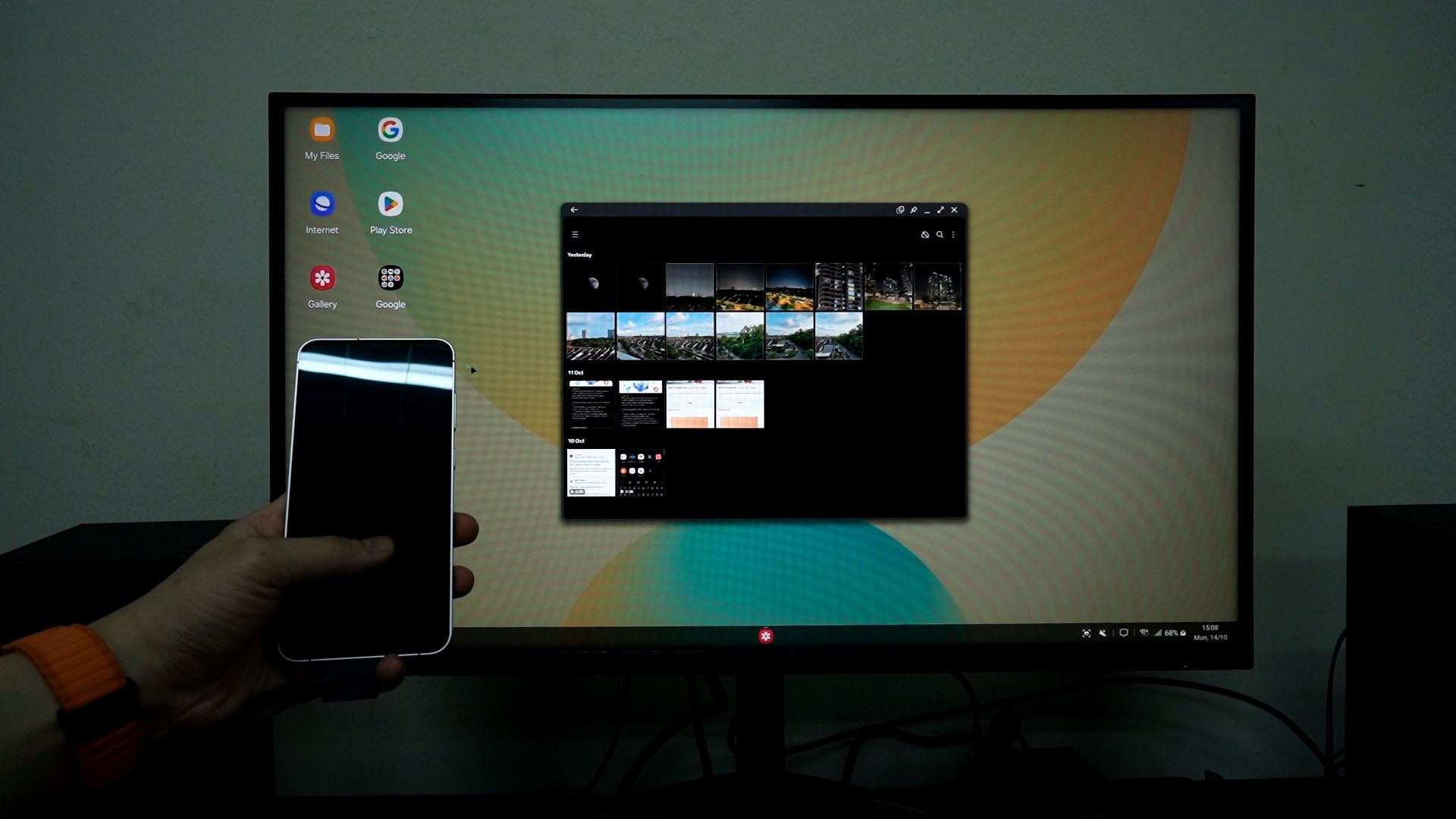
And a few more things to mention – the Galaxy S24 FE is using a USB 3 port at the bottom of the phone – and transferring files in and out is extremely quick. It also supports Samsung DeX, just like other Galaxy S series phones.
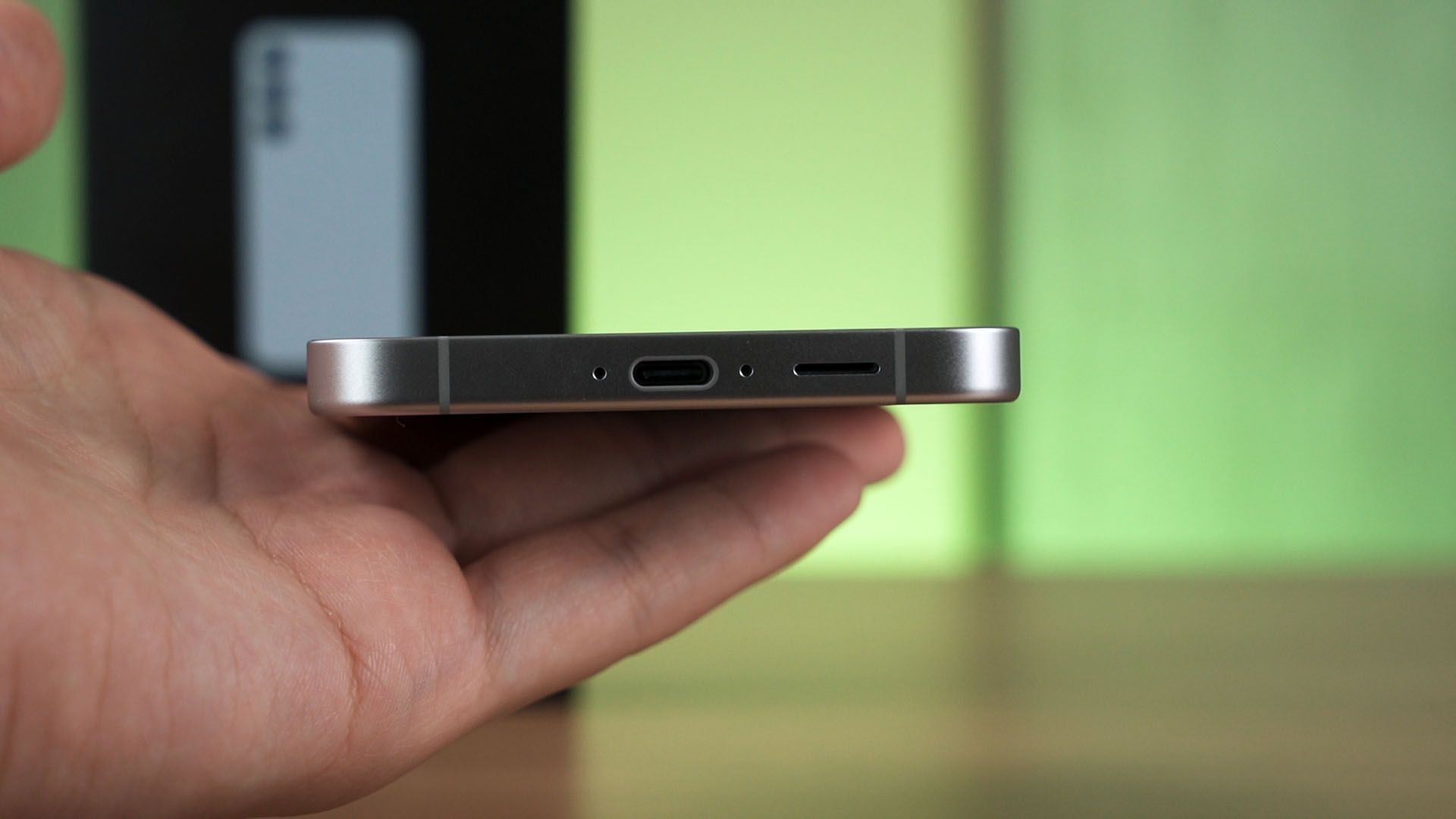
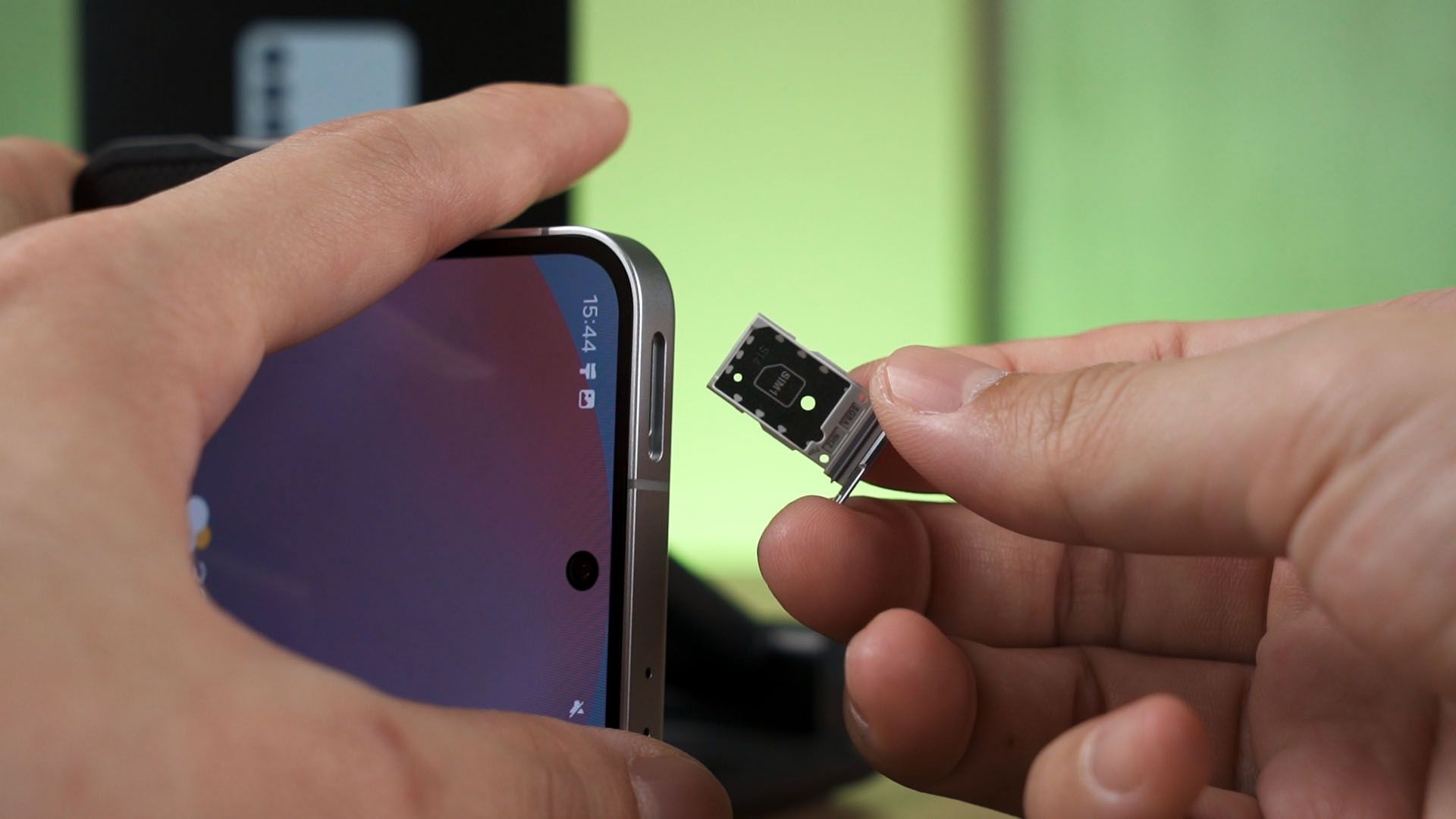
It also has dual-SIM support and is rated for IP68.
Should you buy the Galaxy S24 FE?
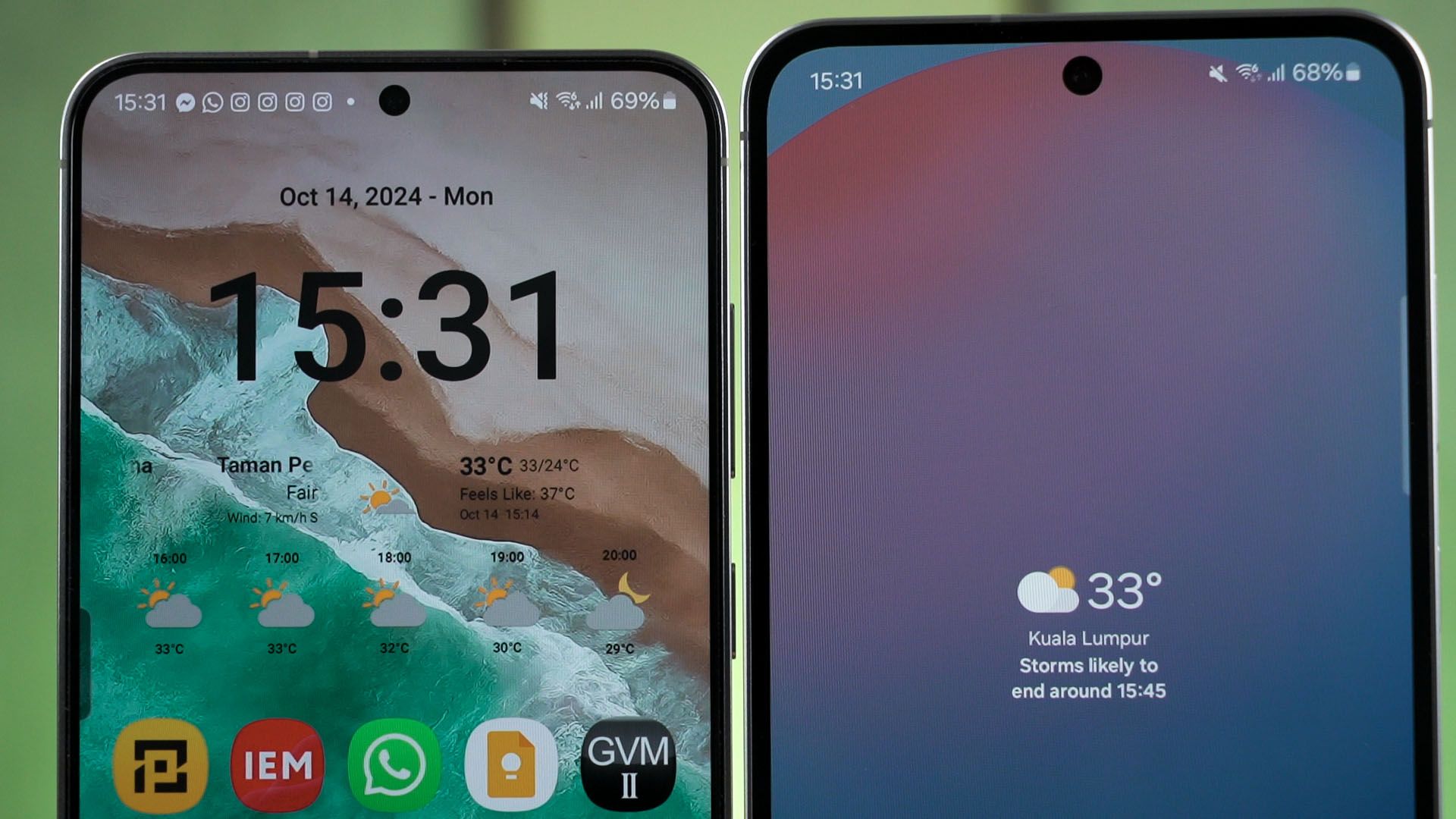
Okay – should you buy it? Honestly, I’d say that it is actually not thaaaaat far off when putting it beside the S24+. Sure, there are some differences that are immediately apparent – like not as thin and the screen bezels being thicker – but other than that, it’s mostly the same thing.
At the price of RM3,299 or $709.99 USD for the 256GB version – never buy any phones with 128GB nowadays – and I’ll have to say that it is indeed a bit expensive. So, I suggest you either take advantage of the trade-in program or get it at a discount.
The alternative to this phone is the Xiaomi 14T Pro that we have reviewed recently. It is lower in price, but there is no OIS for its telephoto camera and the software is also not as good and is filled with ads.
I have to praise the Xiaomi 14T Pro for using the Dimensity 9300+ chipset. It’s a fantastic chipset – even better than the 8 Gen 3. This Dimensity 9300+ chipset is so good to the point that Samsung also used it in the Galaxy Tab S10 series too. We’ll be talking about the tablet really soon.
Where to buy? (Affiliate links)
Like our Facebook Page here at NasiLemakTech.com for more news and in-depth reviews! Also, join our Facebook Group for insightful information and memes!
Subscribe to our YouTube channel too!