












Education is something that we all should pay as much attention as possible, since it affects the lives of our future generation. With the digital age upon us, the method of teaching is shifting as well. While many of my peers have gotten to the “PowerPoint presentation” style of learning, the next generation revolutionizes it with a brand new ecosystem.
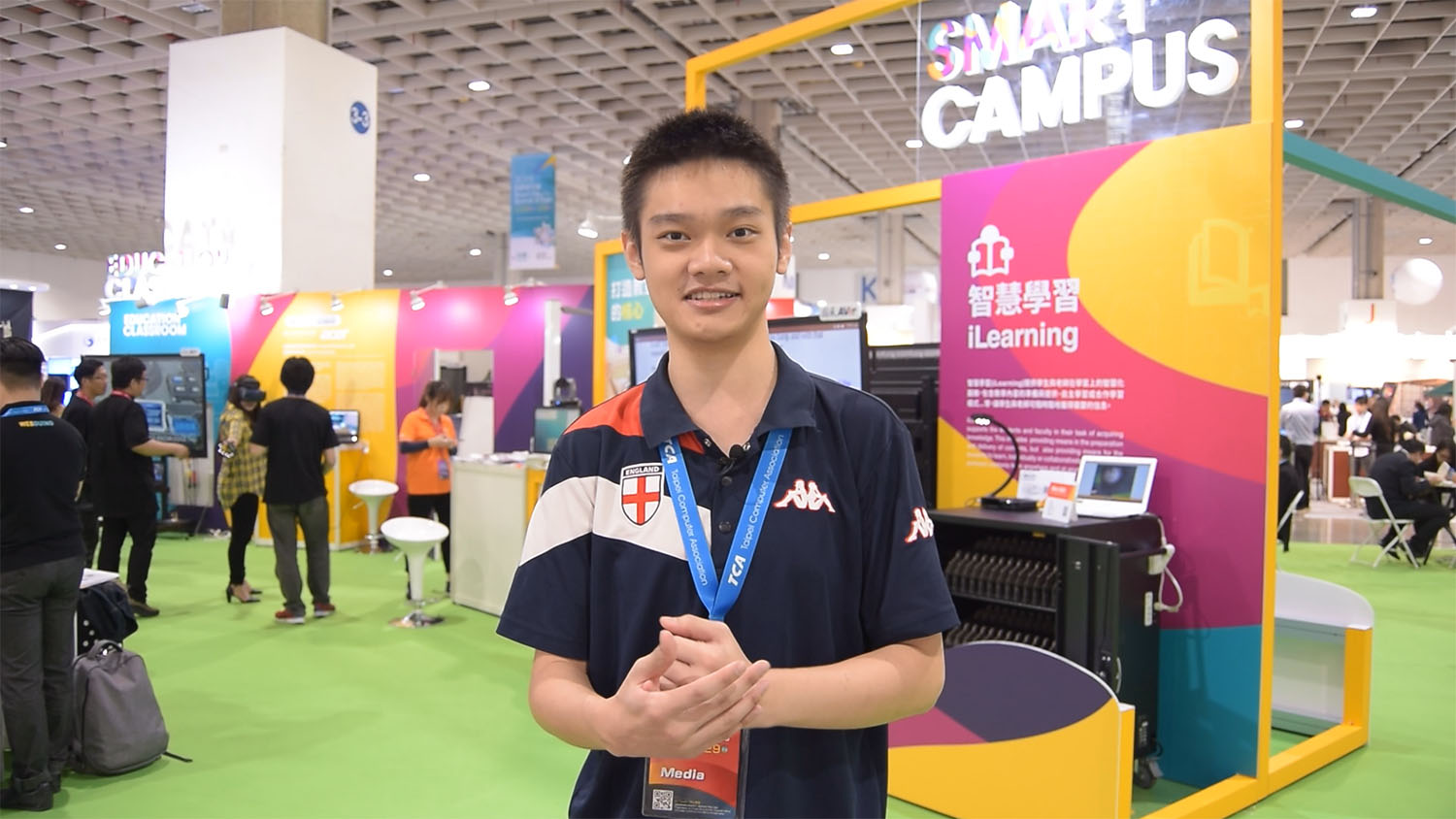
In this Smart Education Expo 2019 which is set within the Smart City Summit & Expo 2019, we saw what the smart learning classroom is all about. It comes with a few parts, and we get to experience some of it.
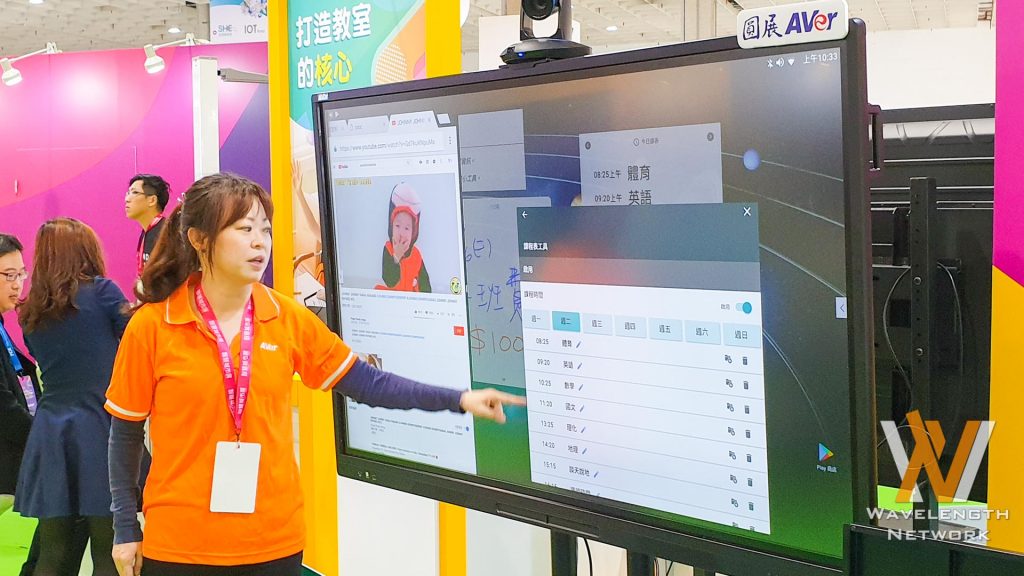
First one we got to experience is the big touchscreen monitor that is running on a modified version of Android. It comes with a whiteboard-like home screen where you can scribble as much as you like, and also shortcuts for teachers to open up PDF files.
Once the PDF files are opened, the modified version of Android has a tool at the edge of the screen which brings up the highlighter tool. You can then scribble on top of the notes, making additional comments and whatnot.
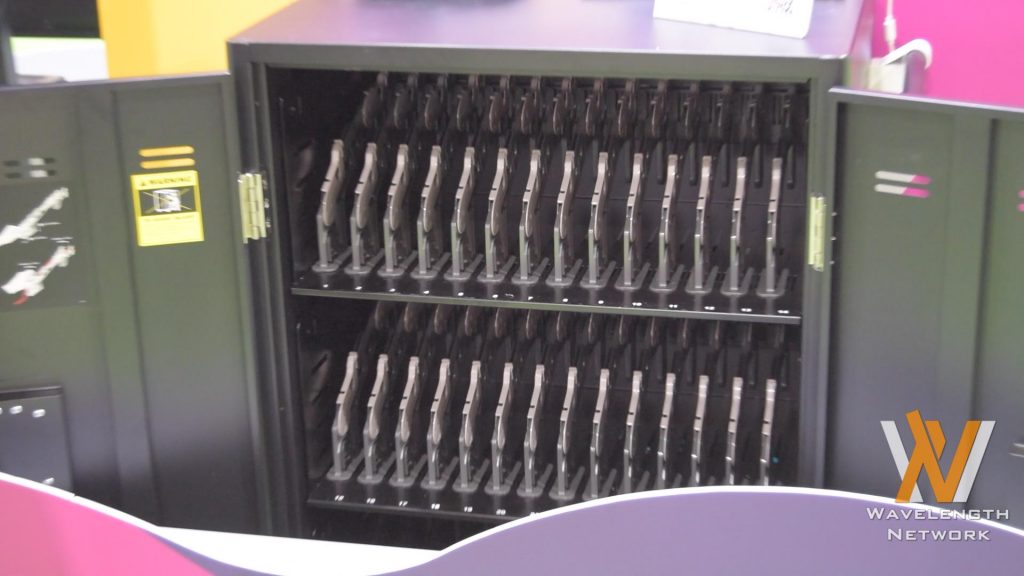
It is also expected that each and every student in the classroom will have a battery-powered smart device. That means everyone needs to charge their device – and hence there is a rack whereby all smart devices can be charged simultaneously. They are arranged like books in a library and has a built-in cable manager, making everything neat, tidy, and easy to access.
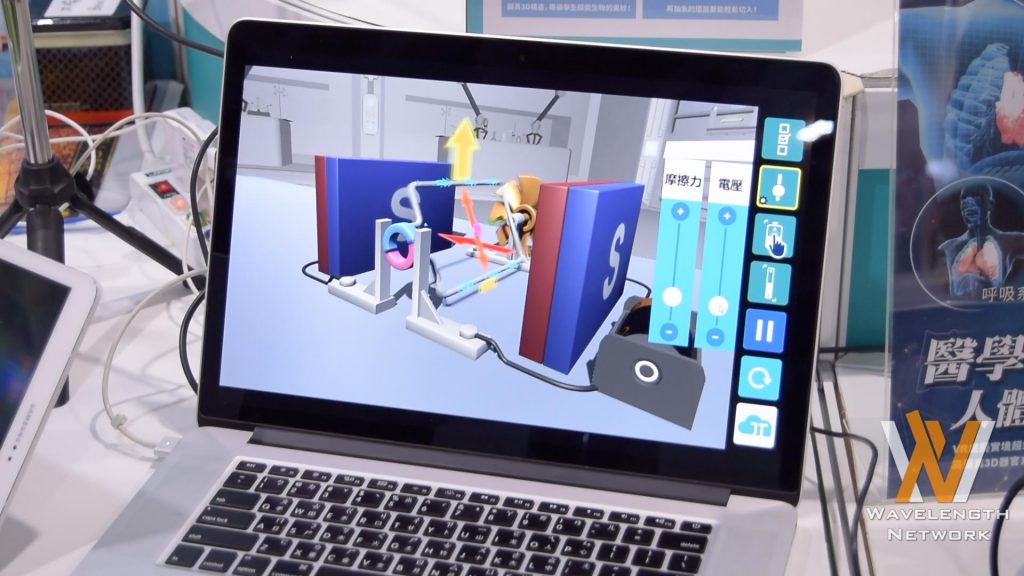
The next part of smart education is from the visualization of how things work. This is especially helpful in putting some of the more abstract concepts of science into something easily understandable. Take turbulence and eddies for example. Van Gogh’s painting of The Starry Night has the perfect depiction of eddies and how it causes turbulence.
This whole suite of interactive animations are made available for 4 main scientific subjects currently – geography, biology, chemistry, and obviously physics. From what the representative has told us, there are 600 different simulations that are currently available.
However, they are only available in Chinese for now. Translation to Japanese has began as Japan has already started to implement these interactive simulations in their education system. We honestly wish that it will be translated to English soon as it is a very useful tool to understanding science in general.
Some of these modules have also been ported into VR. We tried out the 3D visualization of how the human heart and lungs work through a VR headset with a smartphone. I saw the simulation of how the human heart beats and the direction of the blood flow with each blood pump in VR.
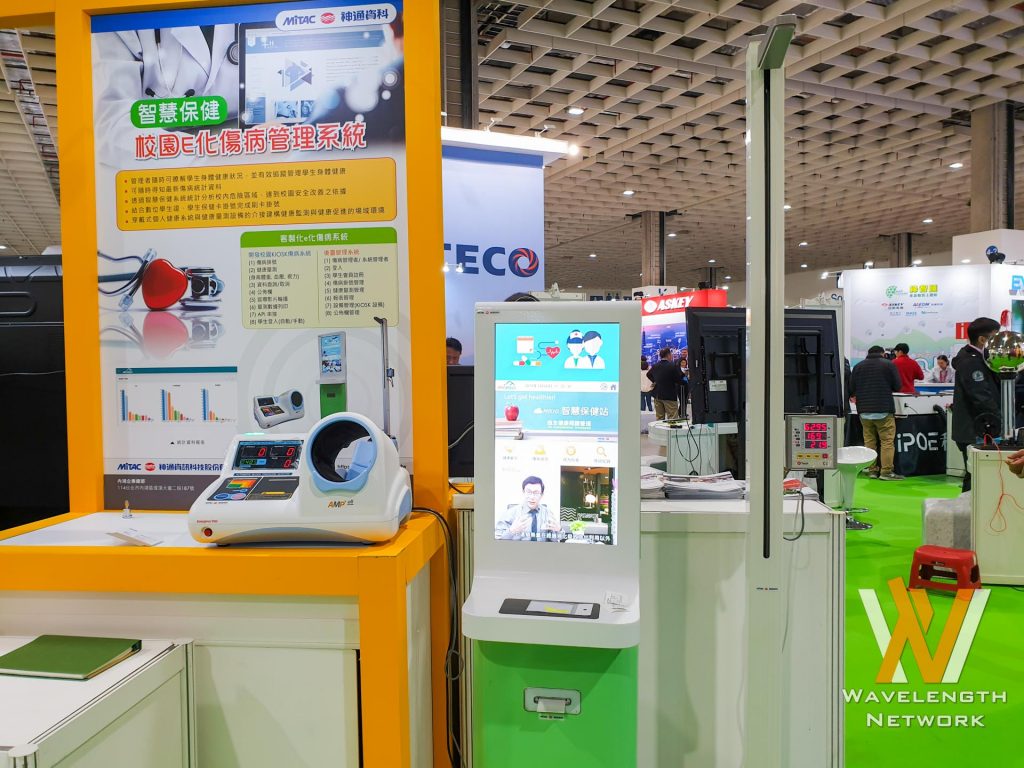
Then there’s the smart campus side of things too. It is actually an interesting concept as it makes basic health-checking a self-service activity with these tools. For students, you have an ID card that is NFC-enabled. Place it on the main terminal and you can measure your own weight and height, and it will calculate & record your BMI into your ID card.
There is another machine there too, which measures your blood pressure and your pulse. All of these are self-service and works by just the touch of a button.
It is definitely interesting to see how the future of education and learning will turn out. As the word of Robert Ting, the “future ICT technologies such as AR/VR 3D printing, mobile app, cloud computing, and other interactive devices are making learning as a personalized and collaborative activity”. It sure is fun to learn together while at your own pace, isn’t it?
Like our Facebook Page here at NasiLemakTech.com for more news and in-depth reviews! Also, join our Facebook Group for insightful information and memes!
Subscribe to our YouTube channel too!