














Samsung first debuted their Galaxy C-series lineup of smartphones last year – but the people don’t really know about it here in Malaysia. Now, Samsung pushes forward with the brand new Galaxy C9 Pro – the latest and greatest addition into the Galaxy C-series. Just how exactly does it hold it to our tests?
Let’s find out – part by part.
Unboxing
Pretty basic Samsung box, actually. Nothing particularly special here.
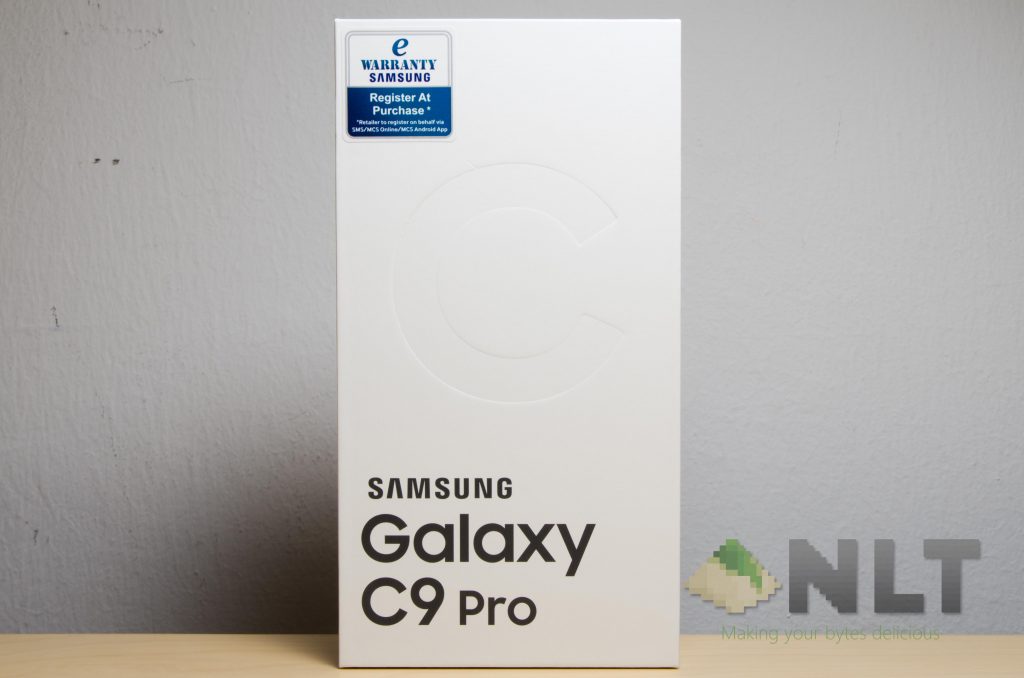
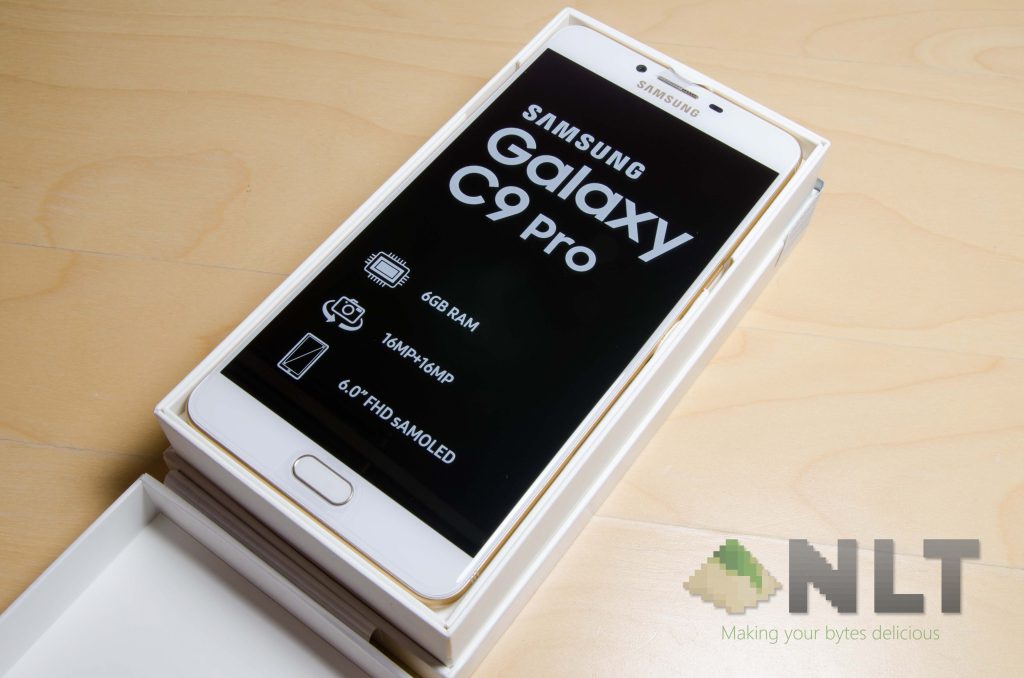
Opening up the box reveals the humongous phone.
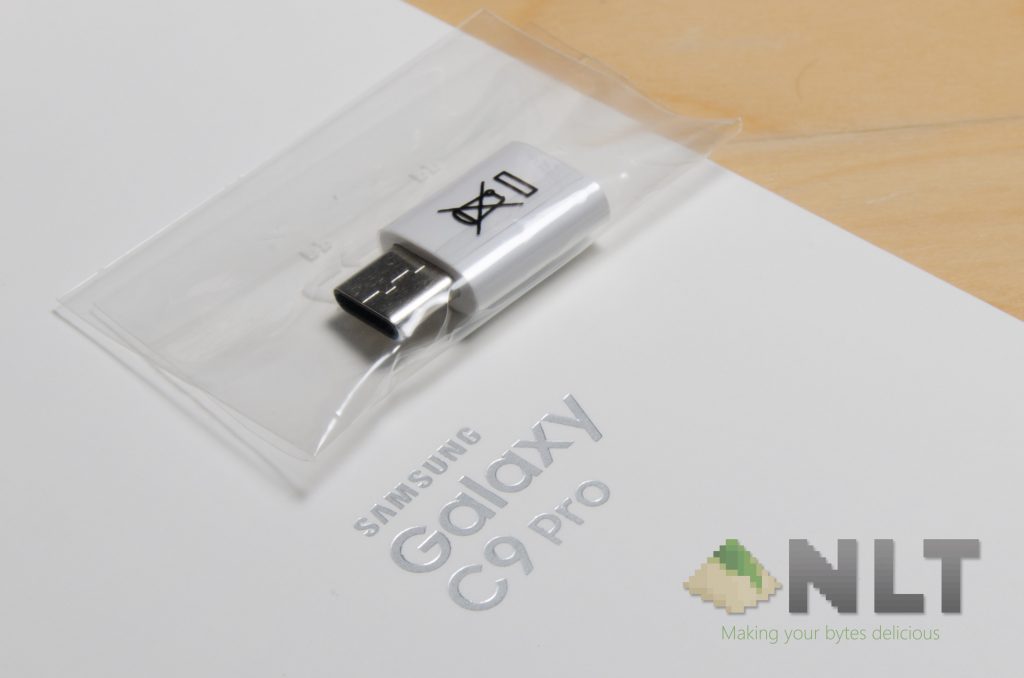
Underneath the phone are the documentations, charger, USB-C cable, and earphones. Typical stuff – except for the little microUSB to USB-C converter. This little thing right here might be tiny, but it’s definitely the most useful piece of accessory during this transition of USB standards.
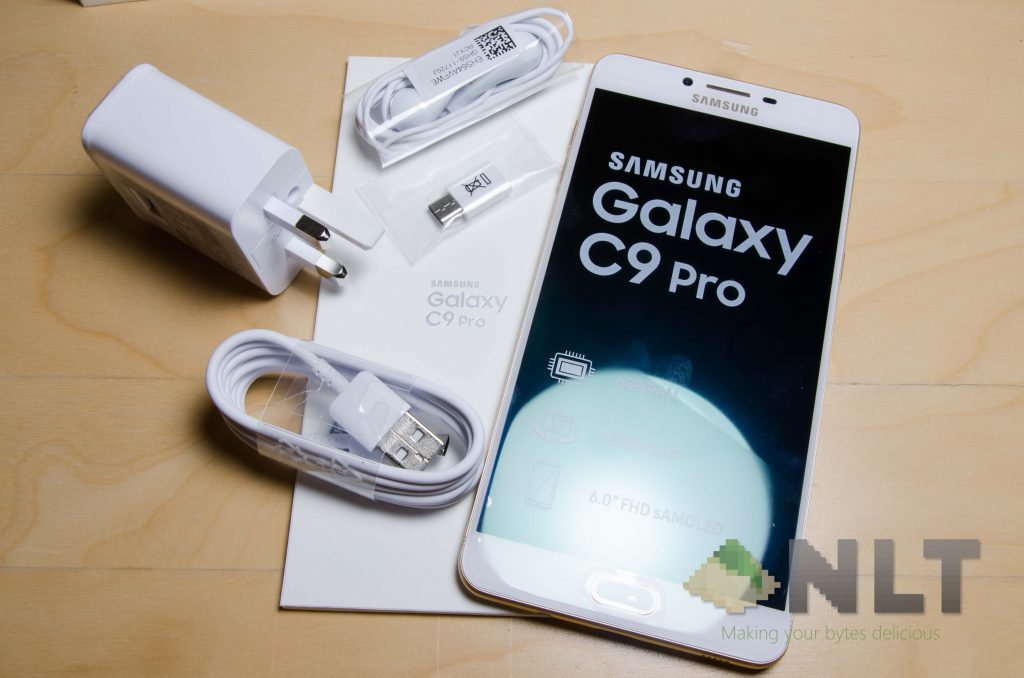
At this point, I’m quite confused with lack of an included case for the phone. I mean, many smartphones that cost less expensive than the Galaxy C9 Pro has an included case in the box itself – be it a TPU case or a hard case.
Anyway, I digress. Let’s move on with the review.
[nextpage title=”Design”]
I have to say, the Galaxy C9 Pro is thin. Really thin. However, the design of it in overall… is with that Samsung signature look that we all know now.
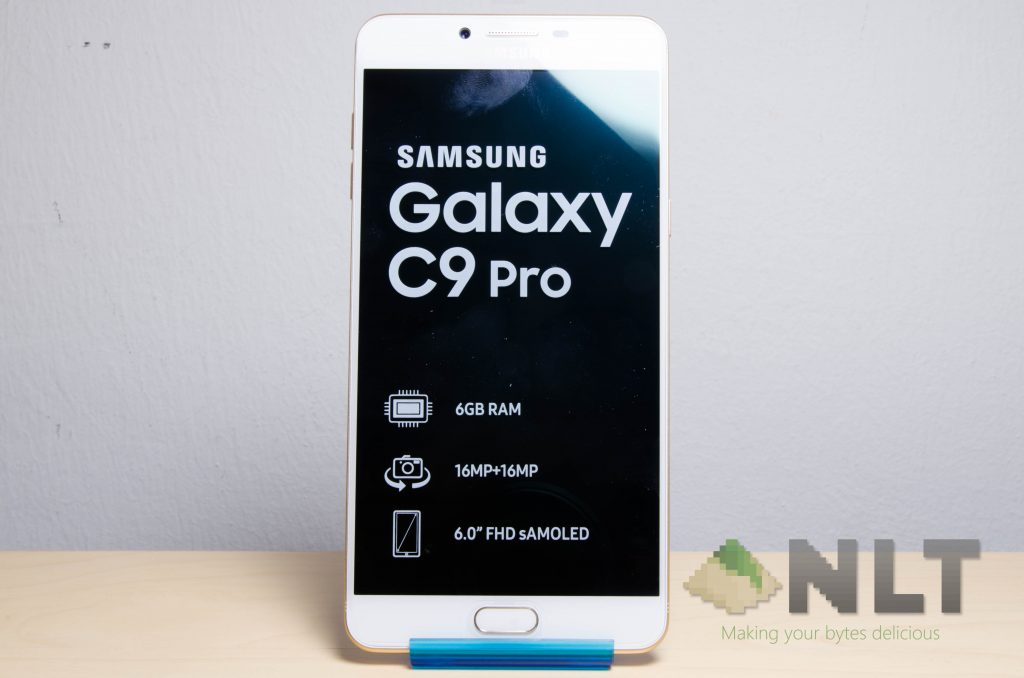
With a huge screen at the front, it’s quite difficult to sway away from this design, actually.
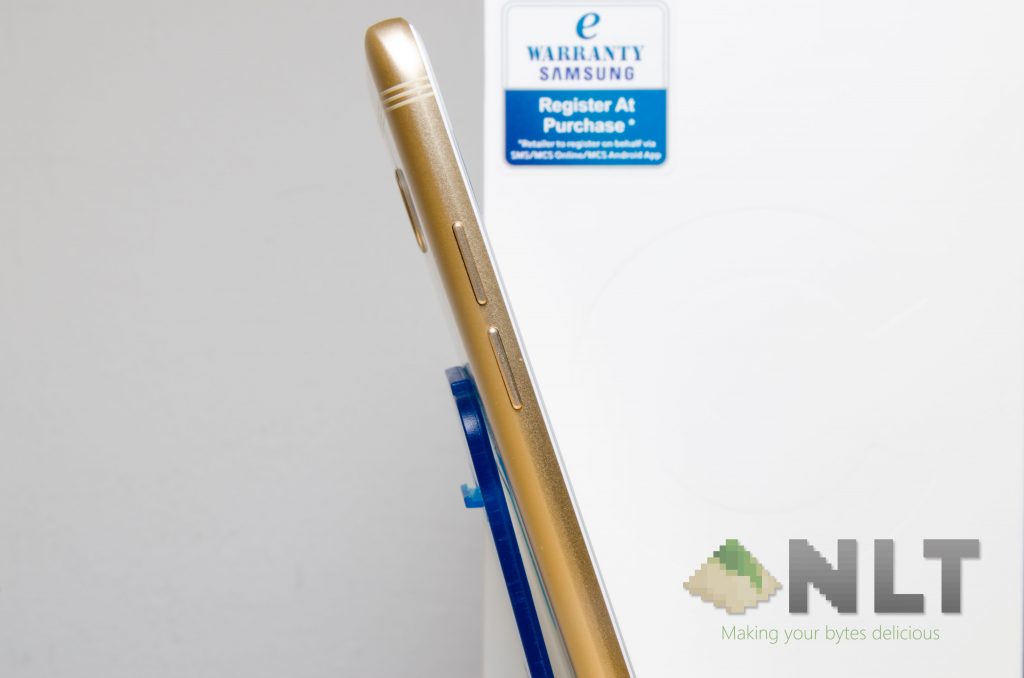
Samsung maintained the power-button-on-the-right-and-volume-on-the-left positioning like usual, and have all of the other ports placed at the bottom. That includes the speaker, USB-C port, and headphone jack.
There are some interesting things to be seen at the back of the Galaxy C9 Pro, actually.
Does this look familiar?
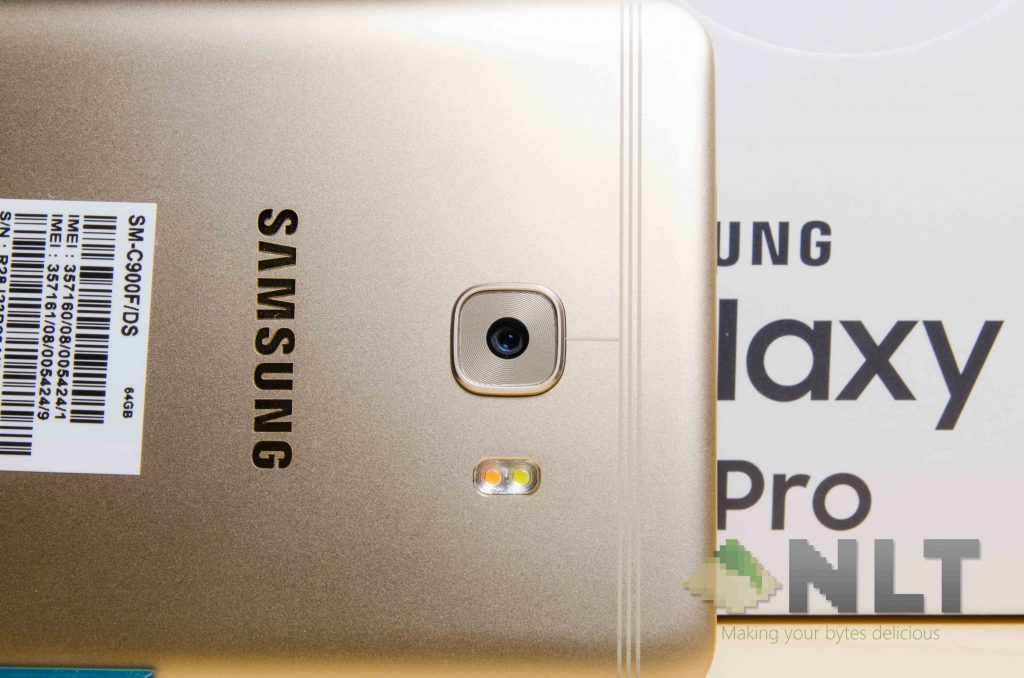
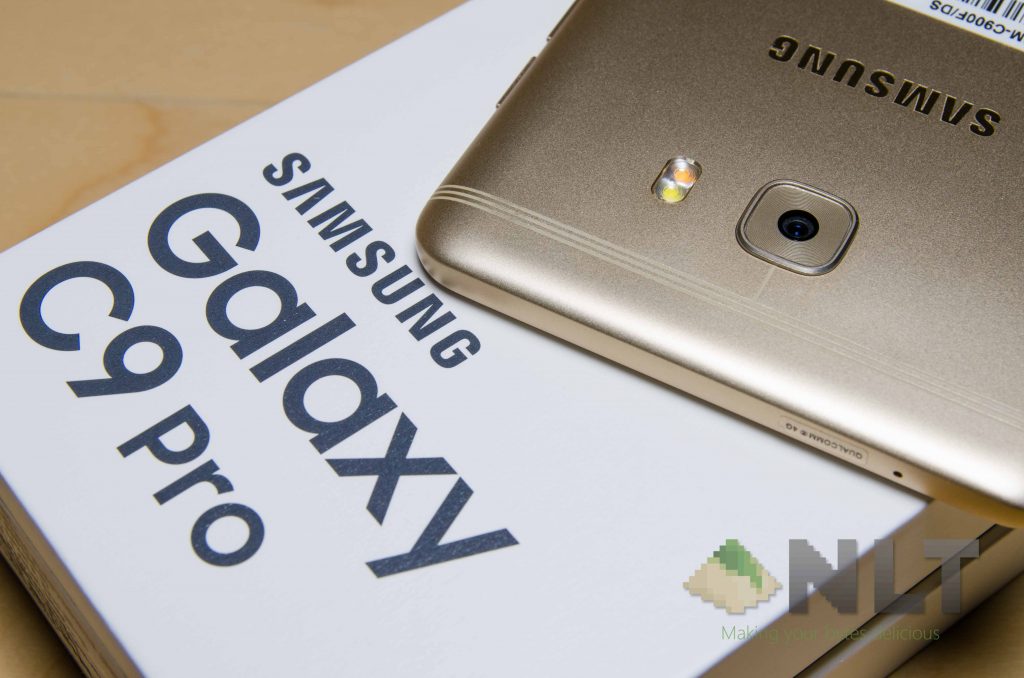
Yeah – those three lines. They’re the new split antenna design at the top and bottom, just like what we’ve seen on the OPPO R9s here. On the Galaxy C9 Pro, I can actually physically feel these antenna lines when I graze my finger across it.
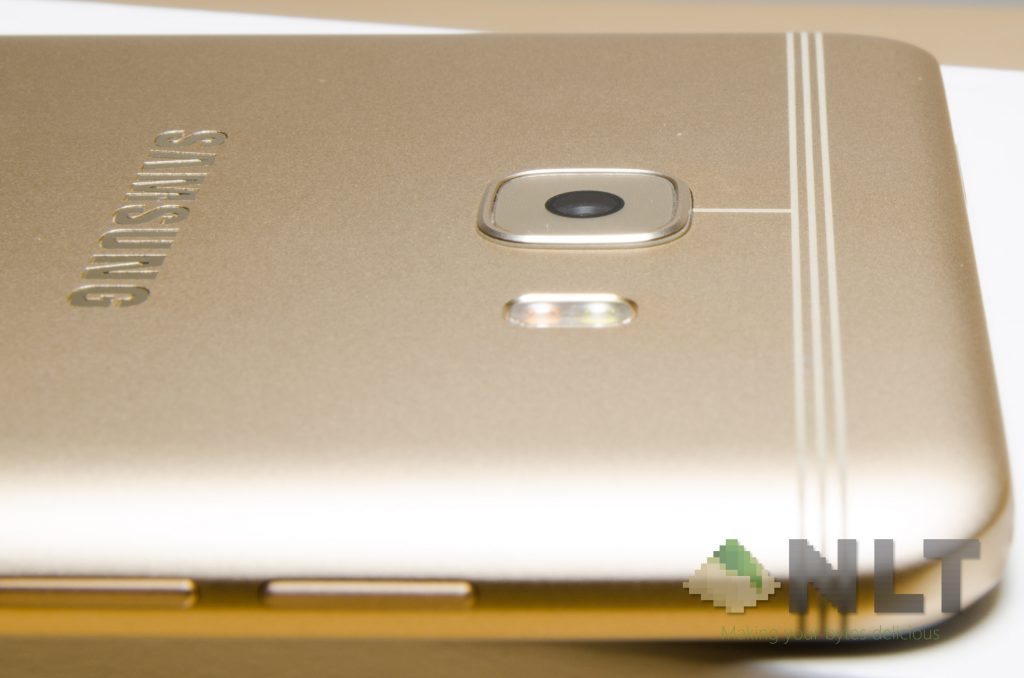
While focusing on this area, there is a little camera bump at the back now. It does make the phone raise slightly, but it doesn’t make the phone rock when placed on a flat surface. Pretty neat.
[nextpage title=”Connectivity”]
So, this is interesting. Samsung moved all of the SIM card and microSD card slots again. This time, it’s located right beside the power button, and they’ve retained all the dedicated slots – just like what they did with the A7 (2017) that we reviewed here.
I mean, this phone is huge – and I’m happy that Samsung is taking all of the humongous space. It can accommodate two nano SIM cards and a single microSD card slot. Nice!
As the Galaxy C9 Pro is obviously humongous, I’m also glad that Samsung didn’t skimp out on its connectivity hardware. It has Bluetooth 4.2, ANT+ support, NFC, FM radio, and even dual-band WiFi. For today’s standards, it’s as expected – although I do wish that Samsung included the IR blaster. They were the first one to put it in a smartphone, actually.
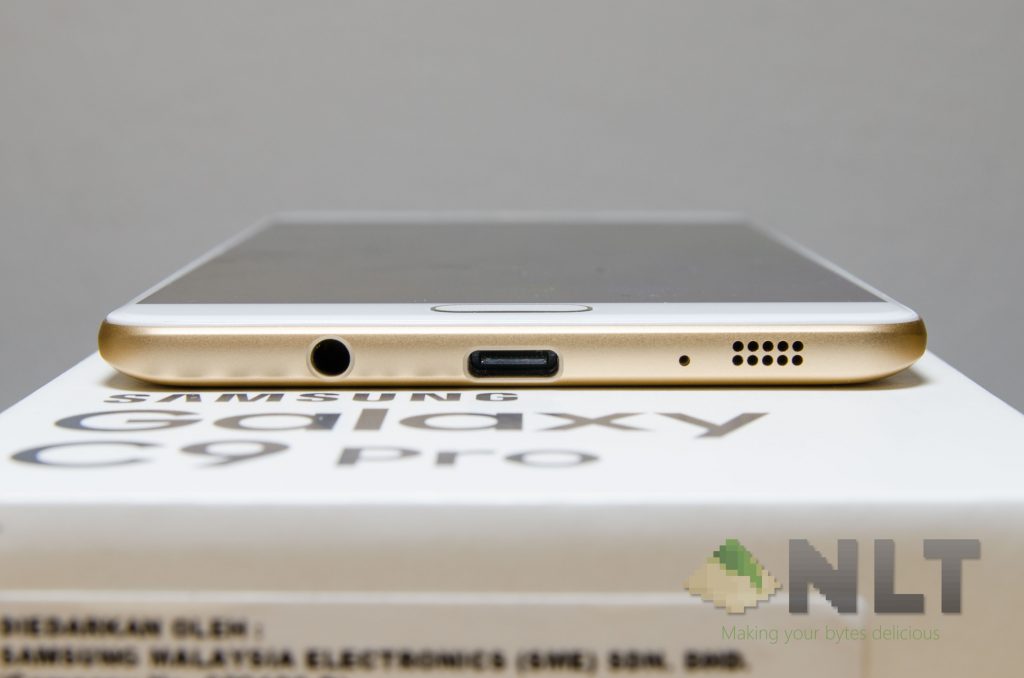
At the bottom is where all the usual ports are found – the headphone jack, USB-C, and speaker. They’re using a stereo speaker setup, as there are a bottom-firing speaker and another speaker inside the earpiece itself.
[nextpage title=”Display”]
With a 6-inch 1080p Super AMOLED display, the Galaxy C9 Pro is certainly one of the larger smartphones available in the market today. I will personally still consider a 5.5-inch smartphone to be big, but 6-inches is definitely a borderline tablet.
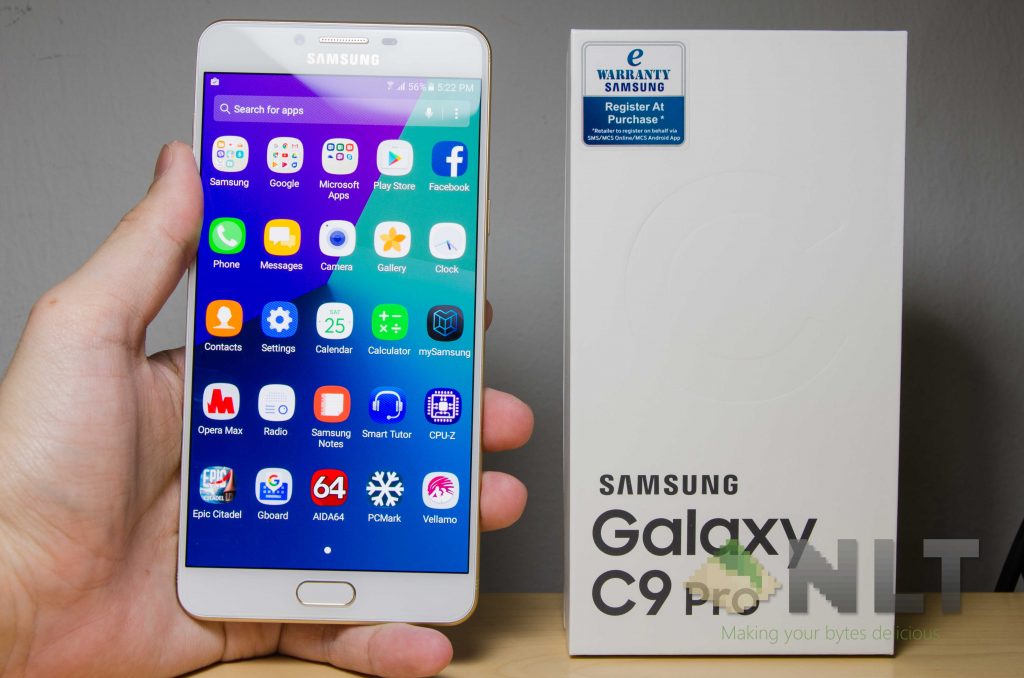
With its humongous size comes a big price to pay – and that’s ergonomics for me. This phone is obviously already larger than other smartphones, and the fingerprint sensor’s position isn’t helping at all. Let’s not forget about the navigation keys too.
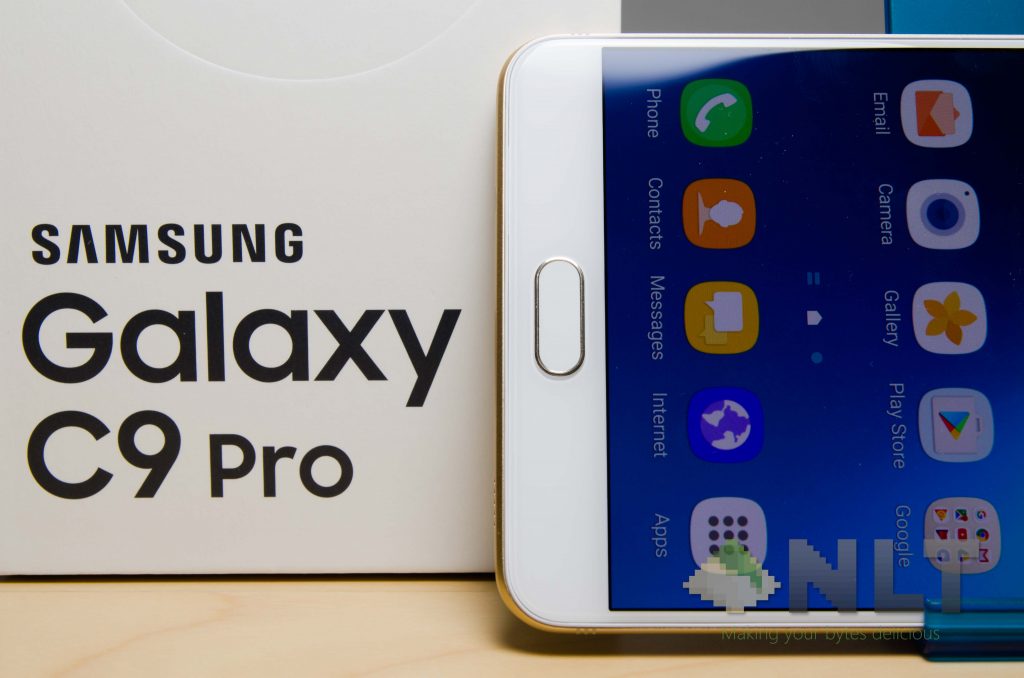
It’s placed way too low on the phone of this size, and if you’re trying to use it with one hand even with one-handed mode turned on – I bid you good luck.
[nextpage title=”Camera”]
Personally speaking, it’s a disappointment to me. The camera isn’t that much better than the Galaxy A7 (2017). Come to think of it, I think they’re actually having the exact same camera sensors? Both the A7 (2017) and C9 Pro has a 16MP camera sensor with f/1.9 lens at the front and back. They both do not have OIS too.
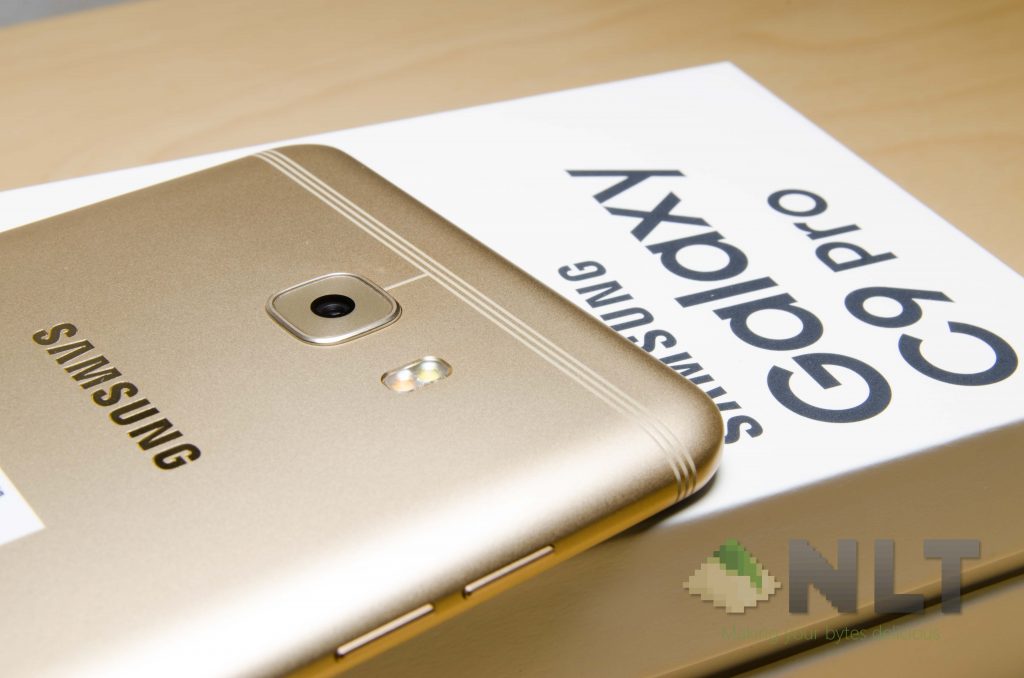
Image quality is very similar too, actually.
There’s really nothing much to see here – and I actually will recommend you to have a look at our Galaxy A7 (2017) review and also a comparison done with OPPO R9s for a more in-depth look at the camera. I mean – even the selfie camera is the same!

Honestly speaking, I didn’t expect to get this sub-par quality at this price. I’ll explain more about this later.
[nextpage title=”Software”]
It’s the same as the A7 (2017), actually. Also, this is where the Galaxy C9 Pro shines – its software and hardware’s marriage.
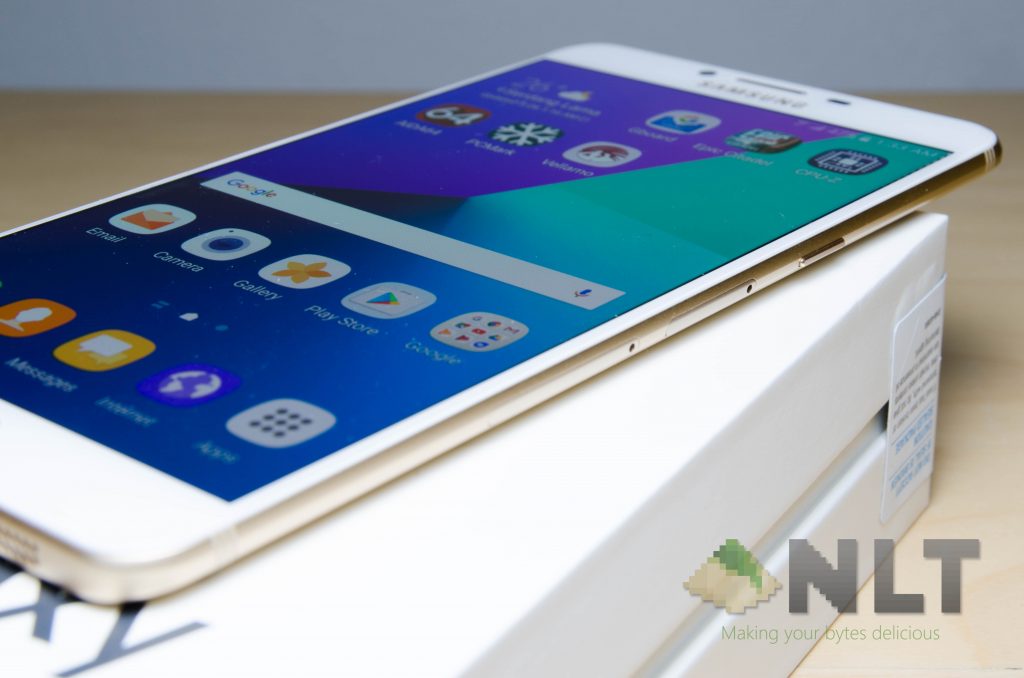
Before we dive into the hardware specs, let’s take a look at the software itself. In the Galaxy A7 (2017) review, we talked about how its multitasking features are a wet dream to doers who opens lots of apps at the same time – and that feature is still the same here on the Galaxy C9 Pro.
Taking a spin on the Galaxy C9 Pro and I felt the multitasking experience improved a lot more due to its larger screen size and 6GB of RAM. Everything is snappy – just the way everything should be, and the software experience just makes it a lot faster to work with.
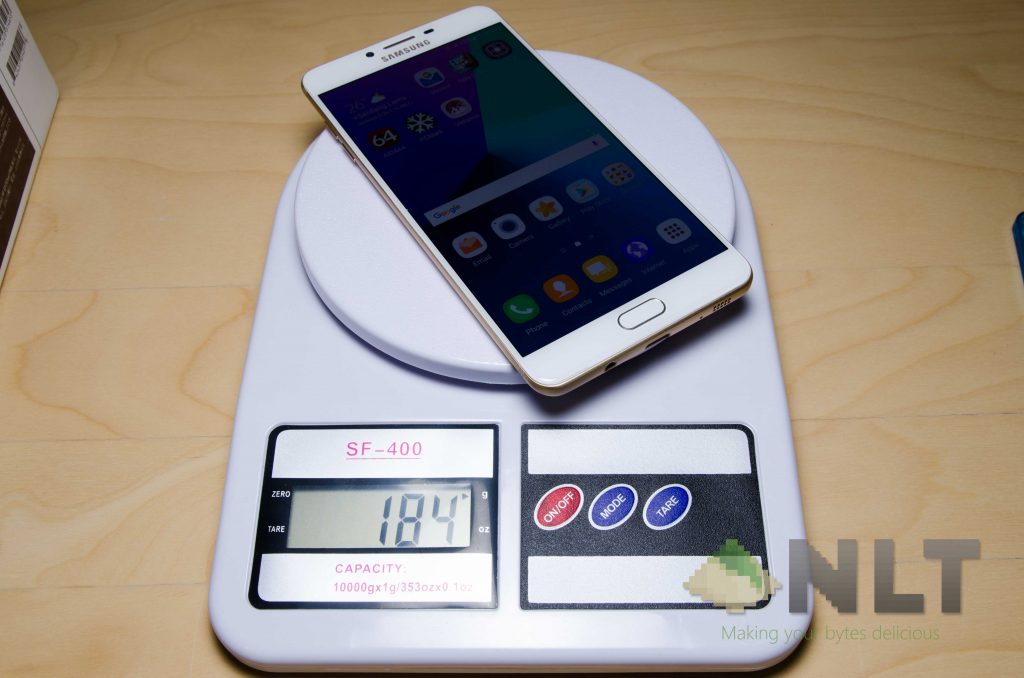
I mention a lot regarding “work” here because the Galaxy C9 Pro is obviously meant for those who want to work on their smartphones. Otherwise, why would you get such a snappy yet large phone?
Enough about the work you do on the Galaxy C9 Pro – what about hardware that powers the smartphone itself?
[nextpage title=”Performance”]
In my personal opinion, I think that the chipset chosen for the Galaxy C9 Pro is a big turnoff for me. Sporting a Qualcomm Snapdragon 652 chipset with an octa-core processor, it can actually achieve a very high score in our performance benchmarks. Take a look at these.
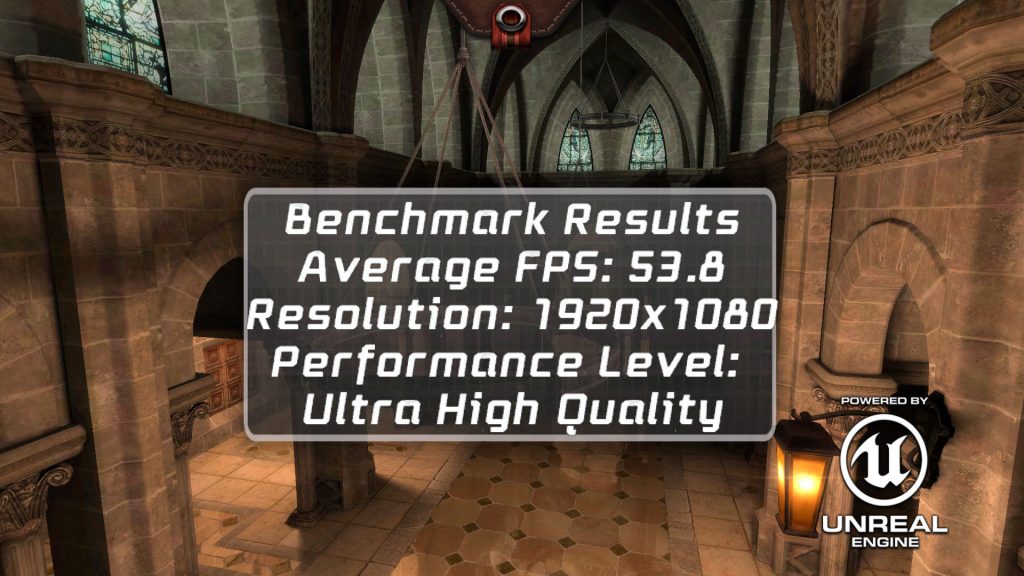
On Epic Citadel it can score ~53FPS – and for me personally, it’s a really good score! Then onward to our next benchmark – Vellamo.
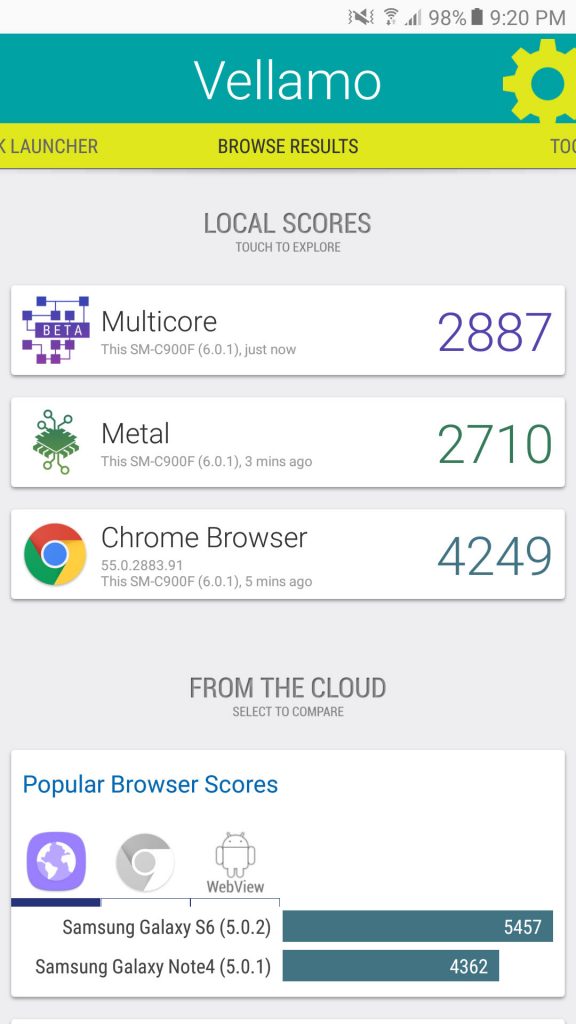
The scores here also show that its performance is something noteworthy, as it does pack a strong punch in both multicore and single-core (metal) performance. Its Chrome scores show a magnificent performance too.
But it isn’t all is rainbows and sunshine…
Throughout my usage, I found out one particular problem with the Galaxy C9 Pro – specifically, its chipset itself. Instead of using a more chipset that is made with 16nm or 14nm FinFET process like the Exynos 7880 on the Galaxy A7 (2017), Samsung chose the Snapdragon 652 for the Galaxy C9 Pro is made from a 28nm process.
I talked about how FinFET helps in battery conservation right here – and all I say is this. Since the Galaxy C9 Pro users a chipset that isn’t manufactured using FinFET process, it’ll suffer in both battery and heat issues.
Just take a look at its temperatures.
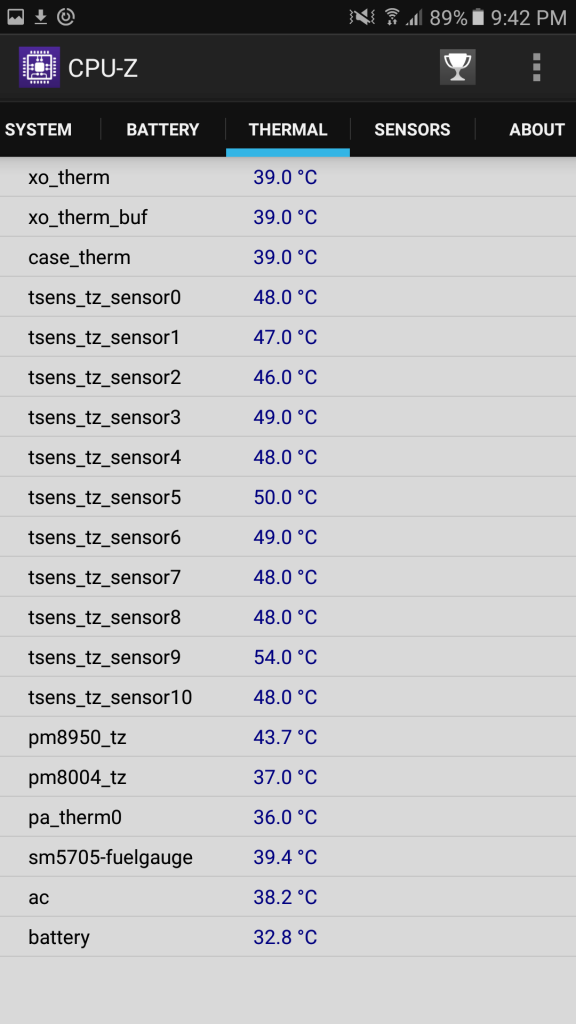
Its hottest is at 54℃ and it’s warm to the touch. The only thing that’s dissipating all the heat is the Galaxy C9 Pro’s metal body. Keep in mind that I’m testing the Galaxy C9 Pro without a phone case and screen protector. Those things will definitely make the phone go a lot hotter since there is no pathway for heat to escape.
That is certainly an issue for me, and I would prefer if Samsung used a different chipset, like the Snapdragon 625. Lower performance, but its battery life is much better.
Oh, yeah – speaking of battery life, that leads us to the next section.
[nextpage title=”Battery life”]
This is a doozy. Remember when I said that the Galaxy C9 Pro isn’t using an energy-efficient FinFET-manufactured chipset? That affects its battery life – and Samsung tried to compensate its inefficiency by including a 4,000mAh battery.
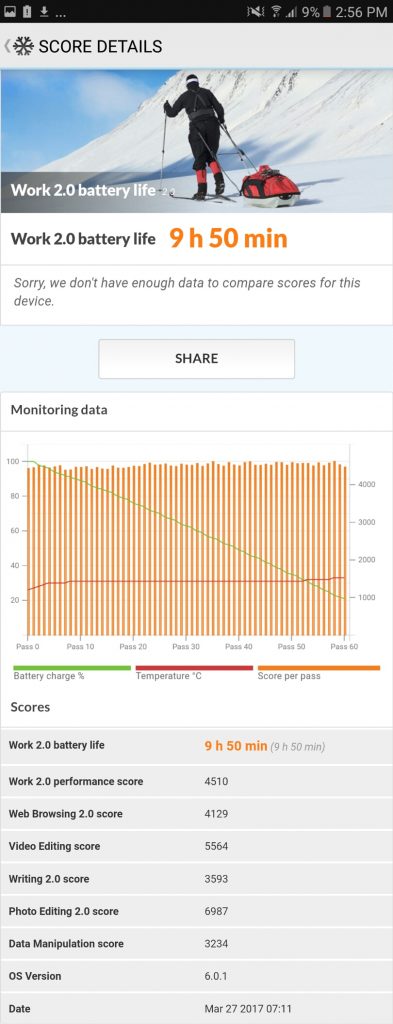
How much does the 4,000mAh battery help out, though? Yes, actually. The scores on PCMark’s battery life test shows about 9 hours and 50 minutes – pretty much within the margin of error of a FinFET-based smartphone. But then again, the Galaxy C9 Pro does have an obvious heat issue.
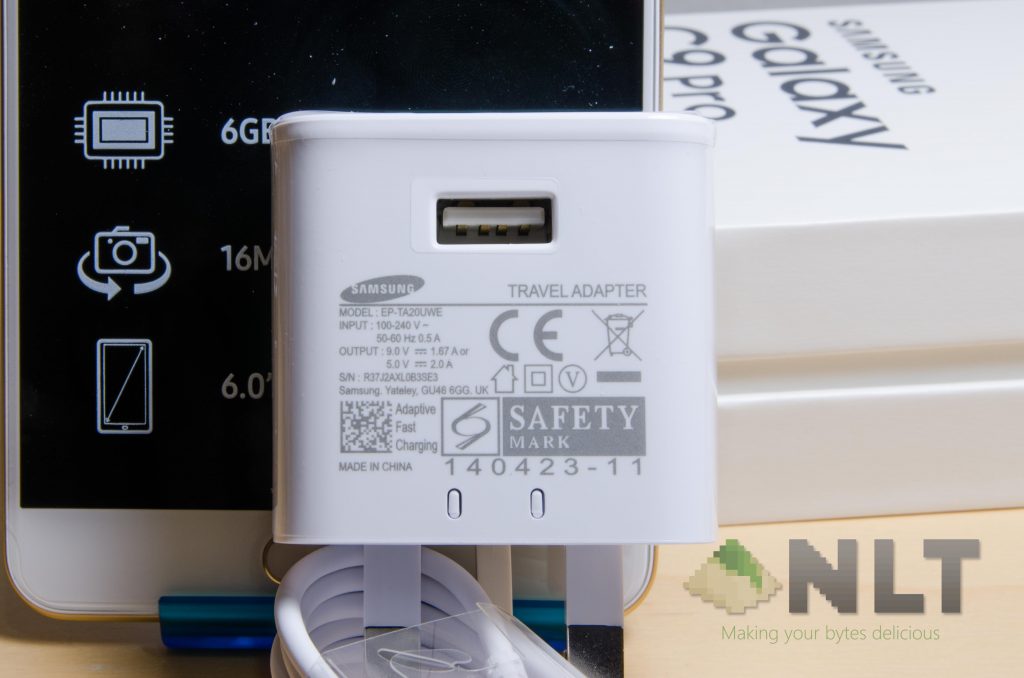
Then comes to the charger. Still the same 9V @ 1.67A charger as the Galaxy A7 (2017).
Even the little USB-C to microUSB converter is the same as the Galaxy A7 (2017).
[nextpage title=”Wrapping up the Samsung Galaxy C9 Pro review”]
Here’s what I can tell you about the Samsung Galaxy C9 Pro – it’s more like a spinoff from the Galaxy A7 (2017). The only difference between these two smartphones is the chipset, RAM, screen size, and battery. Oh – let’s not forget that the Galaxy C9 Pro does not have any sort certified of water-resistance, unlike the Galaxy A7 (2017). The C9 Pro just feels too out of touch with the customer’s demand.
It was first announced with a hefty recommended retail price of RM 2,299 – but you can now find the Galaxy C9 Pro at ~RM 1,888 over at Lazada right here. That also coincides with the Galaxy A7 (2017)’s price, and you really need to weigh in the pros and cons of both devices to determine which is more suitable for you.
For me personally, I’d rather get the Galaxy A7 (2017). Or maybe, get the Samsung Galaxy S7 or S7edge now. You can get RM500 off on your purchase.
Like our Facebook Page here at NasiLemakTech.com for more news and in-depth reviews! Also, join our Facebook Group for insightful information and memes!
Subscribe to our YouTube channel too!